
Leave your name and number and we’ll call you back to set a time.
When a house is being renovated, the garage quietly becomes the main entrance to the job. Drywall, lumber and tools come through the big door, crews park in front of it, waste goes out the same way, and the opener runs far more often than it ever did before. Meanwhile dust settles on the tracks, materials pile up beside the sensors, and electricians shut off circuits without anyone thinking about the door. This page covers what a renovation tends to do to a garage door that is not part of the project, how to protect it while the work goes on, and what should be checked when the last crew packs up. Free estimate at (929) 429-2429.
By Sean Cohen, owner, On Point Garage Doors · Updated
Photos from our own jobs.
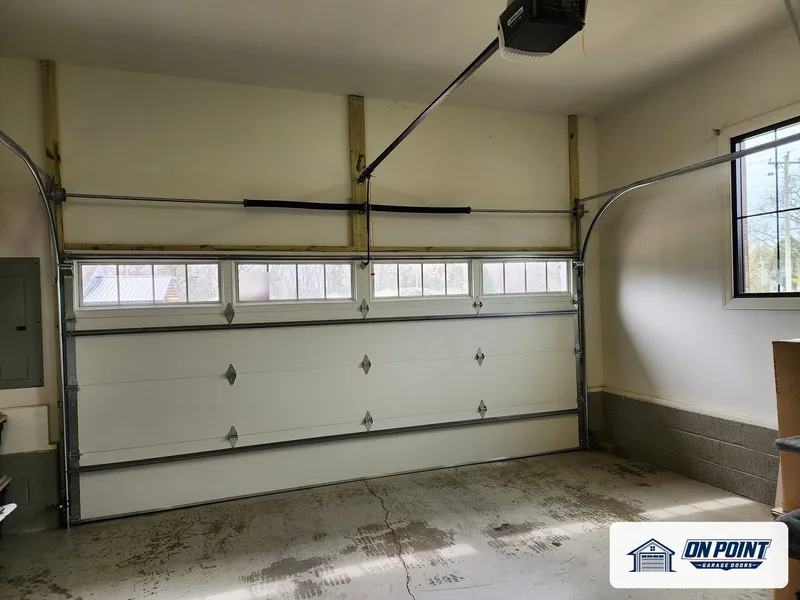
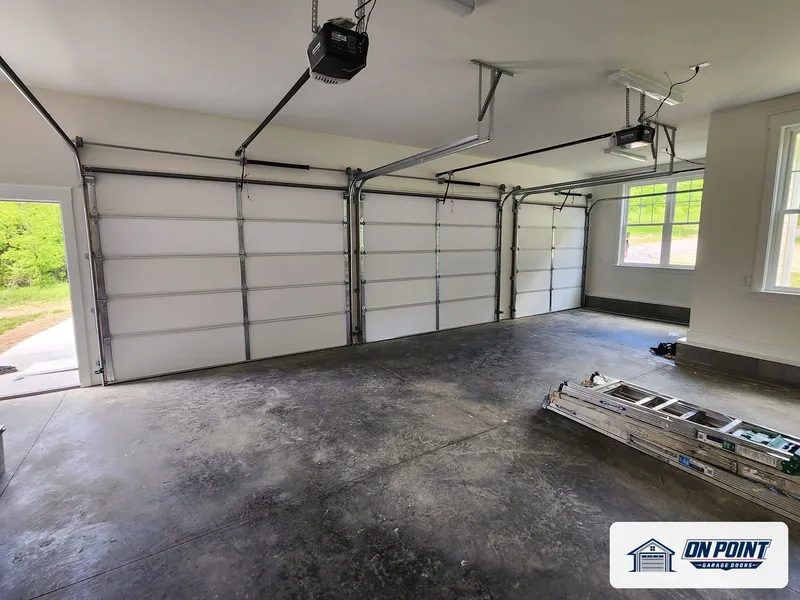
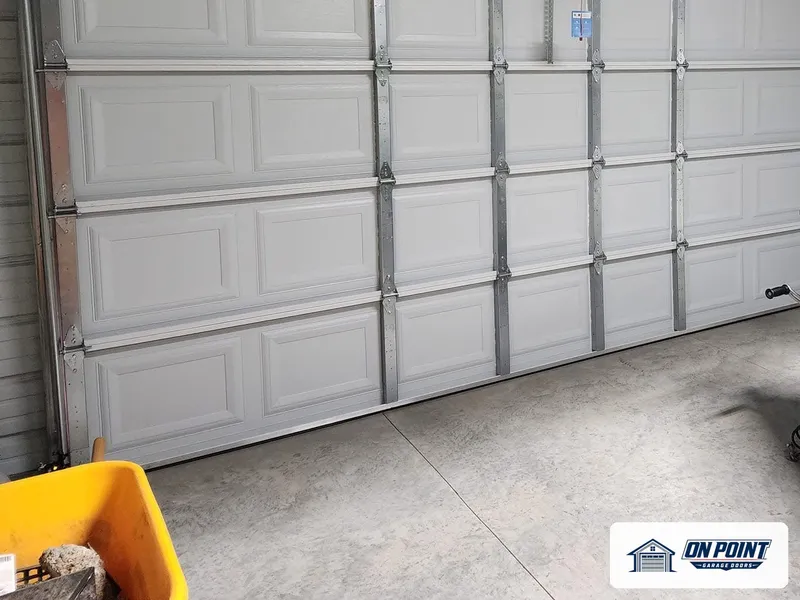
A family door that opened a few times a day can suddenly be opened dozens of times by people who have never used it. Some run it with the wall button while the sensors are blocked, some leave it half open, and some duck under it as it moves. Heavy use is not a problem for a door in good shape, but it shows up any weakness quickly: a tired spring, a worn roller or an opener that was already struggling.
Cutting tile, sanding joint compound and sawing lumber all make fine dust that drifts into the garage and lands on everything. It packs into roller bearings, collects in the tracks and coats the rail and the trolley of the opener. A dusty door sounds rougher and works harder. A light cover over the opener motor and a cleared path along the tracks during the messiest stages help, and a service visit after the work brings the moving parts back to normal.
Giving a crew the keypad code is easier than handing out remotes, and most keypads take a temporary code that can be removed later. Remotes lent out tend to go missing. A smart opener lets you see each time the door opens and lets you shut it from your phone if it was left up. When the job ends, every code given out should be changed and any remote that left the property cleared from the opener's memory.
Panel upgrades, new circuits and rewiring often mean the garage loses power for a while. A door without power does not move unless it is taken off the opener, and crews sometimes do that and then forget to put it back. A door left loose from the opener can be pushed up by anyone and may not lock. If the opener seems dead after electrical work, the cause can be a tripped circuit, a moved outlet, a surge or a door left disconnected, and each one is checked before parts are blamed.
Exterior work comes right up to the garage door. Painters cover the weather seal and the stop molding, and paint on a seal stiffens it so it no longer closes the gap. Siding crews pull the trim around the opening and nail new trim back on, sometimes pressed so tight against the door that it rubs on every trip. A new stop molding set too far out lets in daylight and wind. All of it is easy to correct once it is spotted.
A new garage floor coating, a fresh slab or a raised driveway apron changes the line the bottom of the door closes against. The door may now hit the floor too early and reverse, or stop short and leave a gap. It is worth agreeing with the floor crew whether the door has to stay open or closed while the surface sets, because a seal pressed into wet coating can bond to it. Our page on the door after a new floor covers that change in detail.
Some renovations reach into the garage itself: a new ceiling, a lowered soffit, insulation, or a wall moved to make a mudroom. Each can take away the headroom the tracks and opener need, or cover the board the opener hangs from. The header above the door also carries the spring bracket on most doors, so cutting into it or changing it is a door question as well as a framing one. Asking before the drywall goes up avoids moving it later.
A waste container parked against the opening means the door cannot be used, and a careless drop can bend the bottom section. Delivery trucks backing up to the garage can clip the jamb or the low track bracket. Leaving a clear lane in front of the door and keeping heavy vehicles from cutting close to the jambs protects both the door and the frame it hangs in.
If a spring breaks or the door comes off its track in the middle of a renovation, it needs fixing then, because a door that will not close leaves the house open to the street. Planned work is different. A new door, new trim or a new opener usually goes in after the dusty and heavy stages are done, so the finished door is not the thing that gets dented. When a new door is part of the project, our page on doors for new construction and renovations covers the planning.
Yes, but give them a temporary keypad code rather than remotes, keep the tracks and sensors clear of materials, and change the code when the job is done.
Often a tripped circuit, a moved outlet or a door left disconnected from the opener. A surge can also damage the board. Each is checked before anything is replaced.
Usually after the dusty and heavy stages, so the new door is not damaged. A broken door that will not close should be fixed whenever it happens.
The trim or stop molding was likely set back too tight against the door. It can be moved so the door runs freely and still seals.
Yes. We check balance, reversal, sensors, seals, tracks and the opener, and give you a free written estimate for anything that needs work.
Tell us what the door is doing and we’ll set a time that works for you.
Free estimate, call (929) 429-2429.
Describe the fault and we'll give you an honest arrival time. The visit and the estimate is free, anywhere in Brooklyn, Queens and Long Island.
Easier to explain by phone? Call (929) 429-2429.
Tell us what the door is doing. The estimate is free either way.
Where we work
Brooklyn, Queens and Long Island. Tap your town.
 Bay RidgeBrooklyn
 AstoriaQueens
 Valley StreamNassau County
 HuntingtonSuffolk County
 Sheepshead BayBrooklyn
 BaysideQueens
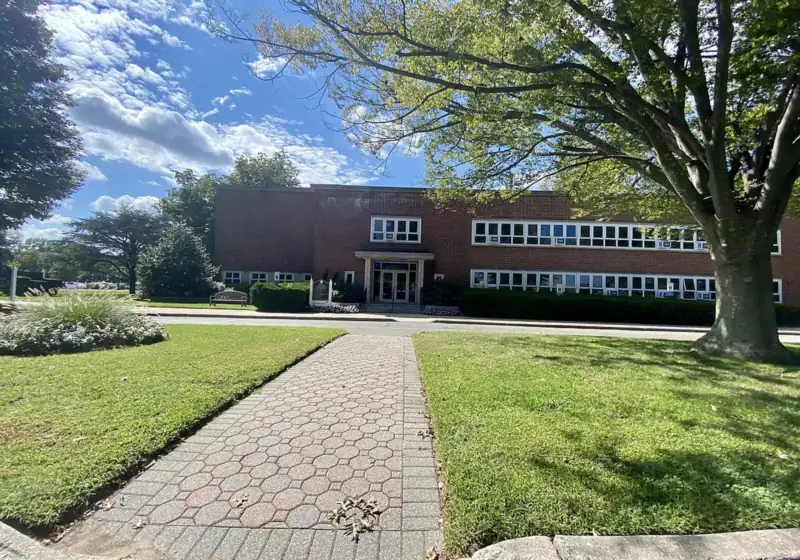 Garden CityNassau County
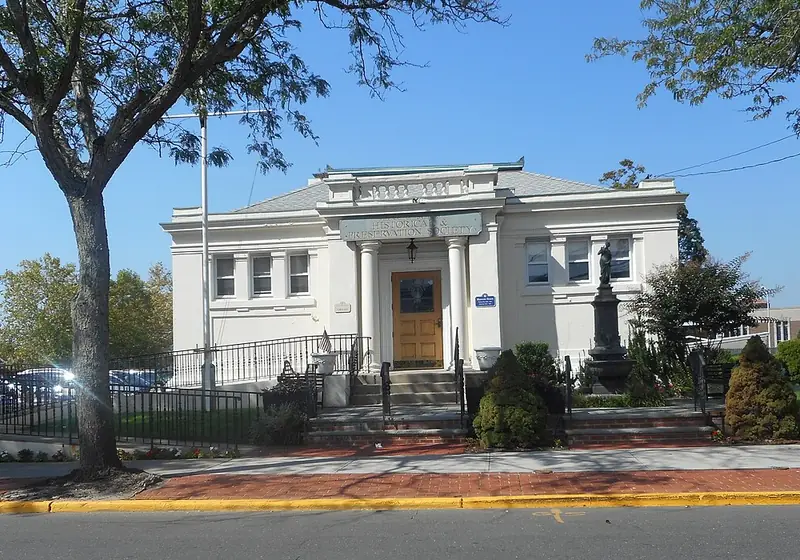 BabylonSuffolk County
 Marine ParkBrooklyn
 FlushingQueens
 MassapequaNassau County
 SmithtownSuffolk County
 CanarsieBrooklyn
 Howard BeachQueens
 LevittownNassau County
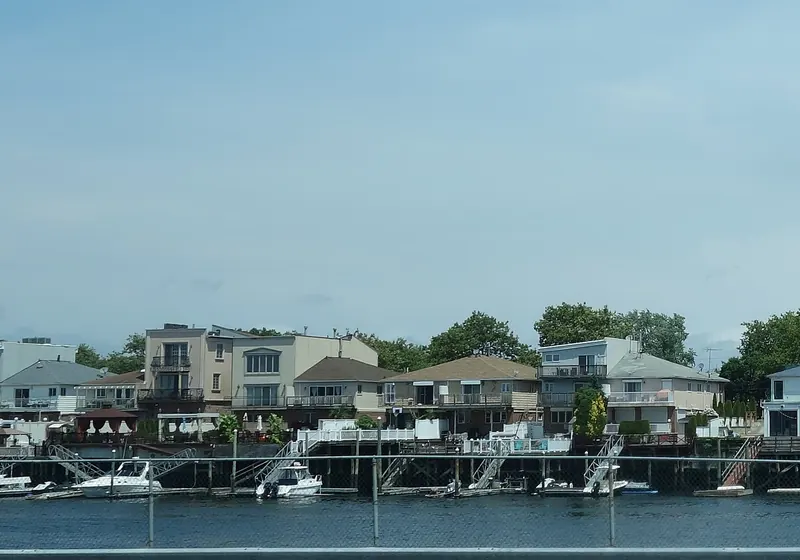 Mill BasinBrooklyn
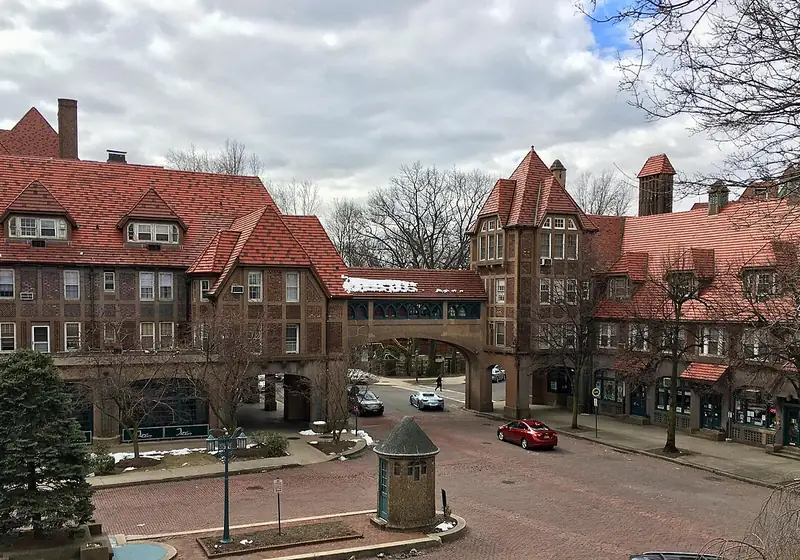 Forest HillsQueens
 FreeportNassau County
 BensonhurstBrooklyn
 Long BeachNassau County
 Park SlopeBrooklyn
 HicksvilleNassau County
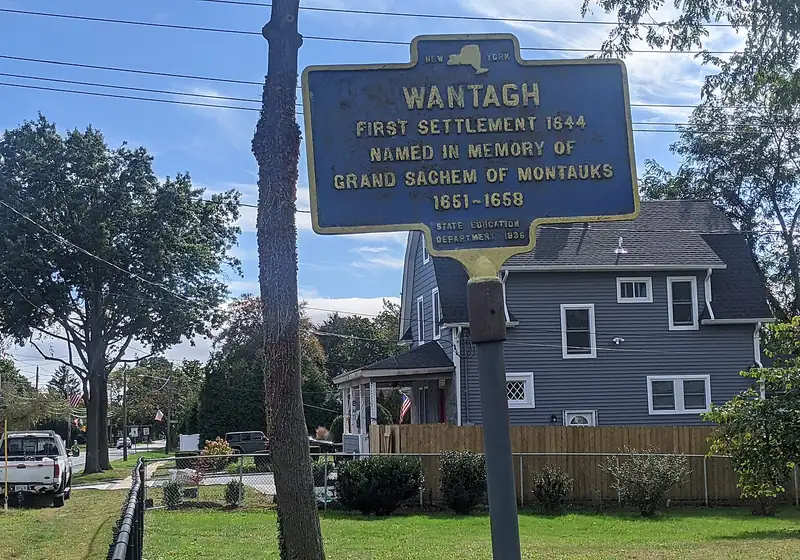 WantaghNassau County
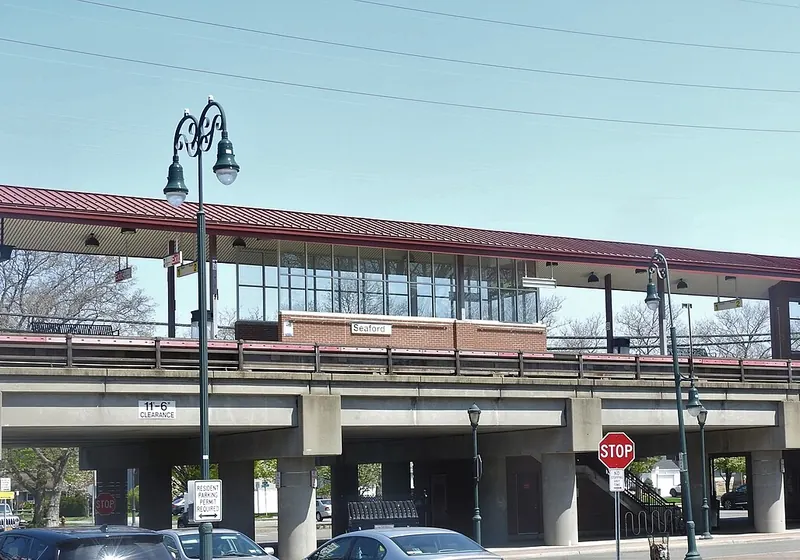 SeafordNassau County