Takes 30 seconds. We call you back to set a time.
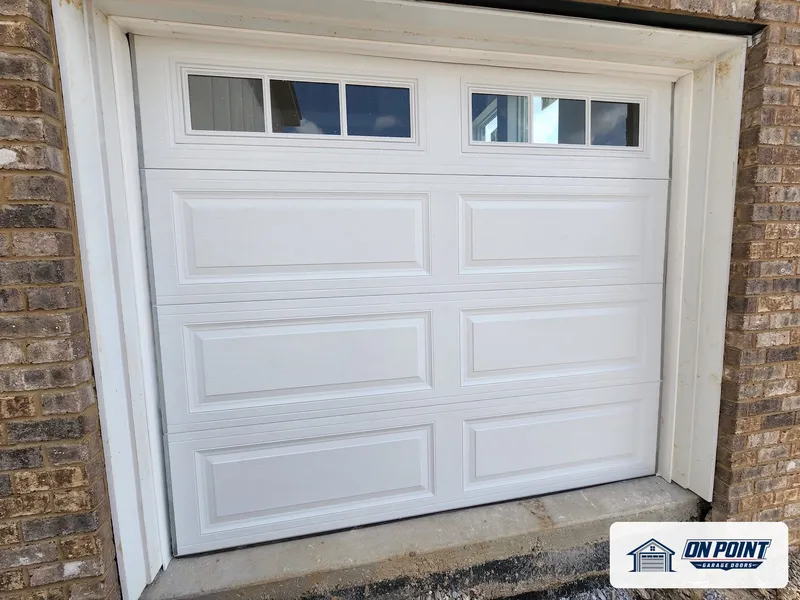
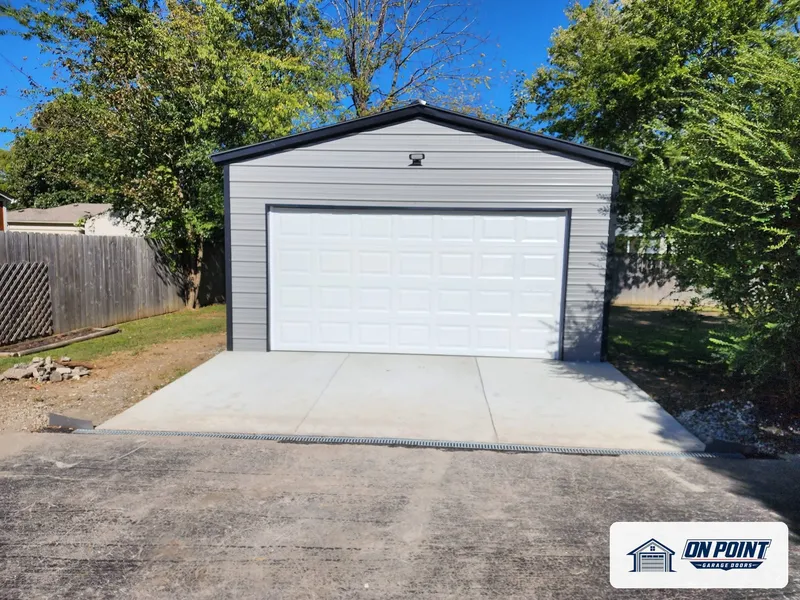
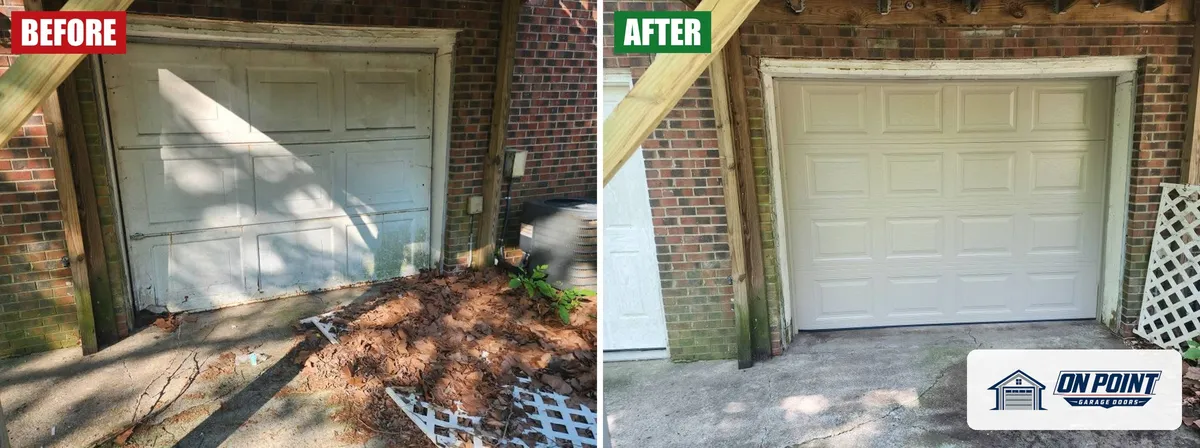
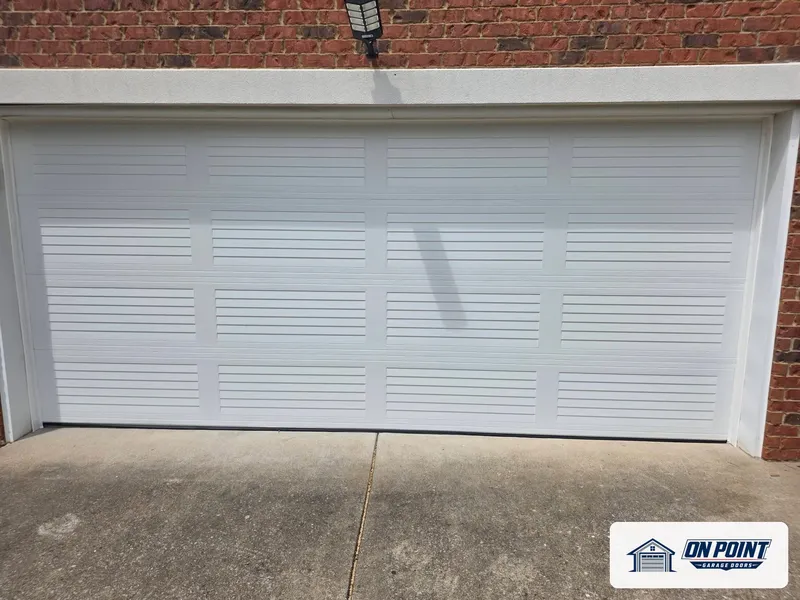
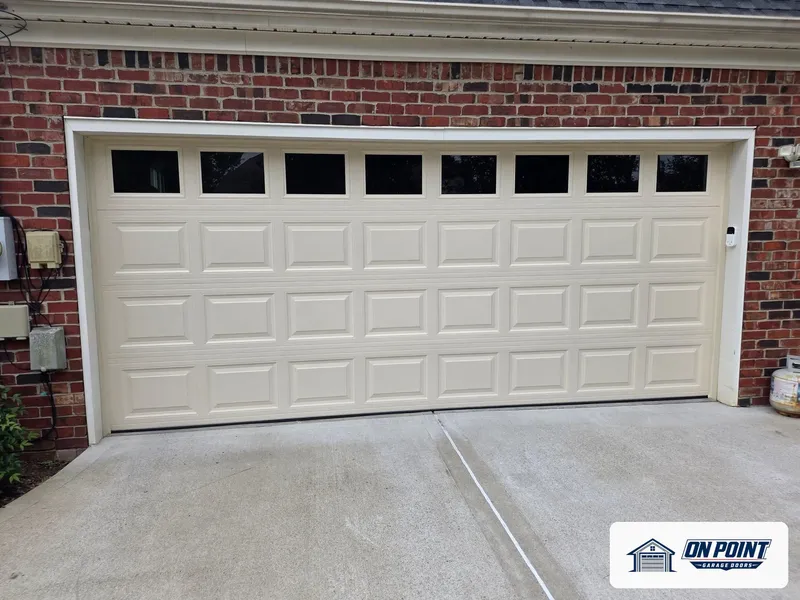
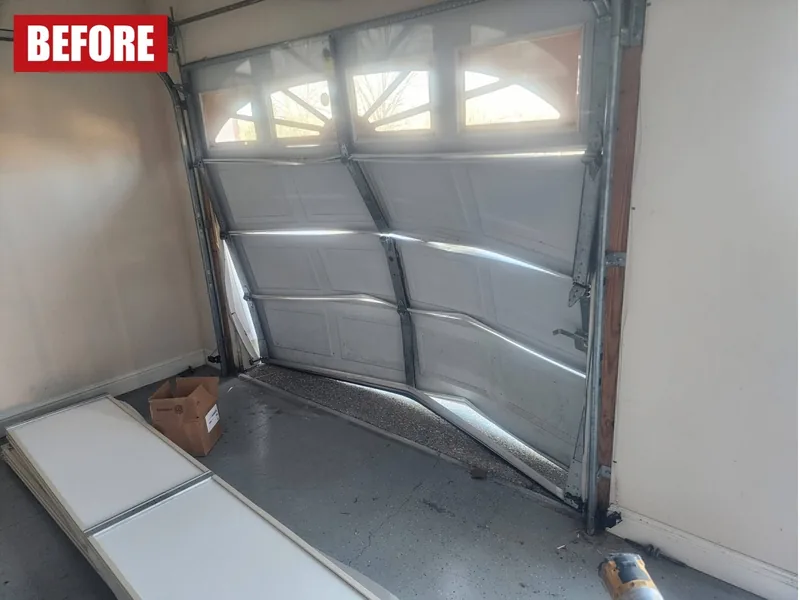
These photos are from our own jobs, with our logo on them.


Garage door repair in Sheepshead Bay for the two-family homes with garages under the first floor, bungalow-court garages and newer townhouses on these blocks. The door is looked at first, and the estimate is free.
Many newer two-family homes here put the garage on the ground floor, under the living space, with the door facing the street. These doors open and close many times a day for two households, and that is what wears springs and rollers.
Because the bedrooms and kitchens sit right above the garage, a loud opener or a door that slams is felt through the whole house, and quiet operation matters as much as the repair itself.
Streets close to the water flooded in past storms, and garages at street level took the water first. Salt water leaves rust at the bottom brackets, the cable ends and the lowest track sections, often long after the floor has dried.
That bottom bracket holds the full tension of the spring, so on any door that has been wet it is checked before anything else.
Townhouse rows often have identical doors side by side, installed at the same time. When one door starts to fail, the doors next to it are usually not far behind, and neighbors often ask for the same repair.
Driveways here are short, so the car parks close to the door, and a door that closes unevenly or stops short is easy to clip.
Bungalow courts have small single garages and tight walkways. Space to work is limited, so the technician plans the repair before carrying parts in.
Some older garages have had doors replaced in pieces over the years, and the springs do not always match the door that is hanging now.

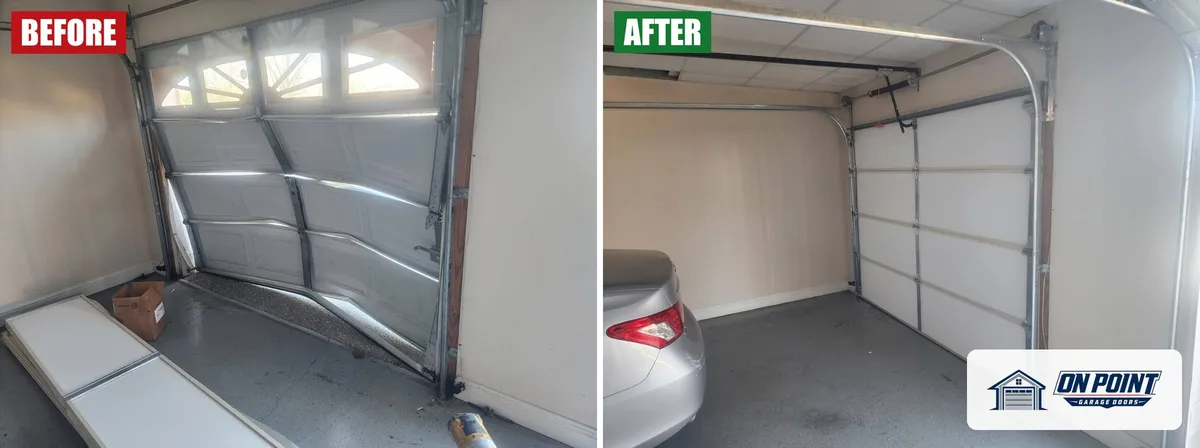
Ground-floor garages, townhouse rows and bungalow courts all get this same list, and on each one the door is inspected before anything is estimated.


Ground-floor garages. Broken torsion springs, frayed cables, worn rollers, and openers that hum, grind or reverse. A door that suddenly feels heavy is usually a spring, and that is looked at first.
With two households sharing one door, the repair is planned so the door is back in service as early in the visit as the job allows.
Doors that have been wet. Rusted bottom brackets, cable ends and track sections are replaced before they let go.
Coated springs and rust-resistant hardware are offered where salt air has shortened the life of the old parts.
Openers under living space. A worn chain or old motor shakes the rooms above, and a belt-drive opener is often the quiet fix.
A wall-mounted opener beside the door frees the ceiling and sits higher above any water that gets in.
Rows of matching doors. Neighbors often call together, and each door is still checked on its own, because use and wear differ.
Any door that has been hit by a car on a short driveway should not be run until it has been looked at.
Besides the bay side of the neighborhood, we work in every corner of Brooklyn and Queens and out on Long Island.
What you describe on the call is written down, and the technician reads it before he gets to your block.
A car trapped under the house, or a door stuck open overnight, counts as urgent. Tell us when you call.
Winter. Gusts off the bay hit street-facing doors square on, and a spring that was already tired tends to snap on the first hard freeze.
Spring. Once the snow melts, look at the bottom corners of the door; orange streaks there mean the brackets need attention.
Summer. Storm season is when a door has to close fully and seal along the floor, so the bottom seal is checked.
Fall. Booking a check before the cold sets in means a worn spring gets swapped on a day you pick, not on a frozen morning.
First the technician watches the door run, then he looks at the springs, drums, cables, rollers and the opener rail above the car.
Then you hear, in everyday words, what failed and why, with a free estimate split item by item.
Parts are matched to the door you have; the ones that fail most often ride along in the truck.
Any bracket or bolt that sat in storm water is replaced outright, since corrosion inside the metal stays hidden.
Before leaving, the opener is made to reverse on a block of wood and again with the sensor beam broken.
Worn parts go with the technician and the sidewalk out front is swept.
When two households share one ground-floor door, the work is timed so neither is stuck for long.
On these short driveways, tools stay inside the garage so neighbors can still walk by.
Nothing gets touched until you say yes.
Three or four parts do nearly all the work on a garage door, and by the bay the salt reaches those parts first.
The torsion spring is what makes a heavy door feel light. Once it snaps, the full weight is back, and lifting it by hand is risky.
A door that crashes down or creeps closed by itself is often warning you about that spring before it breaks.
Lift cables corrode where they hook to the bottom bracket and unravel where they wind on the drum; both sides are renewed together.
If one cable slips off its drum the door tilts, so it is clamped in place before anyone moves it.
The sensor eyes sit inches off the floor, right where storm water gathers, and a soaked sensor simply refuses to let the door close.
The lower track sections corrode first and kink when a bumper touches them; a door riding a kinked track can lock up halfway.
An opener that got wet may work for weeks and then quit. When it is beyond saving, you see a few replacement choices.
Adding a backup battery means the door still opens when a storm knocks the power out.
On the phone, tell us whether the door ever took on water and what it does now. That decides which parts come along.
The estimate is free, by the bay or anywhere else we work.
Describe the door, and the visit gets set around both families. The estimate is free.
Call us at (929) 429-2429.
Tell us what the door is doing. The estimate is free either way.