Takes 30 seconds. We call you back to set a time.
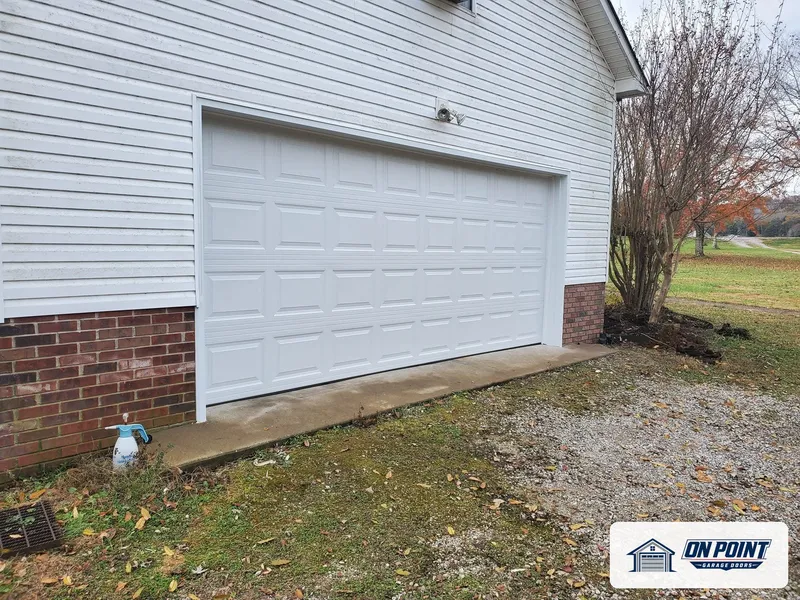
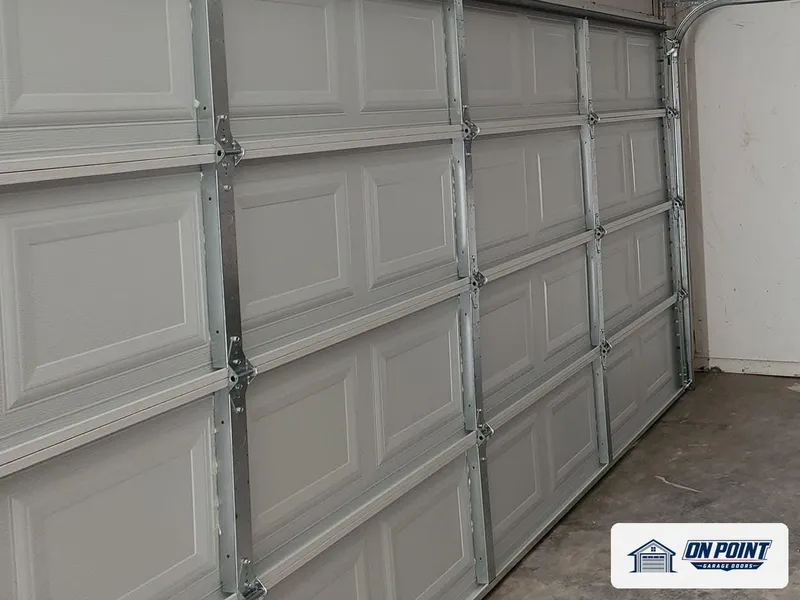
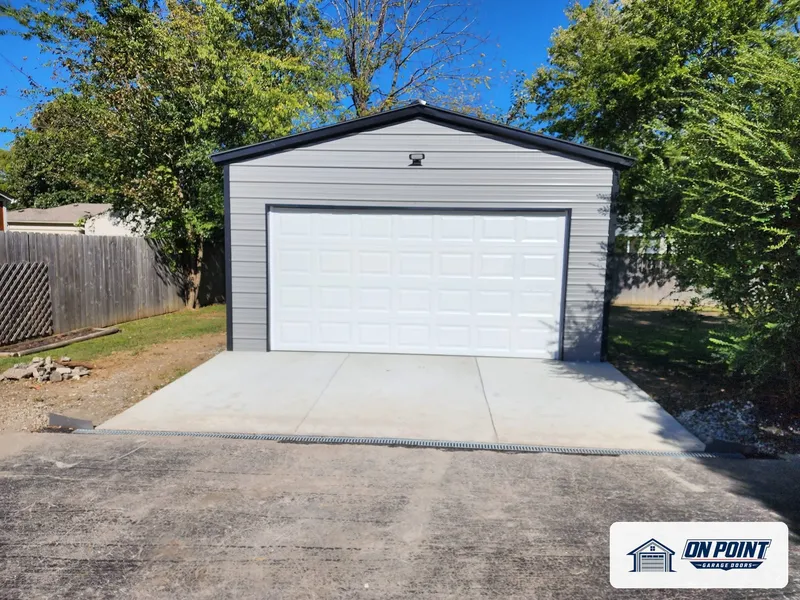
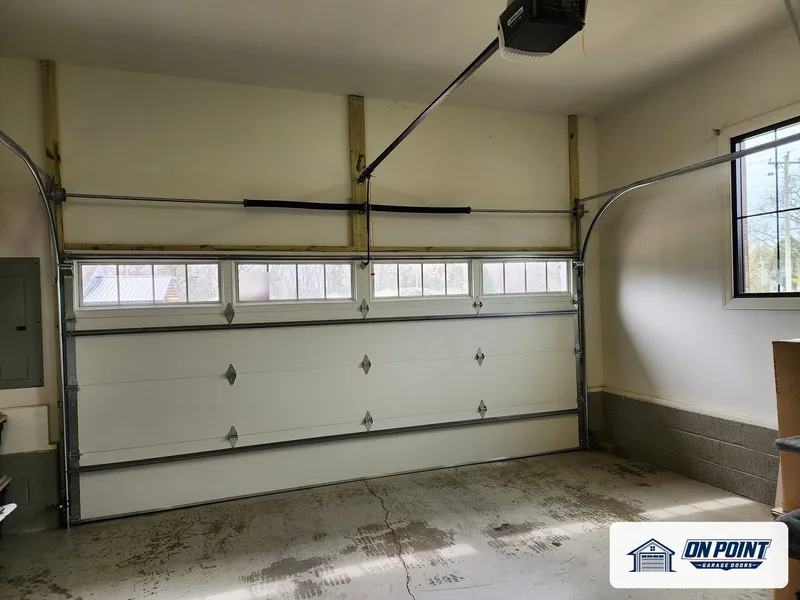
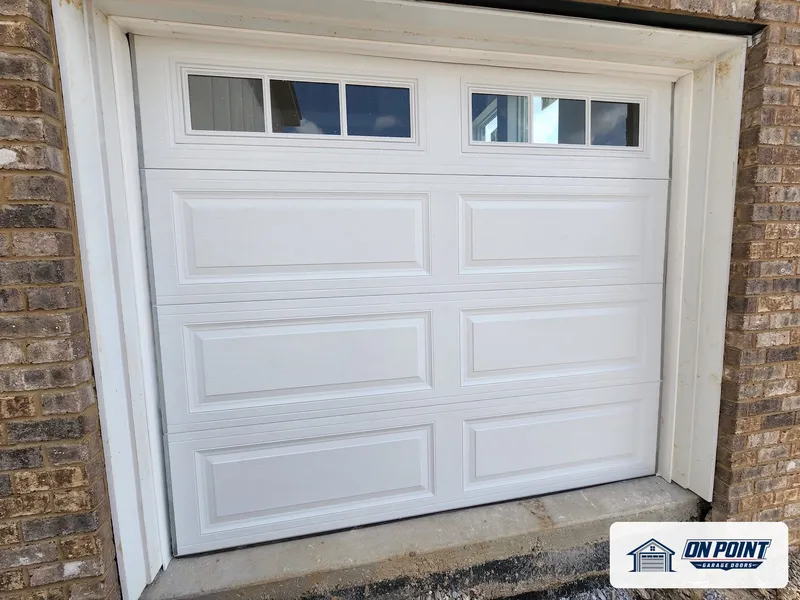
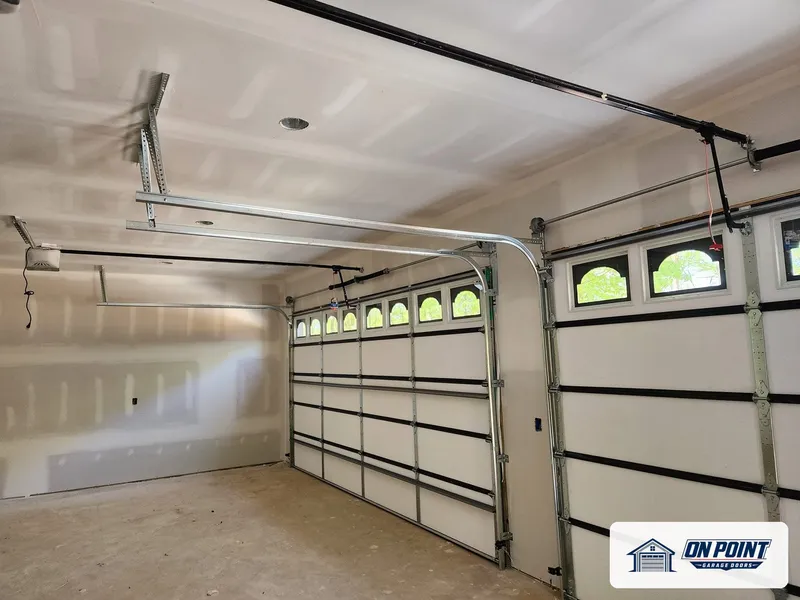
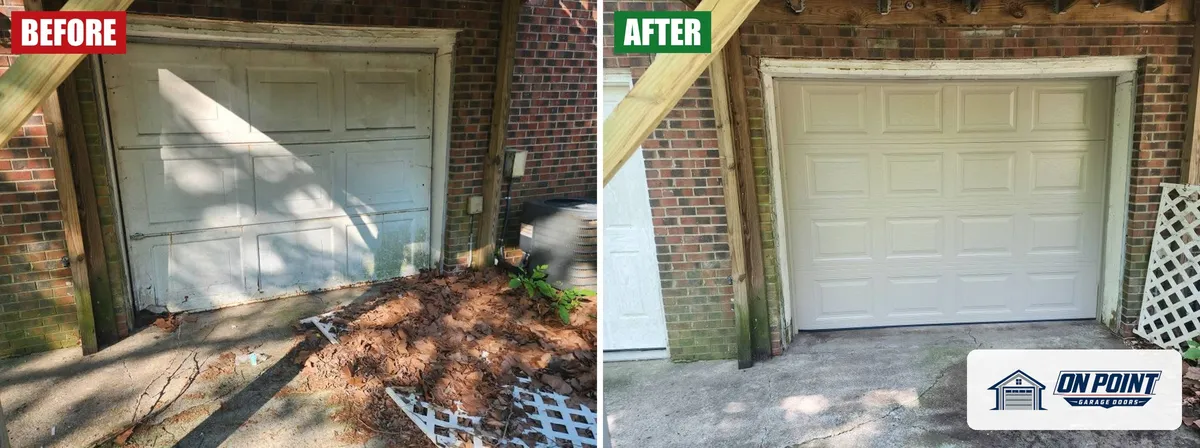
These photos are from our own jobs, with our logo on them.


Garage door repair in Mill Basin for the large custom and waterfront homes with two- and three-car garages, the houses along the inlets and the basin, and the businesses near the big shopping center. Free estimate first.
Many houses are large and custom-built, with extra-wide openings, several bays and doors picked to suit the architecture, from carriage looks to aluminum and glass.
They stand among the plainer brick homes and bungalows put up after the war, when filled marsh and former industrial waterfront became a residential peninsula, so two very different doors can share one block.
Those doors are heavy and need springs, hardware and openers matched precisely to their weight.
Carriage, modern and glass designs are matched to each house's style.
Some owners have replaced their original doors with custom wood, glass or wood-look doors.
Where a heavy overlay door took the place of a light steel one, the old track, shaft and opener bracket deserve a second look, because all three now carry a different load.
Custom doors need careful setup so they run quietly and seal well.
The peninsula has tidal water on three sides, so salty damp reaches springs, hinge pins and track bolts even on blocks with no dock behind them.
Rust-resistant hardware and well-sealed doors last far longer there.
Boats, jet skis and trailers are common at waterfront homes, and garages often double as storage for marine gear.
Life jackets and wet lines bring more salt indoors, and a coiled hose or a stack of fenders beside the track is a regular way to knock a photo eye out of line.
Stores and restaurants around the shopping center use service doors and gates for deliveries.
The mall at the avenue crossing has its own marina out back, and the businesses around it share the same salty air as the docks.
A delivery door at the mall that cannot shut at closing gets an early visit.
Some homes have garages under the main floor with bedrooms or a gym above.
Sound and vibration climb straight through that framing, so the mounting of the opener matters as much as the kind of motor inside it.

Custom home, waterfront house or business, every door is examined before any estimate.
A replacement can be matched to stone, stucco, brick or window frames, and finish samples look different in the bright light off the water than they do indoors.
For a house with several bays, the estimate separates each opening, so you can take care of the failing one first or have the row done together.


Wide and custom doors. Heavy springs, strong hinges and struts to keep wide doors straight.
Openers that ease in and ease out keep heavy glass and wood panels from being jolted.
If a heavy custom door strains its opener, the springs are tested first.
Waterfront garages. Coils pitted orange, cables fraying at the loops, seized roller stems and fasteners that snap when turned are the usual marks of tidal air.
Hardware that resists salt, from fasteners to cables, goes in.
Two- and three-bay garages. Doors installed together tend to age together, springs first.
Uneven use muddles that pattern: the bay nearest the kitchen may make most of the trips while the boat bay barely moves and quietly rusts.
Every door is checked when one fails.
Smart features. An app that shows whether a bay is open and lets a house sitter in is handy for owners who winter somewhere warmer.
The garage Wi-Fi is tested first.
A foam-filled door steadies the temperature in a deep attached garage and stiffens a wide opening against gusts from the bay.
After an SUV or a trailer hits a wide door, disconnecting or forcing it can bring a bent section down, so leave it as it stands and keep the bay empty.
He supports the door first and only then works out whether a section, the track or both have to change.
Backing a boat trailer into a wide bay, it is easy to graze a track, which then rubs the rollers on every trip.
We cover Mill Basin and the waterfront around it, along with the other parts of Brooklyn, Queens and Long Island.
The bay that failed, the kind of door and how close it stands to the dock are all useful notes for the technician.
With no subway on the peninsula, a car sealed inside a garage strands the household, so mention it and that visit moves ahead.
Should a surge or a gale leave a waterfront door bowed or jammed, stay out from under it and mention the water when you call.
Many low streets around these inlets flooded when Sandy came through, and salt left in wiring and bearings keeps doing harm long after a floor has dried.
Winter. Gales crossing the open inlets lean on broad panels, and cold brittle steel is when a tired coil tends to part.
Salt mist and slush can glue the rubber to a driveway apron, and an opener forced against that ice may tear the seal or strip its gear.
Spring. High tides paired with heavy rain push up through storm drains on the lowest streets and soak the foot of the nearest doors.
A floor that slopes back toward the house keeps that water around the bottom brackets for longer.
Summer. Glare off the water bakes south-facing doors and cracks their rubber.
Fall. Storm season is when battery backup and tight seals matter most.
Each bay is operated in turn, and he listens before moving on to the shafts, drums, lift cables, hinges, seals and motors.
On waterfront homes he also looks at the fasteners and brackets for salt damage before anything else.
Each door's findings are explained with a free estimate.
Faults that are urgent are marked apart from wear that can wait, which is helpful when three doors went in during the same renovation.
Custom wood and glass doors are weighed so the springs match them, not a catalog figure.
Ordinary hardware rides on the truck, while glass, stained wood and unusual sections are ordered to match once you approve.
Each opener's reverse is proven on an object in the doorway before he leaves.
Old parts are taken away.
Before packing up he cycles each repaired bay while you stand where you can see and hear it.
If you are away for the season, the visit can wait for your return or be done with a house sitter present.
He calls on the way.
Whether you are home or away on the boat, work waits for your approval.
On this peninsula two forces act on a door at once, unusual weight from custom materials and corrosion from the tide.
A broken spring on a heavy door is dangerous; keep everyone away and call.
Springs of one age on matching bays can give out within a short stretch of one another.
That is no reason to change sound ones blindly; he shows you the condition of each pair and you decide.
Lift cables darken and swell at the lower loop where brackish water wicks in, and both sides of that bay are renewed.
Drums and bearings are inspected with them.
The little sensor housings get firm brackets above the splash line, and their wire splices are examined for green corrosion.
A steel strut across the back of a double-width section resists sagging at rest and bowing when the wind arrives.
Track brackets are anchored into solid framing.
A solid wood bay and an aluminum glass bay in the same house may need different motors, so each is sized on its own.
Wall-mounted openers suit garages with high ceilings or storage overhead.
Count the bays for us, say which one is misbehaving and mention any boat lift or low beam in the way.
Every estimate is free.
The aluminum will not rust red, but it can oxidize at scratches and around steel fasteners, and the tracks, springs, cables and bearings behind it are still steel. Ask for those joints and the hidden hardware to be examined on a visit, and for corrosion-resistant fasteners wherever parts are renewed.
Have rusted cables and weak springs dealt with first, then make sure every bay closes fully and seals. A connected opener can report an open door to your phone, and the vacation lock on many wall controls blocks remotes while you are away. Leave a key or an access plan with whoever checks the house after storms.
Wait for it to be checked. If water reached the motor, the outlet or the sensor wiring, an electrician may be needed before power goes back on. The technician examines the lower brackets, cables, rollers, sensors and bottom section, because salt can weaken steel that still looks acceptable from a few steps away.
Not necessarily. Horizontal struts, sound hinges, properly anchored track and rollers seated in their brackets can stiffen a good door considerably. If the sections are cracked around the hinges or the door was never built for that exposure, a heavier wind-rated model is the sounder route, and the estimate can set out both.
With enough wall above the opening, a high-lift track carries the door nearer the ceiling before it turns, and a wall-mount opener clears the middle of the bay. That change also calls for different drums and springs, so the ceiling, the lift and the tallest vehicle are all measured before any parts are chosen.
A short description of the house, the door material and the fault is enough to choose a slot, and the estimate is free.
To talk through a waterfront door, ring (929) 429-2429.
Note the bay, the material and the symptom; the estimate stays free if you decide to wait.