Takes 30 seconds. We call you back to set a time.
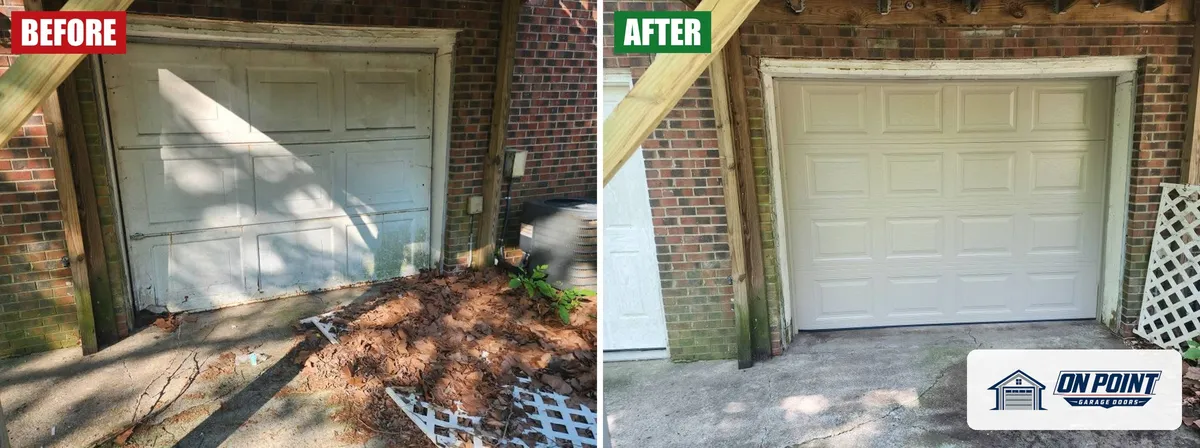
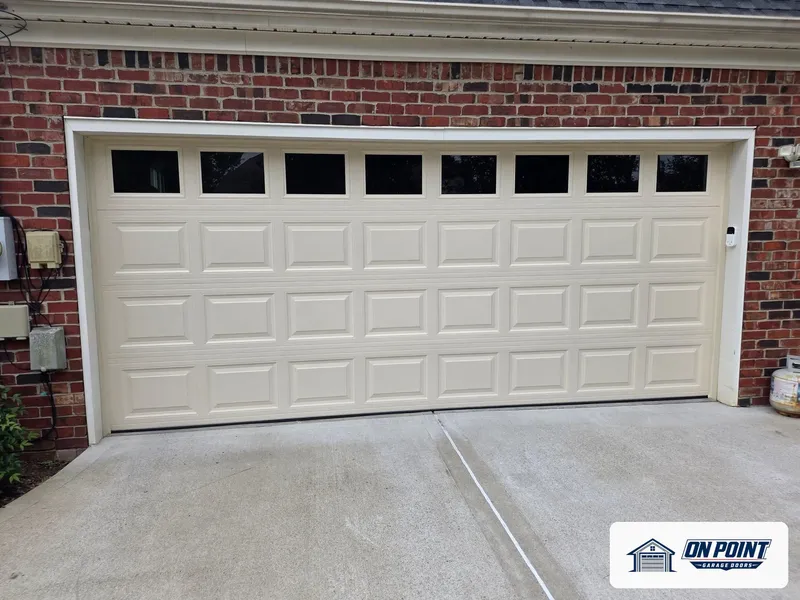
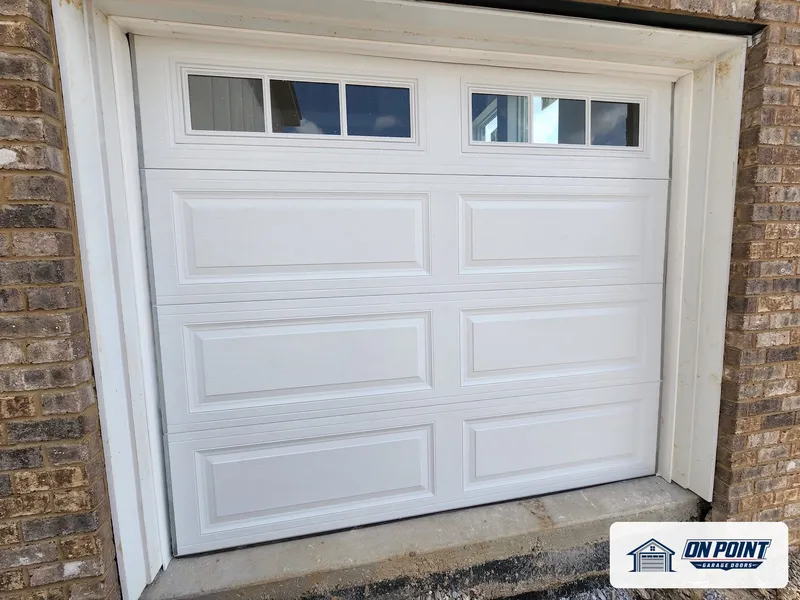
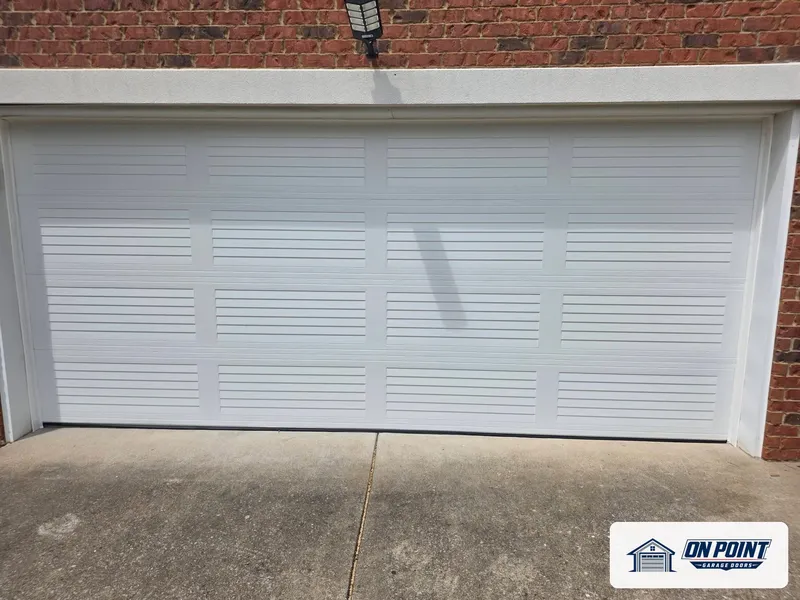
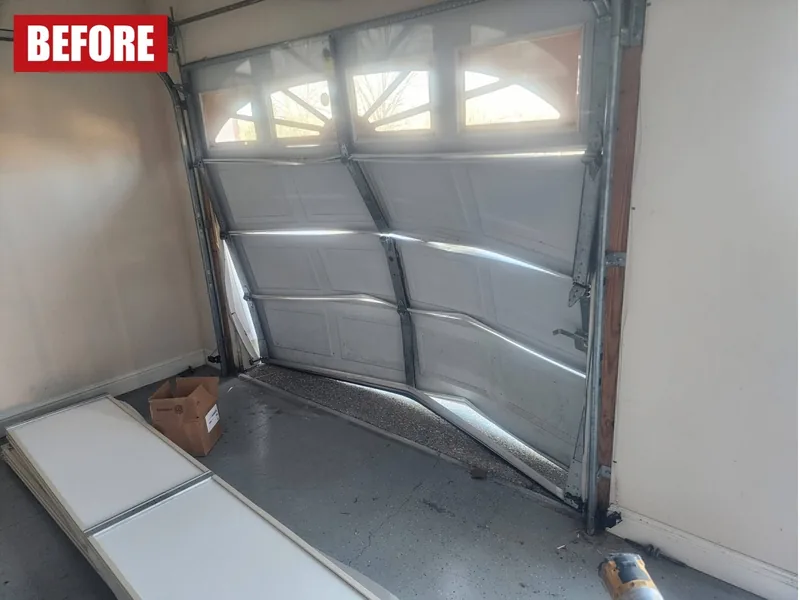
These photos are from our own jobs, with our logo on them.


Garage door repair in Levittown for the original capes and ranches and the many houses that have grown since: springs, cables, openers, off-track doors and new doors, with a free estimate before any work.
The neighborhood began as one of the first mass-built suburbs after the Second World War, and its houses came with small single-car garages. Few of those garages are still in their first form: owners have widened them, attached them to the house, turned them into living space or rebuilt them for two cars.
That variety is what a visit here usually meets: original detached garages with narrow doors, attached garages with wider openings cut in later, and doors that have been replaced two or three times, each with its own mix of springs and hardware.

Six kinds of work, listed below, with the common parts for doors like these carried to the visit.


Hicksville, Bethpage, East Meadow, Wantagh, Seaford, Bellmore, Merrick, and Farmingdale.
Town pages: Wantagh, Seaford, Massapequa.
Long Island weather works on a garage door from both directions. Winter brings ice in the tracks, weatherstripping that freezes to the floor, and road salt carried in on tires that settles at the bottom of the door. Summer humidity swells wood doors and the wood trim around older openings, so a door that ran freely in March can rub and stick by July. Rust shows first where snow piles against the bottom section and on the cable brackets.
Wherever you are in the neighborhood, the visit starts the same way: the whole door is looked at before anything is replaced.
Spring. Pollen, seed pods and blown debris collect in the tracks and on the photo eyes, and the bottom seal shows whatever damage the winter did. It is a good season to have the door looked over, because a problem found now can be fixed on your schedule.
Fall. Leaves pile against the door and get pulled into the tracks, where they make rollers bind. Seals that cracked over the summer let in cold air and water once the weather turns, and a tired spring is better found before the first freezing morning than on it.
Winter. Cold makes springs and cables work their hardest and turns plastic opener gears brittle. A door that suddenly feels heavy, or an opener that strains and stops partway, is the most common winter call, and the door should not be forced while it is in that state.
Many garage door calls in this area end up with a franchise call center that books a visit without knowing anything about the house. Here the call is about your door: what it is doing, what you heard and which opener you have. Doors here range from narrow original openings to wide doors added later.
Your description goes to the technician before the visit, so the problem does not have to be explained twice.
Landlords and property managers can book visits for rented houses, and the free estimate is written up the same way it is for an owner.
Calls from these streets are booked like every other call: the problem first, then a time that works for you.
Every neighborhood has its own pattern of garage door trouble. Here it comes from the age of the houses, the many rebuilt and widened garages, and four real seasons of weather. Those three things decide what gets checked first.
Parts on board. Springs, cables, rollers, photo eyes, opener boards and seals for the doors most common here travel with the technician, which is why many repairs are finished on the first visit.
Visits across the county. Our technicians work all over Nassau and the rest of Long Island.
No surprises. The estimate lists the repair the door needs, and nothing is added once the work starts.
Questions before the visit. When you call, you are asked what the door is doing, whether you heard a bang or a grinding noise, and which opener you have if its label is readable. Those answers tell the technician which parts to bring.
Openers from LiftMaster, Chamberlain, Genie, Craftsman, Linear and Wayne Dalton, and doors from Clopay, Amarr, Wayne Dalton and other makers. If your door or opener carries a name that is not here, call anyway: the parts that wear out are much the same from brand to brand.
Most garage door trouble here comes down to a handful of parts that do the heavy work every time the door moves.
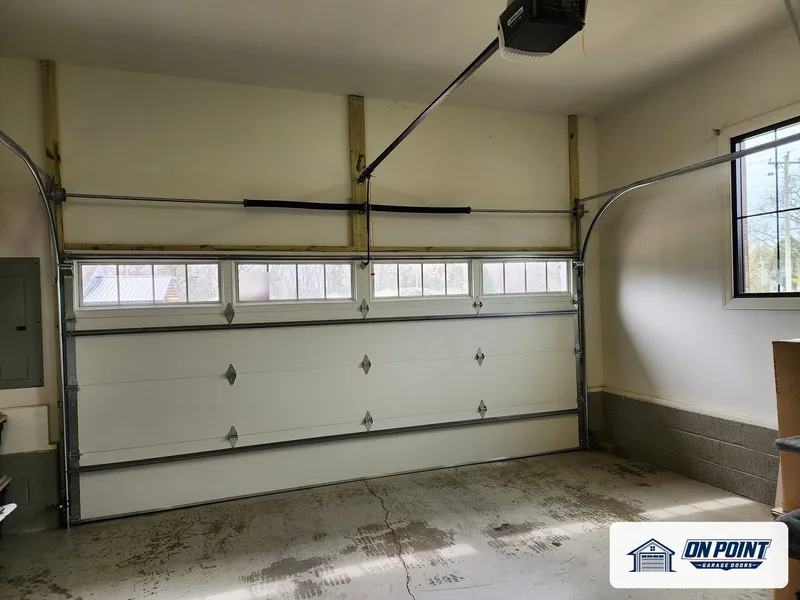
Torsion springs are the part replaced most. Each trip up and down uses up a little of a spring's life, so a door that opens many times a day reaches the end of its springs sooner, and springs near the salt air of the South Shore rust and weaken faster still. When one breaks, both are replaced as a matched pair.
Lift cables run from the bottom corners of the door up to drums on the spring shaft and carry the load while the door moves. They fray from rust and friction, and faster when the springs are the wrong size or only one side was ever repaired. Both cables are replaced together so the door lifts level; a cable replaced on one side only is a common reason for a door to come off its track later.
Photo-eye sensors are the usual reason an opener refuses to close the door. The two small eyes sit low on each side of the opening and have to face each other exactly, so sun, a cobweb, a bumped bracket or a box leaning against one is enough to stop the door.
A door comes off its track when a roller jumps out, usually after a car bumps the door, a cable snaps or one side lifts harder than the other. A door off its track can fall or tear the track from the wall, so it should not be run until it has been set back properly.
Opener motors last many years, and older chain-drive openers usually give a warning before they quit: a grinding sound that means the drive gear inside is wearing out. A new gear can buy more years; when the opener itself is worn out, a quieter belt drive or a wall-mounted unit can take its place.

Yes. Many older houses here still run on extension springs stretched along the tracks. They can be replaced with new extension springs, or the door can be converted to a torsion spring on a shaft above the opening. Either way, the springs on both sides are replaced together.
Yes. Garages that were widened for a bigger car or a second bay often need a door in a size nobody keeps in stock. The opening is measured on the visit and the door is ordered to fit it, with tracks, springs and an opener sized to match.
Tell us what the door is doing when you call. A car trapped inside, a door stuck open or a broken spring is booked ahead of routine work, and you hear the arrival window on the call.
Yes. The technician finds the cause, explains it and gives you a free estimate. Work only starts if you approve it.
Cash, the major credit cards, Venmo, Zelle and checks are all accepted, and nothing is due until the work is done and you are happy with it.
The spring that breaks in the morning. The opener lifts the door a little way, it shudders and drops back with a bang. That is almost always a broken torsion spring. Both springs are replaced as a pair, the door is balanced, and the safety reverse is tested before the car comes out.
The door that reverses before it closes. The door comes down, stops just short of the floor and goes back up. Usually one photo eye has been knocked out of line by a ball, a bicycle or a trash can. The technician sets the eye back, secures its bracket and runs the door until it closes every time.
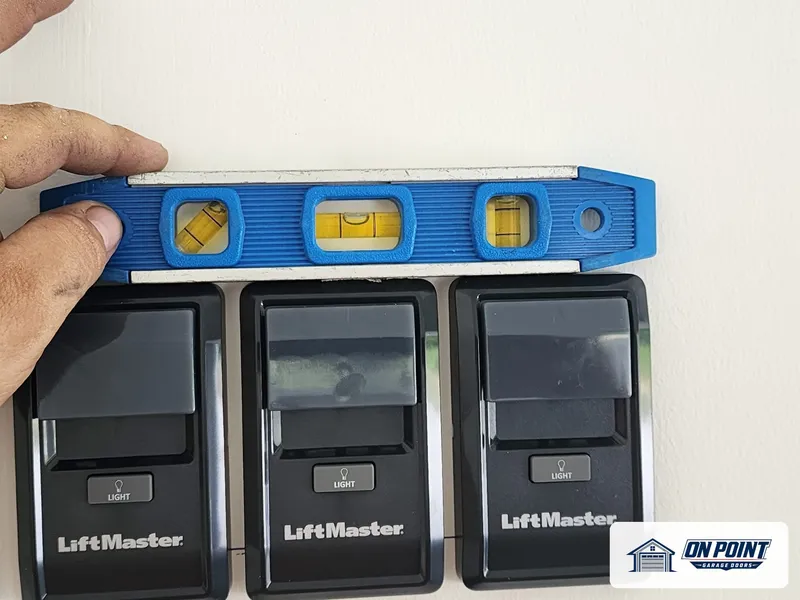
An old opener that skips. An opener that has worked for many years starts stopping halfway or ignoring the remote. The technician checks the board, the motor and the rail, then lays out both options: a repair, or a new opener when the old one is near the end. The choice is yours.
A new door for a rebuilt garage. When a garage has been rebuilt or extended, the opening is measured, an insulated steel door is ordered to fit, and the tracks, springs and opener are installed and set to the new door's weight.
Once a year suits most houses; doors that run many times a day, like those on businesses, do better with two visits a year. A service visit finds worn rollers, tired springs, loose hinges and tracks out of line before they fail.
Yes. Remotes, keypads and the opener buttons built into many cars can all be set up on a visit, for most opener brands. The estimate is free, and what the visit covers depends on the opener and how many remotes you have.
Leave the door where it is and do not run the opener: without the spring it is trying to lift the whole weight of the door, which can strip its gears or bend the rail. If a car is trapped inside, say so when you call, because that visit is booked first. Lifting the door by hand is unsafe, since the cables no longer guide it and a section can drop.
Most of the time it is a photo eye: a leaf, a web, low sun or one eye bumped out of line. The technician cleans and sets the eyes, tests the door, and if the eyes are fine, checks the opener's close-force setting next.
One call books the visit. You get an arrival window and a call from the technician before they set off, and nobody tries to diagnose a door over the phone without seeing it.
Free estimate on every visit across Nassau and the rest of Long Island.
Tell us what the door is doing and you get an arrival window you can plan around. The visit and the estimate are free.
Easier to explain by phone? Call (929) 429-2429.
Tell us what the door is doing. The estimate is free either way.
The original capes and ranches here have been through two or three garage doors since they were built, and the one on the house now is often an older steel sectional at the end of its life: a rusted bottom section, hinges worn oval and a spring that has been replaced once already. Replacement makes sense when the sections themselves have failed; a spring, a cable or an opener does not need a new door. You hear which on the visit, and if a new door is the answer, it is measured to fit the original opening, insulated if you want, and installed and balanced with care. Free estimate, no pressure either way.