Serving Brooklyn, Queens and Long Island(929) 429-2429Open six days a weekFree estimateGuaranteed work
On Point Garage Doors
Open 24 hours Sun-Thu, Fri until 5 pm Free estimate Springs, openers, cables We come to you
Emergency?Call nowBook free estimate
Low streets by Jamaica Bay

Howard Beach Garage Door Repair

Free estimateSame-day serviceCommon parts on board
  • Free estimate
  • Same-day service
  • Common parts on board
Emergency garage door repair★★★★★ 5.0 on Google · 42 reviews

Book your free estimate

Takes 30 seconds. We call you back to set a time.

Or just call (929) 429-2429 and talk it through.

Home › Howard Beach Garage Door Repair

Real jobs. Real photos.

These photos are from our own jobs, with our logo on them.

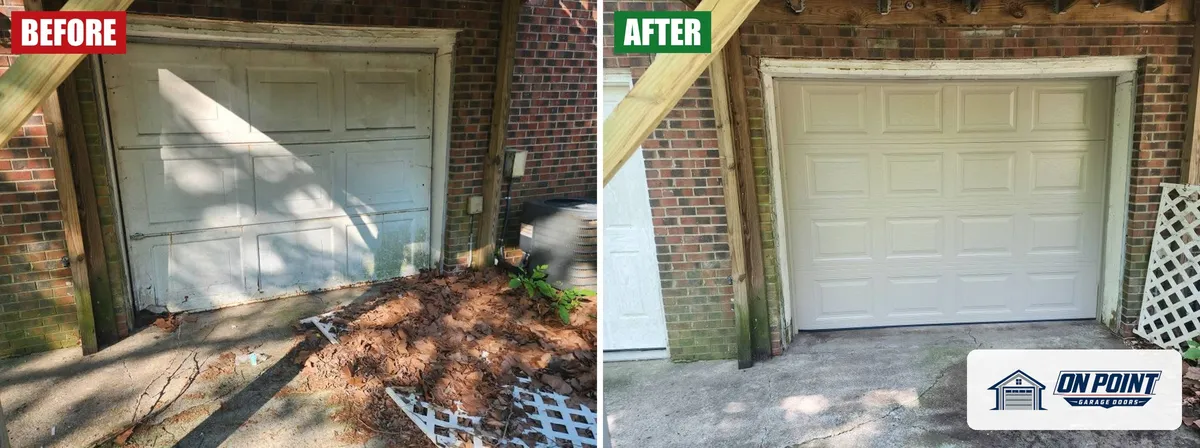
Old door out, new door in: before and after photo from one of our jobs
Old door out, new door in
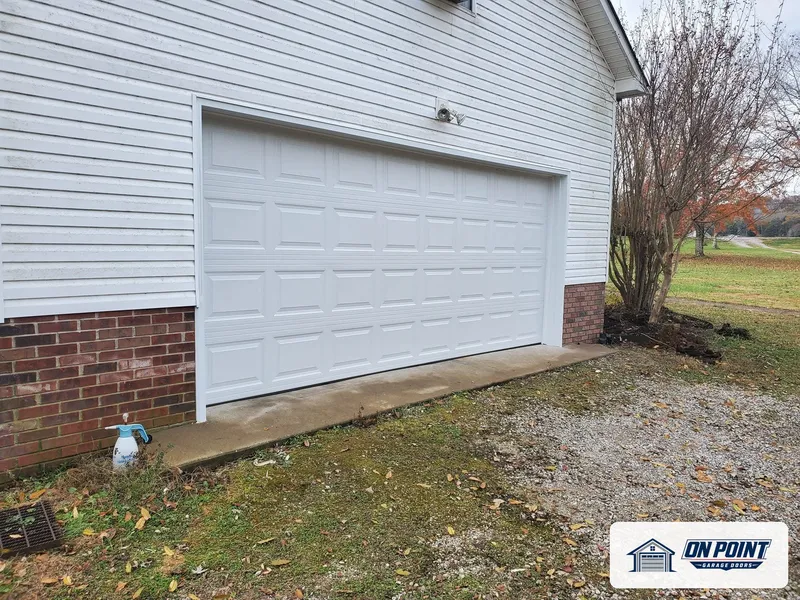
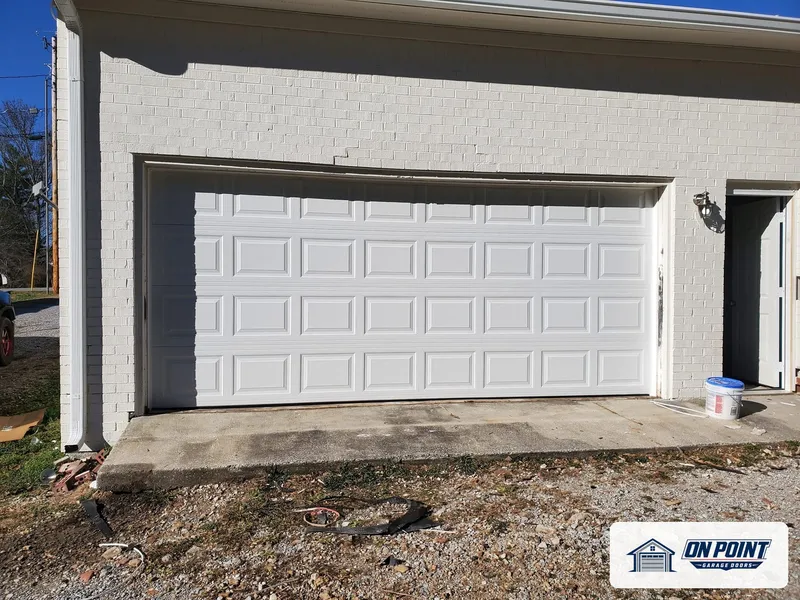
New white door, photo from one of our jobs
New white door
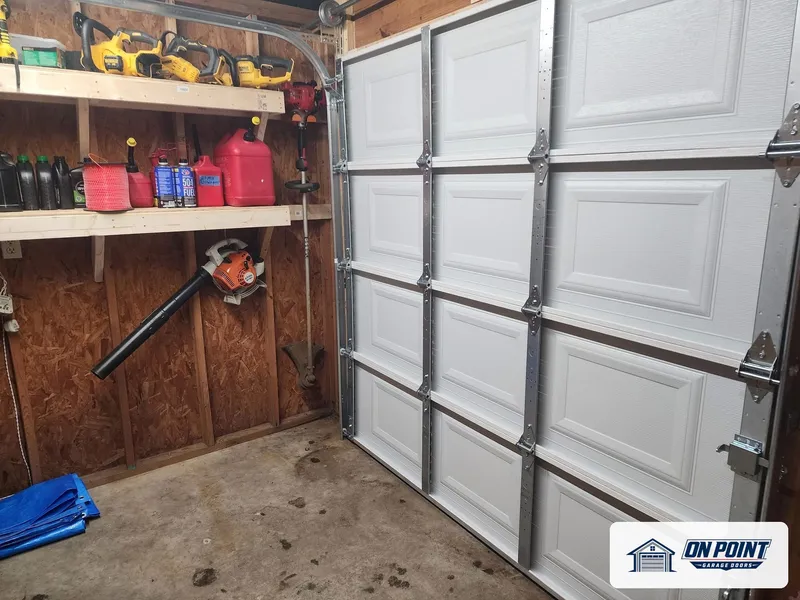
New door, inside view, photo from one of our jobs
New door, inside view

Garage door repair in Howard Beach for the attached garages on these low streets by the bay: springs, cables, rusted bottom hardware, openers and new doors. Free estimate first.

Doors that have seen water

Streets here sit low next to Jamaica Bay, and many garages have taken on water in big storms. Salt water rusts the bottom of a door first: the bottom brackets, the cable ends, the lowest rollers and the opener's floor-level safety eyes.

Even a door that never flooded breathes salt air every day, and over the years that shows up as rust on springs, hinges and track bolts. A door here is worth a closer look than a door far from the water.

A door that looks fine from the street can hide rust at the bottom bracket, where the cable hooks on. That bracket holds the spring's full pull, so it gets a close look on every door near the bay.

When rust is found at the bottom bracket, the door is secured before anything is removed from it, because that part holds the spring's tension.

Many homes are raised ranches with the garage at street level under the living room, so a loud opener carries straight up into the house.

Raised ranches also mean the opener rail runs right under a bedroom or living room, so a smooth, quiet opener makes a real difference.

Openers and sensors mounted low can be damaged by flooding even when the door itself survived. After a storm, the safety eyes and wiring are the first things checked.

Wiring for the opener and sensors that sat in water is checked end to end, not just at the sensor, because a damaged wire can make a door behave strangely long after the water is gone.

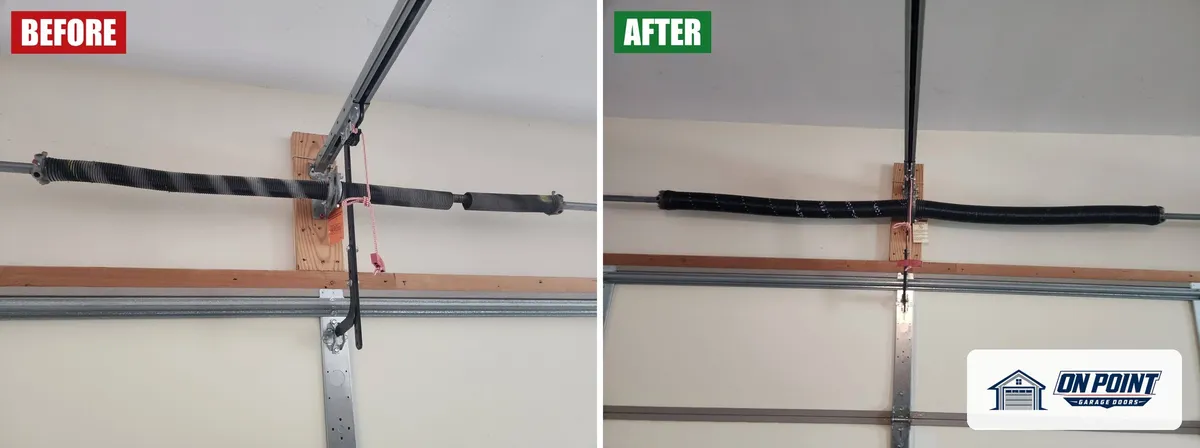
Broken garage door spring and the new spring: before and after, an On Point Garage Doors job

Repairs on bay-side garages

The repairs below are the ones we do most on these streets, and each starts with the door being looked over before any estimate.

Cross Bay Boulevard carries the shops and restaurants, the train to the airport stops at the station on the north side, and the oldest blocks along the creeks and basins sit lowest of all.

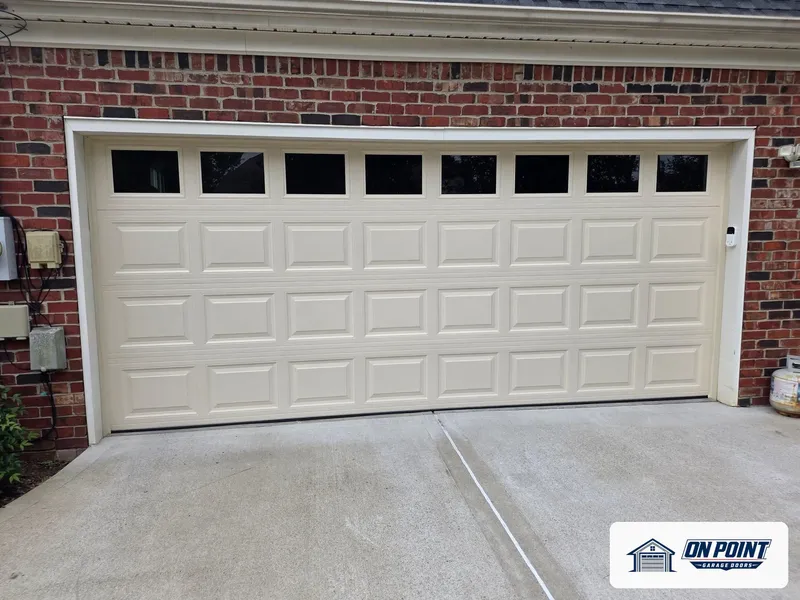
On Point Garage Doors job photo: new double garage door window row
On Point Garage Doors job photo: new double garage door white wall
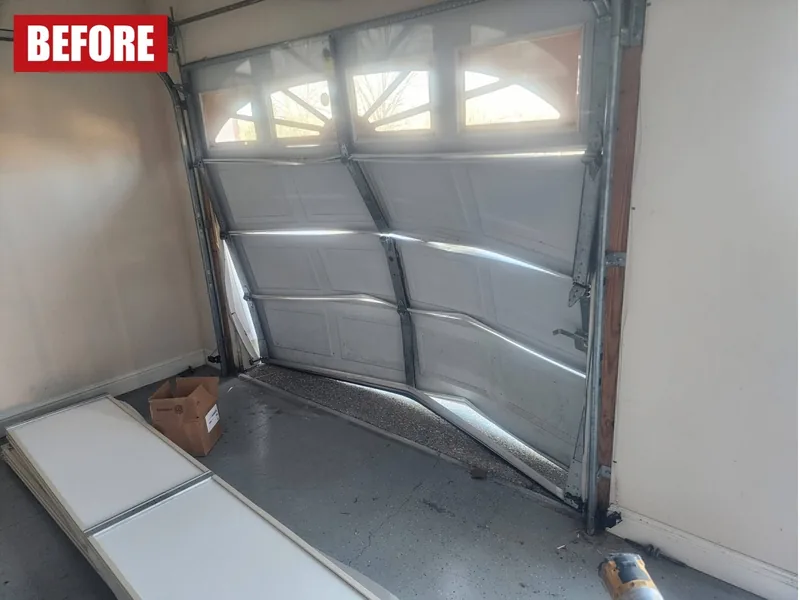
Caved-in garage door panels before On Point Garage Doors replaced the door

Trouble by kind of door

Rusted bottom hardware. Corroded brackets and cable ends are changed before they give way, since they hold the spring's full tension.

Galvanized and coated hardware holds up better near salt water, and it is used where the old part rusted out.

Springs. Salt air off the bay shortens their life. A door that has turned heavy or lifts crooked usually has a tired spring.

Springs with a protective coating last longer in salt air, and they are one of the options when a spring is replaced.

Openers under the living room. A worn chain or an old motor shakes the rooms above, and a quiet belt drive is often the answer.

A wall-mounted opener sits beside the door instead of on the ceiling, which can also keep it higher above any water that gets in.

Bottom seals. Seals that have dried out or been chewed by water let rain and debris under the door, and a new seal closes the gap.

A good bottom seal and side seals also help keep wind-driven rain out of the garage during storms.

A door that has been hit or flooded should stay as it is until it has been checked.

From the bay across the rest of our area

Our crews work across Queens and Brooklyn and out on Long Island, for homes and for businesses.

What you tell us when you call goes to the technician before he arrives.

A door that will not close ahead of a storm, or a car stuck inside, goes ahead of routine work. Say so when you call.

The year on Jamaica Bay

Winter. Cold stiffens springs, and wind off the bay leans on the door and its tracks.

Spring. After a wet winter, rust shows at the foot of the door, and that is the time for a check.

Summer. Storm season is when the door has to close all the way and seal at the bottom.

Fall. Before the cold arrives, springs, cables and the safety reverse are checked so a weak part is found early.

When the technician gets to the garage

He looks over the whole door first, the springs, cables, rollers, track and opener, before saying anything about the repair.

He tells you what is wrong in plain words and gives you a free estimate. Nothing starts until you agree.

The work is done with parts matched to your door, with galvanized hardware where it matters. The common parts ride along in his truck.

Hardware that has stood in salt water is replaced, not cleaned, because rust inside a part does not show from outside.

Before he leaves, the opener's safety reverse is tested.

Old parts leave with him, and the garage is left clean.

Last, the door runs its full travel and the seal is checked along the floor.

Why a crew that knows the bay helps

A garage under the house is often the main way in and out, so the visit is planned to keep the door out of use as little as possible.

Before storm season, a check makes sure the door closes fully and holds against wind, so it can do its job when it matters.

The estimate comes first; the decision stays with you.

What salt water wears out first

A few parts carry the load on any door, and near salt water those parts rust first. Catching them early keeps the repair small.

The springs hold the door's weight. When one breaks, the door is too heavy to lift safely, so leave it down.

Coated springs are an option where the bay air wore out the old ones early.

Cables rust at the ends near the floor and fray along the drum. They are replaced in pairs.

Cables near the floor are checked for rust where they hook the bottom bracket.

Safety eyes sit low and are the first thing water reaches. A door that will not close after a storm often has wet or damaged sensors.

Tracks rust at the base and bend when a car hits them. A door in a bent track can jam, so it stays put until the track is set right.

Track sections that have rusted through at the bottom are replaced so the door runs smoothly again.

Openers that have taken on water can fail without warning. If yours is past saving, you hear the choices for a new one.

A battery backup keeps the door working when a storm takes out the power by the bay.

Setting up a visit

Call and tell us about the door and whether water has reached it. That is enough for him to bring the right parts.

The estimate is free, here and across the rest of our area.

Getting the door back in use

Tell us about the door and pick a time that fits your day. The estimate is free.

Call us at (929) 429-2429.

A free estimate for garages by the bay

Say what the door does when it runs; the estimate is free whatever you decide.

Or just call (929) 429-2429 and talk it through.

More repairs