Serving Brooklyn, Queens and Long Island(929) 429-2429Open six days a weekFree estimateGuaranteed work
On Point Garage Doors
Open 24 hours Sun-Thu, Fri until 5 pm Free estimate Springs, openers, cables We come to you
Emergency?Call nowBook free estimate
Brick homes with garages below, near the bay

Canarsie Garage Door Repair

Free estimateSame-day serviceCommon parts on board
  • Free estimate
  • Same-day service
  • Common parts on board
Emergency garage door repair★★★★★ 5.0 on Google · 42 reviews

Book your free estimate

Takes 30 seconds. We call you back to set a time.

Or just call (929) 429-2429 and talk it through.

Home › Canarsie Garage Door Repair

Real jobs. Real photos.

These photos are from our own jobs, with our logo on them.

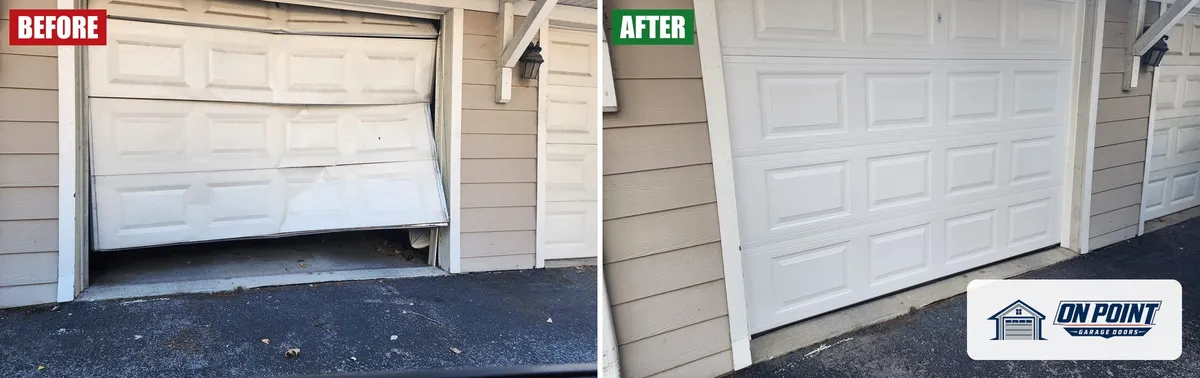
Old door out, new door in: before and after photo from one of our jobs
Old door out, new door in
New door with windows, photo from one of our jobs
New door with windows
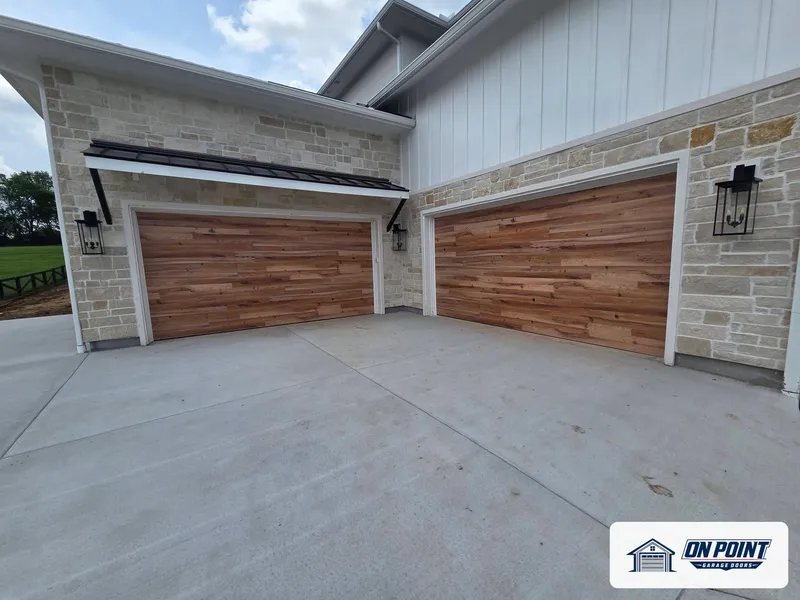
Two new wood-look doors, photo from one of our jobs
Two new wood-look doors

Garage door repair for brick homes with the garage at street level below the living room, two-family houses sharing one garage, the blocks nearest the bay that took water in past storms, and the stores on the main avenues. A free estimate is written before any work.

A garage below nearly every brick house

Block after block, the brick homes here have a garage at street level with the living space above and a short, steep driveway dropping down to the door.

Rain and melting snow run straight down that slope, so the bottom panel, the seal and the track feet take a beating.

White and almond doors brighten the brick fronts.

In a two-family house the garage is often split between the owner and the tenant, so the one door makes twice the trips it would for a single family.

Springs on those doors run out much sooner than on a single-family garage.

The streets nearest the water took on floodwater in past storms, and many garages there were rebuilt or still carry rust hidden in the hardware.

Rust on the cables and bottom fixtures is the first thing checked on those blocks.

Weekend visitors to the pier and the parks fill the side streets, and driveways get blocked or clipped.

Stores along the main avenues pull their roll-down gates every night, and a gate that will not drop leaves the owner standing on the sidewalk with the stock exposed.

Those calls get moved up.

Some homes raised or rebuilt after storms have new framing around an older door, which is checked for square.

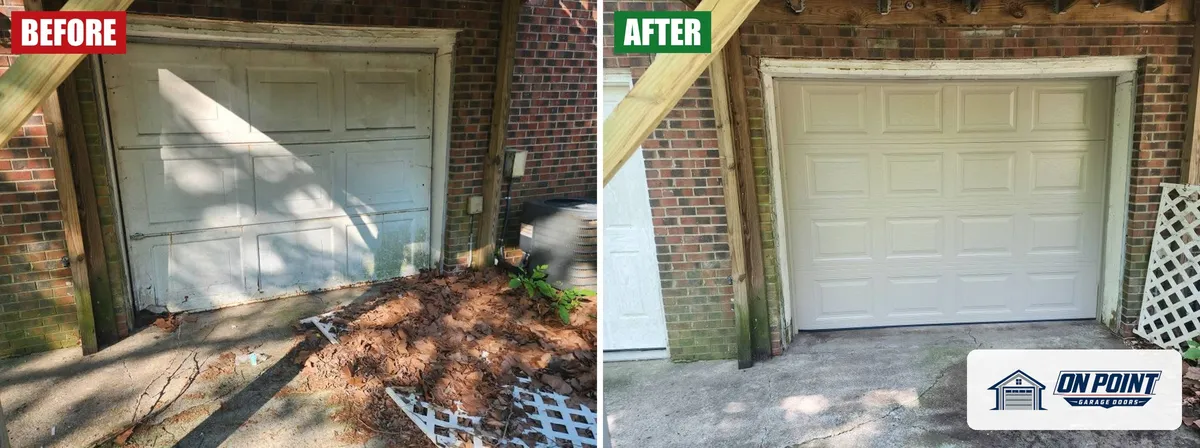
Bent garage door replaced: before and after, an On Point Garage Doors job

Doors we see most on blocks by the water

Under the house, shared by two households or rolled down over a shop window, each door gets run and inspected before the estimate is written out.

On blocks that took water in past storms, owners often replace the bottom section or the whole door once rust has spread, and new doors get rust-resistant hardware.

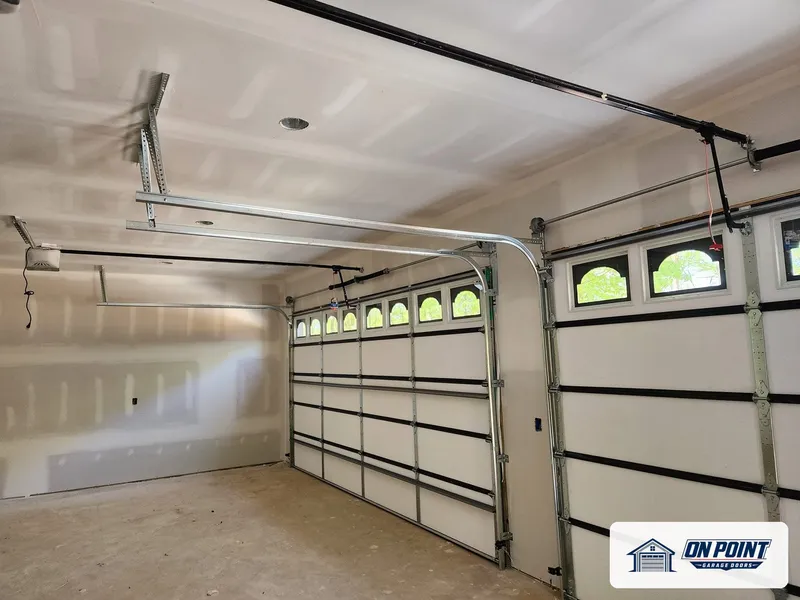
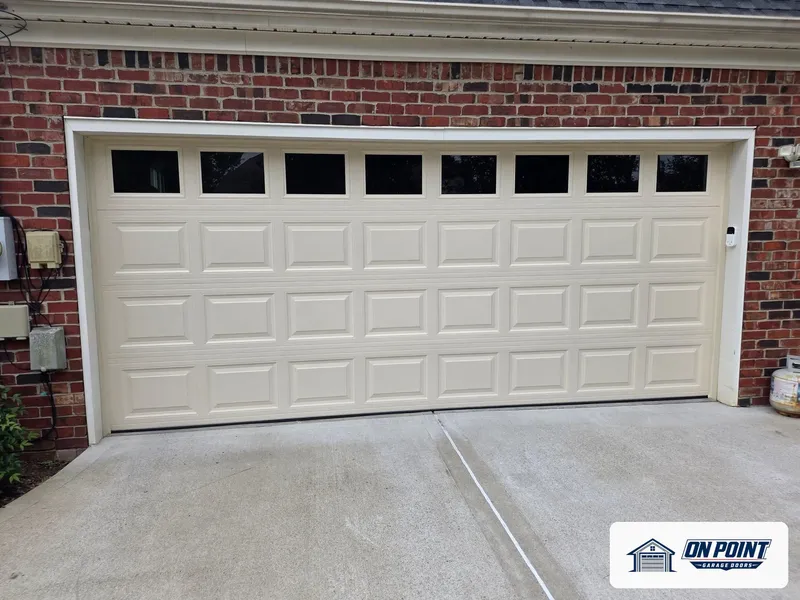
On Point Garage Doors job photo: new double garage door white wall
New double garage door with a row of windows, installed by On Point Garage Doors
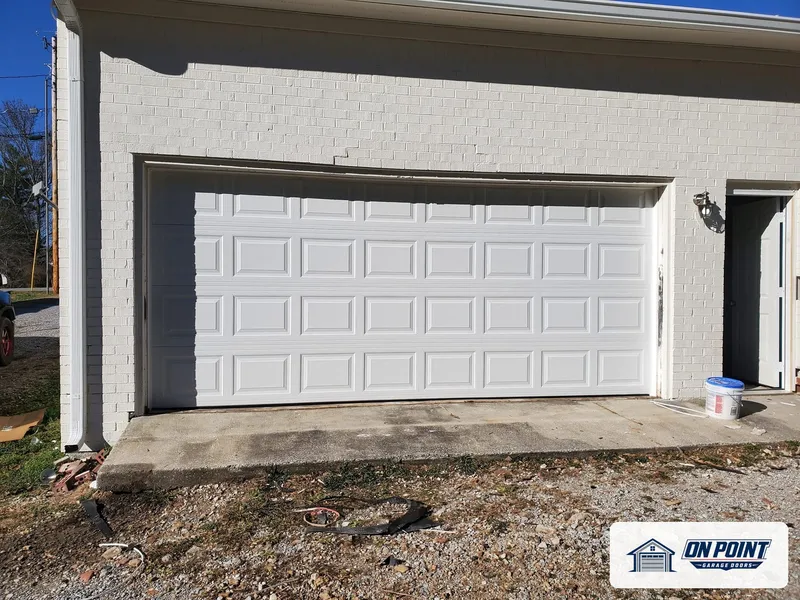
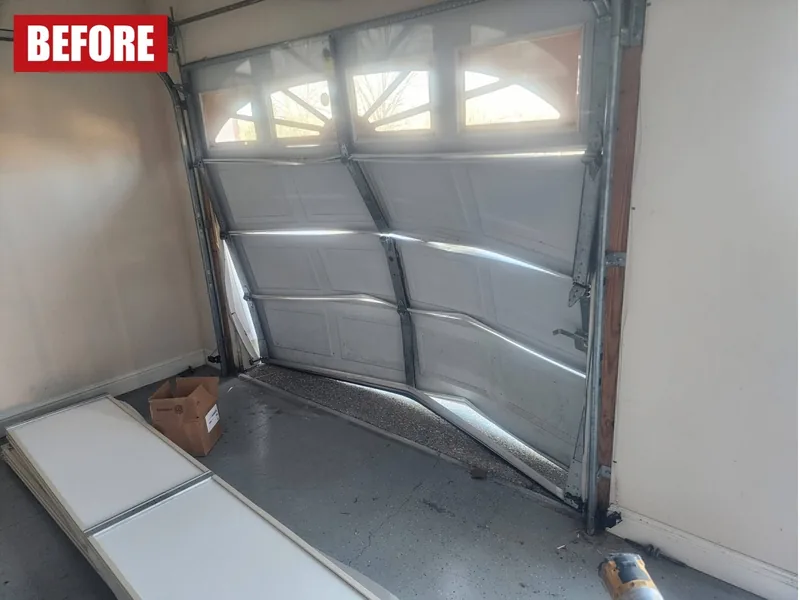
Caved-in garage door panels before On Point Garage Doors replaced the door

Trouble by type of garage here

Garages under the house. Springs that snapped, rollers that rumble and openers that shake the floor above.

A belt drive and sealed rollers make the living room quiet again.

Weak springs make a door feel heavy, and they get checked with the opener disconnected before any opener part is suspected.

Sloped driveways. Water damage at the bottom panel and a seal torn by ice.

A taller bottom seal and new track feet keep the water outside.

Shared doors. Openers and springs worn out by two households.

Heavier springs rated for more trips go on.

Avenue gates. Slats, locks, bottom bars and motors.

Gates that are still lifted by hand can be given a motor, with a lock that matches how the shop closes up.

An insulated door under the living room keeps the floor warmer in winter.

A car that rolled into the door on the slope means the door stays shut and the opener stays off until a technician sees it.

Coming down a steep driveway a bumper can push the bottom section in, so the panel, the hinges and both tracks are checked before the door runs.

Covering the bay blocks and beyond

The brick blocks near the water and the shops on the avenues are part of our usual Brooklyn rounds, and we also work across Queens and Long Island.

Telling us about the slope, a tenant or a shop gate on the call means the truck carries the right parts.

A car stuck below the house on a workday morning moves your visit up.

Seasons by Jamaica Bay

Winter. Damp cold off the bay snaps springs that rust has already thinned.

Meltwater that freezes again at the foot of the slope can lock the door to the ground; leave it to thaw rather than running the opener.

Spring. Heavy rain sends water down the driveway and under worn seals.

Summer. Salt and sun dry out the rubber along the bottom of the door.

Fall. Storm season is the time to check the seal, the springs and the battery backup.

On arrival at the garage

First he cycles the door on the opener, then disconnects it to judge the springs by hand, and after that checks the cables, rollers, track, bottom seal and the opener itself.

He walks you through what has worn, and the free estimate breaks the work into parts so it is clear what is needed and what can wait.

Springs are sized to the door's weight and to how many trips it makes, which on a shared two-family garage is a lot more than on a single-family one.

The common sizes ride along in his truck.

To finish, the door is closed onto a board on the floor, and you watch the opener sense it and reverse.

Worn parts leave with him.

You see it open, close and meet the slab cleanly a few times before he goes.

Why it helps that we work these blocks often

Shop gates on the avenue can be worked on before the store opens for the day.

A call comes as he nears the block, giving time to clear the driveway.

You say yes before any part is changed.

Weak points on doors near the bay

Water running down short driveways and doors shared by two households are what wear things out here.

A snapped spring leaves the door's full weight hanging, so keep it closed and keep back.

Springs near the bay rust between the coils and are checked every year.

Lift cables corrode where water gathers in the lower corners, and they are always changed as a matched pair so the door stays level.

The bottom fixtures that hold them are swapped if they are rusted thin.

Photo eyes on a sloped driveway are set high on the jamb, above where water and ice collect at the foot of the door.

The bottom of the track rots out first in wet garages and is replaced.

Track brackets pulling out of crumbling brick are set again into solid masonry so the rails stop trembling.

Before an opener part is ordered, the motor is run on its own with the door disconnected.

Battery backup is worth having on the streets near the water.

Getting a technician out

Say if the garage is under the house, if a tenant shares it, and what the door does when you run it.

Every estimate is free.

Questions from the blocks by the bay

Water came into our garage in the big storm years back. Could the door still be hiding damage?

It can. Floodwater with salt in it eats at the parts closest to the floor, and the damage is often out of sight: the brackets that hold the cables at the bottom corners, the lowest hinges, the feet of the track and the wiring near the opener's wall control. The technician opens up those spots, shows you any steel that has gone thin, and renews it.

Water runs down our steep driveway straight into the garage door. What can be done at the door itself?

A taller, heavier bottom seal that presses tight to the slab keeps most of the water out, and rusted bottom brackets and track feet are renewed with galvanized parts where they fit. If the lowest section has rusted through, it can often be changed on its own. The drain at the foot of the drive is a job for a plumber, and we say so.

Our tenant and we both use the garage. Does a shared door need different parts?

It usually needs tougher ones. A door making twice the trips wears out standard springs, rollers and opener gears far sooner. Longer-life springs, sealed-bearing nylon rollers and a sturdy belt drive suit a shared garage, and each household can have its own remotes and keypad code, cleared when a tenant moves out.

Is a battery backup on the opener worth it near the water?

On these blocks it often is. Storms off the bay knock the power out, and on a garage under the house the door may be the main way in and out with a car. A battery backup runs the opener for a number of trips during an outage, and the technician shows you how to tell when the battery itself needs renewing.

The gate on our shop on the avenue drops too hard and scrapes in its guides. What is going on?

A gate that slams or drags usually has a spring in the barrel that has lost tension, bent slats catching in the guides, or worn ends on the bottom bar. Salt air near the bay speeds up the rust on all of them. The technician checks the spring, the curtain, the guides and the lock together and resets the tension so the gate runs smoothly.

A dry, working garage again

Tell us how the door or gate is acting and pick a time that works for the house or the shop; the estimate is free.

Call us at (929) 429-2429.

A free estimate for garages under brick homes, shared garages and avenue gates

Describe the door and the garage it sits in, and we come back with a free estimate whatever you choose.

Or just call (929) 429-2429 and talk it through.

More repairs