Takes 30 seconds. We call you back to set a time.
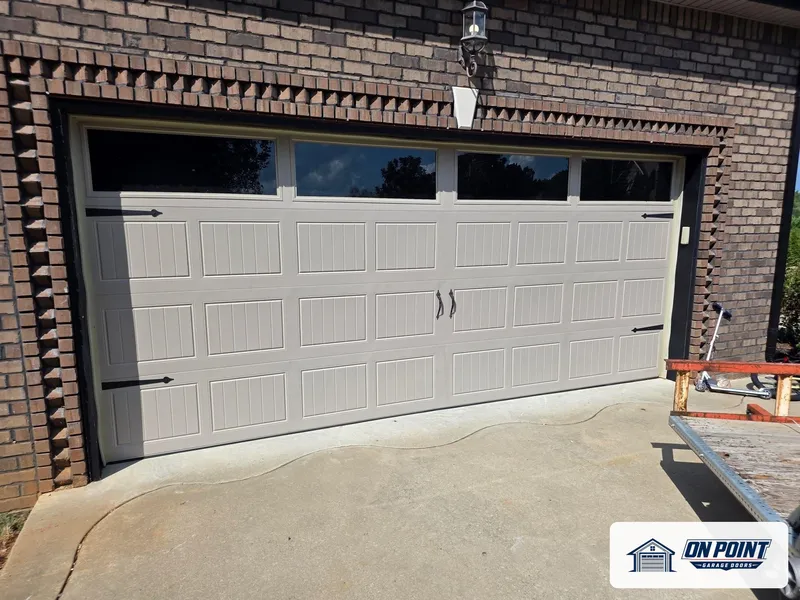
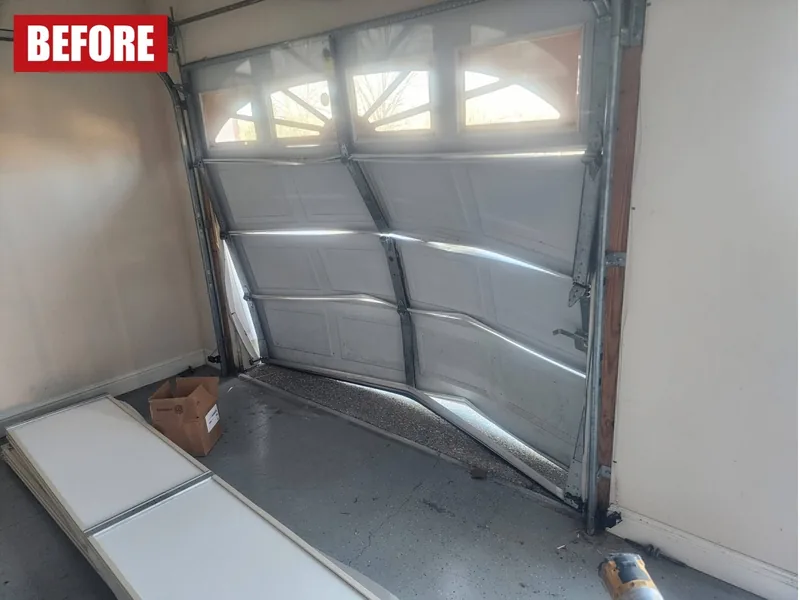
These photos are from our own jobs, with our logo on them.


Garage door repair in Huntington for the older colonials and Victorians on the village streets, the hillside homes with garages below the house, the houses near the harbor, and the shops and restaurants downtown. Free estimate first.
The hills around the village and the harbor mean many homes have a garage set into the slope, under the house, reached by a steep driveway.
Downtown, Main Street and New York Avenue meet in a walkable center of shops, restaurants and the old theater, with the park and its pond a short walk away.
The streets around that center fill on weekend evenings, and parking near the old garages out back gets tight.
North of the village the land drops to the harbor and the bay, where marinas and boat yards line the shore and salt air reaches the garages on the lower roads.
Steep driveways send water at the door, and a car coming down at an angle can clip a track.
Dark carriage doors with black hardware suit the older colonials and Victorians on the village streets.
Many older houses near the center have a detached garage at the far end of a deep, narrow lot, reached by a driveway shared down the side.
Those garages have old framing and sometimes wood doors that have swollen and sagged over the years.
Homes near the harbor get salt air and wind off the water, which rusts springs, cables and track bolts faster.
Rust-resistant hardware is recommended there.
Downtown fills with diners and theatergoers in the evening, and delivery trucks block alleys behind the shops.
Restaurants and shops downtown use rolling gates and service doors at the back for deliveries.
A downtown gate that will not lock when the restaurant closes moves to the front of our list.
Some hillside garages are so tucked under the house that the opener has very little headroom.

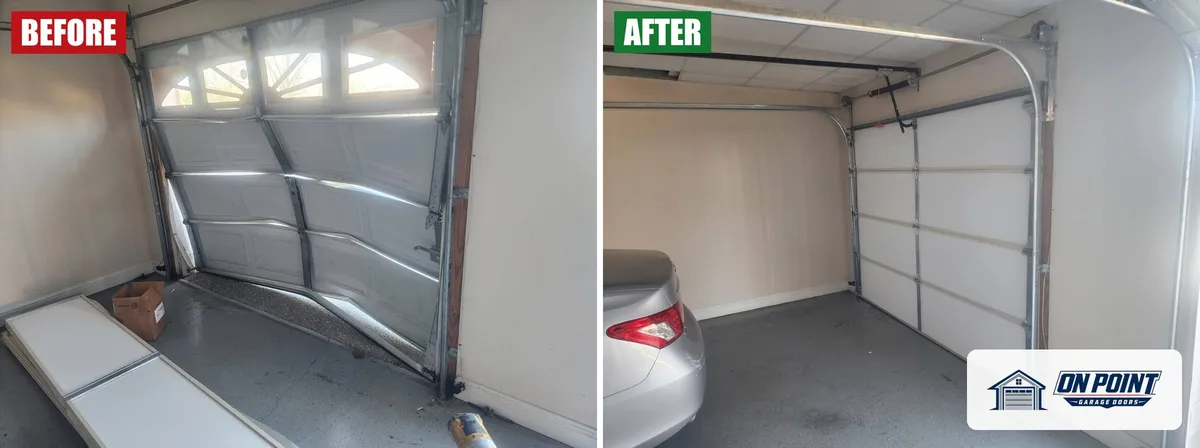
A garage under a house on the hill, an old garage out back or a gate downtown, each door is seen before anything is estimated.
Owners of the old village houses often want a door that looks original, and carriage designs with real-looking hardware give that look on a modern, insulated door.


Hillside garages. Doors that take water from steep driveways, with rusted bottoms and torn seals.
Taller bottom seals and new lower sections keep the water out of garages at the foot of steep driveways.
If the opener struggles with a heavy wood door, the springs are tested first, before the opener gets the blame.
Detached garages. Swollen wood doors, sagging headers and rotted jambs.
The frame is repaired first, and only then does a lighter door or new hardware go in.
Harbor-side homes. Springs, cables and fasteners attacked by salt air.
Coated and galvanized parts last much longer.
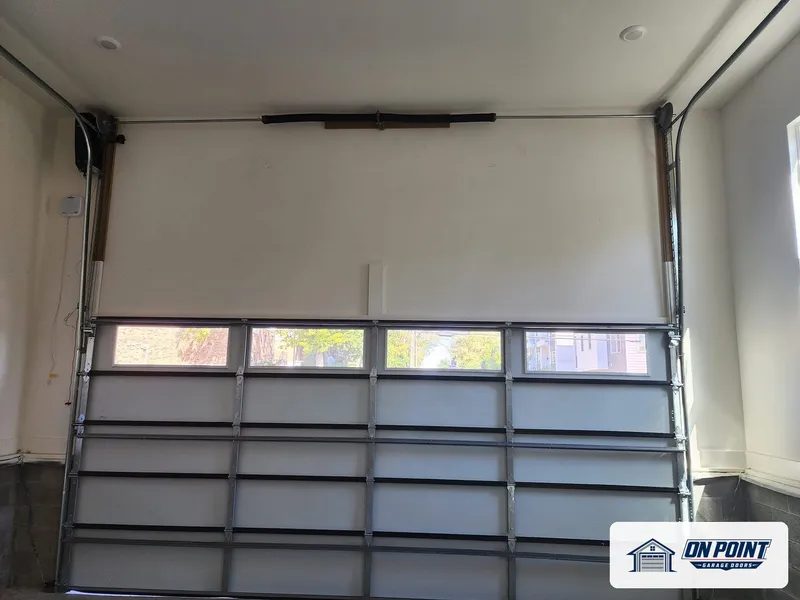
Where the garage is squeezed under the house, low-headroom track lets the door open without hitting the floor joists.
Shop gates and back doors in the village. Slats, springs, locks and motors on gates that open and close every day.
Behind the shops, guides get bent by delivery carts and hand trucks, so they are checked on every service door.
An insulated door stops a garage tucked under the house from chilling the bedrooms above it.
A door that has been struck by a car should stay put until a technician has seen it.
Cars coming down a steep drive into a short garage tend to nudge the bottom section, which bends its edge and cracks the lowest hinges.
Our crews work throughout Suffolk and Nassau, plus Queens and Brooklyn.
Everything you mention about the slope, the lot or the shop goes into the technician's notes.
A car shut in a garage at the bottom of a hill moves ahead of routine work.
After a storm off the harbor, a door bent or jammed by wind is planned around when you reach us.
Winter. Ice on steep driveways and wind off the water make winter hard on doors and springs.
At the bottom of a steep driveway, ice builds up against the door and can glue it to the ground until the sun gets to it.
Spring. Runoff from the hills rushes toward garages set into the slope.
Summer. Humidity swells wood doors in old detached garages.
A swollen wood door rubs the jambs and strains the opener, so the springs and the clearance are checked together.
Fall. Leaves off the wooded hills drift into tracks and along the seals, and a checkup before winter clears them away.
He runs the door several times, then goes over the frame, springs, cables, rollers, track, seals and opener.
He tells you in plain words what is wrong and writes a free estimate part by part.
Parts are matched to the door's true weight, and rust-resistant hardware is offered for garages close to the harbor.
The springs and cables most doors around the harbor take ride along with him.
Before he goes, he lowers the door onto an object in its path to show it reverses.
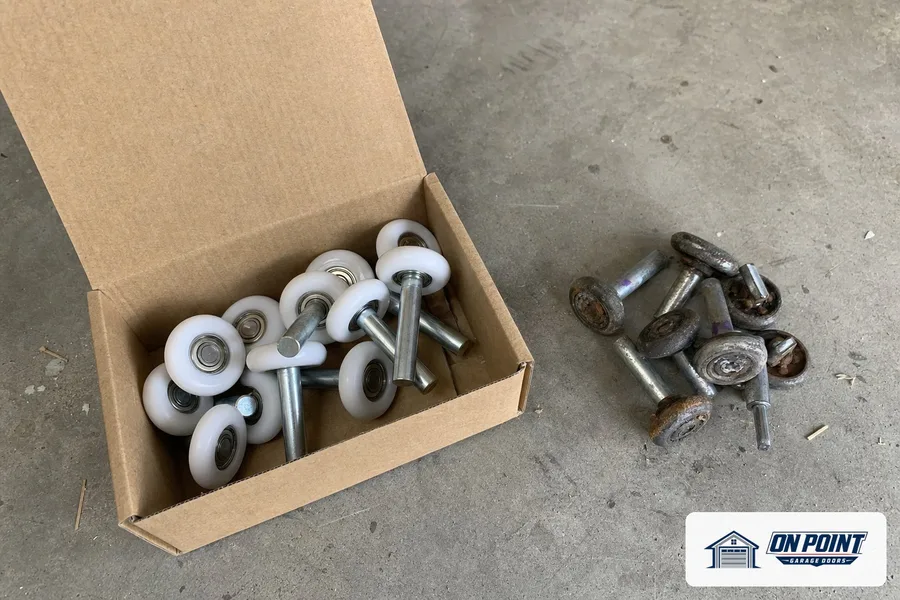
Old parts, and old doors when a door is replaced, go away with him.
You watch the door run several times before he packs up.
Shops in the village can be visited before the lunch crowd arrives.
He calls before arriving.
The decision is yours.
Slopes, salt and old framing decide what wears first here.
Once a spring breaks, the door is dead weight; leave it shut and call us.
Rust crusting the coils near the harbor means the spring is near its end.
Cables rust at the bottom where water collects, so both sides are renewed.
Drums are replaced when worn.
Sensors on sloped driveways are mounted where runoff will not reach them.
Tracks clipped by cars coming down steep driveways are straightened or replaced.
Brackets loose in old framing are set back into solid wood.
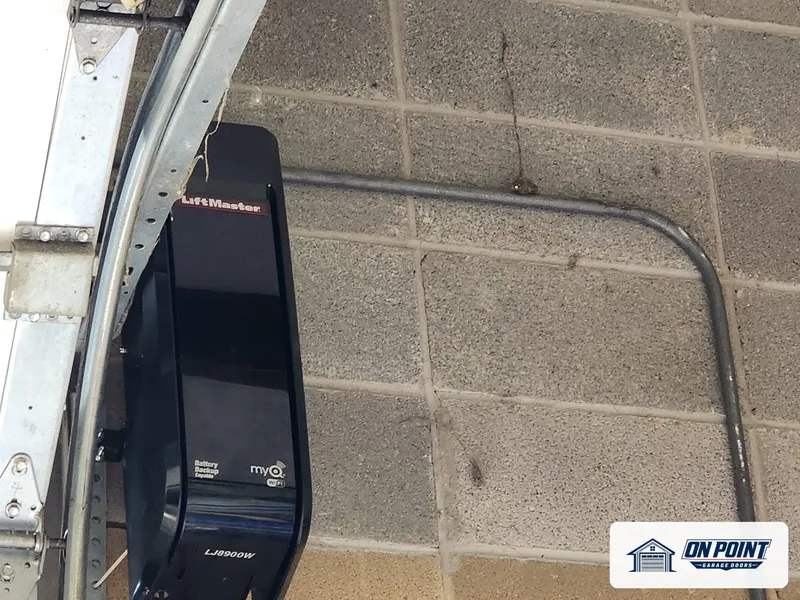
The opener is tried with the door unhooked, so only a failed gear or board gets changed.
Wall-mounted openers suit garages set into the slope with low ceilings.
Tell us if the garage is under the house, out back at the end of the lot or near the water.
Every estimate is free.
A taller bottom seal in a new retainer, a fresh lower section if the old one has rusted or rotted, and side seals that meet the jambs. Water running down the drive still needs somewhere to go, so the technician will point out whether a drain at the apron would help.
The frame comes first. A sagging header or rotted jambs will bend a new track and bind the door, so those are repaired before the door is hung. Once the opening is sound, a lighter insulated door or new hardware on the old door both work well.
Yes. Carriage-style doors with dark hardware give the old look on an insulated steel or composite door that is far lighter than solid wood. The technician brings samples to the estimate, and the window pattern and color are chosen to suit the house.
We do. The gates and service doors behind the shops open and close every day and take knocks from carts and hand trucks. Slats, springs, locks, guides and motors are all serviced, and visits are planned around deliveries and the dinner crowd.
The harbor air is hard on bare steel. When parts are due on a door near the water, the technician offers galvanized springs and brackets, cables with rust-resistant ends and stainless hinge pins, and a yearly look catches rust on the coils before it weakens them.
Describe what the door or gate is doing and choose a time; the estimate is free.
Call us at (929) 429-2429.
Say what is going on with the door or gate, and a free estimate comes back whatever you decide.