Takes 30 seconds. We call you back to set a time.
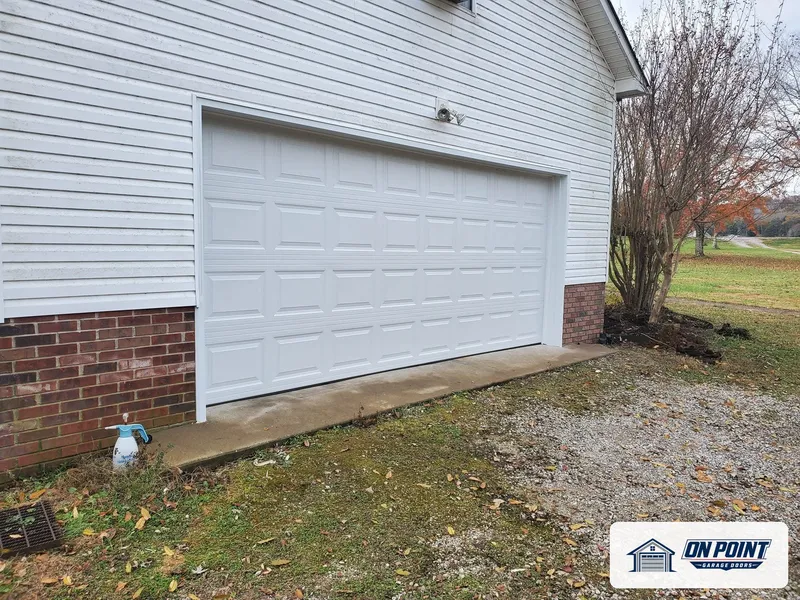
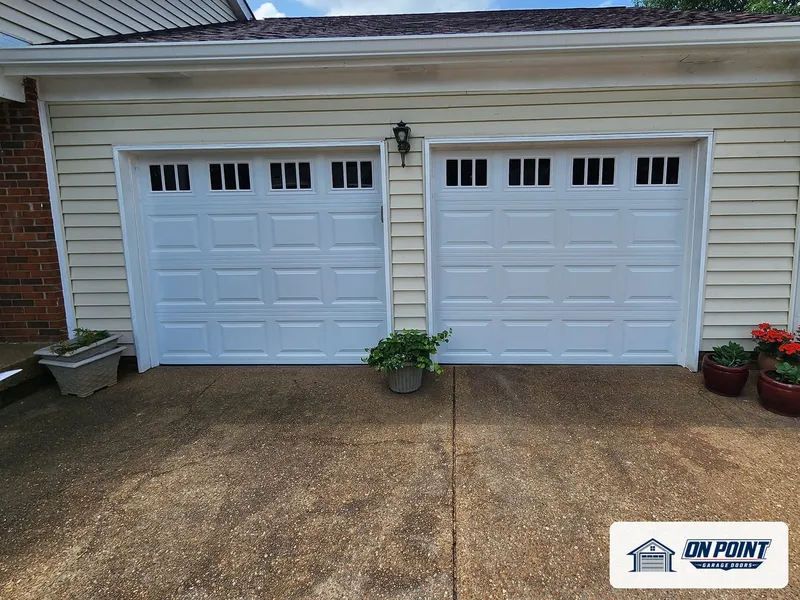
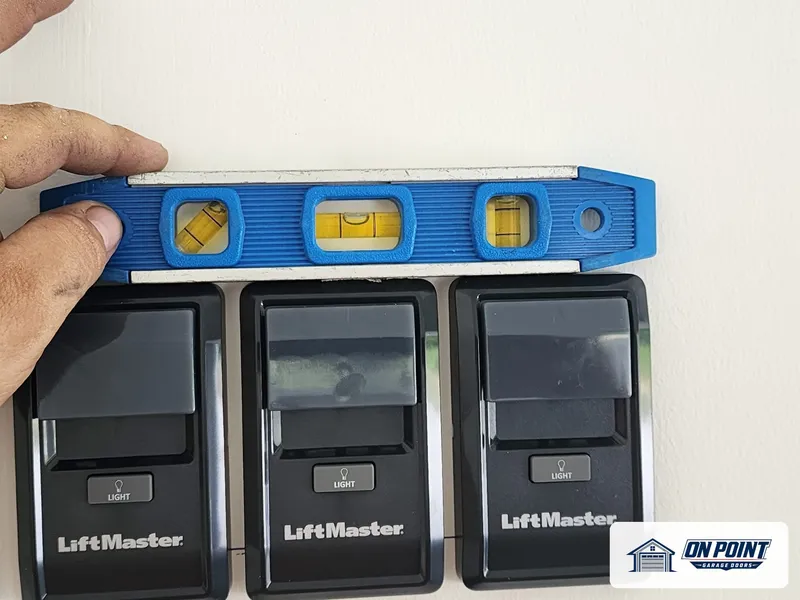
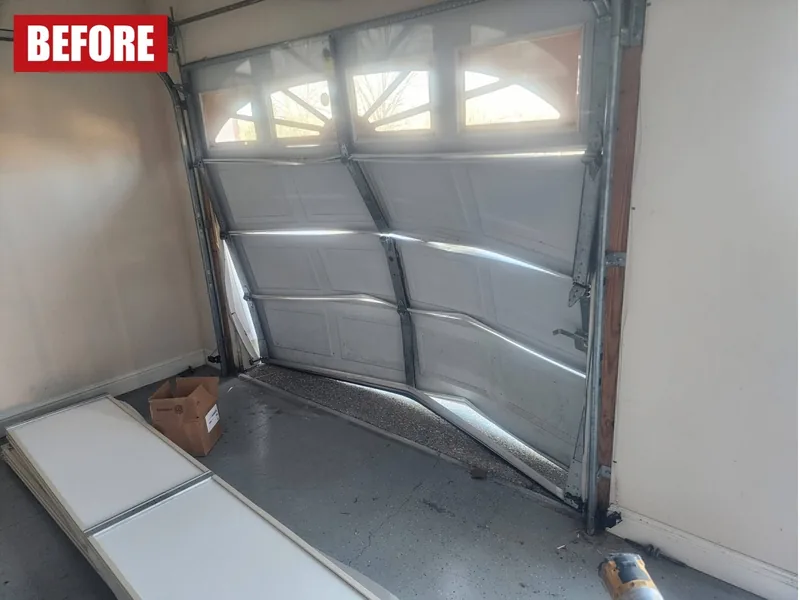
These photos are from our own jobs, with our logo on them.


Garage door repair in Garden City for the Tudors, colonials and stucco houses on the tree-lined blocks, the detached garages set far back on deep lots, and the stores and offices along the main shopping streets. Free estimate first.
The village was laid out as a planned community, so streets curve around parks and greens and the lots run deep.
On many of the older blocks the garage stands alone at the back of the yard, reached by a narrow driveway along the side of the house.
Tudors suit dark stained carriage doors, while the colonials often carry white raised panels.
Tudor and colonial homes from the early and middle part of the last century line most of the streets, many with carriage-style doors.
Those detached garages were built for smaller cars, so the openings are tight and the doors are often wood or old steel.
The cathedral and its green sit near the center, a short walk from the stores, restaurants and banks of the downtown shopping streets.
Behind the storefronts, service lanes and parking fields hold back doors and loading doors for the shops.
School buses and train traffic crowd the village roads early, so the truck comes in along the quieter blocks.
Several train stations serve the village, and commuters walk to the platforms from the side streets each morning.
A university campus fills the south side, and the big regional mall sits just past the east edge.
Some of the oldest back garages still have doors that were converted from swing doors to overhead doors.

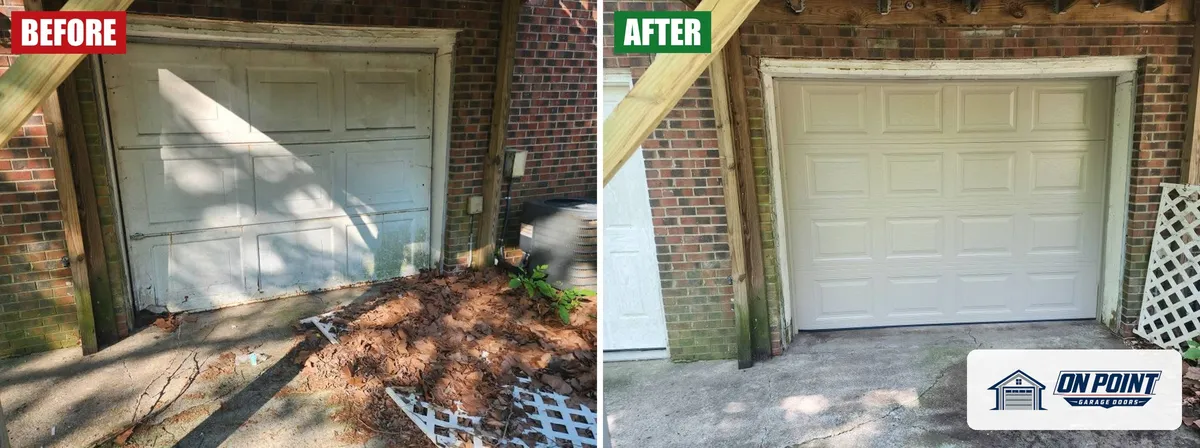
Detached Tudor garage, colonial with an attached bay or a shop door behind the stores, the door is seen in person first.
Families restoring an older house often want a door that keeps the period look but runs on modern parts.


Detached garages at the back of the lot. Tight openings, damp slabs and doors that have not been touched in years.
He checks the header and jambs before any new track goes up.
A door that drops fast the last stretch to the slab is usually riding on a spring that has lost its strength.
Carriage-style doors on colonials. Heavy panels and decorative hardware that hide worn hinges.
Springs are sized to what the door really weighs, trim and all.
Attached two-car garages on later homes. Wide doors with openers that have worked for decades.
The opener is tested alone so a good motor is not swapped by mistake.
A keypad on the back garage saves a walk to the house for the remote.
Shop and office doors on the service lanes. Roll-ups and sectional doors used for deliveries.
Commercial springs and sensing edges suit doors that open all day.
An insulated door turns a back garage into a usable workroom through the cold months.
If a detached garage door is hanging crooked at the back of the yard, leave it closed until it is looked at.
Cars backing out of a tight detached garage clip the jamb, so end hinges and the side track are inspected.
The village is one of our regular Nassau stops, a short run from the Queens line, and Brooklyn is on the route too.
Anything you mention about the back garage, the side drive or the shop door goes to the technician.
A door stuck open on a back garage, or a car shut inside, goes ahead of tune-ups.
A store door on the service lane that refuses to latch when the shop shuts should be mentioned as you book.
Winter. Snow plowed off the long side driveways piles against the foot of the detached garage.
Rain that runs down the side driveway pools at the old garage and rots the bottom of wood doors.
Spring. Seed pods and pollen from the old shade trees settle on the track and the opener rail.
Summer. Doors on the back garages stay up for bikes, lawn gear and patio furniture.
Fall. The tall maples and oaks drop leaves that pack into the bottom seal and hold the damp.
He walks back to the garage, watches the door open and close, then lifts it off the opener to feel the balance.
On detached garages he checks the slab for heaving before he sets the bottom of the track.
Every tired hinge, roller or cable is pointed out to you and written on the free estimate.
Springs are wound for a door that has picked up paint and trim over the years.
On old wood doors he looks for rot in the bottom section before anything else.
To prove the safety reverse, he lowers the door onto a scrap block on the slab.
The broken springs and worn cables leave in the back of his truck.
At the end the remote is in your hand, and he watches from beside the old garage as the door goes up and comes down.
If the side driveway is narrow or shared with the house next door, mention it.
He rings when he is a few blocks from the village.
The work starts after you have said yes, not before.
If the old door has years left with new springs and rollers, that is what he suggests.
Older detached garages and doors with years of paint on them drive most of the repairs here.
A snapped spring on a heavy carriage door is a load no one should lift; keep it down and call us.
Longer-life springs suit a garage that is the main way in from the back of the lot.
Cables rust where the slab stays damp at the back of the yard, so both sides are swapped together.
The drums and bearings are inspected on the same trip.
Photo eyes are set firm and aimed past the garden hoses and planters often stored beside the door.
Track bolted to old soft framing is moved to sound wood.
A bent section from a car backing out of the tight opening is replaced or reinforced.
A worn opener gear is tested before anyone suggests a new unit.
On a detached garage far from the house, a keypad beats walking back for a remote.
Tell us whether the garage is detached behind the house or attached to it.
The estimate is free, and you decide after you have seen it.
Explain what the back garage door is up to, choose a slot that works around the commute, and the estimate is on us.
Call us at (929) 429-2429.
Say what the door does and whether it stands alone, and a free estimate follows.