Serving Brooklyn, Queens and Long Island(929) 429-2429Open six days a weekFree estimateGuaranteed work
On Point Garage Doors
Open 24 hours Sun-Thu, Fri until 5 pm Free estimate Springs, openers, cables We come to you
Emergency?Call nowBook free estimate
New York, NY - open six days a week

Garage door flood vents

Free estimateSame-day serviceCommon parts on board
  • Free estimate
  • Same-day service
  • Common parts on board
Emergency garage door repair★★★★★ 5.0 on Google · 42 reviews

Book your free estimate

Takes 30 seconds. We call you back to set a time.

Or just call (929) 429-2429 and talk it through.

Home › Garage Door Flood Vents

On homes in flood zones, especially homes that were raised after big storms, the garage is often the lowest level of the house. Flood vents are openings that let flood water flow in and out of that space, so the water level is the same inside and outside and the walls and door are not pushed in by the water. Some are built into the walls and some are built into the garage door itself. This page explains how they work, how they relate to the door and what we look at on garages near the water. Free estimate at (929) 429-2429.

By Sean Cohen, owner, On Point Garage Doors · Updated

Real jobs. Real photos.

These photos are from our own jobs, with our logo on them.

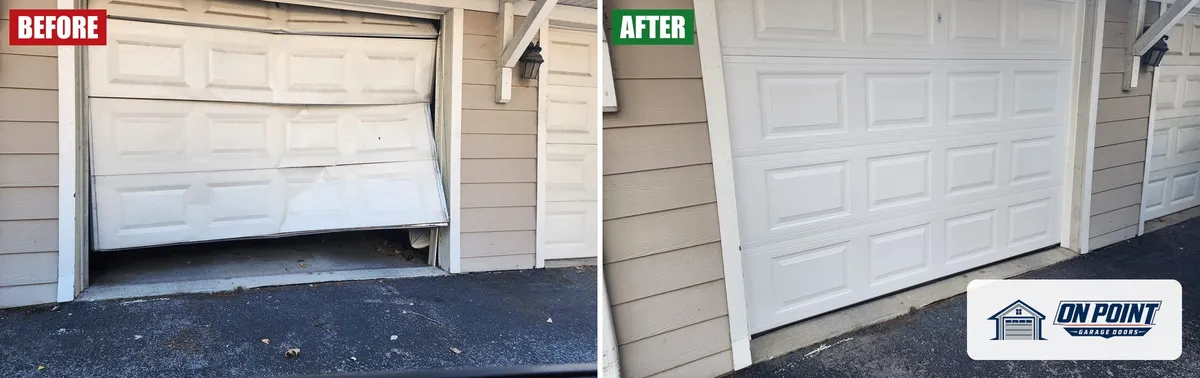
Bent garage door replaced: before and after, an On Point Garage Doors job
Garage door on a home
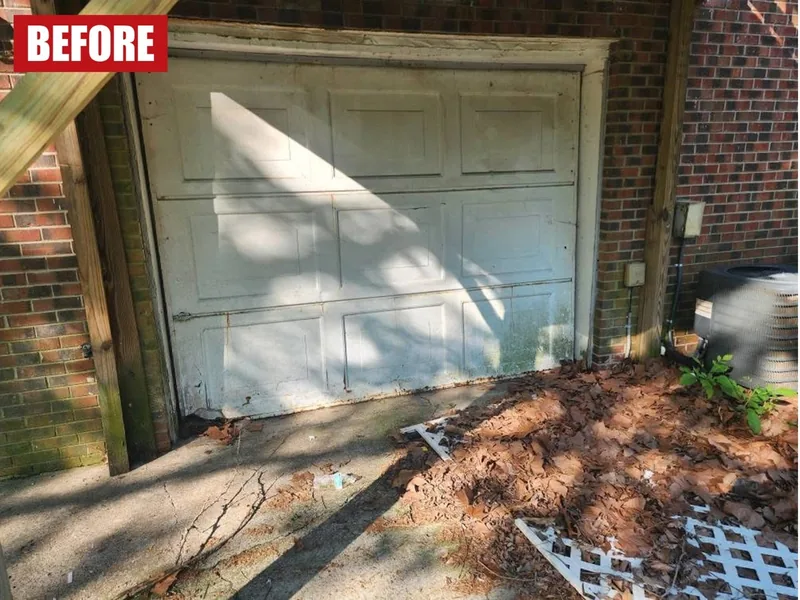
Old worn garage door before On Point Garage Doors replaced it
Rust at the bottom of a door
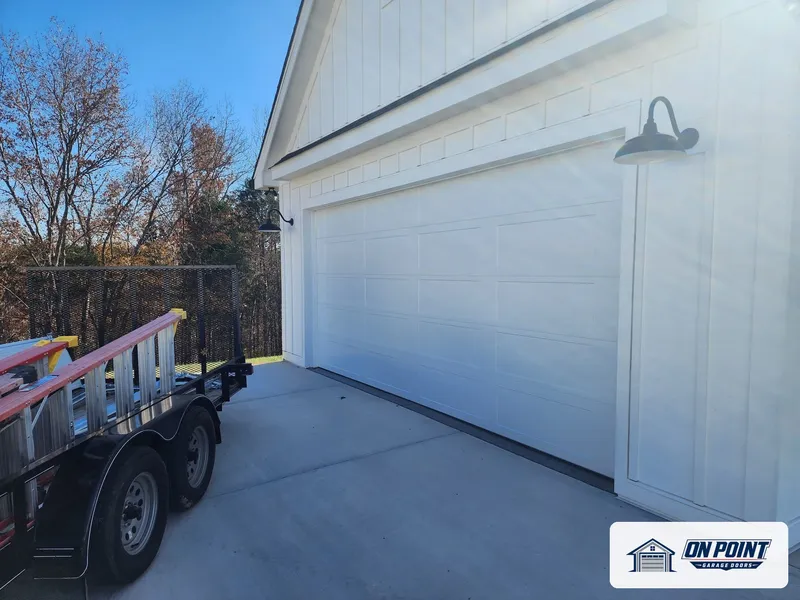
New door on the side of a house, from one of our jobs
New door on the side of a house

Why water has to get in

It sounds backward, but a garage that lets water in is safer in a flood than one that tries to keep it out. When water rises on one side of a wall and not the other, the pressure can push the wall or the door in. Letting the water in through vents keeps the levels even, so the structure is not pushed off its footing.

Vents in the wall and vents in the door

  1. Wall ventsOpenings in the foundation or garage walls, close to the floor, usually with louvers or a flap.
  2. Door ventsVent panels built into the bottom section of the garage door, with flaps that open when water rises.
  3. Both togetherSome garages use wall vents and a vented door to get enough opening.

How a vent knows to open

Many vents have a flap or louvers that stay shut in normal weather to keep out wind, rain and animals. When water rises, a float or the water's own push opens them. Some simple vents are always open with a screen. Either way, they have to stay clear of storage and debris to work.

Raised homes and their garages

Along the South Shore, the bay side of Queens and the low parts of Brooklyn, many homes were lifted after past storms. The living space went up and the garage stayed at ground level below it. Those garages are where flood vents are most common, and where the garage door often had to be changed or rehung when the house was raised.

What vents mean for the garage door

A door with vents in its bottom section is heavier than a plain section and has openings that need to seal against weather. When a vented section is damaged or rusted, it has to be replaced with a matching vented section, not a plain one. Springs are matched to the weight of the door with the vents in it.

Rust and salt near the water

Garages in flood areas also sit in salt air. The bottom of the door, the lower track, the bottom brackets and the cable ends rust first. Vented doors have more edges and moving flaps for salt to work on. Coated hardware and a careful look at the bottom of the door each year help them last.

After water gets in

Even when vents work exactly as they should, flood water still passes through the garage. Afterward, the bottom of the door, the seals, the lower track, the cables and the opener need to be checked. An opener that was under water should stay unplugged until it is inspected. Our page on a garage door after a flood covers that visit.

Keeping vents working

Rules and paperwork

Whether a home needs flood vents, and how many, is set by local building and flood rules and often affects flood insurance. Those questions belong with the building department, an engineer or the insurance carrier. We work on the door and its hardware, and we can tell you what kind of vented section a door has.

Choosing a door for a raised home

When a home has been raised, the garage below it often has a taller or wider opening than before, and the front of the house has changed. A new door may need vented sections, coated hardware for salt air and a finish that stands up to wet weather. Some owners also choose a door that matches the new look of the raised house. We measure the opening as it is now and talk through what suits a garage that may see water again.

What a visit includes

The technician checks the door, the vented section if there is one, the bottom seal, the tracks, the springs, the cables and the opener, and points out rust and wear. You get a written estimate before any work starts.

Questions we get asked

What is a garage door flood vent?

An opening, often with a flap, that lets flood water flow into and out of the garage so the pressure stays even.

Can a garage door have flood vents built in?

Yes. Some doors have vent panels in the bottom section that open when water rises.

Do flood vents keep water out of my garage?

No. They let water pass through on purpose so the walls and door are not pushed in.

Can a damaged vented section be replaced?

Yes, with a matching vented section, and the springs are checked for the door's weight.

Is the estimate free?

Yes. We check the door and its hardware before any work starts.

Booking takes a minute

Across Brooklyn, Queens and Long Island, tell us what the door is doing and we set a visit that fits your day.

Free estimate, call (929) 429-2429.

Garage near the water? We will look at the door and vents

Tell us what the door is doing and we will give you an honest arrival time. The estimate is free.

Easier to explain by phone? Call (929) 429-2429.

Two minutes to a free estimate

Tell us what the door is doing. The estimate is free either way.

Or just call (929) 429-2429 and talk it through.

The other six things that go wrong