Takes 30 seconds. We call you back to set a time.
On many houses the garage door is the largest single thing a visitor sees from the curb, larger than the front door, the windows or the porch. When it is dented, faded or out of step with the rest of the house, it drags the whole front down. When it suits the house, it quietly pulls everything together. This page looks at the garage door as part of the face of a home: what people notice first, which changes make the biggest difference, and how to choose a door that still looks right years from now. Free estimate at (929) 429-2429.
By Sean Cohen, owner, On Point Garage Doors · Updated
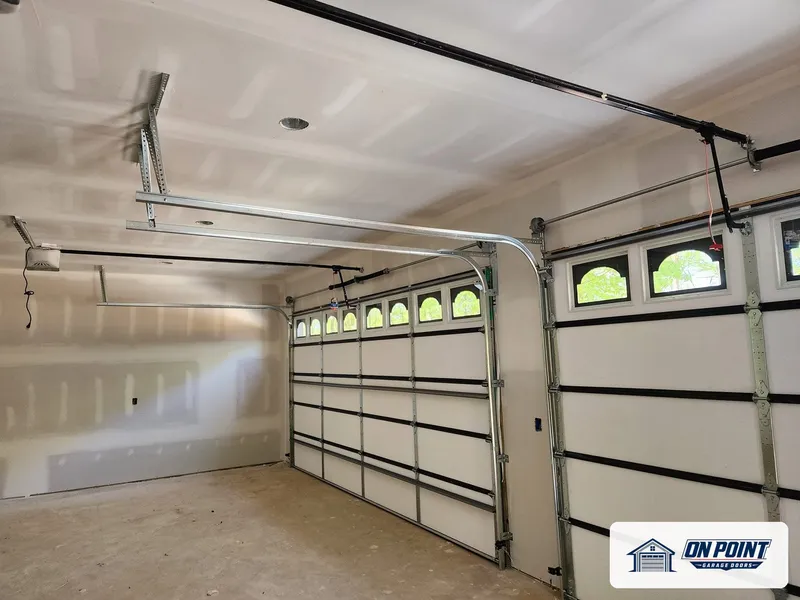
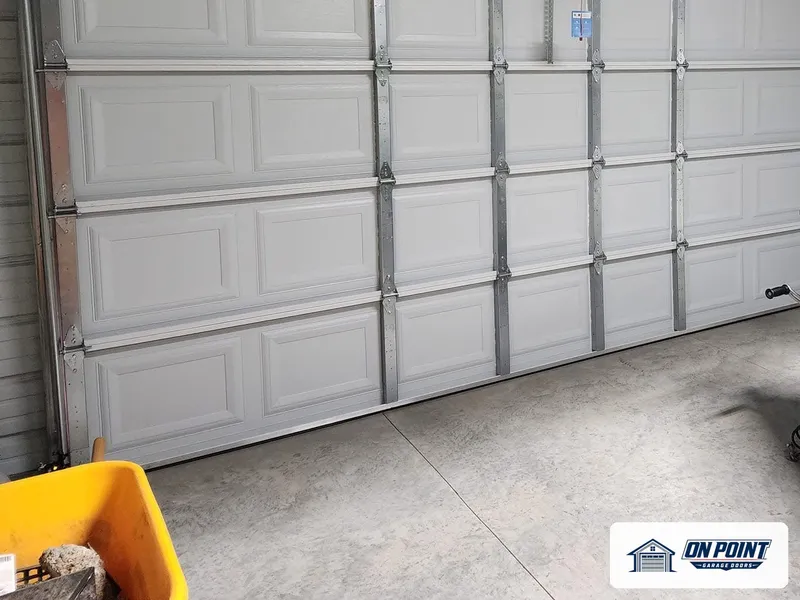
These photos are from our own jobs, with our logo on them.


On a ranch, a split level or a house with an attached two-car garage, the door can take up a big share of the front wall. Eyes go to the largest plain surface, and a garage door is exactly that. A tired door makes fresh paint and new windows look unfinished. A well chosen one lets the rest of the front do its job without competing for attention.
A door looks right when it speaks the same language as the house around it. Raised panels suit colonials and capes, long horizontal panels suit low ranches, carriage designs suit farmhouse and cottage fronts, and smooth or glass faces suit modern houses with clean lines. Our page on garage door styles by house style goes through each type in detail. The aim here is simpler: when in doubt, copy the shapes already found in the windows and the front door.
A solid door reads as a wall. A row of glass across the top section turns it into part of the facade, breaks up the large surface and lets daylight into the garage. Arched lites soften a traditional front, plain rectangles keep things calm, and divided lites echo the grilles in older house windows. Frosted or textured glass keeps the view of the garage contents private.
Painting the door the same color as the siding makes a wide door recede, which helps when the garage dominates the front. A door in the trim color frames the house neatly. A strong contrasting color or a wood tone makes the door a feature, which works best when the door itself is handsome and the proportions are good. Our color page covers how sun and siding affect the choice.
Decorative handles and strap hinges give a plain steel door the look of a swinging carriage door. They work on traditional and farmhouse fronts and look forced on a modern one. A dark finish reads crisp against a light door, while a matching finish stays subtle. Less is usually more: a pair of handles and a set of hinges on each side is enough on most doors.
The frame around a garage opening is easy to ignore until it rots. New trim in a material that does not soak up water, a fresh side and top seal, and a straight, tight bottom seal give the door a finished edge. A beautiful new door set inside cracked, peeling trim looks like half a job, so it pays to look at the whole opening together.
Where a house has two single doors, they should match in style, color and section heights, or the front looks patched. On row houses and semi-attached homes, a door that echoes the pattern of the neighbors keeps the block looking tidy even if the color differs. Where one door of a pair is being replaced, matching the one that stays is part of the job.
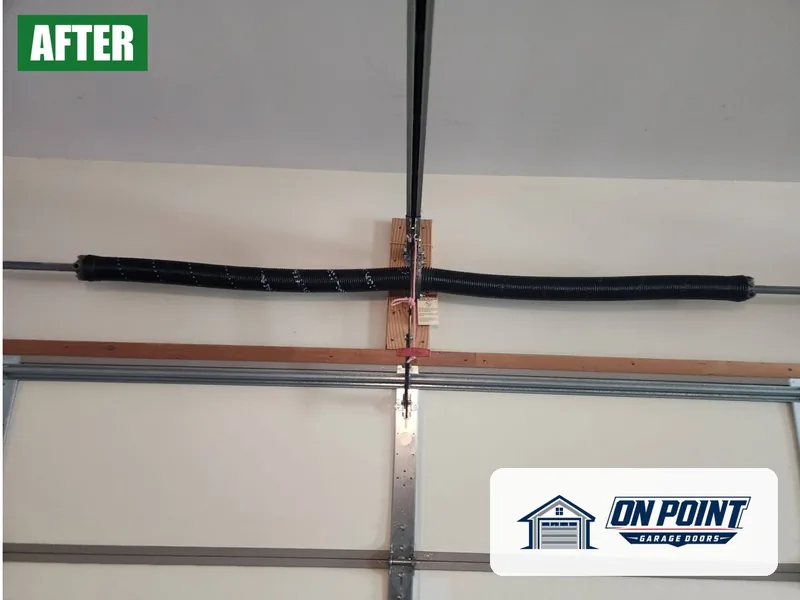
Curb appeal is not only a still picture. A door that shudders, bangs at the top or grinds on its way up tells everyone on the sidewalk that something is wrong. A balanced door on quiet rollers, with a smooth opener, opens and closes in a way that looks cared for. A new door gets new springs sized to its weight, so it moves the way it should from the first day.
People looking at houses form an opinion from the curb before they reach the front step, and photos of the front lead most listings. A dented or faded door is one of the more visible fixes on that first impression. Sometimes the right move is a full new door, and sometimes a damaged section, new trim and seals are enough. We tell you which, plainly, and in writing.
Small brochure photos and screen colors mislead. On the visit we bring real samples, hold them up against the siding or brick in daylight, and show what different window rows and hardware look like on similar houses. We measure the opening and headroom at the same time, so the door you pick can actually be built for your garage, and everything goes on a written estimate.
Usually a great deal, because the door is often the largest surface on the front of the house. A door that suits the style of the house changes the whole look.
The one that matches the house. Follow the shapes of the windows and the front door, and choose windows and hardware that suit the age of the home.
It does not have to match exactly, but the two should look like they belong together, in color family, hardware finish or panel shape.
They often make the biggest visual difference. A row of glass breaks up a large plain surface and lets daylight into the garage.
Yes. We hold real samples against your house in daylight, measure the opening and give you a free written estimate.
Across Brooklyn, Queens and Long Island, tell us what the door is doing and we set a visit that fits your day.
Free estimate, call (929) 429-2429.
Tell us what the door is doing and we will give you an honest arrival time. The estimate is free.
Easier to explain by phone? Call (929) 429-2429.
Tell us what the door is doing. The estimate is free either way.