Takes 30 seconds. We call you back to set a time.
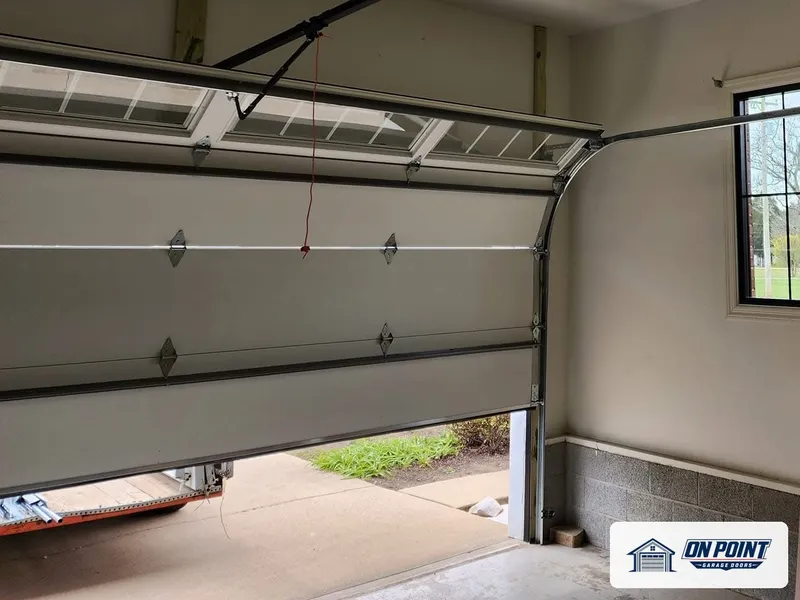
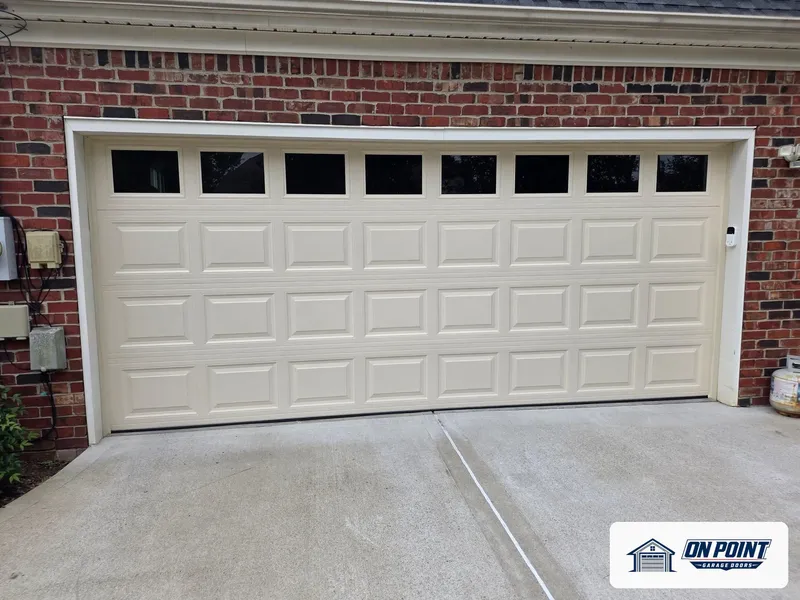
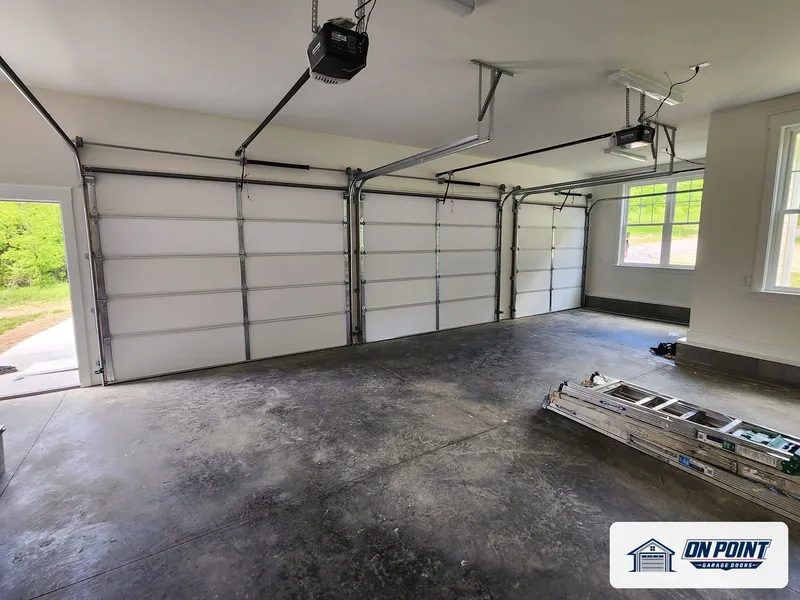
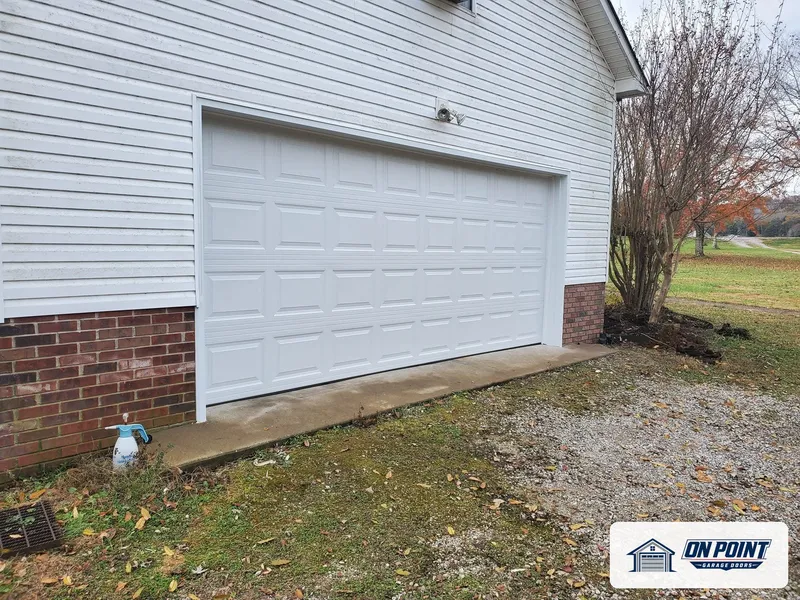
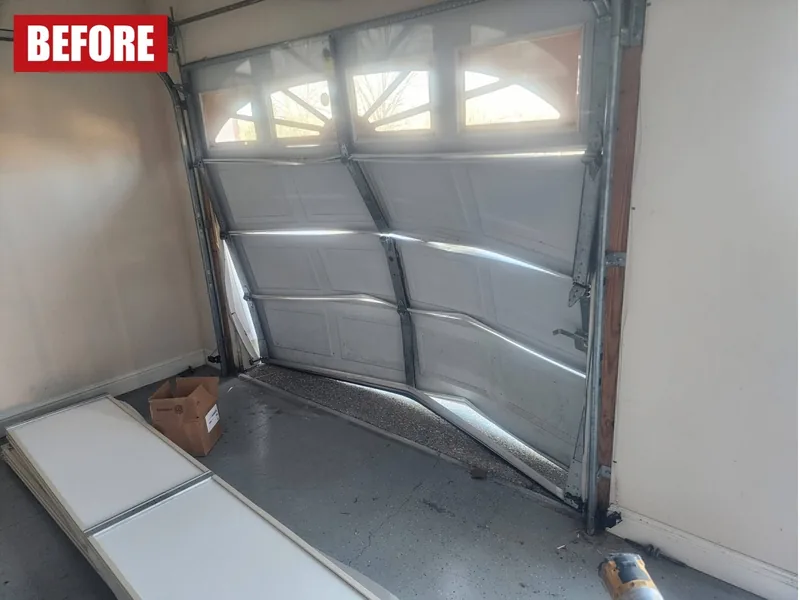
These photos are from our own jobs, with our logo on them.


Garage door repair in Flushing for the two-family and detached homes on the residential streets, and the rolling gates and service doors of the busy commercial blocks. Free estimate first.
The commercial center is packed with storefronts, each with a rolling gate that goes up early and comes down late. Those gates run every single day and wear their springs, slats and locks faster than any house door.
A few blocks off the busy streets the neighborhood turns residential, with two-family and detached homes, many with a garage at the front or the side.
Homes with more than one family under the roof put a garage door through a lot of trips a day, and the opener and rollers show it first.
Where a garage has become storage for a busy household, shelves and boxes near the tracks can rub the door.
Parking garages and loading areas behind commercial buildings use large sectional and roll-up doors that carry heavy springs and long cables.
A service door that will not shut at the end of the night leaves a building open, so it moves to the front of the list.
Blocks closer to the creek and the bay get damp air that eats at the bottom of doors and gates before anything else.
On crowded blocks, gates and doors are bumped by carts, trucks and cars, so bent guides and dented bottom bars are common.
Delivery trucks double-parked beside a gate are a common cause of bent bottom bars and dented slats along the avenues.

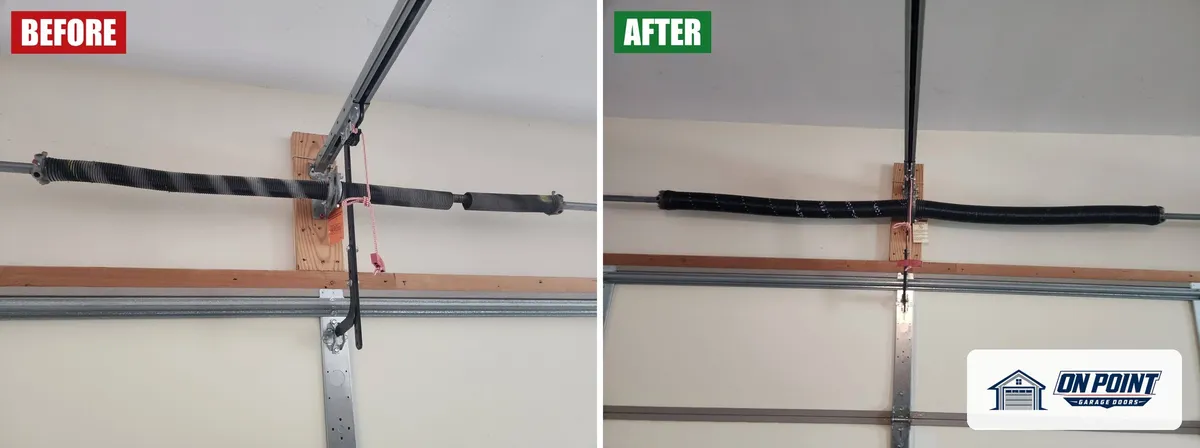
Homes and businesses are handled the same way: inspect the door or gate, then estimate.


House garages. Most calls come down to a snapped spring, a frayed cable or an opener that hums or backs up.
A heavy-feeling door is checked for its spring before anything else.
Storefront gates. When a gate falls, sticks or will not lock, the cause is usually a tired barrel spring, bent slats or a worn bottom bar.
Gate motors and hand chains are looked at on the same visit.
Commercial sectional and roll-up doors. Heavier doors need heavier springs and get their cables checked along the full length.
Openers on multi-family homes. Heavy daily use wears gears and chains; belt drives and new rollers quiet things down.
Remotes and keypads shared by several family members get lost or reset often; programming new ones is part of the visit.
When a delivery truck or a car has struck a door or gate, it is left alone until a technician has checked it.
Along with every street here, our crews cover the rest of Queens, Brooklyn and Long Island.
Details you give over the phone go straight to the technician.
A shop gate stuck open at closing, or a car shut inside a garage, goes ahead of routine work. Say so at the start.
Winter. Ice and road salt work into gate guides and door bottoms; frozen gates should never be forced.
Spring. After the thaw, rust streaks at the bottom of a door or gate show which hardware needs replacing.
Summer. Heat swells gate slats and dries door seals, so gates drag and doors let in dust.
Summer is also busy season for shops, and a gate that sticks in the heat is fixed before it fails completely.
Fall. A check before winter catches worn springs and locks while there is time to plan.
He works out what kind of door or gate it is, watches a full cycle, and then goes over the springs, cables, slats, guides and motor.
His findings come in plain words, along with a free estimate that lists each repair.
Each part is picked for that exact door or gate, and the ones most often needed are already in the truck.
Openers and gate motors have to stop and back up safely before the visit is over.
Old parts are removed and the sidewalk or driveway is left clean.
For a shop, the visit can be set before the gate goes up in the morning or after it comes down at night.
For a house, he calls ahead so the driveway can be cleared.
What gets fixed is your decision.
Every door and gate leans on a few heavy parts, and on streets this busy those parts get little rest.
Springs carry the weight of a door or gate; once one breaks, lifting it is unsafe.
Cables on house doors fray at the drum and rust at the floor, and both sides are always changed together.
Carts and bikes knock the floor sensors on house doors, and a door that refuses to close is often just a sensor bumped off its aim.
A bent track or gate guide can trap a door halfway, and it stays where it is until it has been reset properly.
Openers and motors that run all day wear out sooner, and when fixing one no longer makes sense the choices are explained.
Say whether it is a garage at a house or a gate on a shop, and what it does when it runs.
Homes and businesses both get a free estimate.
Describe the door or gate, choose a time that fits your day, and the estimate is free.
Call us at (929) 429-2429.
Tell us how the door or gate is acting, and a free estimate comes your way.