Takes 30 seconds. We call you back to set a time.
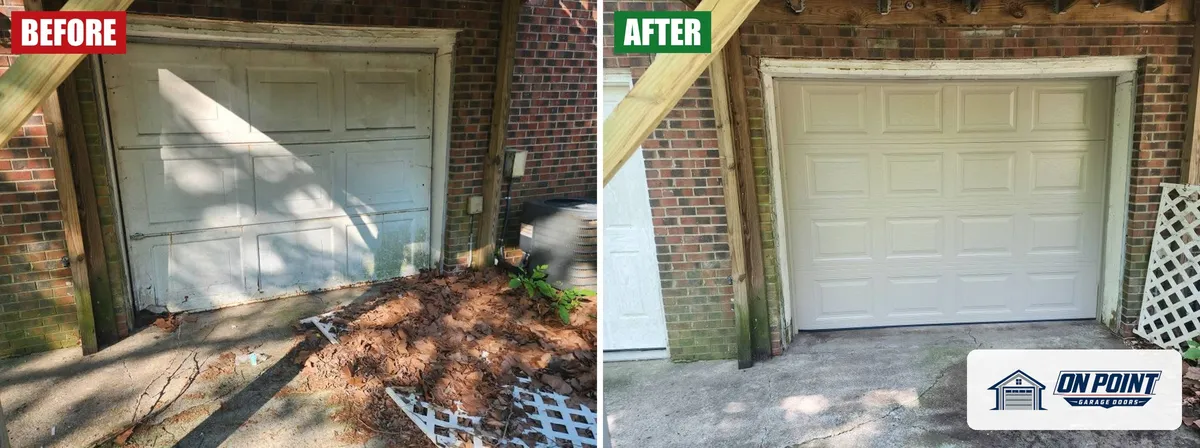
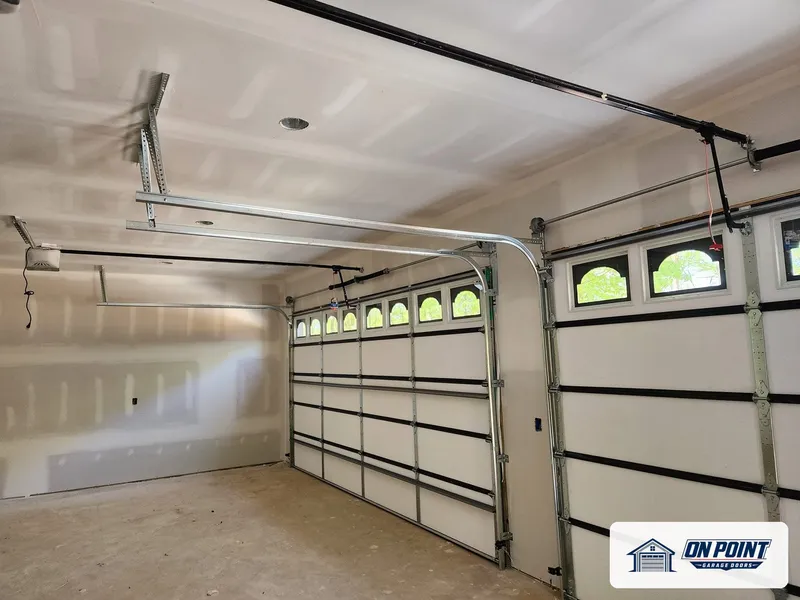
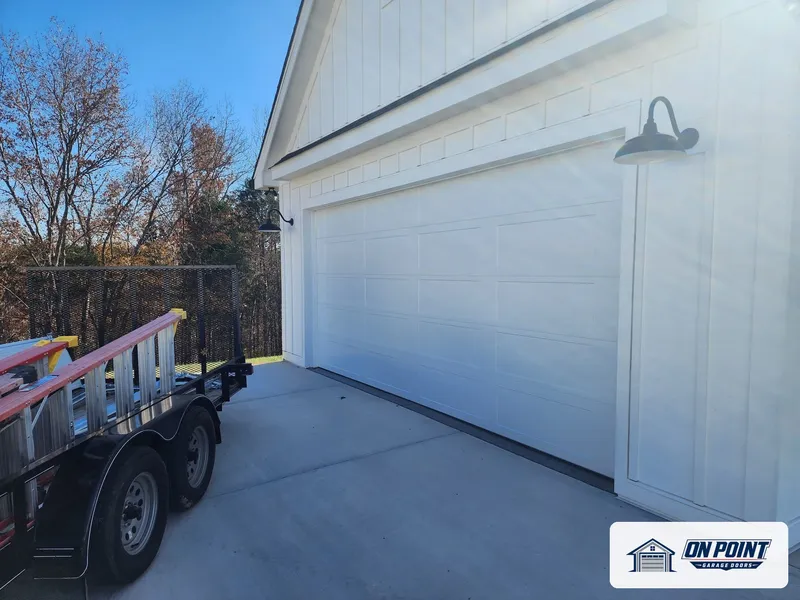
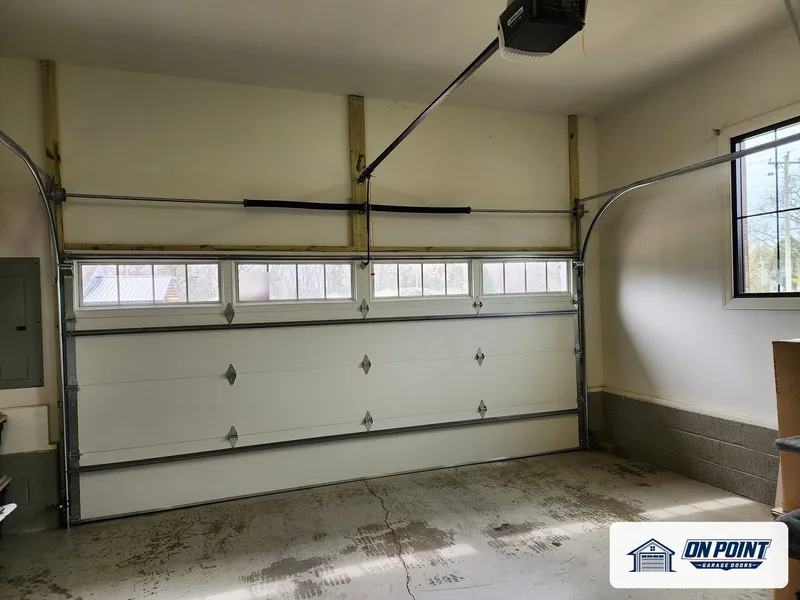
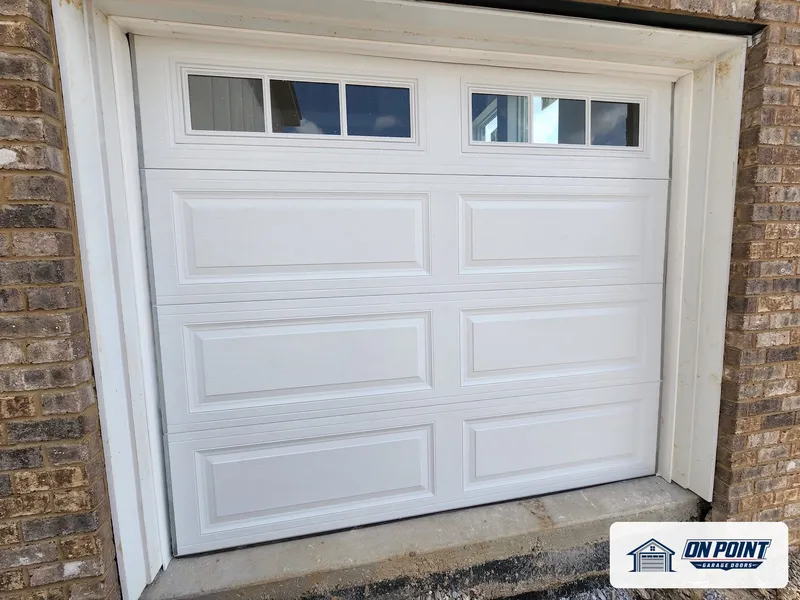
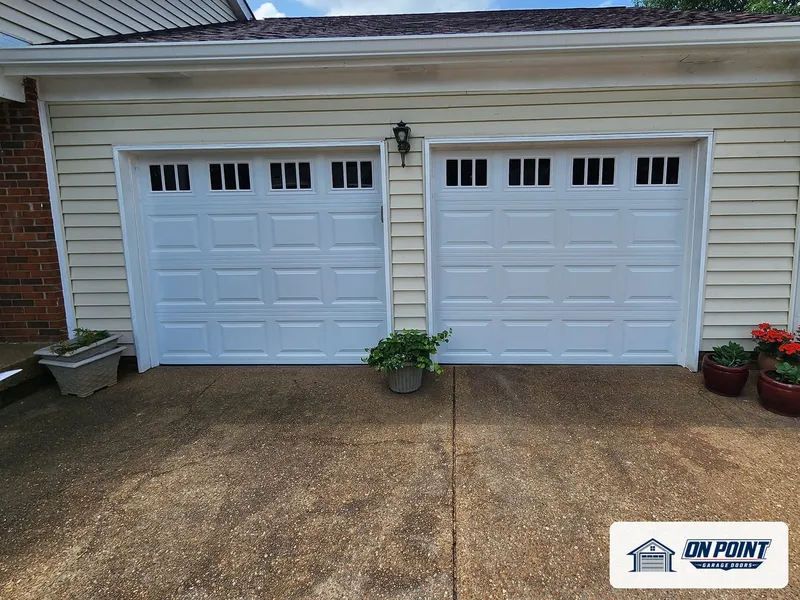
These photos are from our own jobs, with our logo on them.


Garage door repair in Bay Ridge for the attached garages, shared-driveway garages and tuck-under doors on these blocks. The door is looked at first, and the estimate is free.
Many homes here share a driveway with the house next door, and the garages sit at the back of the lot or tucked under the first floor. Doors on those garages see a lot of traffic, and a door that stops halfway can block two households at once.
When a door on a shared driveway has to be replaced, the new door is chosen to fit the opening and the clearance at the back of the lot, and the opener is set so it does not catch a car parked close behind it.
Tuck-under garages often have little headroom, so the opener and the spring bar sit close to the ceiling. The technician checks that the parts fit the space they are in, because a cramped install wears out sooner.
Low headroom also limits which opener fits. A wall-mounted opener beside the door frees the ceiling entirely, and it is one of the options when a standard opener will not clear.
Wind off the Narrows reaches the streets near Shore Road, and it pushes on wide doors and dries out the rubber seal along the bottom. A seal that has gone stiff lets in water and leaves under the door.
The bottom seal is simple protection against water and leaves. A seal that no longer touches the floor along its whole length is replaced while the door is being serviced.
Older houses here have often had their doors and springs swapped piece by piece over the decades, so the springs on the wall do not always suit the door hanging there now. Getting the springs and the door to match again is the first job, before the opener is touched or a new door is talked about.

Shared-driveway garage behind a brick two-family, tuck-under door below a limestone, or gate under the apartments on a corner building: the door is seen in person before any estimate, and the list of repairs above covers what we do on all of them.


Attached garages. Torsion springs that snap, cables that fray, rollers worn flat, and openers that hum, grind or turn back before the door is down. A door that is suddenly heavy is almost always the spring, and the springs are tested before anyone blames the opener.
Many attached garages here are also the way into the house, so a door stuck shut is more than a parking problem. The repair is planned so the door works again as early in the visit as the job allows.
Garages at the back of a shared driveway. These doors are often older and heavier, and many still run on extension springs along the side tracks. Those springs need safety cables, and the technician makes sure they are there.
Extension springs that stretch along the tracks wear out faster on heavy old doors. When the door is worth keeping, the springs are replaced; when it is not, you hear the options for a lighter modern door.
Tuck-under doors. With the garage below the living space, a noisy opener carries into the rooms above. A worn chain, a dry track or an old motor is usually the cause, and a quieter belt-drive opener is often the fix.
Belt-drive openers run on a rubber belt instead of a metal chain, and the difference is easy to hear from the room above.
Doors on mixed-use buildings. Some corner buildings have a garage or a rolling gate at street level under the apartments, and those doors get heavy daily use.
Rolling gates on the ground floor of a mixed-use building get opened and closed every day, and their springs, slats and locks are checked the same way as any other door.
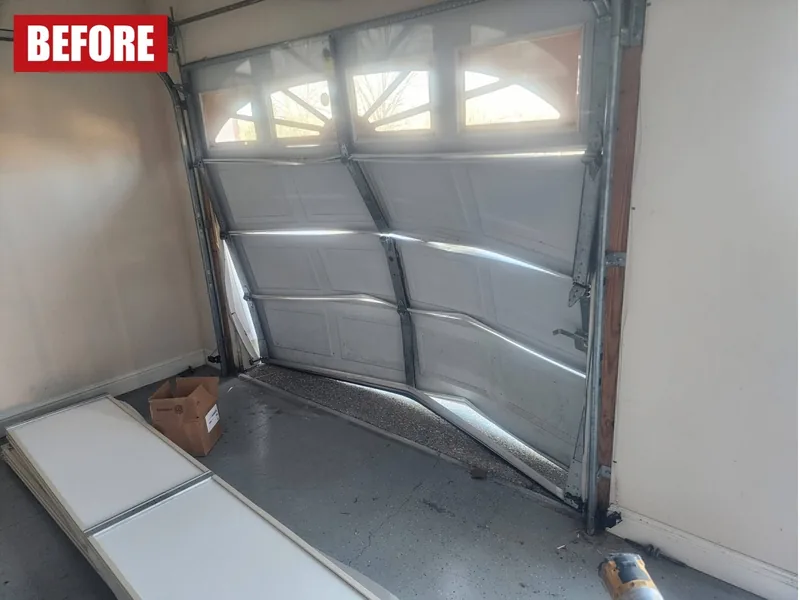
Any door that has been hit. A car backing down a shared driveway can catch the door, the track or the jamb on the way out. A door that has been struck stays where it is until it has been looked at, because a cracked section or a bent track can give way on the next trip.

The blocks between Shore Road and the avenues are a regular stop on our Brooklyn route, and the same crews work across Queens and Long Island, for homeowners and businesses alike.
When you reach us, the details you give, whose side of the driveway, which door and what it did, go along to the technician before he sets out.
A car trapped in a garage on a shared driveway affects your neighbor too. Tell us when you call and it is treated as urgent.
Winter. Cold stiffens springs and makes opener parts brittle, and the wind off the harbor leans on wide doors and their tracks.
Spring. A wet winter leaves rust along the bottom of the door, on the brackets, the cable ends and the lowest rollers, and catching it early keeps a small job from turning into a bigger one.
Summer. Heat bakes the bottom rubber and dries out the rollers, and a door that rubs or squeals on a hot afternoon is usually telling you its balance is off.
Fall. Before the cold arrives is a good time to have the springs, the cables and the safety reverse looked at, on a day that suits you.
He looks over the whole door before saying a word about the repair, the springs, the cables, the rollers, the track and the opener, and on a shared driveway he checks the neighbor's side of the track too.
What failed is put in everyday words and the estimate is free. Each item is written on its own line, so you can choose what to have done now and what can wait, and nothing starts until you agree.
The work is done with parts sized to your door, and the springs, cables and rollers these garages most often need come along in his truck.
Every door with an opener has its safety reverse tested before the technician leaves.
The old springs and cables leave with him, and both families can pull into the driveway as soon as he is gone.
On a shared driveway the visit is planned so the family next door can still get a car in and out, and the door is out of use for as short a stretch as possible.
Corner lots and narrow blocks leave little room to park a work truck close by, so the technician brings what the job needs in one trip.
The written estimate arrives before any wrench comes out, and the choice stays with you.
A few parts carry most of the load on any door, and that is where trouble starts. Knowing which part is wearing turns a breakdown into a planned repair.
Shared driveways mean more trips through the door every day, and more trips mean faster wear on the parts below.
The springs hold up nearly all of the door. With one snapped, the panels are too heavy for anyone to raise safely, so keep the door shut and reach us.
A door that drops fast or will not stay up halfway is another sign of a spring that has lost its strength.
Cables stretch and fray, and a single failed cable can drop one corner of the door, so the two are always changed together.
The photo eyes down by the floor get knocked by bikes, strollers and trash bins in a busy driveway, and a door that refuses to close is often just a sensor pushed out of line.
Tracks bend when a car clips them. A door running in a bent track can jam or come off, and it should stay put until it is set back.
Openers wear out their gears and their boards. When one is past saving, you hear which replacement suits the door and the rooms above it, and which one runs quietly enough for a tuck-under garage.
Openers on tuck-under garages are mounted with care, so vibration does not travel into the floor above.
Reach us and describe the door, attached, at the back of a shared driveway, or tucked under the house, and what it does when you run it. That tells the technician which parts to bring.
Free estimate, for homes and businesses across Brooklyn, Queens and Long Island.
Tell us about the door, and the visit is set around your household and the family that shares the driveway. The estimate is free either way.
Call us at (929) 429-2429.
Two lines on the door and the driveway are enough for us to write back a free estimate.