Takes 30 seconds. We call you back to set a time.
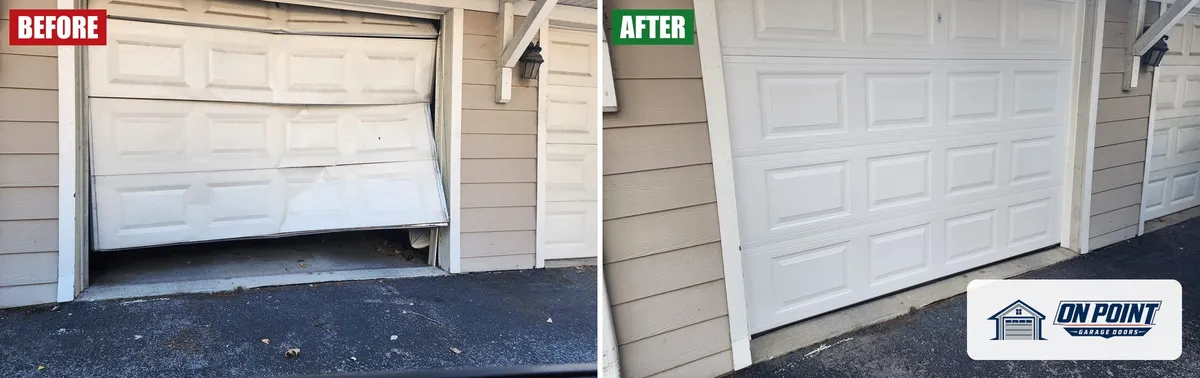
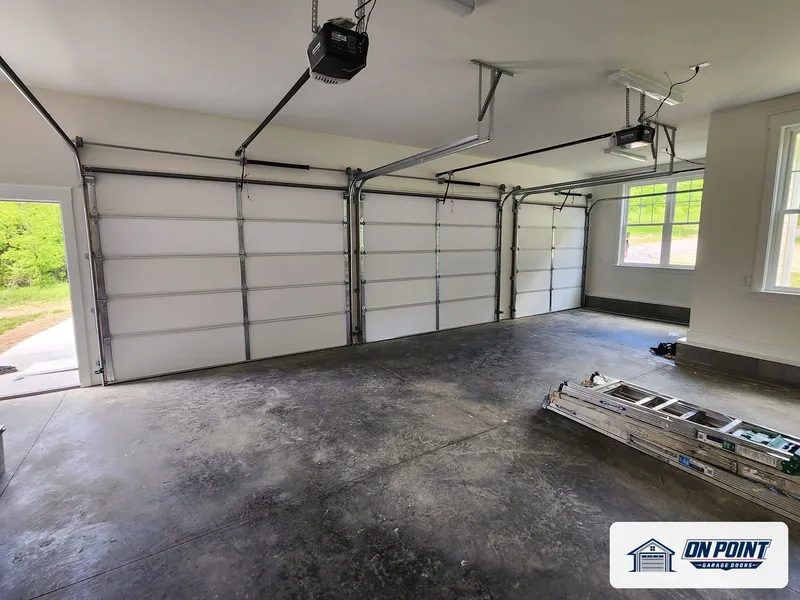
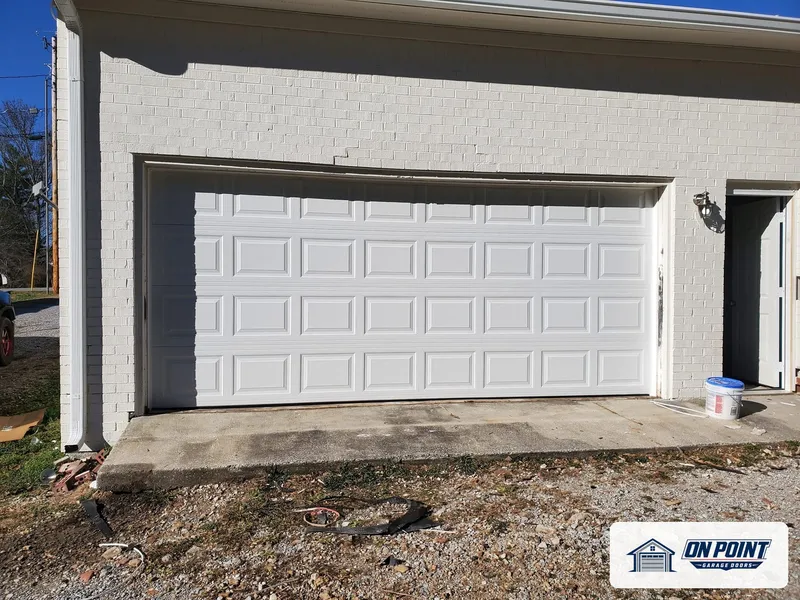
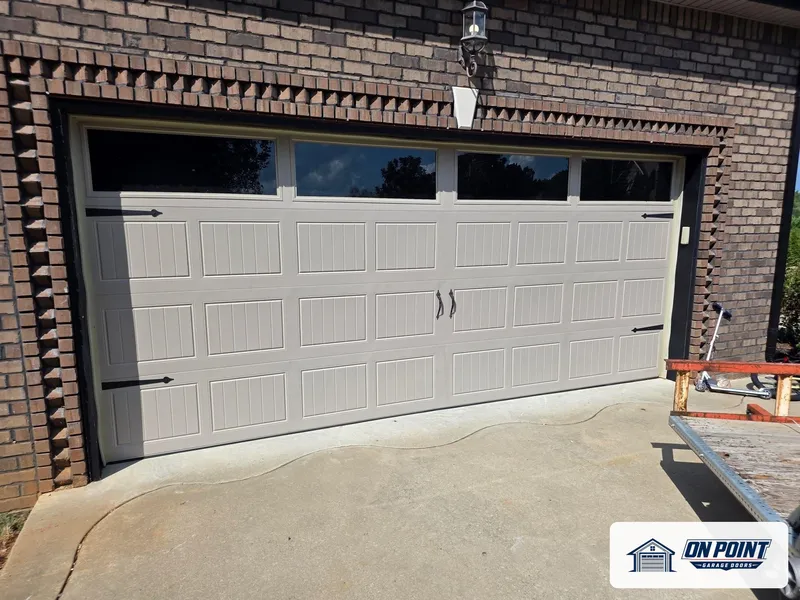
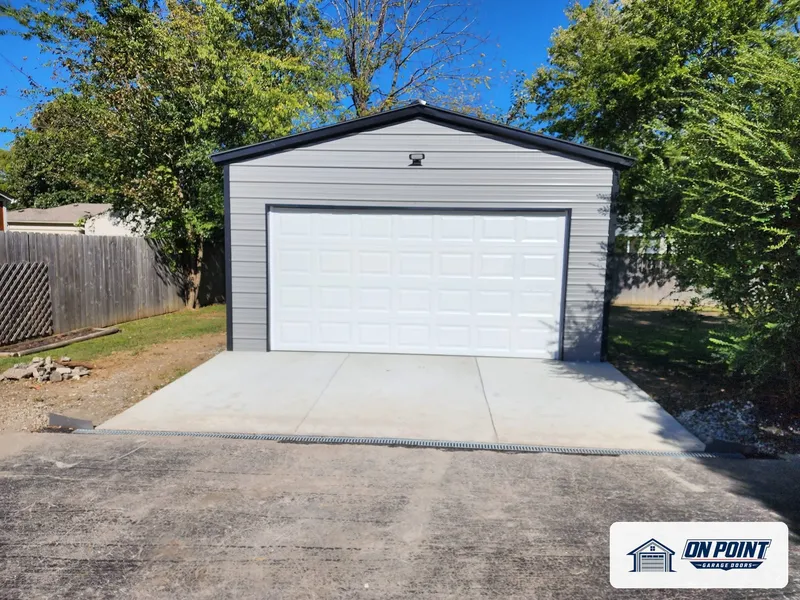
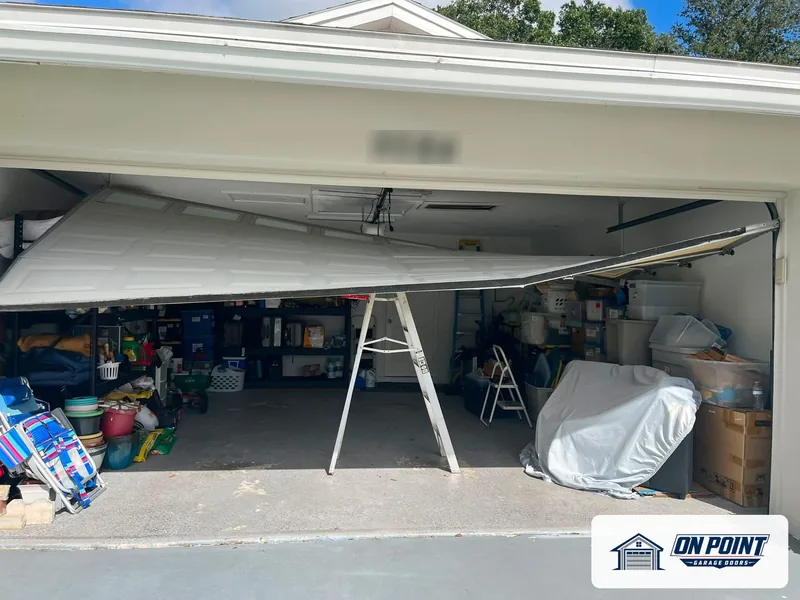
These photos are from our own jobs, with our logo on them.


Garage door repair in Long Beach for the homes between the ocean and the bay, the houses raised above the flood line with garages below, the West End bungalows, and the shops and restaurants downtown. Free estimate first.
Few places in the area are as hard on garage doors as an ocean barrier island: salt mist, sand blown into tracks and wind off the water every season.
Steel springs, cables and fasteners corrode far faster here than a few miles inland.
The rust often starts out of sight, on the inside of a coil or under a cable end, so a door can look fine from the driveway while its hardware is thinning.
Light colors hold up best in the strong sun off the water, and they hide salt film better than dark ones.
Many homes were rebuilt or lifted after past storms, with garages tucked beneath the living space.
Those doors open onto narrow streets and alleys where parking is tight.
With little room to swing a car in, the track and the jambs on these garages carry the scrapes of years of tight turns.
Sand blows into tracks and onto rollers all summer, grinding them down.
Clearing sand from the tracks is part of every visit near the beach.
Summer brings crowds to the beach and the boardwalk, and parking on side streets gets tight around garages.
Restaurants, surf shops and stores downtown and near the boardwalk use rolling gates and back doors for deliveries.
When a shop gate on the boardwalk blocks refuses to lock at closing, that visit goes ahead of routine work.

A house lifted above the flood line, a bungalow in the West End or a shop downtown, each door is opened, checked and measured before an estimate is written.
Owners rebuilding after storms often choose galvanized doors and stainless fasteners, so the next season of salt does less damage.


Garages under raised homes. Corroded springs, cables, brackets and openers.
Galvanized parts and sealed rollers last much longer here.
If a door has become heavy, corroded springs are tested before anything else.
Bungalow garages. Small, old doors and openings on narrow lots.
Each opening is measured on its own, since few of the old bungalow garages are square, and low-headroom track goes in where a beam sits low.
West End bungalows often have the oldest doors in town, and a lighter insulated door is a big improvement.
Downtown gates. Slats, barrel springs, locks and motors that breathe salt air every night.
Coated parts and regular checks keep them rolling.
Wall-mounted openers suit garages under raised homes where the ceiling is crowded with beams and pipes.
Wind and wide doors. Doors that bow in ocean gusts.
Struts and stronger hardware keep them straight.
Insulated doors keep garages under raised homes from chilling the floor above.
After a big storm, have the door looked at before you trust it with the car.
Turning into a garage off a narrow alley, a car can graze the track or the jamb, so both are looked at before the door runs again.

The island between the ocean and the channel is on our south shore Nassau route, and the same crews work Queens and Brooklyn.
Mention whether the house is raised or near the boardwalk when you reach us.
A door jammed by wind or water, or a car shut inside on a workday, goes to the front of the line.
If the door was pushed in by wind or water, keep clear of it and mention it when you call.
Winter. Winter storms and salt mist break rusted springs and bend wide doors.
On cold nights, damp salt air can freeze the bottom seal to the slab; let it thaw before asking the opener to lift it.
Spring. Flooded streets after heavy rain or a high tide soak the bottom of garage doors.
On the bay side, water can come up through the storm drains even on a dry day, and the lowest track and brackets sit in it.
Summer. Beach sand fills tracks, and crowds make parking and driveways tight.
Sand also packs into the bottom seal, so the door stops sealing at the floor and lets more of it in.
Fall. Hurricane season is the time for tight seals, struts and battery backup.
He runs the door, clears the sand out of the tracks, then works through springs, cables, rollers, track, seals and opener.
Near the ocean he also looks closely at the bottom fixtures, since they rust out of sight long before the door looks bad.
He shows you what the salt and sand have done to each part and writes a free estimate line by line.
Galvanized springs and rust-resistant hardware are what he reaches for on doors this close to the water.
The springs, cables and rollers most doors here take are on the truck.
Before he goes, he lowers the door onto an object in its path so you see it reverse.
Old parts are taken away.
He runs the door until it moves smoothly and quietly.
Summer visits can be planned around beach traffic.
On the busiest weekends, a weekday visit saves everyone the hunt for a parking spot near the house.
You get a call when he is a few blocks away.
The decision is yours.
You can take your time deciding; the estimate stays as written.
Salt, sand and wind set the pace of wear on the island.
A spring eaten by rust can let go without warning; keep the door shut and keep people clear of it.
Coated springs are checked every year.
Cables corrode first where they hook onto the bottom corners, so both sides are renewed together.
Bottom brackets crusted with rust are changed in the same visit.
Photo eyes are set above standing water and checked for corrosion.
Sand-worn track is replaced, and the tracks set straight.
Track brackets go back into sound framing, not into wood softened by damp.
Opener boards and sensors are checked for salt damage.
An opener with a battery inside still lifts the door when a storm knocks the power out on the island.
Tell us how close you are to the ocean and what the door is doing.
If the house was raised, mention it, since the garage under it is set up differently from one at street level.
Every estimate is free.
Salt mist settles on the coils every day, and pitted steel cracks long before clean steel would. Galvanized or coated springs, galvanized brackets and stainless fasteners last far longer here. The technician points out which parts are rusting from the inside, since a door can look fine while its springs are thinning.
Usually an insulated steel door with galvanized hardware and a wall-mounted or belt opener, since the ceiling is crowded with beams and the bedrooms sit right above. Where flood rules call for openings in the walls, the door is chosen so it does not block them. He checks the framing before anything is ordered.
Over time, yes. Sand grinds down the rollers and the inside of the track, and packs into the bottom seal so the door stops sealing at the floor. Clearing it is part of every visit here, and sealed rollers and a tight bottom seal keep less of it from getting in.
The springs and cables for rust, the struts that keep a wide door from bowing in wind, the track brackets in the framing, the bottom seal, and the opener's battery backup. A door that flexes in a strong gust can pull out of its track, so weak hardware is worth catching while the weather is calm.
We do. Those gates breathe salt air every night, so the barrel springs, slats, guides, locks and motors all rust sooner than inland ones. Visits can be set before the shop opens, and a gate that will not lock at closing time goes ahead of routine work.
Describe what the door or gate is doing and choose a visit; the estimate is free.
Call us at (929) 429-2429.
Say what salt, sand or wind has done to the door; a free estimate comes back either way.