Takes 30 seconds. We call you back to set a time.
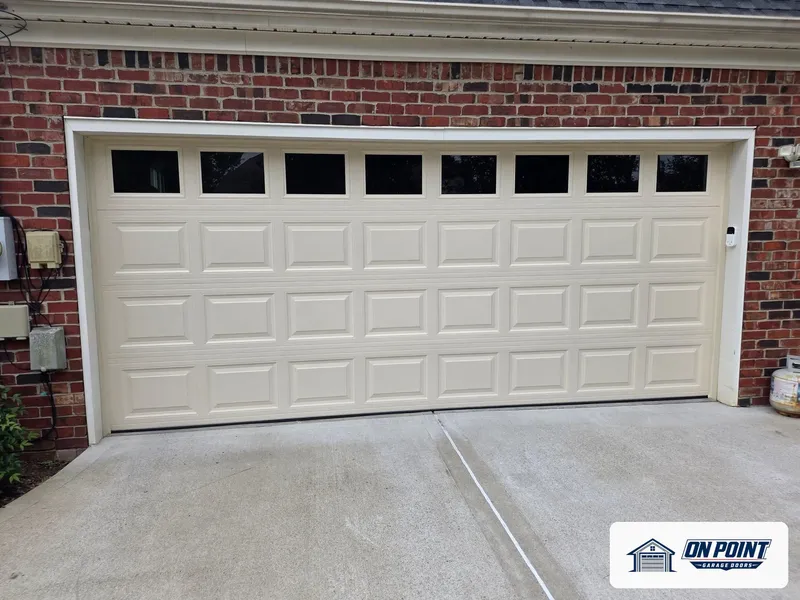
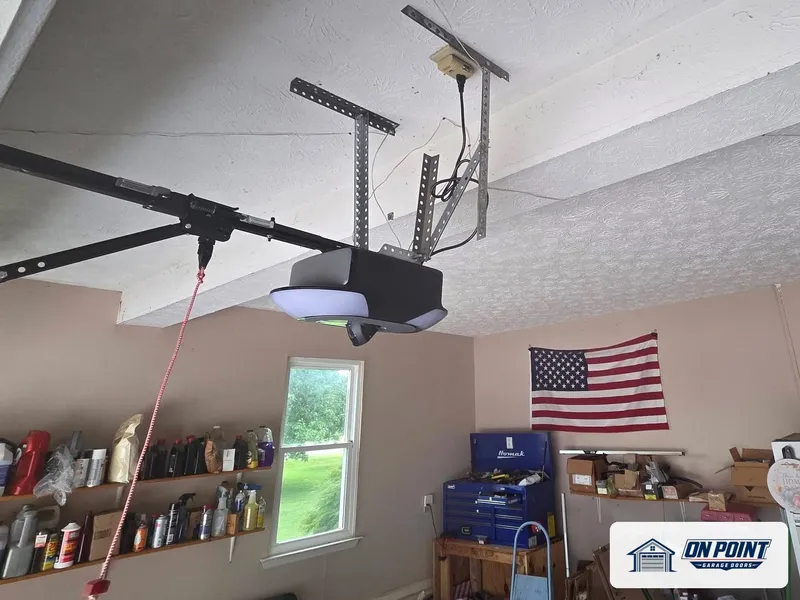
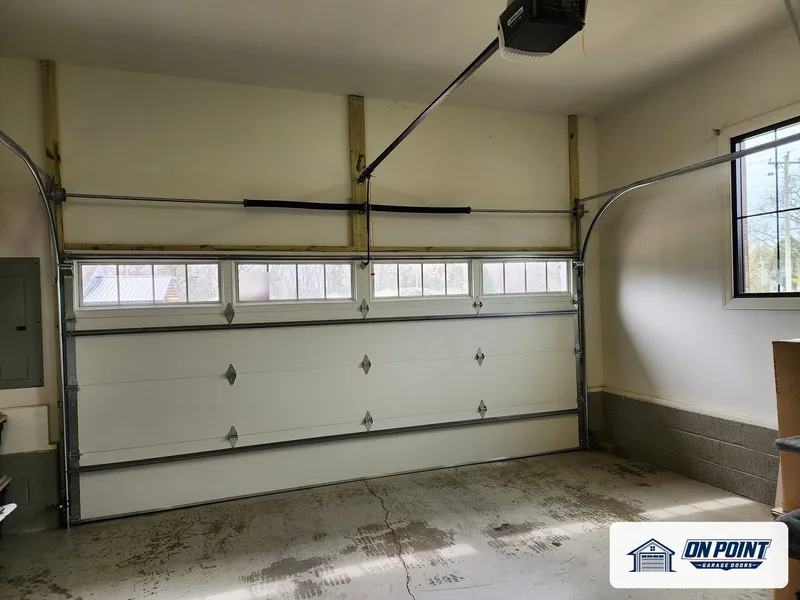
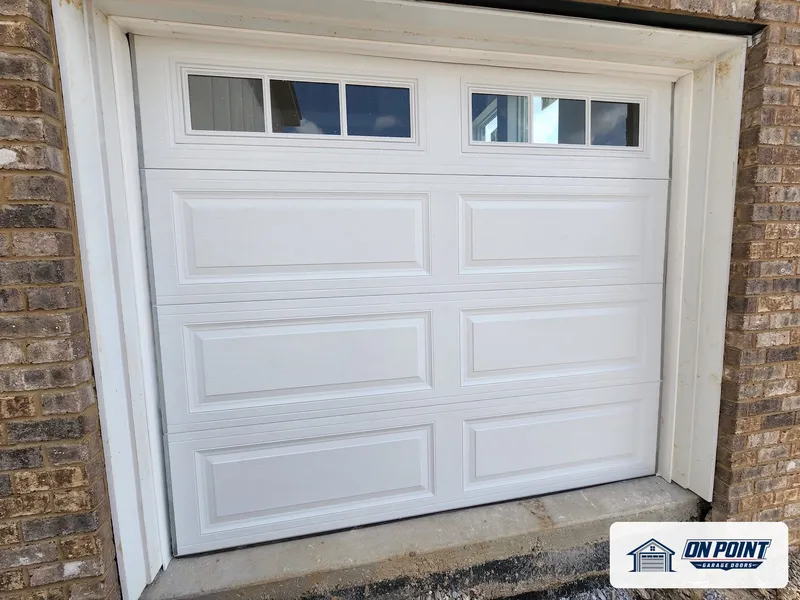
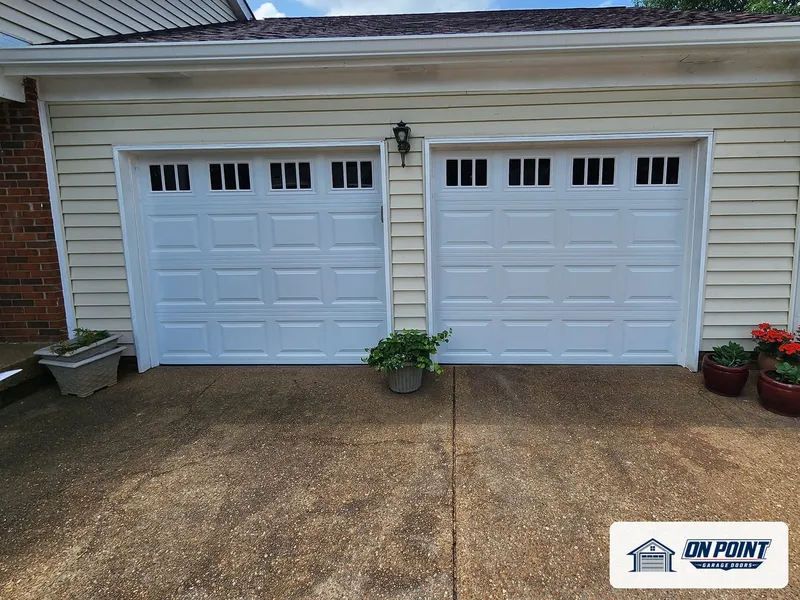
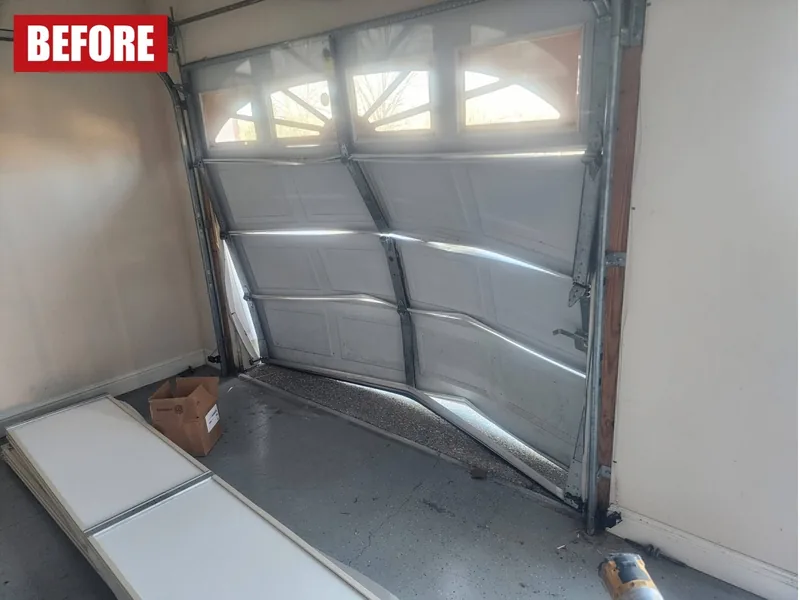
These photos are from our own jobs, with our logo on them.


Garage door repair in Freeport for the homes along the canals, the inland capes and colonials, and the shops and marinas near the Nautical Mile. Free estimate first.
The streets along the canals breathe salt air every day and take water in the worst storms, and that rusts the bottom of the door and the lowest stretch of track first.
After the big storm surge years back, many of those garages were cleared out down to the slab, and doors that sat in brackish water still show it in their bottom brackets.
The waterfront strip lined with seafood restaurants, bait shops and marinas runs along one canal, and boat yards on the side streets use wide roll-up doors.
Back from the water, the village is mostly Capes, colonials and ranches on regular blocks, with shops along Main Street, Merrick Road and Sunrise Highway.
Inland, older capes and colonials have detached garages with doors that have seen decades of use.
Commercial roll-up doors near the water are balanced by springs inside the drum, and those springs rust faster than inland ones.
When a curtain starts to feel heavy on the hand chain, it is usually those barrel springs losing strength, not the motor.
Marinas, boat storage and shops use roll-up doors and rolling gates that run every day in season.
High-cycle springs suit doors that keep wearing through standard ones.
Boat trailers and work trucks parked close to garages lead to bumped tracks and dented panels.
Trailers backing toward a garage are the most common cause of bent bottom sections.
Storefronts along the main avenues have rolling gates opened before dawn by some owners, so early visits are possible.
Some homes were raised after the storms, and their garages now sit high with a ramp up to the door.
On those raised homes, the bottom seal and the opener's down travel are set to the slope of the ramp, so the door closes snug instead of bouncing back.
Canal homes often have a second, smaller door for boat gear, tackle and the outboard, and both doors get looked at in one visit.

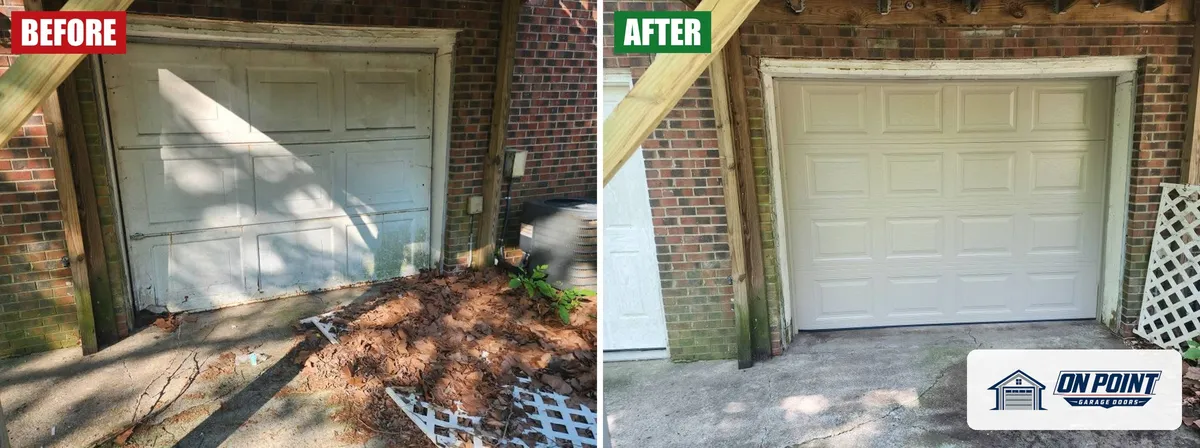
Houses, marinas and shops get one routine: inspect, then estimate.


Waterfront garages. Rusted brackets, cables and tracks are replaced with rust-resistant parts.
Doors that took on water are checked from the floor up, starting with the bottom brackets.
Salt air shortens the life of springs on canal-side garages, so a fairly new door can still need replacements.
Roll-up doors and gates. Tired drum springs and bent slats cause most of the trouble.
Locks exposed to salt air seize, and they are freed or replaced on the visit.
Bottom bars on rolling gates take the most abuse, and a bent one keeps the lock from catching.
Detached garages inland. Broken springs and worn rollers on older doors are common.
Parts patched together from several old repairs are matched properly.
Openers. Wet or aging openers are tested, and replacements are explained when needed.
Weather seals on marina doors keep wind and rain out of the storage space inside.
Damaged doors and gates should not be run until they have been looked at.
After a boat trailer clips the door, the bottom section, the tracks and both cables are checked, because the damage rarely stops at one part.
The canals, the village blocks and the waterfront strip are a steady stop on our south shore Nassau route, and the same crews work Queens and Brooklyn.
The notes from your call are with the technician when he arrives.
A shop or marina gate that refuses to lock at closing, or a car shut inside on a workday, goes ahead of routine work.
Winter. Cold wind off the bay is hard on springs and on the wide doors at the boat yards.
Spring. Before boating season, roll-up doors and gates get busy, and a tune-up keeps them running.
Boat owners pulling trailers out of winter storage put fresh strain on garage tracks that were bumped the fall before.
Summer. Heat swells gate slats in their guides, and gates start to drag.
Fall. Before storage season, door springs and locks are worth a check.
He starts by sorting out what he is looking at, a sectional garage door, a roll-up at a boat yard or a storefront gate, then works through its springs, cables, slats, guides and motor.
He walks you through what salt and age did to the parts and writes a free estimate, one item at a time.
Parts are matched to the exact door or gate, and the common ones are carried with him.
Rust-resistant hardware goes on wherever salt water ate the old parts.
Before he packs up, every opener and gate motor is shown stopping and reversing when something is in the way.
Old parts are hauled away, and the dock, driveway or storefront is left clear.
Gates are run up and down and locked before he leaves, so you know they secure.
Marinas and the restaurants on the waterfront strip can book a visit before the lunch crowd or after the docks close.
Homeowners get a call before arrival.
The choice is always yours.
Doors and gates by the water depend on a few heavy-duty parts that salt attacks first.
A spring carries the whole weight of a door or a rolling gate, and once it lets go nobody should try to heave it up.
Coated springs are offered where salt wore out the old ones early.
Salt gets into the cables where they wrap the bottom bracket, and once one side frays the other is not far behind, so both are renewed.
Long cables on commercial doors are checked end to end.
Photo eyes near the floor corrode in the damp, and a door that refuses to close on a dry day often has a failed eye.
Bent guides can trap a gate halfway, and it is never forced.
Tracks bent by trailers are set straight before the door runs again.
Gate motors and openers worn by daily use are explained honestly, with replacements when needed.
Battery backups keep doors working in storm outages.
Tell us if it is a house garage on a canal, a roll-up at a boat yard or a gate on a storefront, and what it did last.
The estimate is free for homes and businesses.
Start with the bottom: the brackets that hold the lift cables, the lowest rollers, the bottom section and the first stretch of track. Brackish water rusts those quickly, sometimes weeks after the water is gone. The opener and its photo eyes are tested too, since the eyes sit low and corrode first.
Yes, but it has to be set to the ramp. The bottom seal is chosen to follow a floor that slopes toward the street, and the opener's down travel and force are set so the door seals without bouncing back. On some raised homes the track also needs new brackets on the new framing.
We do. Wide roll-ups at the yards run hard in season and sit through damp winters, so the barrel springs, the slats, the guides and the locks all see salt. Visits can be set before the yard opens, and a door that will not close for the night is handled ahead of routine work.
Salt pits the coils, and a pitted spring cracks long before a clean one would. Coated or galvanized springs and galvanized fasteners stand up to the water air much longer, and the technician will point out which parts on your door are rusting from the inside out.
Usually. A gate that has become hard to raise has springs in the barrel that have lost tension, a bent bottom bar, or guides packed with grit. Each one is checked, the tension is reset or the springs renewed so the gate rises evenly, and if it has a motor its limits are set afterward.
Describe the door or gate and choose a time that suits the house or the business; the estimate is free.
Call us at (929) 429-2429.
Say what the door or gate is doing and where it is; you get a free estimate back whatever you decide.