
Leave your name and number and we’ll call you back to set a time.
Many rolling steel doors and large sectional doors in warehouses, shops and garages are opened by hand with a looped chain hanging beside the opening. Pulling one side raises the door and pulling the other lowers it, through a set of gears that turns a small effort into enough force to move a heavy curtain. Doors with an operator usually carry a chain hoist as well, so the door can still be moved when the power is out. When the chain gets stiff, jumps off its wheel or stops holding the door, a busy entrance turns into a problem. This page explains how a chain hoist works, what goes wrong with it and how it is put right. Free estimate at (929) 429-2429.
By Sean Cohen, owner, On Point Garage Doors · Updated
Photos from our own jobs.
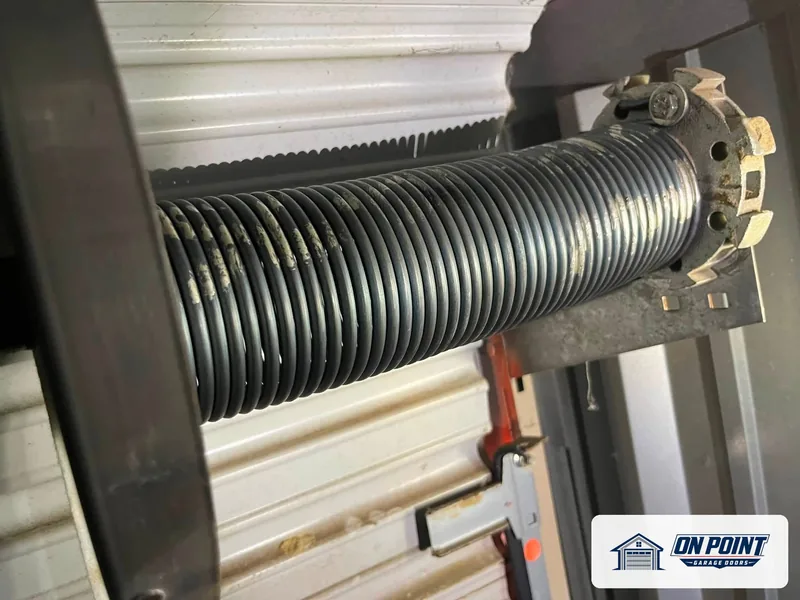
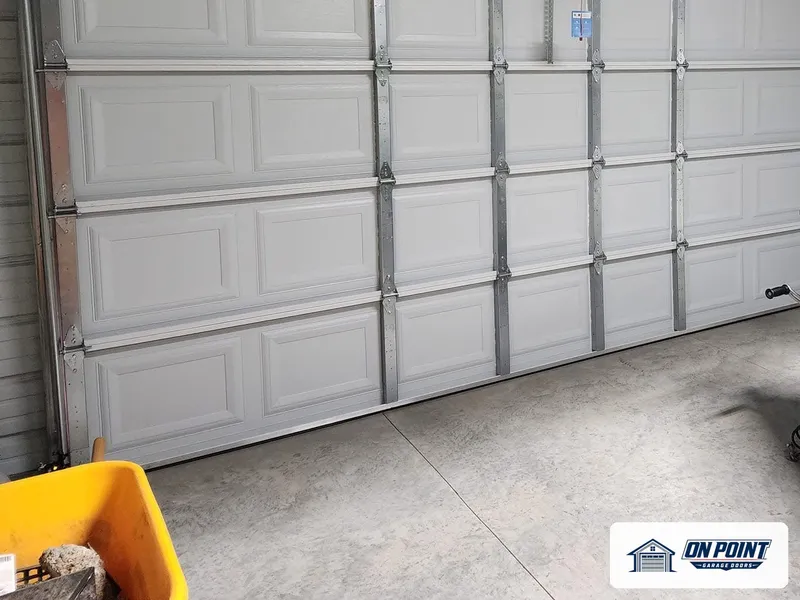
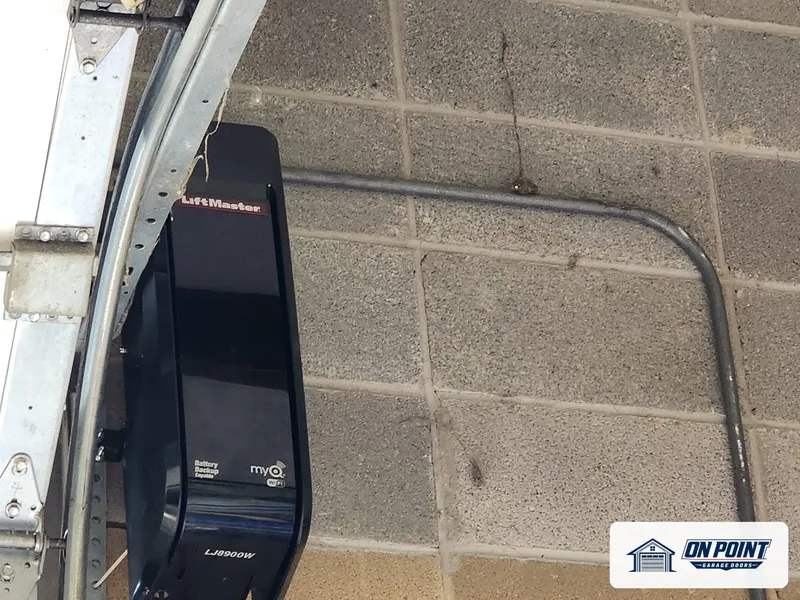
A chain hoist is a gear reducer mounted at the end of the door's barrel or shaft. The hand chain runs over a pocket wheel on the outside of the hoist, and each pull turns that wheel a little. Gears inside step the motion down, so many feet of chain turn the barrel a short way. The springs inside the barrel carry most of the door's weight, and the hoist only has to supply the difference. That is why a well-balanced door with a healthy hoist can be raised by one person without a struggle.
A chain that used to move easily and now takes real effort is telling you something about the whole door, not only the hoist. Weak or broken springs leave the hoist lifting weight it was never meant to carry. Bent guides, a dented curtain or a bottom bar that drags make the door bind. Dry or worn gears inside the hoist add their own resistance. Forcing a stiff chain harder tends to strip gears or bend parts, so the cause is found first.
The hand chain sits in pockets on its wheel and is held there by a guard. If the chain is pulled at a steep angle, if the guard is bent or missing, or if the links are stretched or twisted, the chain can ride up and fall off. A chain that has come off often ends up tangled or kinked on the floor. Putting it back on the wheel is only half the job; the guard, the chain and the way staff pull it are checked so it stays put.
A hoist has a brake or a lock that holds the door where it stops. When the door creeps down after the chain is let go, the brake inside may be worn, or the springs may have lost enough tension that the door is heavier than the hoist can hold. A door that will not stay open is a safety risk for anyone walking or driving under it, so it should be kept closed and taken out of use until it is checked.
Most hand-chain doors have a keeper on the wall where the chain is hooked when the door is not moving. It keeps the chain out of the way of carts and forklifts and stops anyone from lowering the door by tugging a loose loop. Many also have a padlock point so the chain cannot be used from inside when the building is closed. A missing keeper leaves a loose chain swinging in a work area, which is easy to fix and worth fixing.
On a door with an operator, the chain hoist is how the door is moved when the power fails or the motor quits. Many operators have an engagement lever or pull cord that switches between the motor and the chain, and some have an electrical interlock that keeps the motor from running while the chain is engaged. If that switch is left in the wrong position, the operator may hum, fault or refuse to run. Staff should know where the backup is and how it is engaged, and it should be tested on service visits so it works during the next outage.
Hand chains take a lot of handling, weather and dirt. Links stretch, plating wears off, rust sets in near loading docks open to the weather, and kinks form where the chain has been knotted or caught. A worn chain slips on its wheel and can snap under load. Replacing the chain is usually simple once the cause of the wear is understood, whether that is a hard-pulling door, a bad pulling angle or a chain left loose in a doorway.
Some owners decide that a door opened many times a day should not depend on someone pulling a chain. Adding an operator to a hand-chain door is often possible, since many hoist-style operators mount in the same spot and keep a chain for backup. The door has to be in good order first: balanced springs, straight guides and a sound curtain. Our page on commercial door operators covers the motor side.
Only trained staff should run a heavy door by hand, and the opening should be clear before the door moves. Nobody should stand or drive under a door that drifts or stops on its own. Springs and the barrel hold a great deal of stored energy, so spring and barrel work is left to a technician with the right tools. If the chain or hoist fails with the door partly open, keep people away from it and call for service.
We run the door with the chain, feel how hard it pulls and watch how it travels. We check the springs and barrel, the guides, the curtain or sections and the bottom bar, then the hoist, its gears, brake, chain wheel, guard, keeper and the chain itself. On a motorized door we test the switch between chain and motor. You get a plain explanation and a written estimate before any work starts.
Usually weak or broken springs, a binding door or worn gears in the hoist. Forcing it can strip the gears, so the cause should be found first.
A bent or missing guard, a stretched or twisted chain, or pulling at a steep angle lets it ride off the wheel. All three are checked.
Yes. The hoist brake may be worn or the springs weak. Keep the door closed and people clear of it until it is checked.
Often, yes. Many operators mount where the hoist sits and keep a chain for power failures. The door is put in good order first.
Yes. We run the door, find the cause and give you a written estimate before any work starts.
Tell us what the door is doing and we’ll set a time that works for you.
Free estimate, call (929) 429-2429.
Tell us what the door is doing and we’ll tell you when we can get there. The estimate is free.
Easier to explain by phone? Call (929) 429-2429.
Tell us what the door is doing. The estimate is free either way.

Where we work
Brooklyn, Queens and Long Island. Tap your town.
 Bay RidgeBrooklyn
 AstoriaQueens
 Valley StreamNassau County
 HuntingtonSuffolk County
 Sheepshead BayBrooklyn
 BaysideQueens
 Garden CityNassau County
 BabylonSuffolk County
 Marine ParkBrooklyn
 FlushingQueens
 MassapequaNassau County
 SmithtownSuffolk County
 CanarsieBrooklyn
 Howard BeachQueens
 LevittownNassau County
 Mill BasinBrooklyn
 Forest HillsQueens
 FreeportNassau County
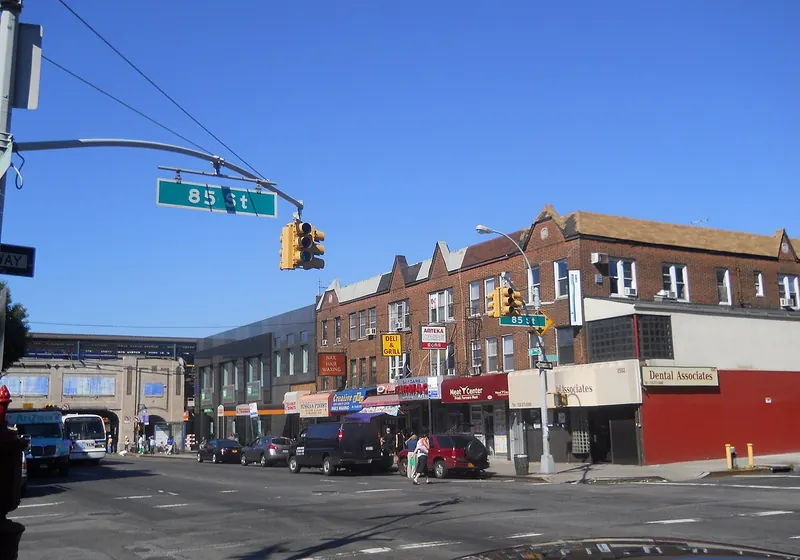 BensonhurstBrooklyn
 Long BeachNassau County
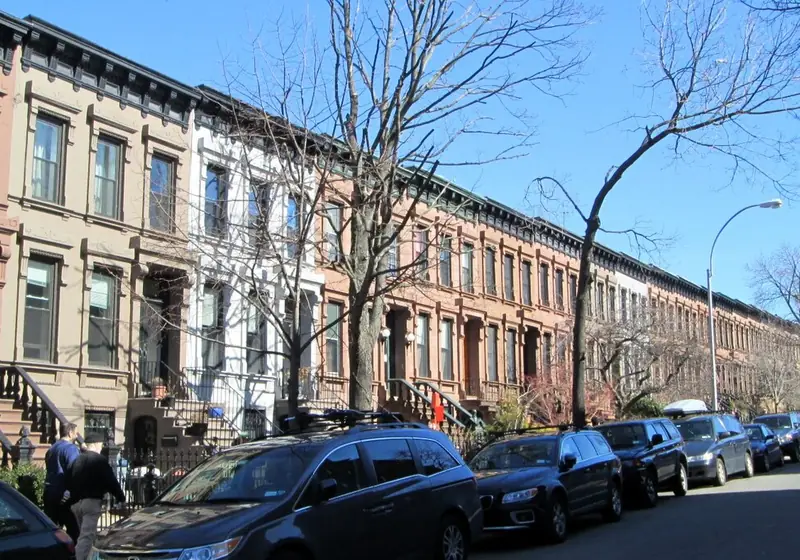 Park SlopeBrooklyn
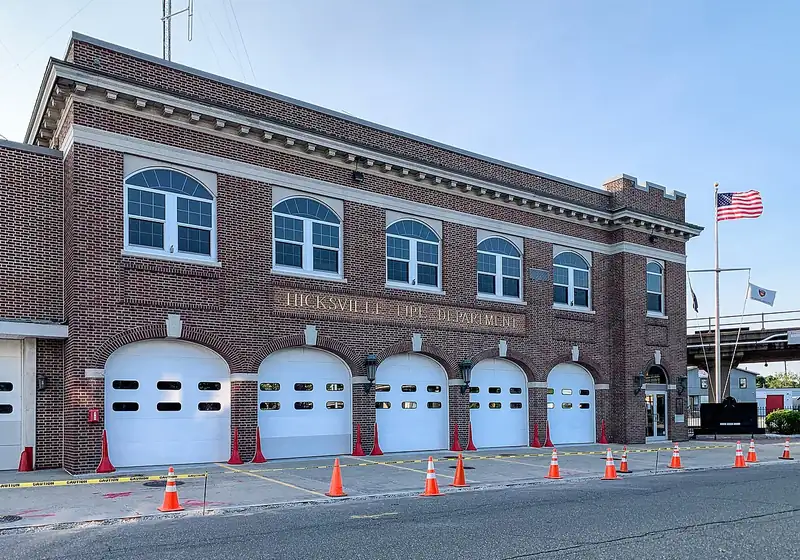 HicksvilleNassau County
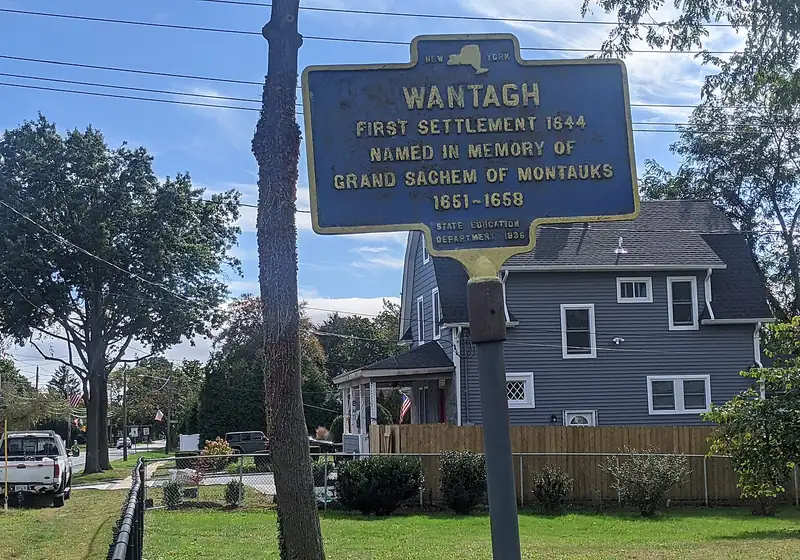 WantaghNassau County
 SeafordNassau County