Serving Brooklyn, Queens and Long Island(929) 429-2429Open six days a weekFree estimateGuaranteed work
On Point Garage Doors
Open 24 hours Sun-Thu, Fri until 5 pm Free estimate Springs, openers, cables We come to you
Emergency?Call nowBook free estimate
New York, NY - open six days a week

Commercial garage door maintenance

Free estimateSame-day serviceCommon parts on board
  • Free estimate
  • Same-day service
  • Common parts on board
Emergency garage door repair★★★★★ 5.0 on Google · 42 reviews

Book your free estimate

Takes 30 seconds. We call you back to set a time.

Or just call (929) 429-2429 and talk it through.

Home › Commercial Door Maintenance

A commercial door can open more times in a week than a home door opens in a season. That use wears springs, cables, rollers, guides and operators far faster, and a door that breaks in a busy building means lost loading, staff time and security. Planned maintenance catches worn parts while they are still working, so they can be changed on a quiet day instead of failing in the middle of a delivery. This page explains what a commercial maintenance visit covers on the different door types, and how we decide how often a building should be seen. Free estimate at (929) 429-2429.

By Sean Cohen, owner, On Point Garage Doors · Updated

Real jobs. Real photos.

These photos are from our own jobs, with our logo on them.

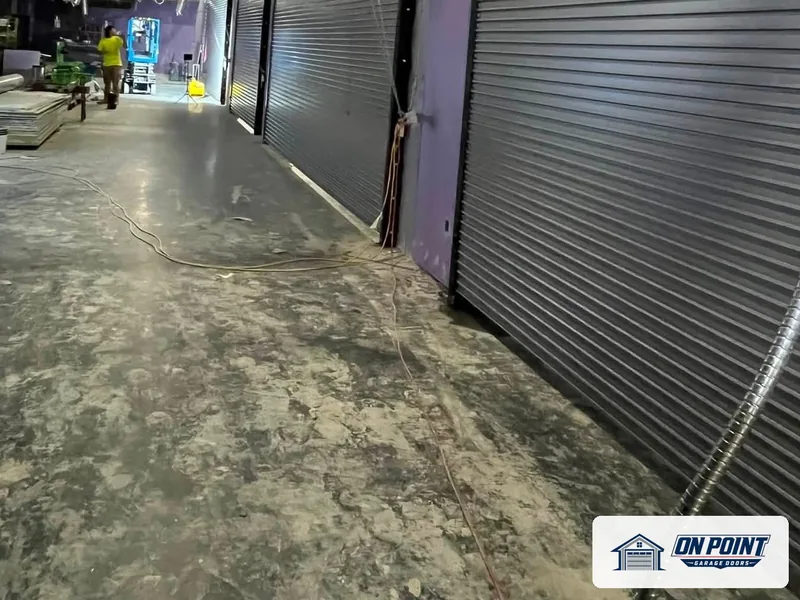
Rolling doors on a commercial building, from one of our jobs
Rolling doors on a commercial building
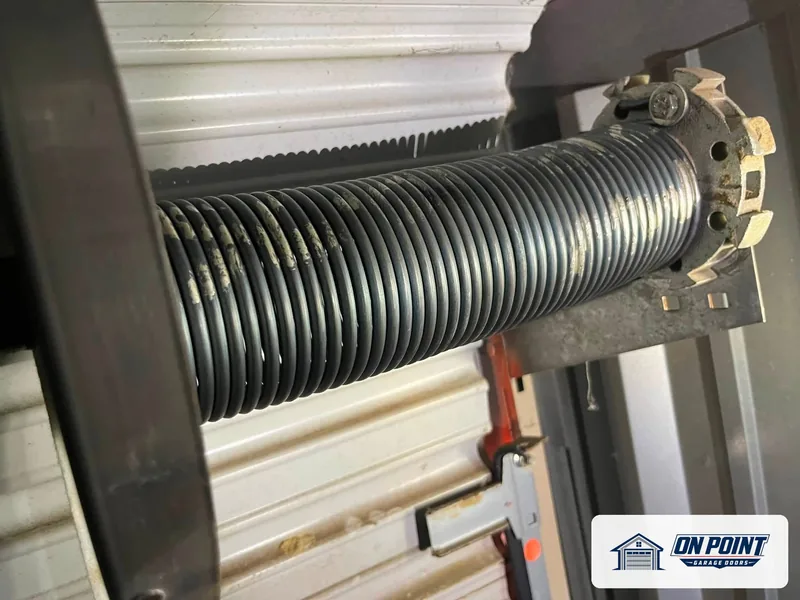
Spring inside a roll-up door, from one of our jobs
Spring inside a roll-up door
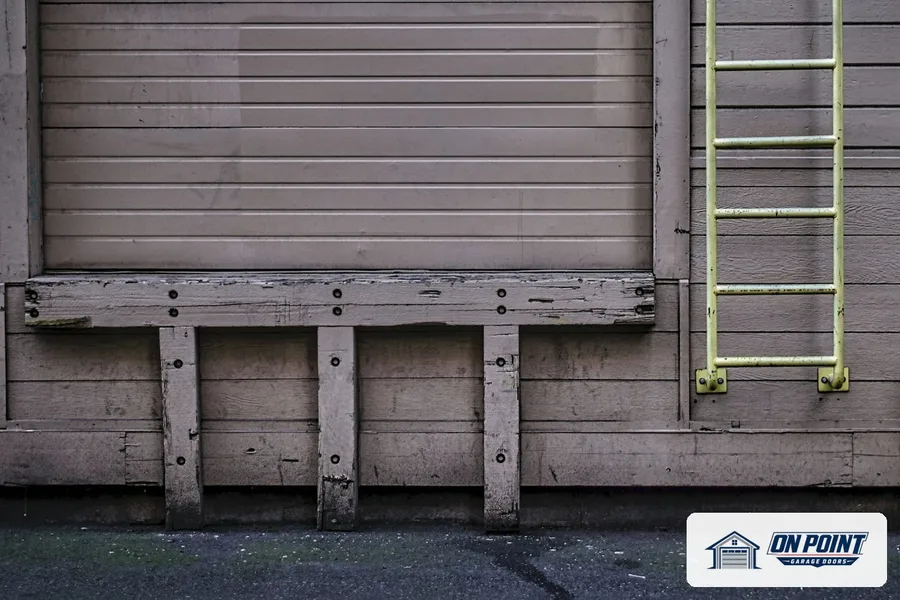
Roll-up door at a loading dock, from one of our jobs
Roll-up door at a loading dock

Why busy doors need planned visits

Every part of a door has a life measured in cycles: one open and one close. On a home door those cycles add up slowly. On a dock door, a parking garage door or a shop bay, they add up fast, and parts reach the end of their life sooner than anyone expects. Without planned visits, the first sign of wear is usually a door stuck open at the end of the day.

Sectional doors

Rolling steel doors

On a rolling door we look at the curtain for bent or worn slats and missing end locks, the guides for damage and line, the bottom bar and its seal, and the spring tension in the barrel. We check the hood, the brackets that hold the barrel, and the bearings that let it turn. A curtain that drags in the guides or a spring that has lost tension makes the operator work harder and wears it out sooner.

Dock doors and their surroundings

At the dock, the door is part of a system. A door that does not close fully on the leveler, a seal torn by trailers or a bumper worn down so trucks reach the door can all cause damage and let weather in. On a maintenance visit we check how the door, the seal or shelter and the leveler line up, even when the leveler itself is serviced by someone else.

Operators and controls

The operator is checked for how it starts and stops, how the brake holds, whether the limits still stop the door in the right spots, and whether the clutch or the drive shows wear. Controls are tested from every station, including remotes, pull cords and loop detectors. Wiring is looked at where it runs along the wall and near the door, where vehicles and staff tend to damage it.

Safety devices

Photo eyes, light curtains and reversing edges are tested on every motorized door. On doors without them, or with old devices that have been bypassed, we point that out in writing. In a building with forklifts and people near the doors, a working safety device is the most important item on the visit.

Fire doors are their own job

Fire-rated rolling doors and shutters close on their own in a fire, and they have their own testing needs, usually spelled out by the building's fire safety requirements. We can look at the door's mechanics on a maintenance visit, but formal drop testing is its own scheduled job. Our page on fire-rated rolling doors covers how those doors work.

How often to schedule visits

There is no single schedule for every building. Doors that open many times a day, doors near the water, doors in cold rooms and doors that get hit often need more frequent visits. A door that opens a few times a week can go longer. On the first visit we ask how each door is used and suggest a schedule that makes sense for the building.

What you get after each visit

After the visit you get a written report for each door: what was checked, what was adjusted, what is wearing, and what we recommend fixing now or watching for later. Worn parts are written up with an estimate so they can be approved and changed on a planned day.

Several buildings or many doors

Property managers, logistics companies and owners of several shops often want one company to look after every door. We keep notes on each door, its parts and its history, so the technician on any visit knows what was done before. Our page on service for contractors and property owners explains how we work with managers.

What a visit includes

The technician checks every door on the list, runs each one through several full cycles, adjusts balance, limits and force where needed, and tests the safety devices. Nothing beyond small adjustments is done without your approval, and you get a written report and estimate for any parts that need changing.

Questions we get asked

How often should commercial garage doors be serviced?

It depends on use. Doors that open many times a day, sit near the water or get hit often need more frequent visits than doors that open now and then.

What does a commercial door maintenance visit check?

Springs, cables, rollers, tracks or guides, the curtain or panels, seals, the operator, the controls and every safety device.

Do you service rolling steel doors and dock doors?

Yes. We look after sectional, rolling steel and dock doors, and the operators that run them.

Do we get a report after the visit?

Yes. Each door gets a written note of what was checked, what was adjusted and what we recommend.

Is the estimate free?

Yes. We look at the doors and how they are used before suggesting a schedule.

Booking takes a minute

Across Brooklyn, Queens and Long Island, tell us what the door is doing and we set a visit that fits your day.

Free estimate, call (929) 429-2429.

Want your doors checked on a schedule? We will set it up

Tell us what the door is doing and we will give you an honest arrival time. The estimate is free.

Easier to explain by phone? Call (929) 429-2429.

Two minutes to a free estimate

Tell us what the door is doing. The estimate is free either way.

Or just call (929) 429-2429 and talk it through.

The other six things that go wrong