
Leave your name and number and we’ll call you back to set a time.
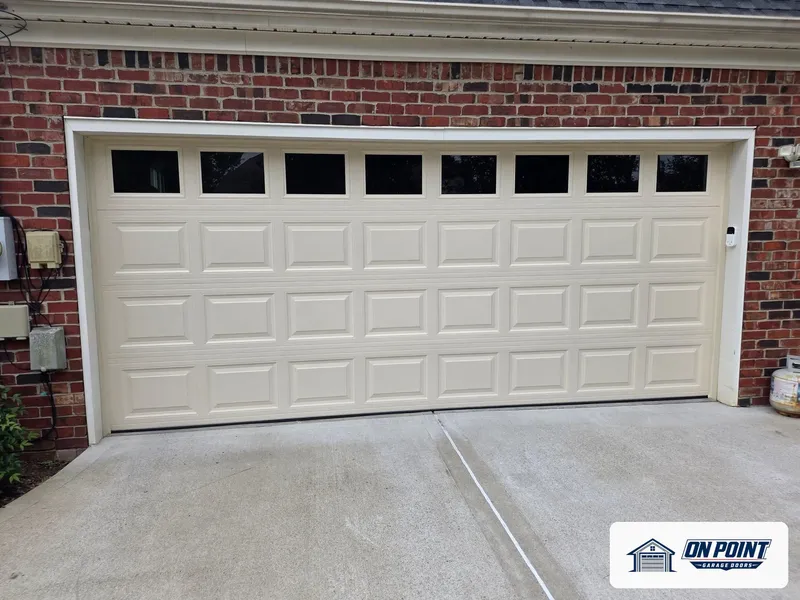
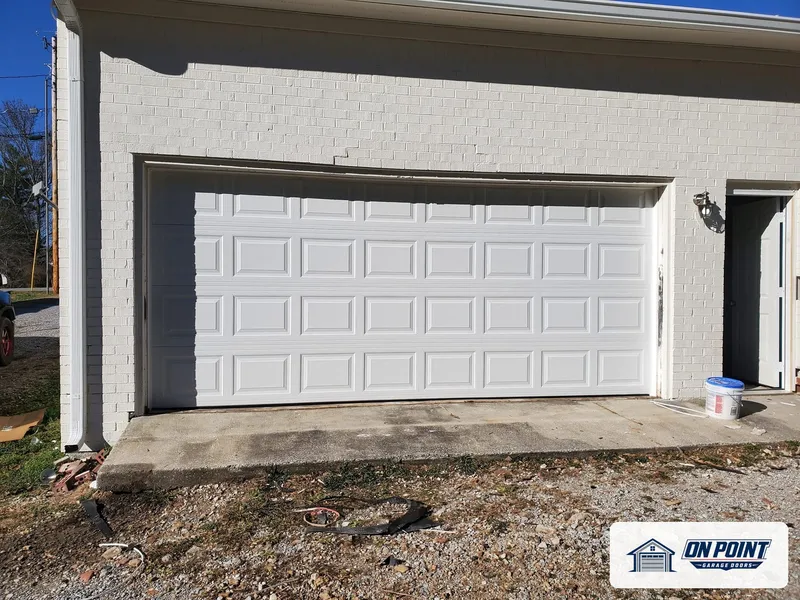
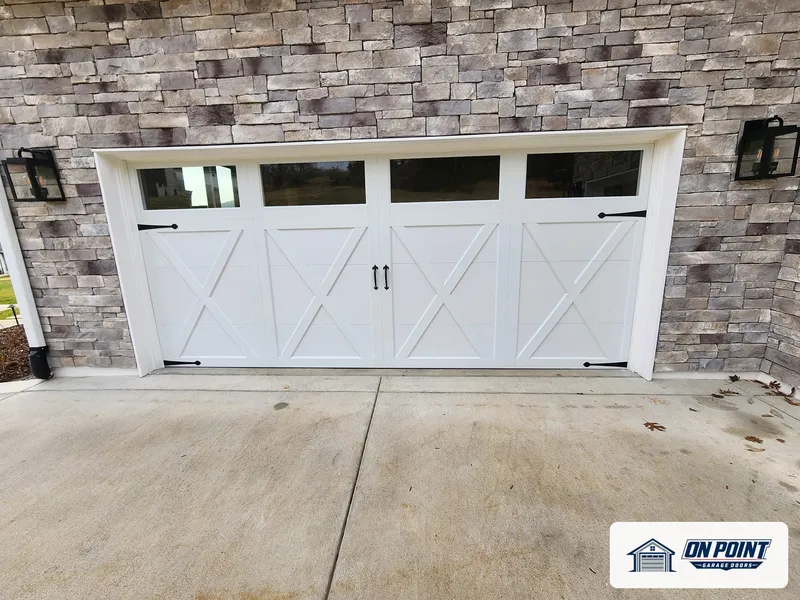
Photos from our own jobs.
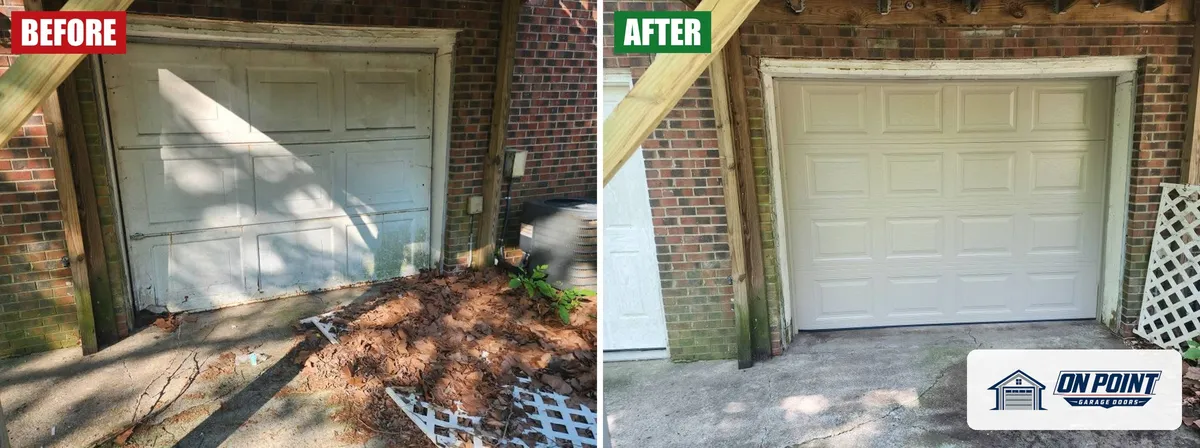
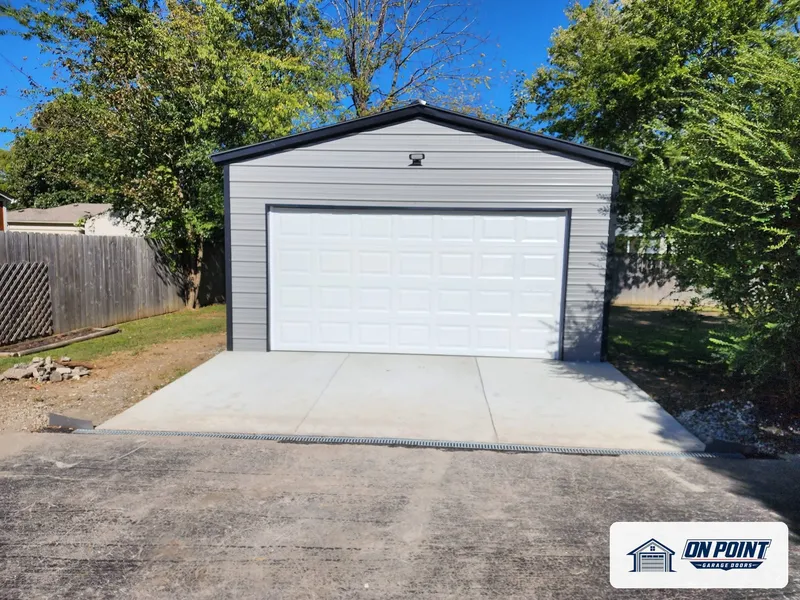
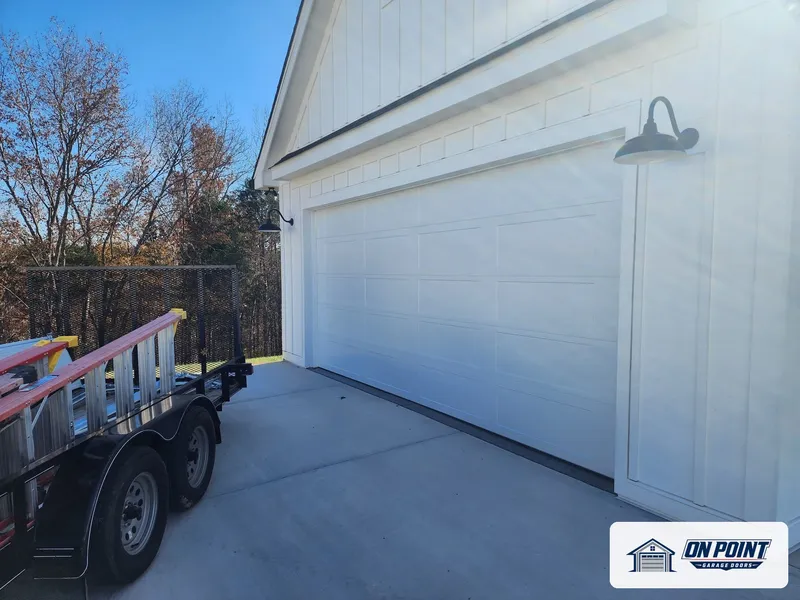
Garage door repair in Bay Terrace, from the attached two-story homes with a garage built into the front to the detached houses on the streets that fall toward the water, plus the parking doors in the co-op and condo buildings. Steel hardware here meets salt air every day. Each door is looked over first, and the written estimate is free.
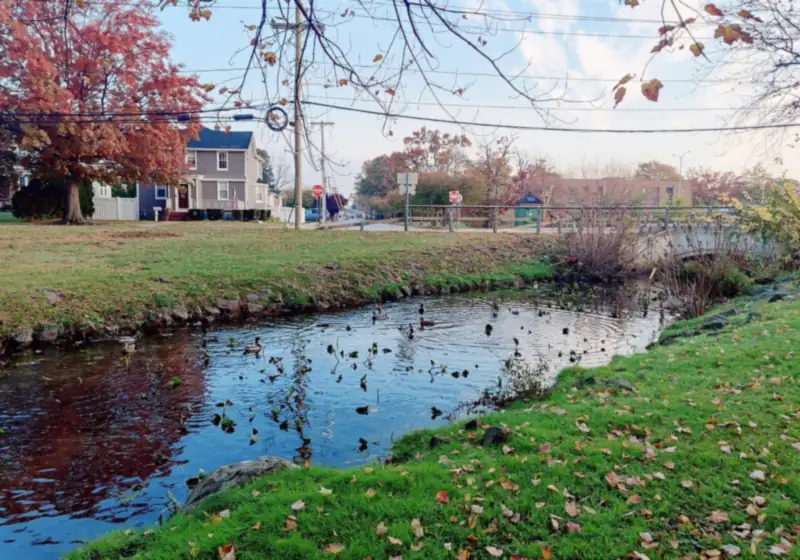
This corner of the borough looks out over Little Neck Bay. The Cross Island Parkway runs along the shore with a walking and bike path beside it, the approach to the Throgs Neck Bridge rises overhead, and Fort Totten, an old harbor fort that is now mostly parkland, holds the point to the north.
Most homes here went up in the decades after the Second World War: garden-apartment co-ops set around lawns, two-story attached homes with a garage in the front, detached houses on the slopes, and a handful of high-rise towers near the water. An open-air shopping center sits at the middle of it all.
Being this near the bay brings wind and salt. Air off the water lifts salt up the slope, where it settles on springs, cables, hinges and the screws that hold them to the frame, and gusts from the open water lean on wide doors and push through any gap in the seals.
Co-ops and condo associations often have house rules on door color, style and who may hire which trades. That shapes the work as much as the door does, so it is worth checking with the board or the manager before a new door is ordered.
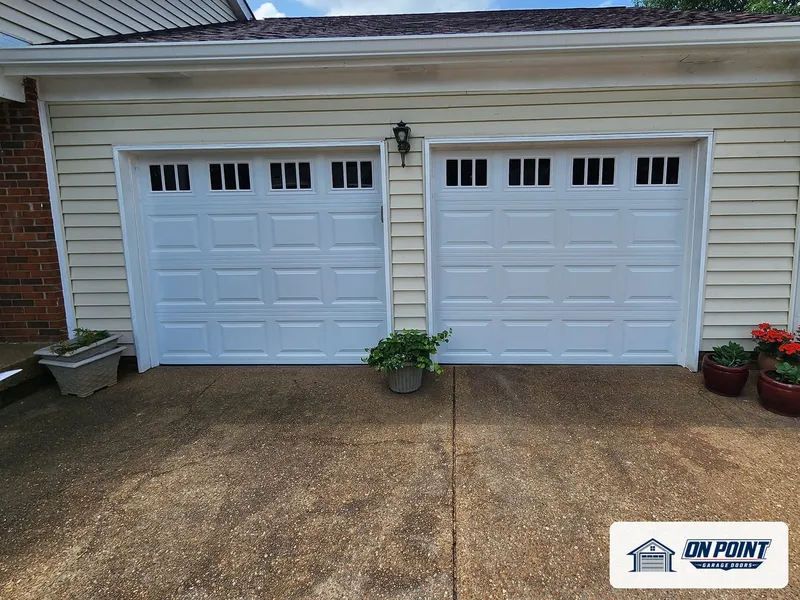
One door built into the front of an attached home, a wider door on a detached house and a parking door under a co-op that runs for every resident each wear out on their own schedule, so the technician first works out which kind is in front of him.
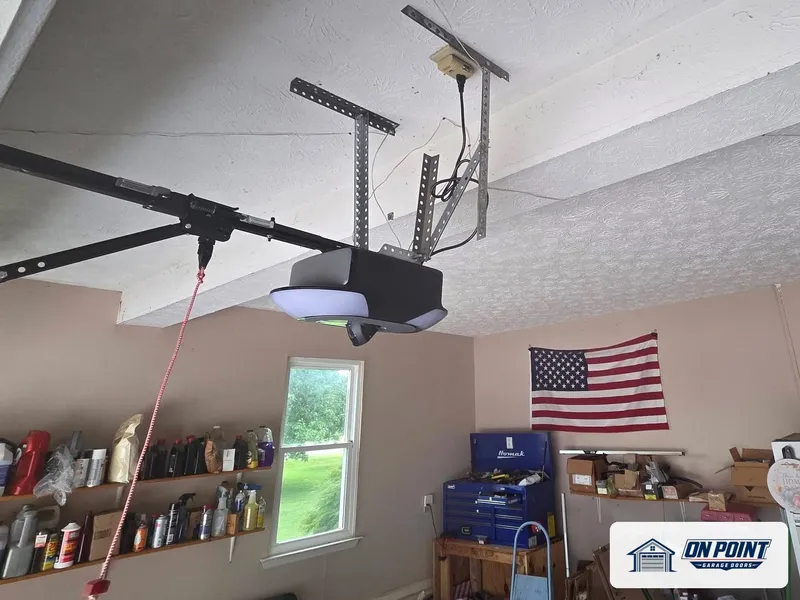
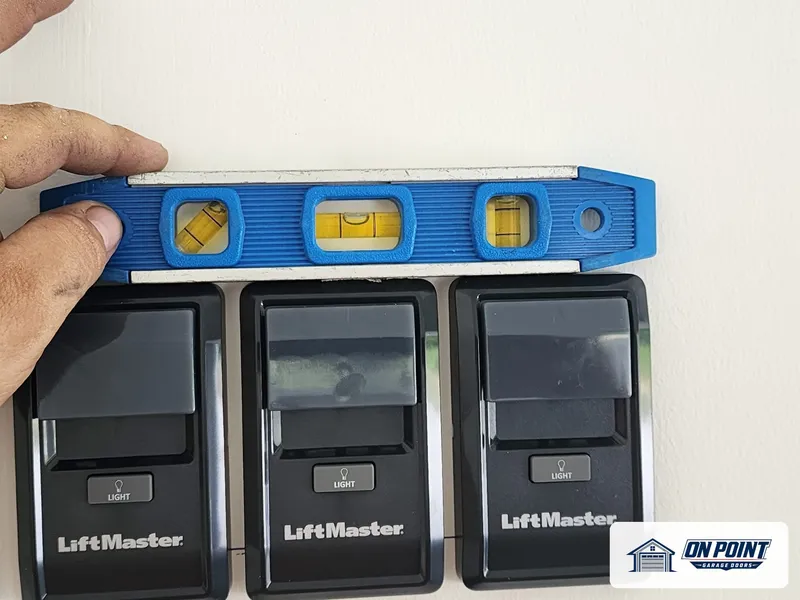
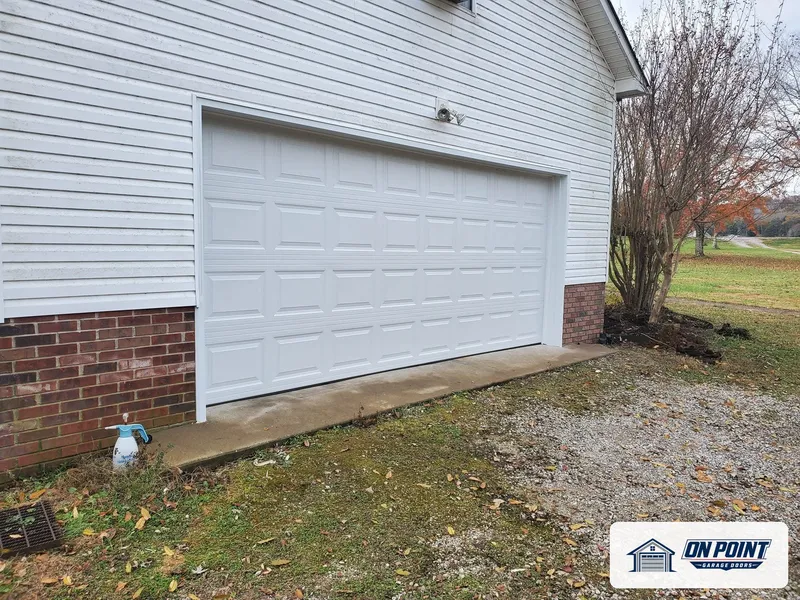
Built-in garages on attached homes. With rooms above and beside the bay, a loud opener or a door that slams carries through the house. Worn rollers, loose hinges and a chain drive bolted to the joists are the usual sources, and each one is checked.
Salt-worn hardware. Close to the water, springs pit, cable ends rust and bottom brackets thin out sooner than they do inland. On a door that faces the bay, all the low hardware is checked together, and coated or galvanized parts are offered where they help.
Building parking doors. A door that serves a whole co-op or condo can cycle dozens of times in a day, wearing its springs and cables far faster than a house door. High-cycle springs, a heavier operator and a door made for that traffic are worth raising with the manager.
Doors on sloping streets. Houses on the streets that fall toward the shore can have garages below the street, where rain runs down the drive to the threshold. The bottom seal and the lowest section take that water, and they are checked along with the brackets.
Doors shoved by gusts. A wide door that bows in a strong wind can pop a roller from its track or crease a panel. Struts across the sections stiffen it, and a door that has been pushed in should stay closed until it has been looked at.
These streets belong to our northeast Queens loop with Bayside, Whitestone and Little Neck, and the same trucks also cover Brooklyn and Long Island.
Let us know if the door is in an attached home, a detached house or a building garage, and whether a board has rules on the door, so the right parts and the right paperwork come along.
A building door jammed open as night comes on, or a car trapped behind a dead door at home, jumps the line; mention it first when you get in touch.
Winter. Wind off the open water drives cold through worn side seals, and springs do their hardest work in the cold. A spring that has been pitting in salt air often gives out on the first truly frigid morning.
Spring. Foggy mornings off the bay leave a film of salt on the hardware nearest the floor, and fresh rust follows. It is a good time to have the brackets, the cable ends and the bottom seal checked before the busy months.
Summer. Bikes headed for the shore path, kayaks and folding chairs go in and out all season, so the door makes far more trips than in winter, and heat in a closed garage under living space dries out the seals and the opener parts.
Fall. Storms bring the hardest wind off the water. Before they come, have the springs, the cables and the safety reverse tested on a calm afternoon, and make sure the struts on a wide door still sit tight to the sections.
He works the door on its opener, then takes it off the motor and raises it by hand to see if the springs carry it. On a door facing the water he checks every bracket, hinge and screw for rust that has gone past the surface.
Each worn part is shown in place, then written on a free estimate in everyday words with safety items first, leaving what to fix now and what to hold off on up to you.
The springs are matched to the door's actual weight, and for the parts nearest the damp floor, coated hardware is an option. Common parts come on the truck; an older section or a part for a building operator may have to be ordered, and that is said up front.
Before he leaves, you run the door on the wall control and a remote, and the reverse is proven on a block under the bottom edge and again with a hand through the sensor beam.
Salt-eaten cables, old springs and every bit of packing go out with him, and the garage or the parking level is swept behind him.
In a co-op or condo building, the manager or the superintendent usually sets the time and lets the technician into the garage. Tell us who to call on arrival and whether residents' cars need to be kept clear of the door while it is worked on.
The door is left alone until the estimate has been read and approved by you or the board.
Salt air works on the steel, wind works on the sections and a busy building door works on everything at once. Knowing which part carries which load turns most failures into something seen coming.
Springs. Salt pits the coils, and a pitted spring can snap with no warning; on a building door the sheer number of trips wears them down early too. With a broken spring, keep the door shut and the opener off until it has been seen.
Cables. Fog and rain gather at the threshold and rust the lower loops first. Once strands fray by the bottom bracket, both cables go in together so the door lifts evenly.
Safety eyes. Sensors at floor level corrode in damp air and get knocked by carts and bicycles. A door that will not close is often a sensor out of line or a wire gone green, and both are checked first.
Rollers and hinges. On a door that flexes in the wind, rollers wear unevenly and hinges crack at the center sections. Nylon rollers run quieter on a garage under bedrooms, and cracked hinges are swapped before they let a section sag.
Openers and building operators. A circuit board in a damp garage near the water can quit without warning, and a busy parking door needs an operator rated for that kind of use. The motor is tested off the door before any new unit is mentioned.
Tell us whether it is a house door or a building door, roughly how busy it is, and what happens when it acts up. Pictures are welcome, not required.
Free estimates for homeowners, co-op boards and building managers on the streets above the bay.
Ask the board or the managing agent for any rules on door color, panel style, windows and who may do work on the building. Many associations want every door on a row to match. The technician measures the opening and the headroom, notes what the neighboring doors look like and writes the estimate so it can go to the board for approval before anything is ordered.
Most likely. Salt carried up from the water settles on bare steel and keeps working whenever the air is damp. Galvanized or coated springs, stainless fasteners and nylon rollers hold up better in that air than plain steel parts. The technician checks how deep the rust has gone, changes anything that has lost strength and lists coated replacements for the parts that are only starting to show it.
It does add up. Every spring is rated for a certain number of trips, and a door that opens for each ride to the shore path and back uses them faster in the warm months. The technician checks the springs, cables and rollers for wear, and if the door works that hard, springs built for more cycles and coated parts that stand up to wet gear and salt air are listed on the estimate.
Every spring is built for a limited number of open and close cycles, and a door that serves a whole building can use up a standard spring far sooner than a house door would. High-cycle springs are made for that kind of traffic and last much longer. The technician counts how often the door runs, checks the cables, the operator and the safety devices, and writes up springs and parts sized for the building's use.
Usually. The whistle comes from gaps between the door and the jambs or under the bottom section, where weatherstrip has shrunk, split or pulled away. New side and top seals, a fresh bottom seal and a door adjusted to sit tight against the stops close most of it. On a wide door that bows in a gust, a strut across the sections helps the seals stay in contact.
Name the problem and a time when the super, the manager or someone at home can open up; both the visit and the written estimate are free.
For a salt-worn door, a built-in garage under living space or a building parking door, call (929) 429-2429.
Jot down what the door does and when it began, and the free estimate follows.
Where we work
Brooklyn, Queens and Long Island. Tap your town.
 Bay RidgeBrooklyn
 AstoriaQueens
 Valley StreamNassau County
 HuntingtonSuffolk County
 Sheepshead BayBrooklyn
 BaysideQueens
 Garden CityNassau County
 BabylonSuffolk County
 Marine ParkBrooklyn
 FlushingQueens
 MassapequaNassau County
 SmithtownSuffolk County
 CanarsieBrooklyn
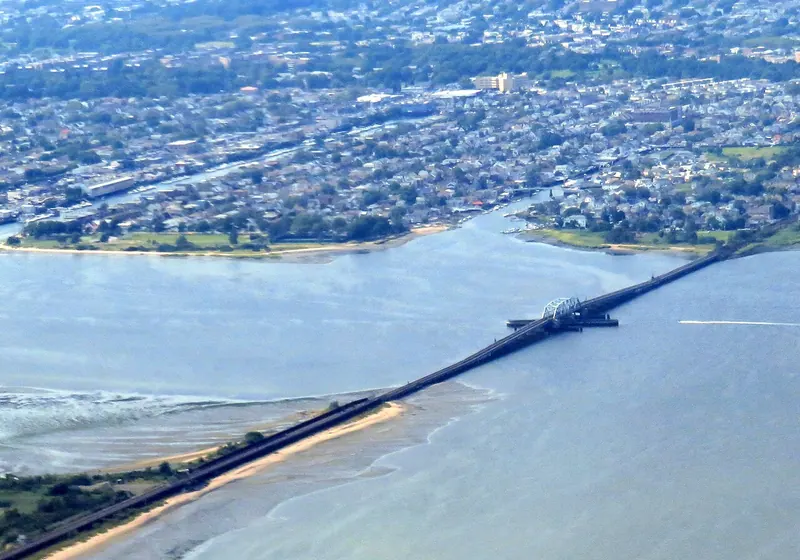 Howard BeachQueens
 LevittownNassau County
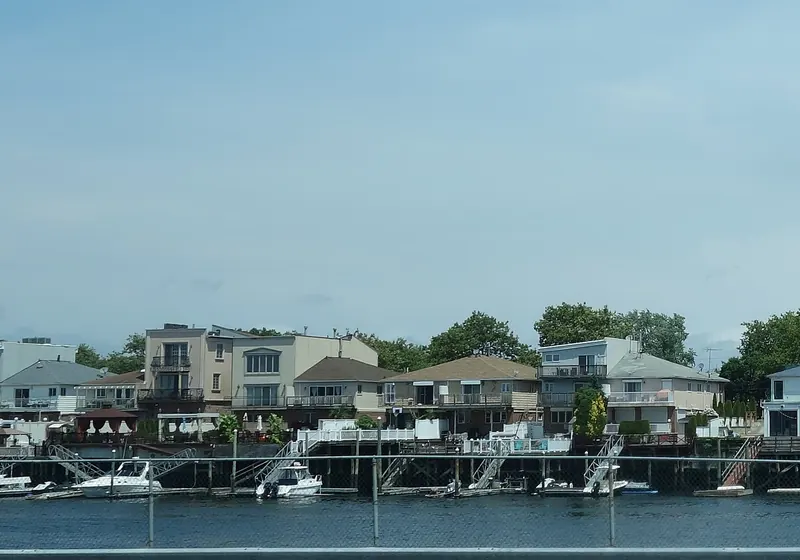 Mill BasinBrooklyn
 Forest HillsQueens
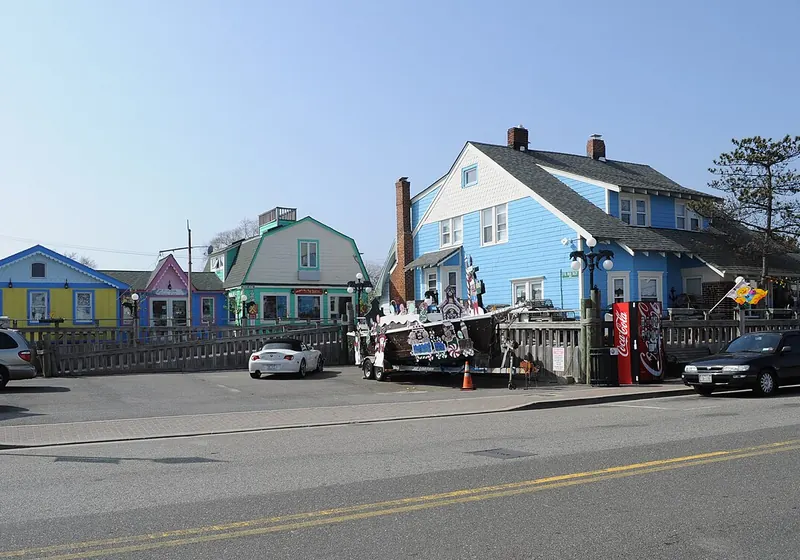 FreeportNassau County
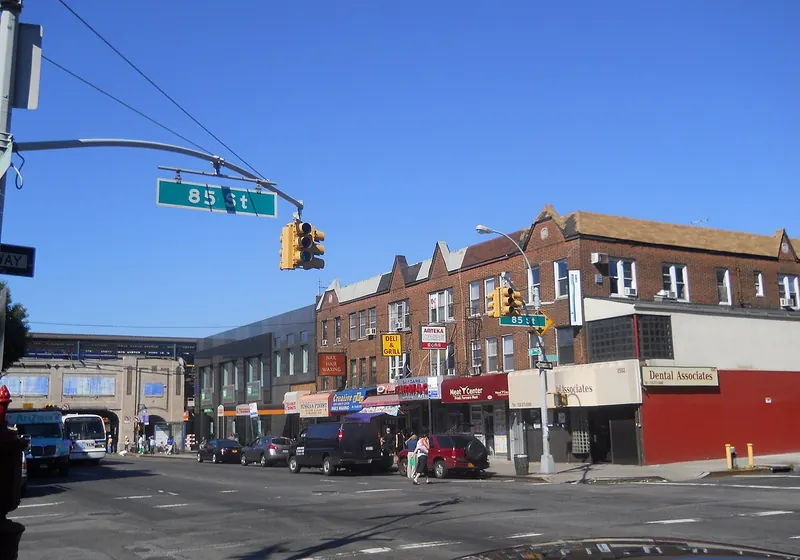 BensonhurstBrooklyn
 Long BeachNassau County
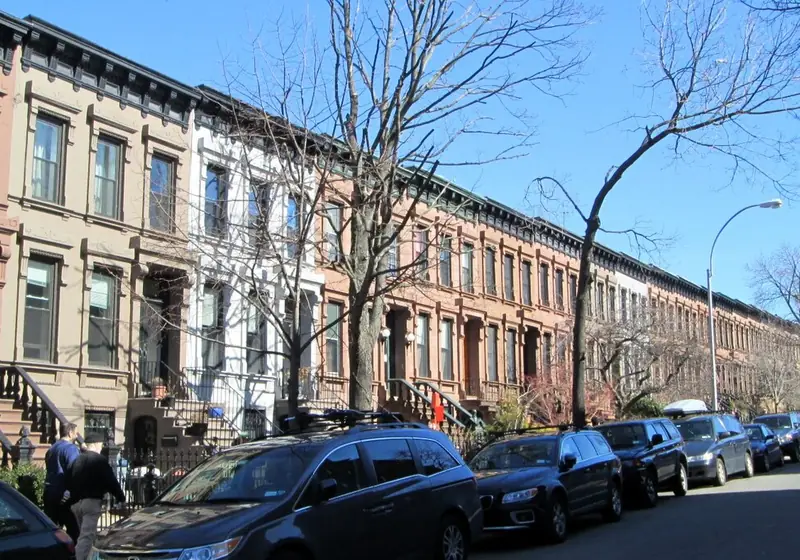 Park SlopeBrooklyn
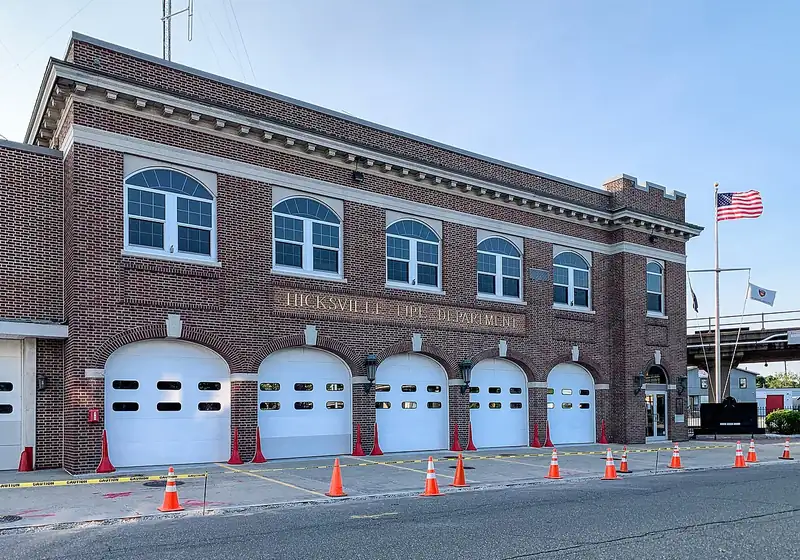 HicksvilleNassau County
 WantaghNassau County
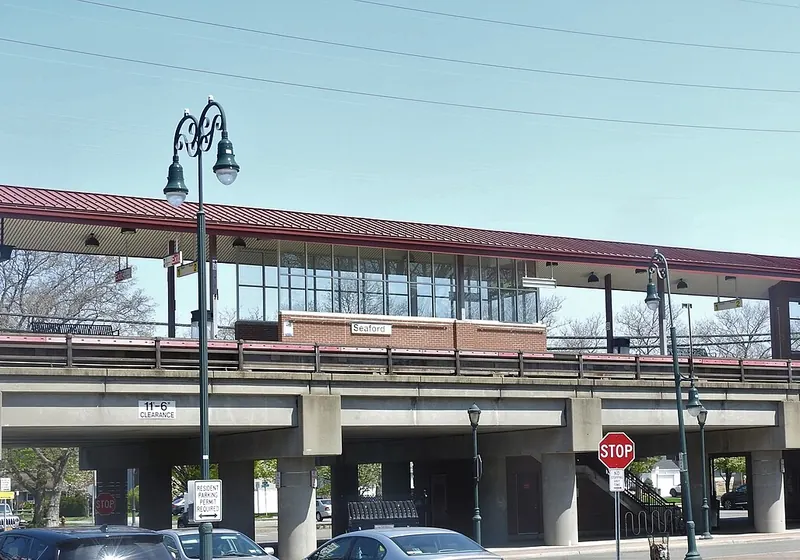 SeafordNassau County