Takes 30 seconds. We call you back to set a time.
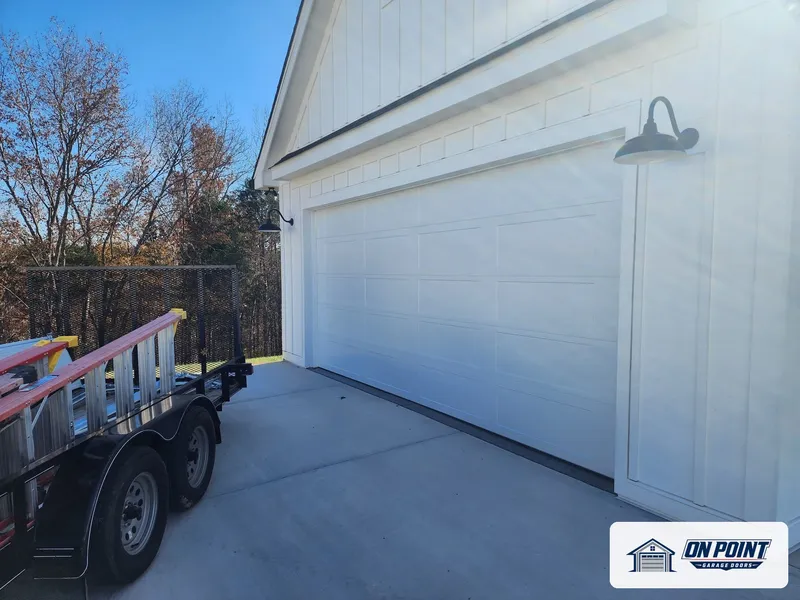
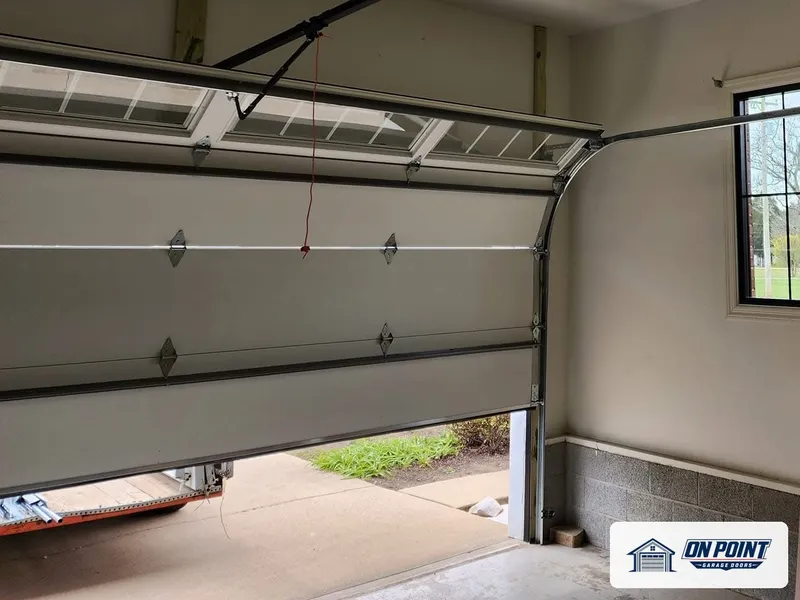
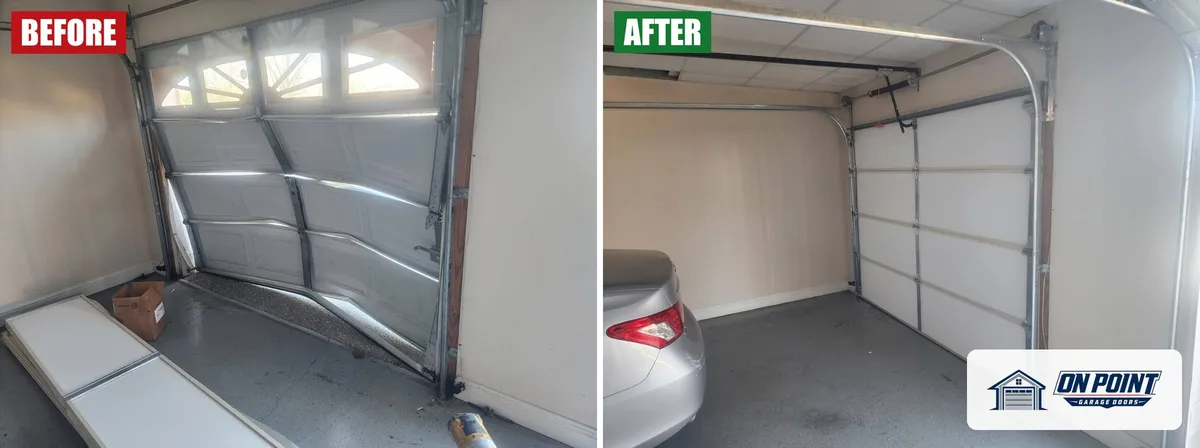
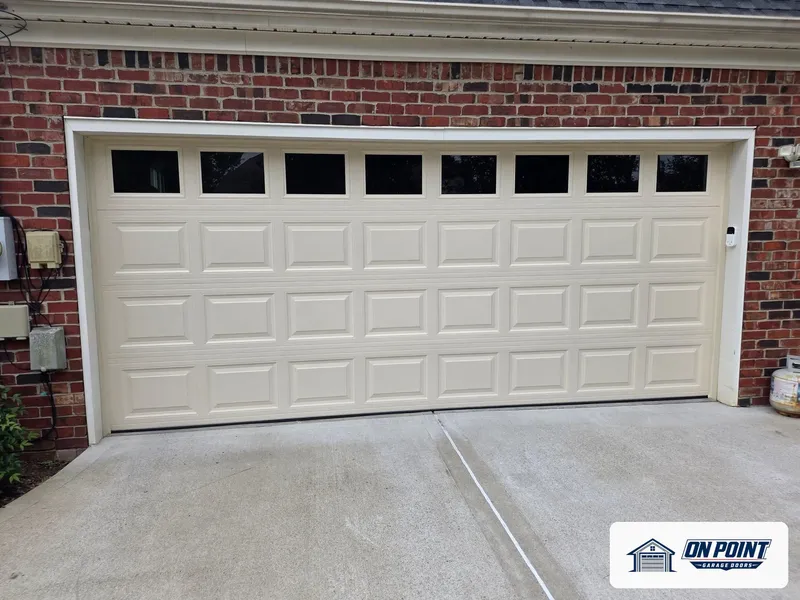
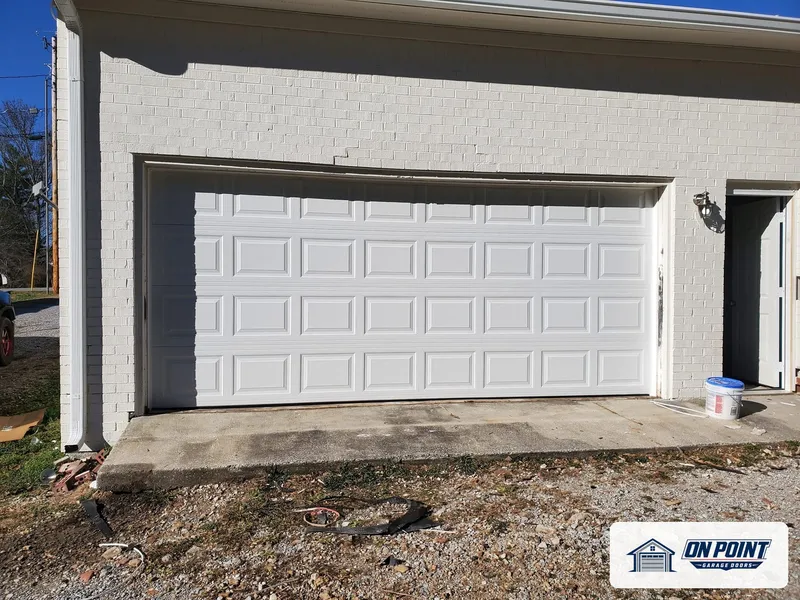
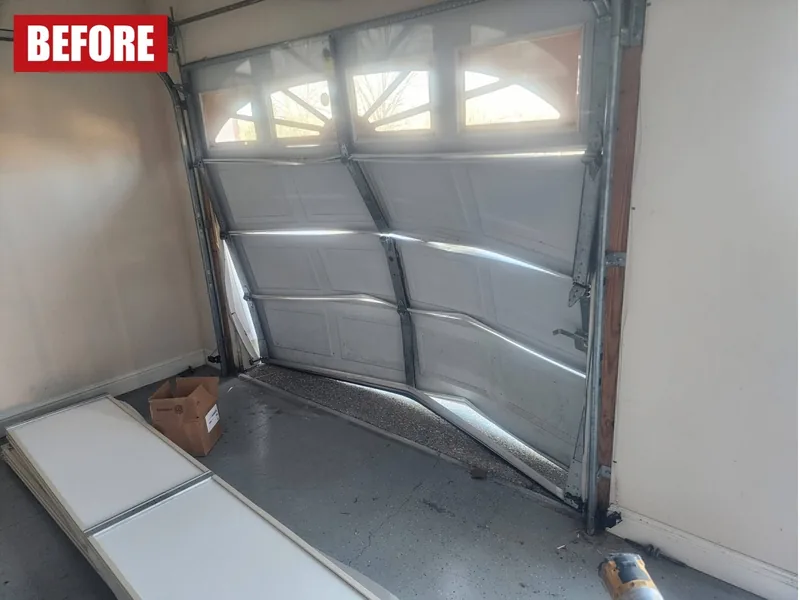
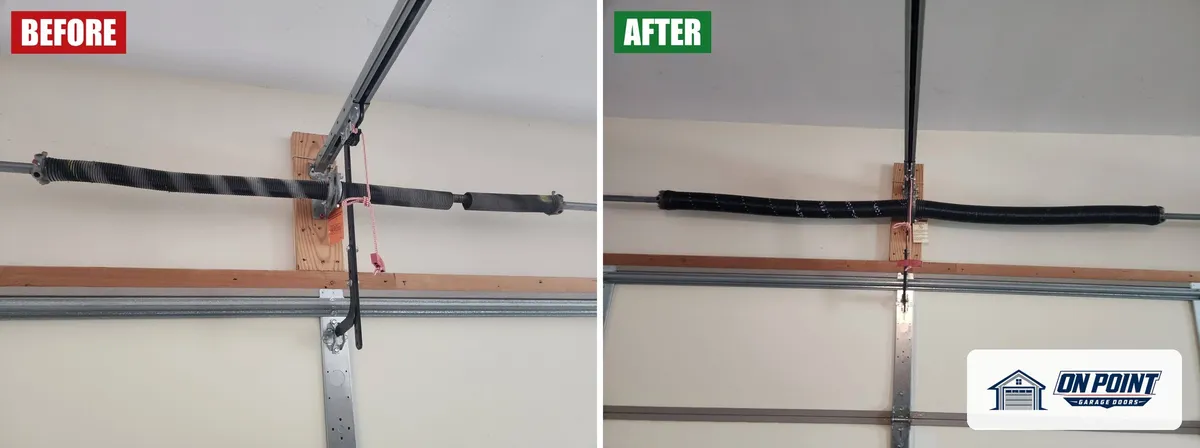
These photos are from our own jobs, with our logo on them.


Garage door repair in Baldwin for the colonials, capes, Tudors and split-levels with attached and detached garages, from the canal streets by the bay up past the train to the north side. Free estimate first.
South of the main road, homes near the harbor face damp, salty air and the occasional storm surge.
North of the highway, older colonials and capes keep detached garages whose doors have been patched and repainted over the decades.
Split-levels with attached garages are common, and their doors often lead straight into the house.
A door that will not open there blocks the family's everyday way in and out.
Mature trees shade many driveways, filling tracks and seals with leaves every fall.
Shade from the big trees keeps the foot of the door damp, and the bottom brackets rust there before anywhere else.
Houses on the canals south of the main road often keep boats, rods and crab traps in the garage, so the door runs far more often once the weather warms.
Narrow driveways mean side mirrors and bumpers catch the track.
Older capes on the north side sometimes have side springs with no safety cables, and those are added.
Some north-side garages are shared between two households on one lot, and both sets of remotes are tested after a repair.

Harbor side or north side, every door is seen first and estimated after.
Grand Avenue runs through the middle of town with its shops and offices, and the train station on Sunrise Highway keeps the blocks around it busy every morning.


Broken springs. A crack loud enough to sound like a shot, then a door that will not rise, means a spring. Keep it closed.
Two-spring doors get both replaced together so the door stays balanced.
Canal-side garages. Bottom brackets and cable ends eaten by salt are changed before they give way.
Coated springs are offered on the streets where salt air wore out the old set early.
Detached garages. Rotted sections and rusted track on older doors turn up often.
When only one section is dented, it can usually be swapped by itself.
Openers. Loud old chain drives on split-levels are replaced with quiet belt drives and a keypad.
Each remote and keypad in the house is paired again once the work is done.
Insulated replacement doors help split-level garages that sit under living space stay warmer.
If a car has backed into the door, leave it where it is until it has been checked.
When a bumper catches a corner, the bottom bracket and the cable on that side are inspected before the door moves an inch.
Both halves of town are on our regular Nassau route, along with Queens and Brooklyn.
Your notes from the call travel with the technician.
A door stuck open overnight, or a car shut inside before work, goes ahead of routine visits.
Winter. Cold snaps finish off tired springs, and harbor wind leans on wide doors.
Ice also forms along the bottom seal in winter, and a door frozen to the slab should be left to thaw, not forced.
Spring. Salt and slush leave rust at the lowest track sections near the harbor.
Summer. Storms test the bottom seal; water on the garage floor means it is worn.
Fall. Clearing leaves from the tracks and checking the springs before winter saves a frozen-morning call.
He runs the door, then works through the springs, cables, rollers, hinges, tracks and opener one at a time.
He tells you in plain words what failed, and you get a free estimate that lists each part.
Parts are matched to your door, with galvanized hardware on the canal side.
The common springs and cables come on the truck.
The opener has to reverse properly on an obstruction before he leaves.
He hauls the old parts away and leaves the driveway clear.
Before he goes, the door makes a full trip with you watching.
When the garage is how the family gets in and out, it is back in working order early in the visit.
He rings ahead before pulling up.
What gets done is your decision.
A garage door rests on a handful of parts, and near the harbor they corrode sooner.
Once a spring snaps, the door's whole weight is loose, and lifting it by hand is risky.
A door that drops fast or will not hold halfway up usually has a spring on its last legs.
Cables fray up at the drum and rust down at the bracket, so both sides are done together.
With a cable off its drum, the door hangs tilted until it is secured.
Leaves, recycling bins and bikes knock the floor sensors out of line, and then the door refuses to close.
A track pushed in by a bumper makes the door bind; it is trued before the door runs again.
Track rusted through at the floor on canal garages is cut out and replaced.
The opener's board and gears are tested before any of it is replaced.
A battery backup keeps the door working when a coastal storm takes the power.
Let us know if you are near the canals and what the door is doing.
The estimate is free.
Tell us about the door, pick a day, and the estimate is free.
Call us at (929) 429-2429.
Say what the door does when it runs; the estimate is free whatever you decide.