
Takes 30 seconds. We call you back to set a time.
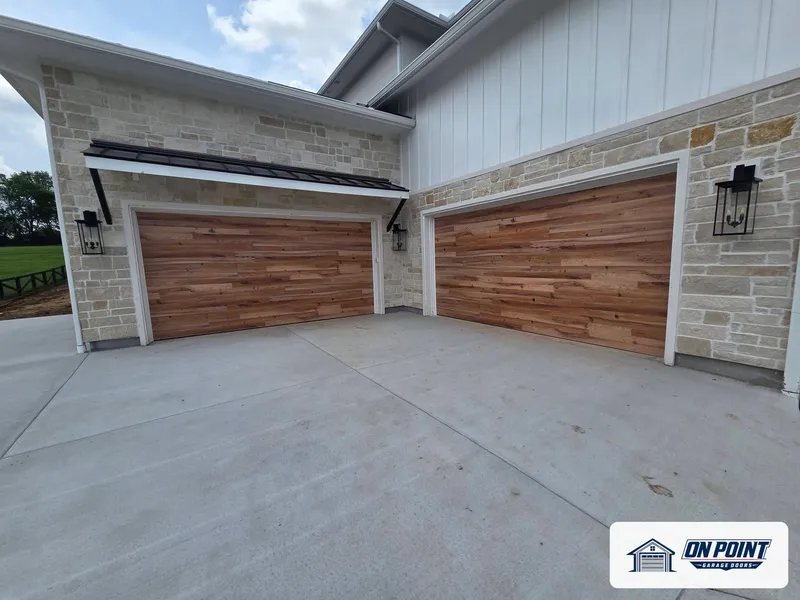
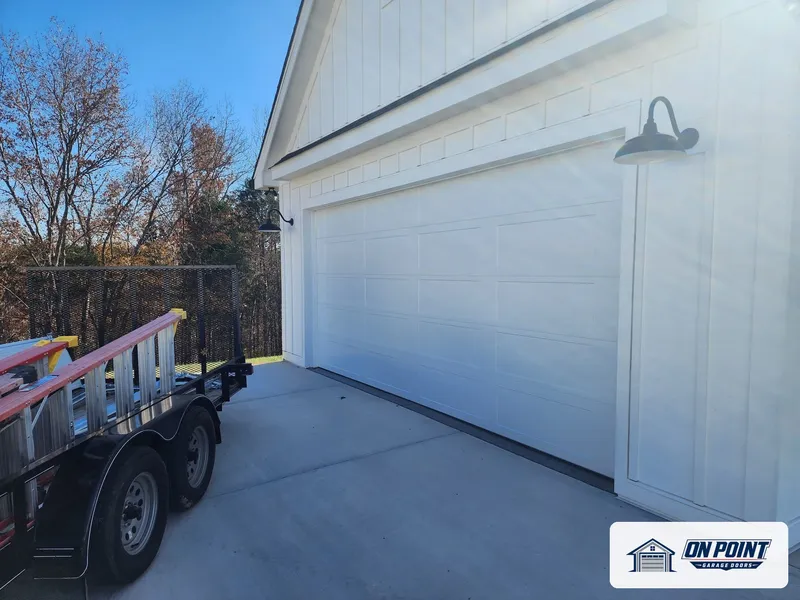
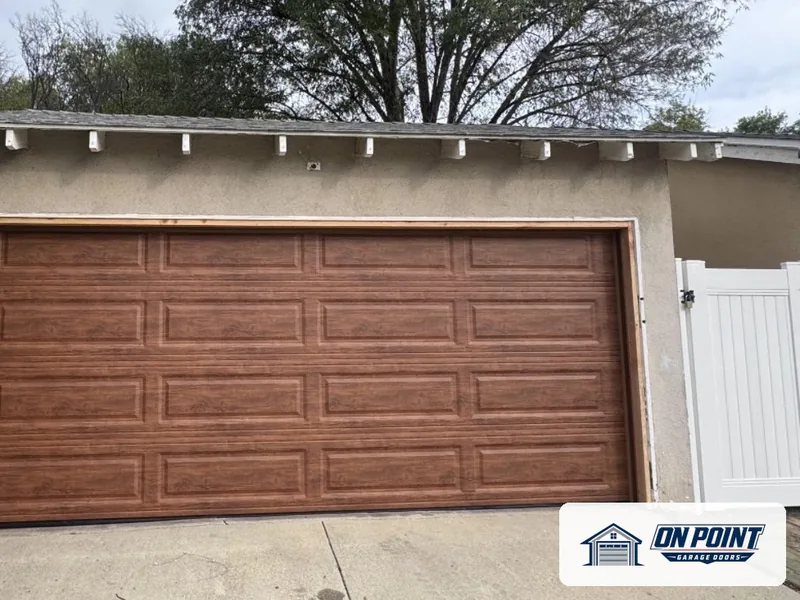
Photos from our own jobs.
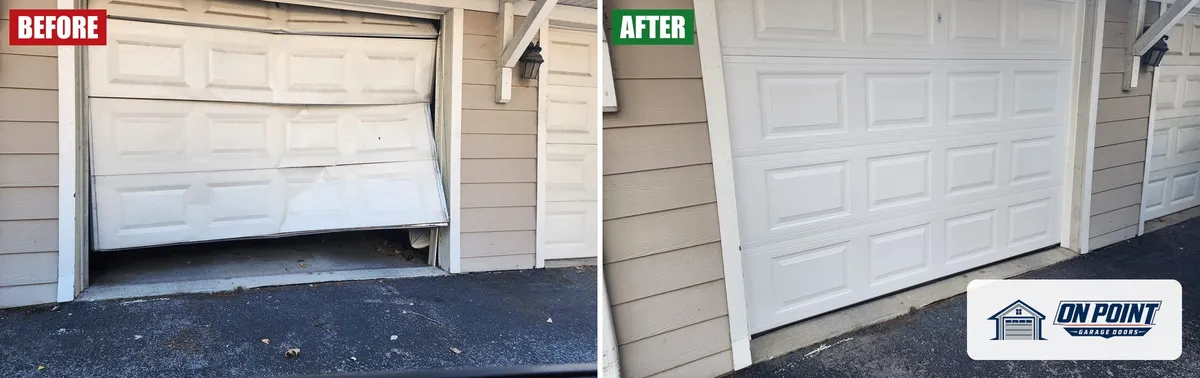
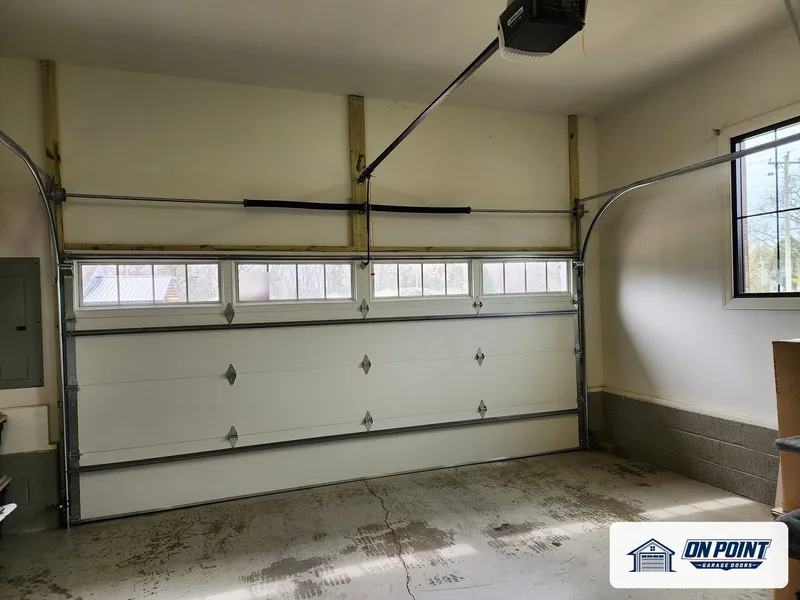
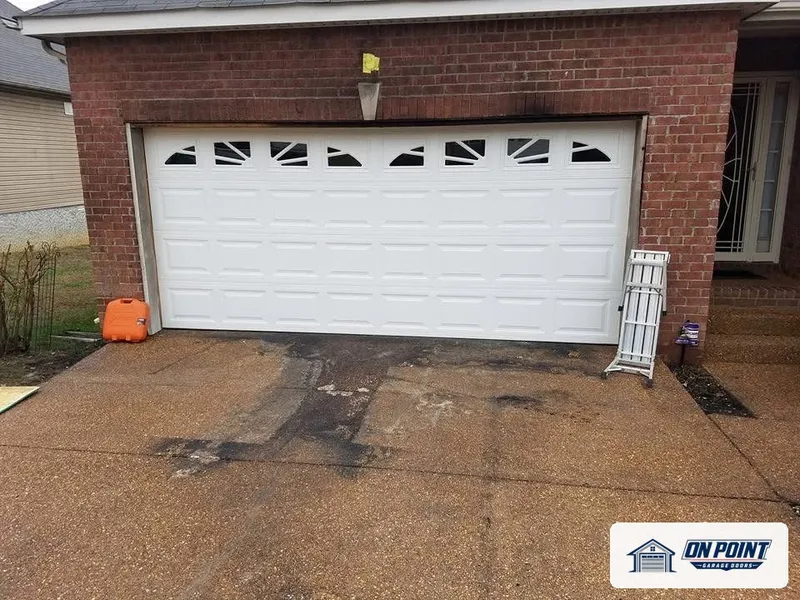
Garage door repair in Arverne, out on the peninsula where the ocean is a few blocks one way and Jamaica Bay a few blocks the other. Plenty of the newer houses here have a garage on the ground floor with the family living upstairs, and sand and salt get at every one of those doors. Our tech looks the door over first, and the estimate is free.
The neighborhood runs across the peninsula from the boardwalk to the marsh along the bay. The A train comes through on its elevated line above the street, and the numbered Beach streets run north and south between the two shores.
For decades a big stretch of land near the beach sat empty after the city cleared the old bungalows. Since the early two-thousands, rows of new one- and two-family houses have gone up there, many with a garage at street level and the rooms above it. Older frame houses and large apartment towers fill in the blocks around them.
When the ocean comes over the beach or the bay backs up in a hard storm, the water finds the lowest floor first. On a house built this way, that floor is the garage. Hurricane Sandy put salt water through a lot of the peninsula, and a door that sat in it can have rust starting inside the bottom section long after it looks dry.
Wind off the open ocean is the other thing. A wide door facing the beach takes that wind full on, and a door without bracing can bow inward on a bad night and come out of its tracks.
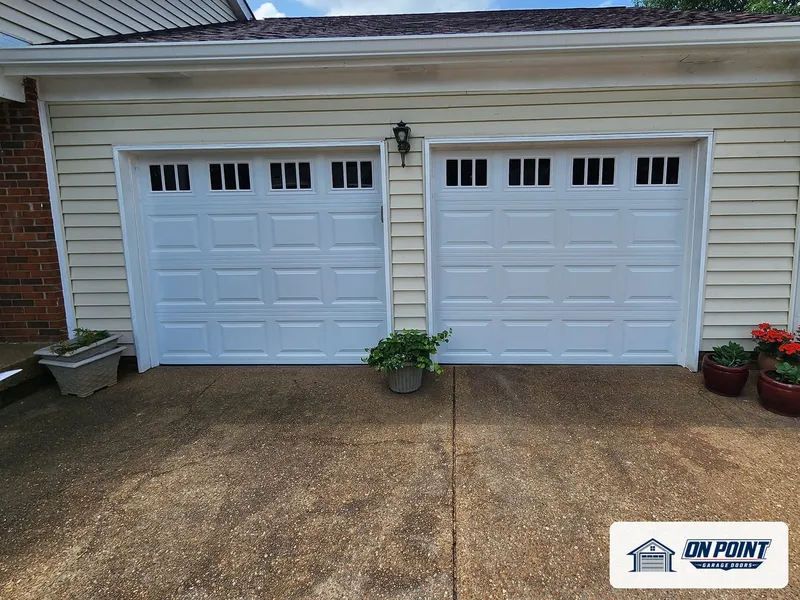
A ground-floor garage on a newer two-family house, a single door on an older frame house and a gate across a shared driveway each wear in their own way, so our tech starts by working out which one he's standing in front of.
Sand in the tracks. Fine sand blows off the beach and settles in the tracks and on the rollers. It grinds the rollers flat and makes the door shudder on the way up. Our tech cleans the tracks out and checks the rollers for flat spots.
Salt on the hardware. The bottom brackets, the cable ends and the lowest hinges sit closest to the wet slab and rust first. Once rust eats into a bracket, the cable can pull it loose. Galvanized and coated parts hold up longer here, and they ride on the truck.
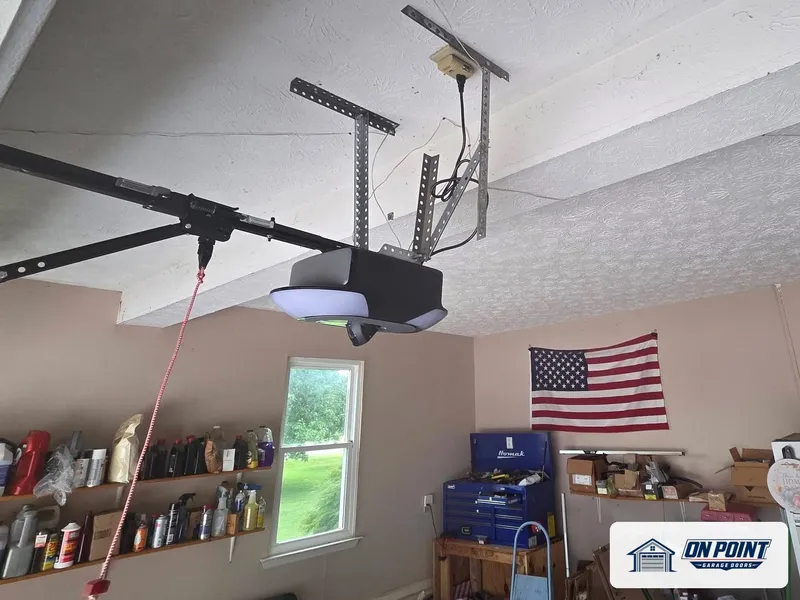
Garages under living space. When the bedrooms sit right over the garage, a chain opener rattles the whole floor. A belt drive and nylon rollers cut the noise a lot, and our tech can tell you which change makes the bigger difference on your door.
Storm water on the slab. Salt water that gets into the garage soaks the bottom seal and can reach the opener's outlet and the two safety sensors near the floor. After a flood, leave the door alone and have the sensors and wiring checked before anyone runs it.
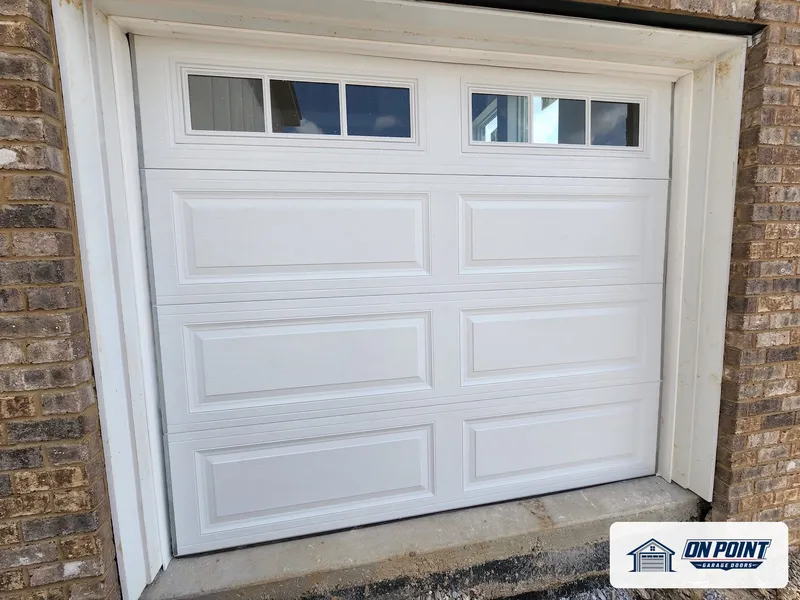
Wide doors in the wind. A double door facing the ocean flexes when the wind hits it. Steel struts across the sections stiffen it, and a door built for higher wind loads is an option when the old one has to go.
Our shop is on Royce Place in Bergen Beach, and the truck crosses over to the peninsula like it crosses to the rest of Queens, Brooklyn and Long Island.
On the call, say if the garage is under the house, how wide the door is and whether water got in. Then the right springs, rollers and seals go on the truck.
A door stuck open on a house that can't be locked, or a car shut inside before work, goes to the front of the line. Tell us that first.
Winter. Cold wind comes straight off the water and through any torn seal. A spring already pitted by salt has a harder time in the cold and can snap on a freezing morning.
Spring. Wet weeks and fog keep the bottom of the door damp, and fresh rust shows on the brackets and hinges. It's a good time to swap a cracked bottom seal before summer.
Summer. Beach traffic, bikes and boards in and out of the garage mean the door runs a lot more. Sand comes in on everything, and the safety sensors get kicked out of line.
Fall. Hurricane season runs into the fall here. Before a big storm, have the springs, cables and struts checked, and ask our tech how your opener disconnects in case the power goes.
He runs the door on the opener and listens for grinding. Then he unhooks the opener and lifts the door by hand halfway to see if the springs hold it. On a beach block he checks each bracket and bolt for rust that went past the surface.
He shows you what's worn right on the door and writes it on a free estimate, one plain line for each part, with safety items at the top.
Springs get matched to what the door weighs. Common springs, cables, rollers and seals are on the truck. A section for an older door may need ordering, and you'll hear that before anything starts.
When he's done, you open and close the door from the wall button and a remote. He tests the safety reverse twice, once with an object under the door and once by blocking the sensors.
The old parts and boxes leave on the truck, and he sweeps the sand and grit off the garage floor before he goes.
On blocks with garages under the houses, the curb gets tight and a driveway is often shared. Let us know where the truck can stop without boxing anyone in, and if the garage is under a rental unit, who has the key.
You see the estimate first. Nothing gets touched until you say go.
Salt goes after anything steel, sand goes after anything that rolls, and wind goes after the door itself. Here's where each one hits.
Springs. The torsion spring on the bar above the door does the lifting. Salt pits the coils, and a pitted spring breaks sooner. When one snaps you'll hear a bang like a shot. Keep the door down and the opener unplugged until it's looked at.
Cables. The bottom ends sit right where water collects and rust there first. If strands are broken near the bottom bracket, both cables get changed so the door goes up level.
Safety sensors. The two little eyes by the floor get bumped by bikes, beach chairs and coolers. If the door starts down and pops back up, that's often all it is.
Rollers and hinges. Sand chews steel rollers down and leaves them grinding. Sealed nylon rollers handle grit better and run quieter under a bedroom.
Openers. Storms knock the power out, and surges can kill an opener's board. Openers with a battery backup keep running for a while in an outage. Our tech tests the old one before he suggests a new one.
Tell us what the door does, if water or sand got in, and roughly how wide it is. A photo from your phone helps.
Free estimates for the beach blocks and the bay side of the peninsula.
Usually, yes. A chain opener bolted to the ceiling sends every rattle into the floor above. A belt drive opener, nylon rollers and a door that's balanced so the opener isn't fighting it make a big difference. A wall-mount opener on the end of the spring bar takes the motor off the ceiling altogether. Our tech checks the balance first, since a heavy, out-of-balance door is loud with any opener.
No. Grease in the tracks grabs sand and turns into a paste that wears the rollers faster. The tracks should be clean and dry. The rollers, hinges and spring get the lubricant. Our tech clears the tracks, checks each roller for flat spots and changes worn ones, and a good bottom seal keeps less sand from blowing in under the door.
It's worth having it checked. Salt water left on the bottom section, the brackets and the cable ends starts rust that you won't see for months. If the water reached the opener's outlet or the safety sensors by the floor, they can fail later or act up. Our tech looks at the lowest hardware, the seal, the sensors and the wiring, and lists anything the water damaged.
There are a few options. Steel struts bolted across the sections stiffen the door you have. When a door has to be replaced, wind-rated doors come with heavier sections, stronger hinges and track brackets built for higher wind. Our tech measures the opening, looks at how exposed the door is and writes both choices on the estimate so you can compare them.
Yes. Several openers come with a battery backup that keeps the door running for a number of trips during an outage. Without one, the door can still be opened by hand with the opener disconnected, as long as the springs are good. Our tech can show you how the disconnect on your opener works and add a battery-backup unit if you want one.
Say what the door is doing and when someone can open the garage for our tech. You get the estimate free either way.
Sand in the tracks, a rusted bracket or a door that bowed in the wind, call (929) 429-2429.
Tell us what the door is doing and we'll write up the fix for free.
Where we work
Brooklyn, Queens and Long Island. Tap your town.
 Bay RidgeBrooklyn
 AstoriaQueens
 Valley StreamNassau County
 HuntingtonSuffolk County
 Sheepshead BayBrooklyn
 BaysideQueens
 Garden CityNassau County
 BabylonSuffolk County
 Marine ParkBrooklyn
 FlushingQueens
 MassapequaNassau County
 SmithtownSuffolk County
 CanarsieBrooklyn
 Howard BeachQueens
 LevittownNassau County
 Mill BasinBrooklyn
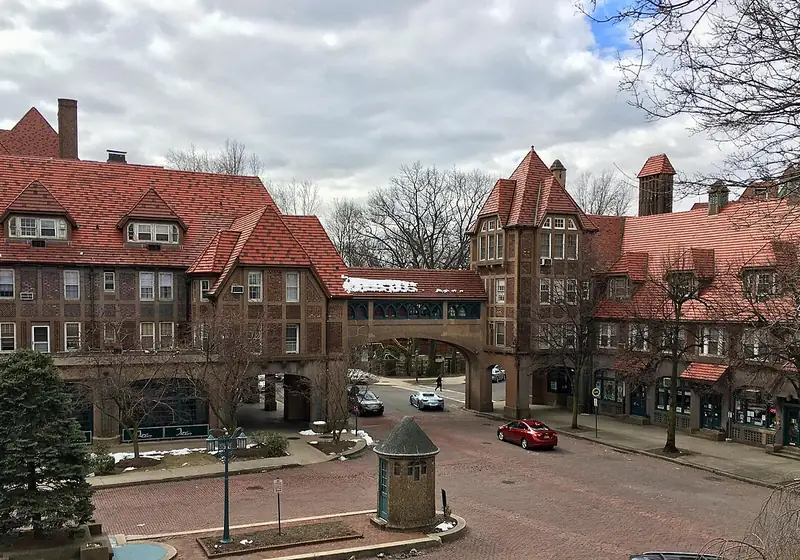 Forest HillsQueens
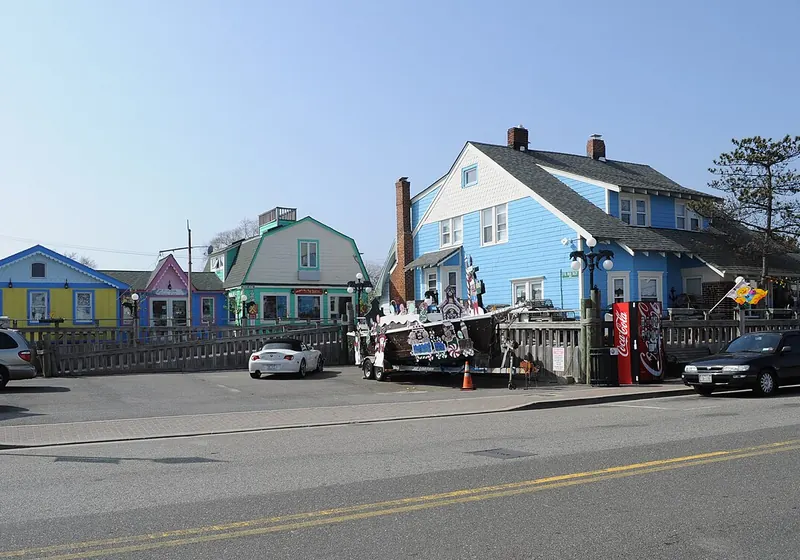 FreeportNassau County
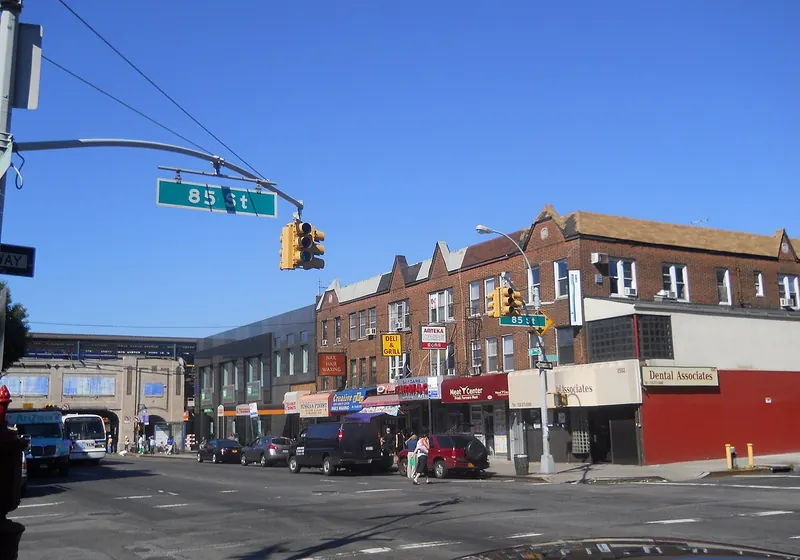 BensonhurstBrooklyn
 Long BeachNassau County
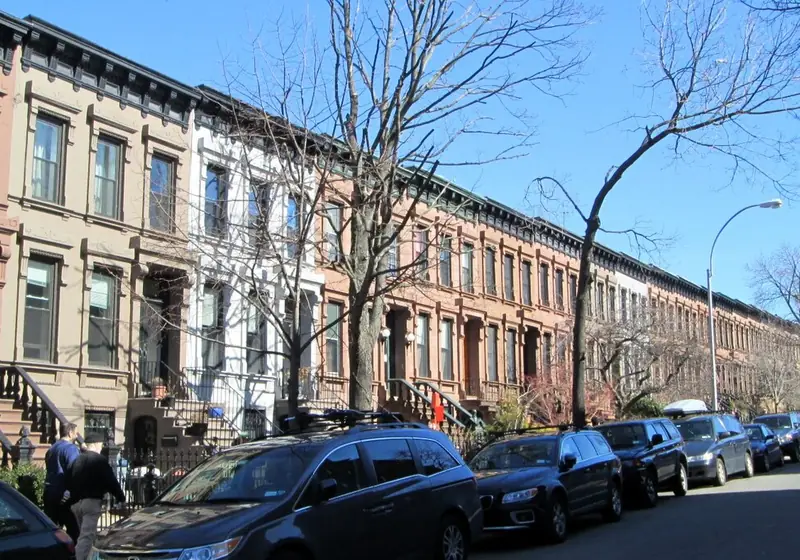 Park SlopeBrooklyn
 HicksvilleNassau County
 WantaghNassau County
 SeafordNassau County