
Leave your name and number and we’ll call you back to set a time.
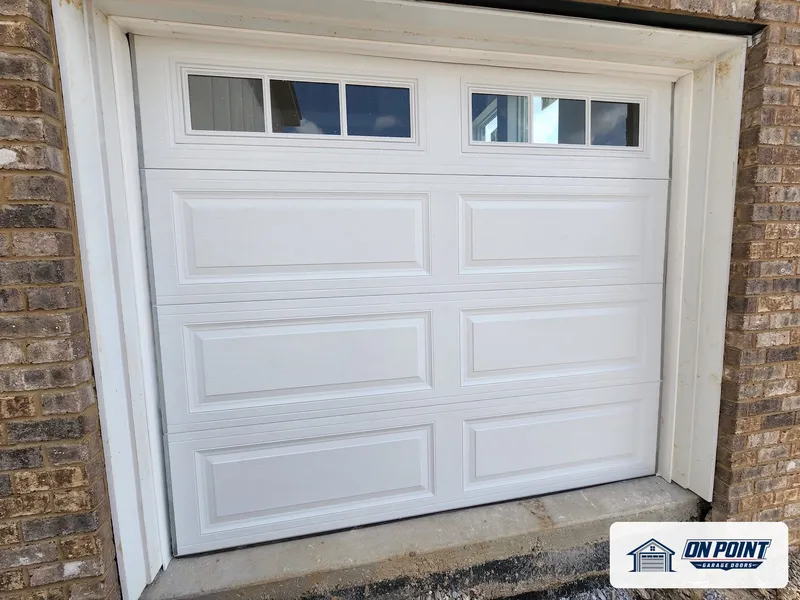
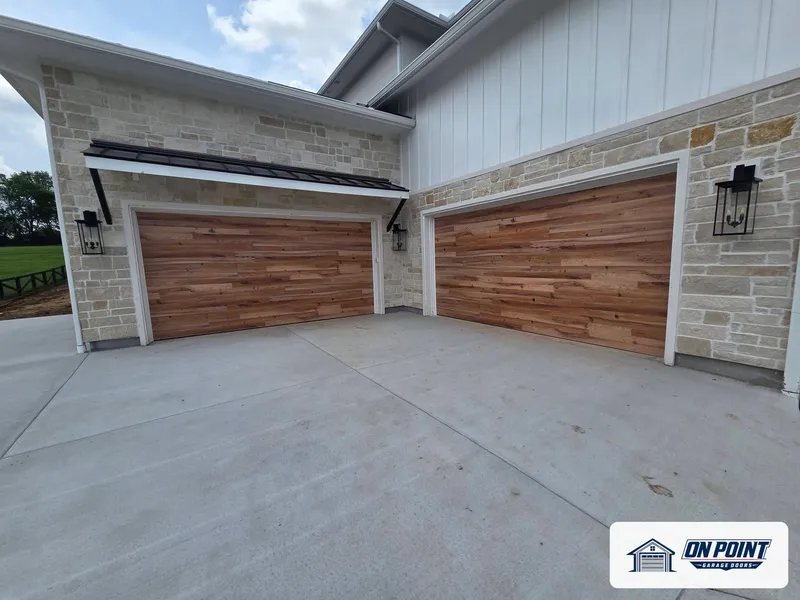
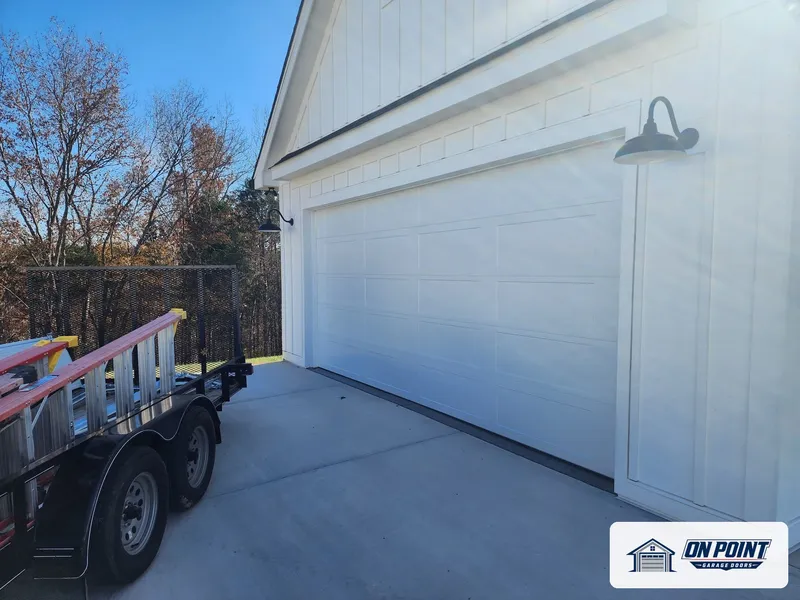
Photos from our own jobs.
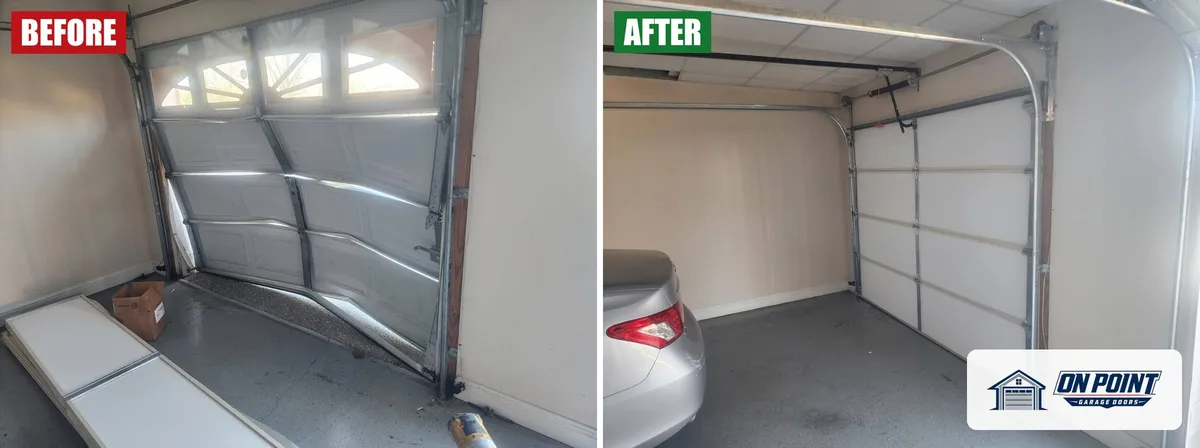
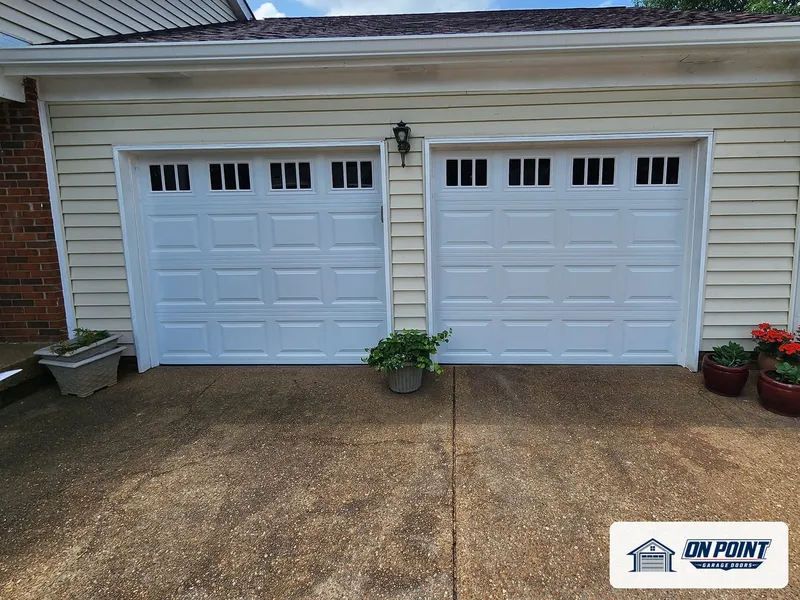
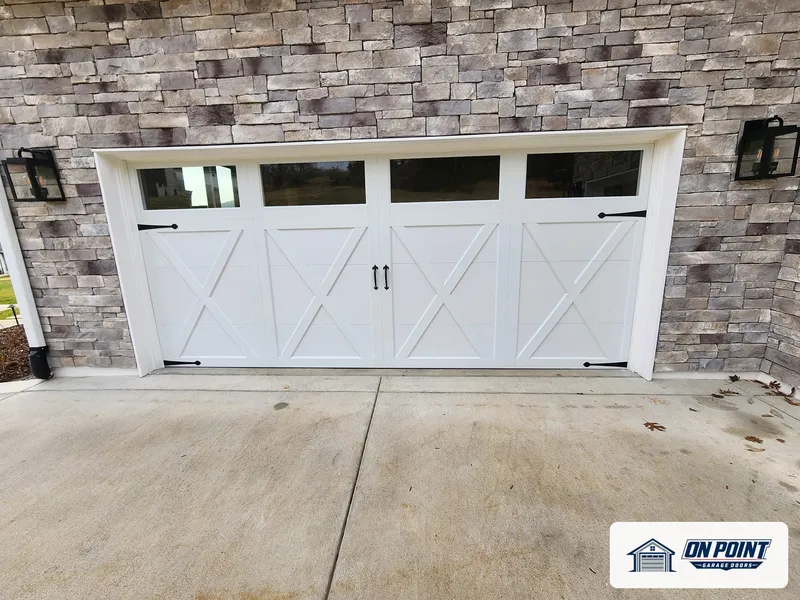
Garage door repair in Beechhurst for the detached houses on streets that run down toward the water, the garages set back behind a house at the end of a long driveway, the wide doors on larger homes built more recently and the hardware that lives in damp air off the Sound. The door is inspected first, and the written estimate is free.
This small neighborhood sits on the northern edge of Queens where the East River opens out toward Long Island Sound, with Whitestone on one side and Bay Terrace on the other. The Throgs Neck Bridge crosses the water close by, and on clear days its towers stand over the end of many streets.
Housing is mostly detached single-family homes built over many decades. Near the water stands the Le Havre co-op, a large complex of apartment buildings on landscaped grounds, so the area mixes private house garages with a big apartment community.
Some lots rise or fall with the shoreline, and a house near the water can have its garage at a different level from the street. Doors that face north toward the Sound get little direct sun in winter, so frost and damp linger on the bottom section and hardware longer than on a door facing south.
Because the houses span so many years, one block can hold a narrow single door on an older home with the garage behind it and a double or triple door on a newer house next door. Each comes with its own spring setup, and the first step is to read what is really on the door.
A detached garage at the end of a driveway, a garage tucked under a raised house and an attached two-car garage on a newer home all carry and balance the door differently, so the technician sorts out which one he is working on before choosing a part.
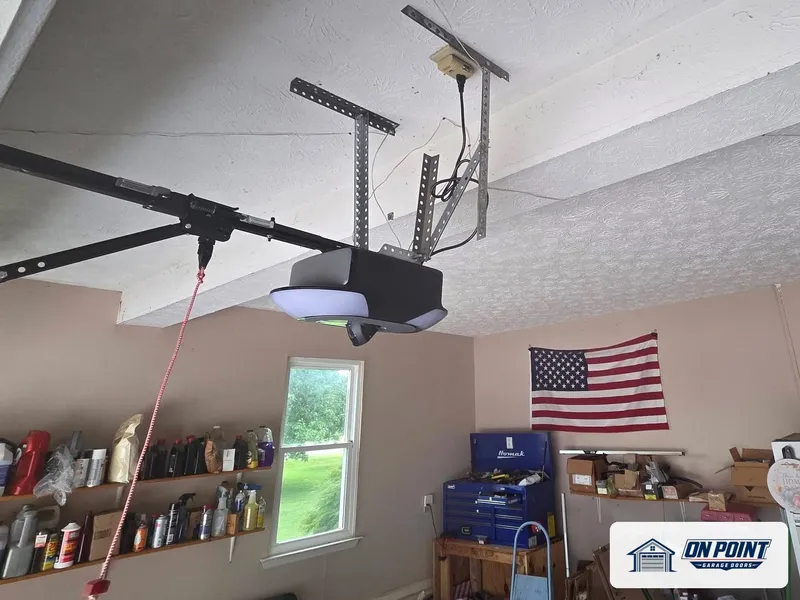
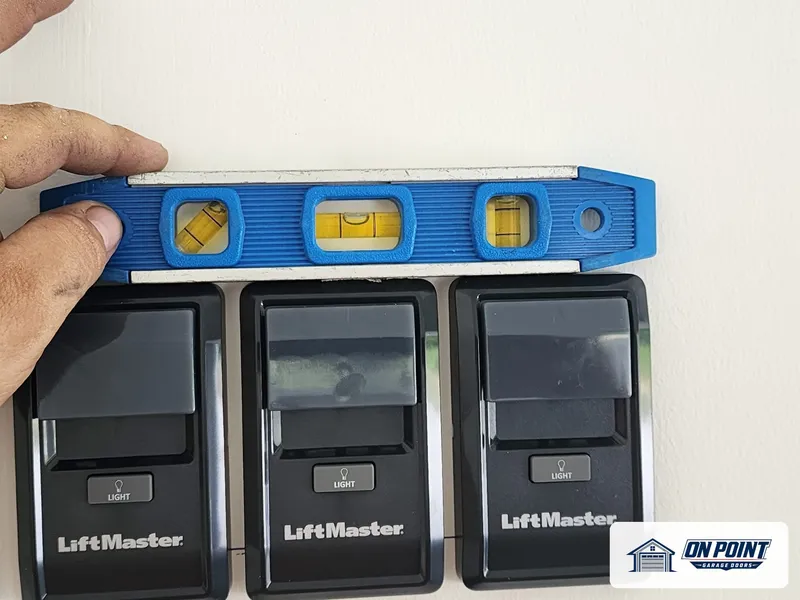
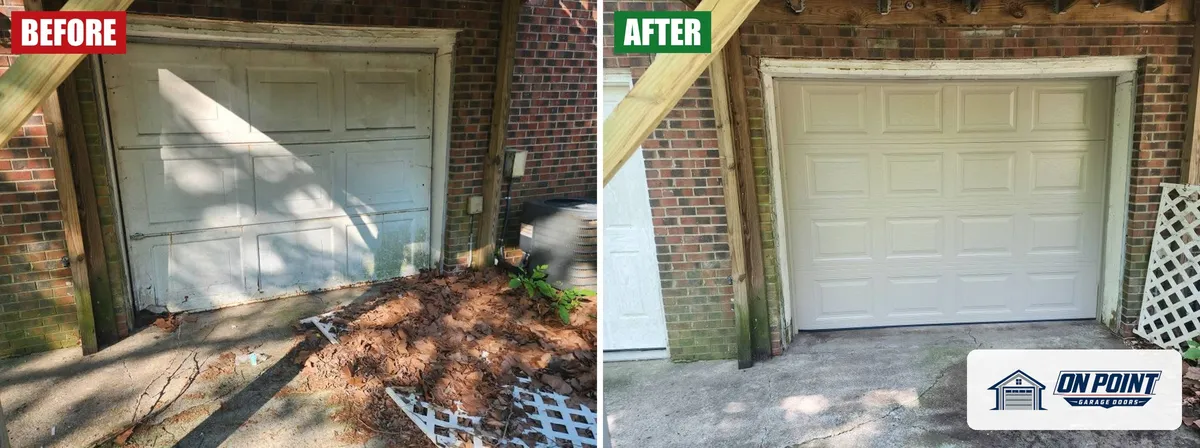
Detached garages at the back of the lot. A garage that stands on its own is often unheated, and its door may be far older than anything in the house. Old extension springs, a sagging wood header and an opener on an outlet that keeps tripping are all worth a look when the door acts up.
Wide doors on newer houses. A double or triple-width door is heavy, and a spring sized wrong for it wears the opener out early. Two springs on the bar, matched to the real weight of the door, share the load and keep the door steady if one of them breaks.
Doors that face the water. Damp air from the Sound settles on bare steel, and the bottom brackets, cable ends and lowest hinges show rust first. Coated or galvanized parts are offered for those spots when a repair is made.
Garages lower than the street. Where the driveway runs downhill to the door, rain and meltwater collect at the threshold, soak the bottom seal and sit against the lowest section. The seal, the bottom bracket and the condition of that panel are checked together.
Smart openers and keypads. Newer houses often have openers tied to a phone app or to a car's built-in remote. When a door stops answering the app, the trouble can be in the opener's board, the Wi-Fi link or the safety sensors, and each is tested before any part is swapped.
Trucks working Whitestone, Bay Terrace and College Point pass through here, and the same company handles the rest of Queens, Brooklyn and Long Island.
Tell us whether the garage stands behind the house, sits under it or is attached to a newer home, so the springs, track and seals for that kind of door are loaded before the truck sets out.
A door stuck open with the house exposed, or a car shut in behind a door that will not rise, is moved ahead of routine work. Lead with that when you call.
Winter. Wind from the open water pushes cold through any worn seal, and doors on the north side of a house can keep a crust of ice along the bottom for days. An opener pulling against a door frozen to the slab can strip a gear, so wait for it to let go.
Spring. Wet weeks bring fresh rust to the lowest hardware and leave the bottom seal soaked through. It is a good season to have the brackets, cables and seal looked over together.
Summer. A closed garage in the heat dries out rubber seals and bakes the opener, and a wood door can swell until it scrapes the stops. Long days and more trips in and out add wear to the springs as well.
Fall. Leaves from the street trees gather in the tracks and against the bottom seal, and the first hard storm off the Sound follows soon after. A mild day before then is the time to test the springs, cables and safety reverse.
He watches the door make a full trip on its opener, then disconnects it and raises it partway to see whether the springs hold it in place. On a door near the water he checks fasteners and brackets for rust that has eaten into the metal, not just stained it.
What he finds is shown on the door and written on a free estimate, one plain line per item, with anything that affects safety listed first.
Springs are chosen for what the door actually weighs. Common parts come on the truck; a panel for an older door or a part for an uncommon opener may have to be ordered, and you are told that before any work begins.
At the end, you run the door from the wall button and a remote, and he proves the safety reverse twice, once on an object under the door and once by blocking the sensor beam.
Worn parts and the packaging from new ones go back on the truck, and the garage floor is swept before he leaves.
At a detached house, the truck can usually pull into the driveway. Where a building has its own management office, the office may want to know about the visit first. Tell us which applies, and the visit is set up so the technician is expected when he arrives.
You see the estimate first; nothing changes on the door until you agree.
Damp air, sloping drives and heavy doors each wear a different part. Knowing which one is under strain makes most breakdowns easier to see coming.
Springs. Torsion springs on a bar above the door snap with a loud bang when they fail, and damp air shortens their life by pitting the coils. If one breaks, leave the door down and the opener unplugged until it is seen.
Cables. The lower ends sit closest to the water at the threshold and rust there first. Broken strands near the bottom bracket mean both cables are renewed together, so the door rises evenly.
Safety eyes. Two small sensors near the floor fall out of line when a trash can, a bike or a mower bumps them. A door that starts down and reverses for no clear reason is often only that.
Rollers and hinges. Steel rollers grind and wear flat, and hinges crack at the middle sections of a heavy door. Nylon rollers run quieter, which matters when the garage sits under or beside bedrooms.
Openers. Older chain drives get loud, and circuit boards can fail after a storm knocks the power out. The opener is tested on its own before a new one is suggested, and any replacement is matched to the size and weight of the door.
On the call, say whether the garage is detached, under the house or attached, roughly how wide the door is and what it does when it fails. A photo helps but is not required.
Free estimates for houses and apartment homes on the streets near the shore.
Often, if the door is sound and balanced. An opener only moves a door that the springs already hold; it is not meant to lift dead weight. The technician checks the wood for rot, the header the opener would hang from and whether there is power in the garage, then lists what the door needs before a motor goes on it. If the door is too heavy or too weak, a lighter steel door may be the better first step.
A wide door that shakes is usually out of balance, running on worn rollers or hanging on springs that no longer match its weight. The opener then does work the springs should be doing, and its gears wear quickly. The technician takes the door off the opener to feel the balance, checks both springs, the cables and the rollers, and sets the door up so the opener only has to guide it.
Over time, yes. A bottom section that stays damp rusts at its seams and brackets, and a seal frozen to the slab tears when the door is forced up. A fresh bottom seal that suits the retainer, coated brackets and a look at the lowest section slow that wear. In a hard freeze, wait for the seal to let go of the slab before running the opener.
Not necessarily. If the wall button runs the door, the motor and the drive are working, and the fault is more likely in the Wi-Fi link, the opener's settings or the accessory that connects it to the network. The technician checks the connection and the opener's board, and only suggests a new unit if the board itself has failed.
Both can work. Steel doors with a good factory finish hold up well if scratches are touched up and the hardware is coated, and fiberglass and composite skins do not rust at all, though their tracks and springs are still steel. The technician looks at how exposed the door is to wind and salt air and lists the options, with their trade-offs, on the estimate.
Let us know what the door is doing and when someone will be home to open the garage. The estimate is free whether or not you go ahead.
For a detached garage, a wide door on a newer home or rusted hardware near the water, call (929) 429-2429.
Tell us what the door is doing and where it stops; the estimate is free either way.
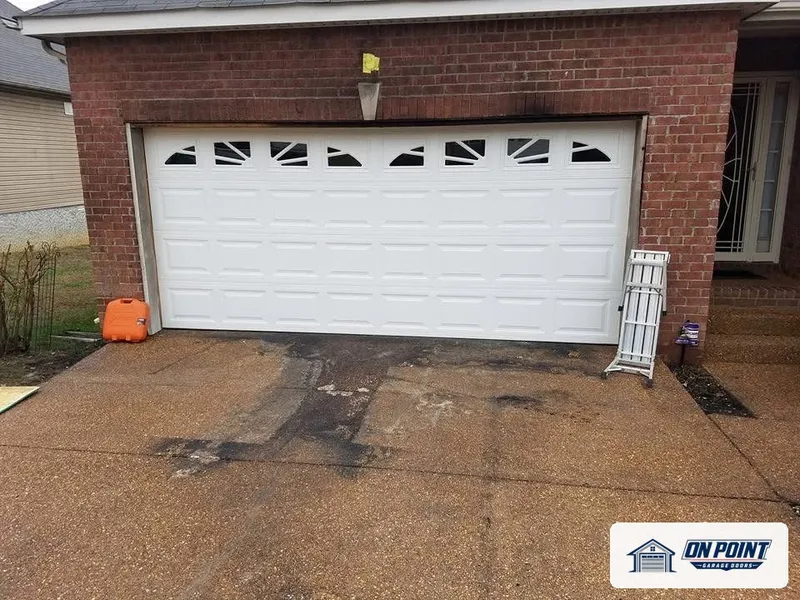
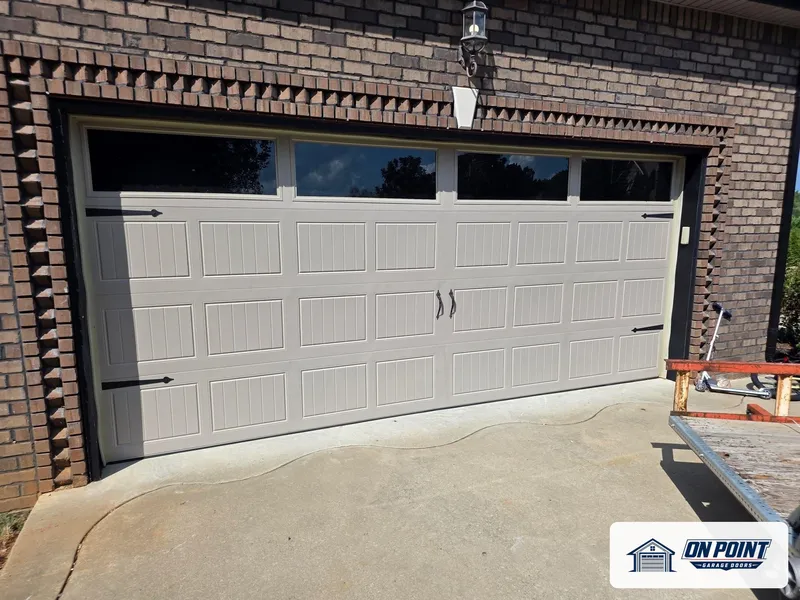
Where we work
Brooklyn, Queens and Long Island. Tap your town.
 Bay RidgeBrooklyn
 AstoriaQueens
 Valley StreamNassau County
 HuntingtonSuffolk County
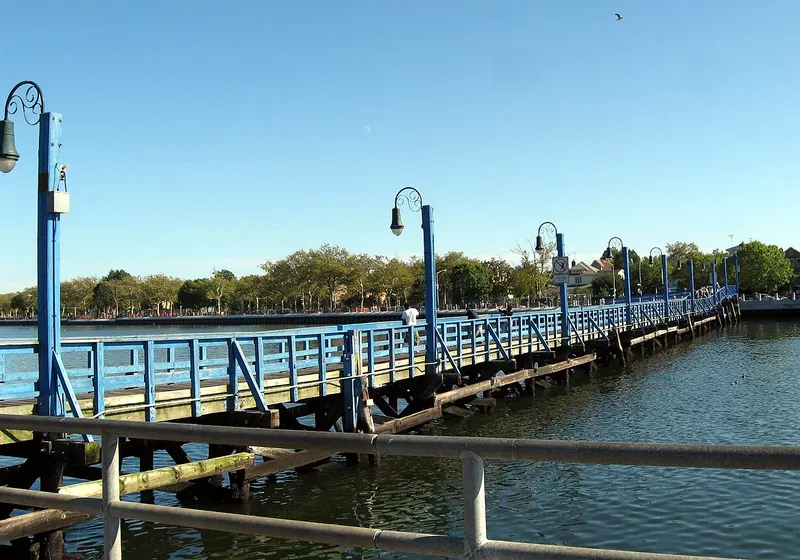 Sheepshead BayBrooklyn
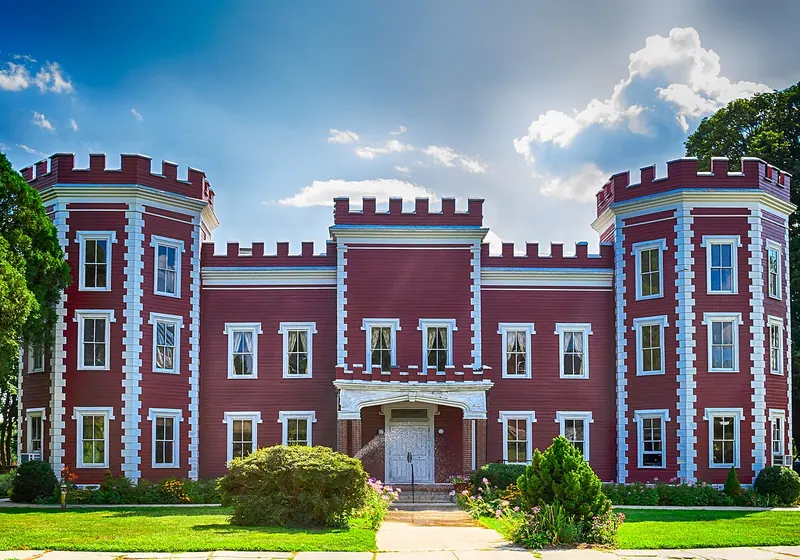 BaysideQueens
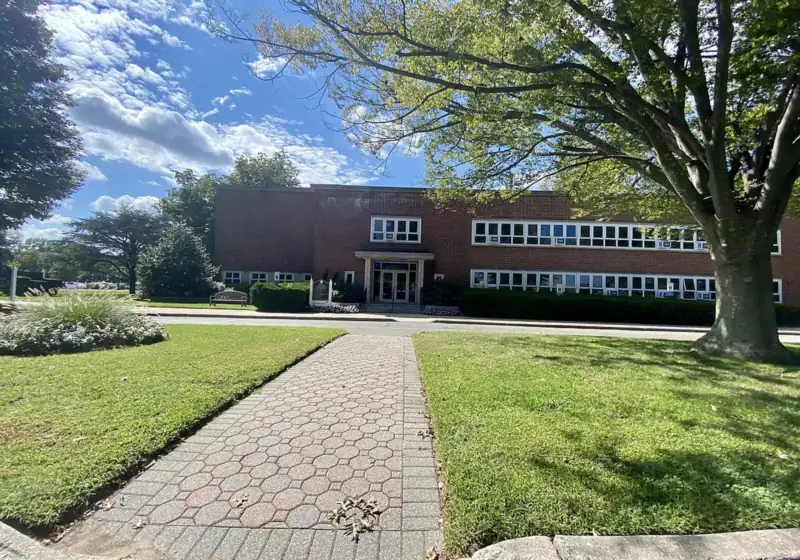 Garden CityNassau County
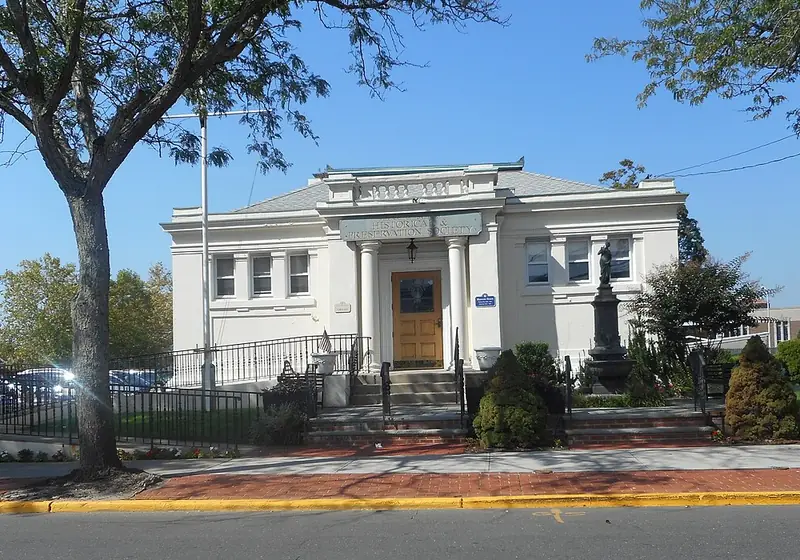 BabylonSuffolk County
 Marine ParkBrooklyn
 FlushingQueens
 MassapequaNassau County
 SmithtownSuffolk County
 CanarsieBrooklyn
 Howard BeachQueens
 LevittownNassau County
 Mill BasinBrooklyn
 Forest HillsQueens
 FreeportNassau County
 BensonhurstBrooklyn
 Long BeachNassau County
 Park SlopeBrooklyn
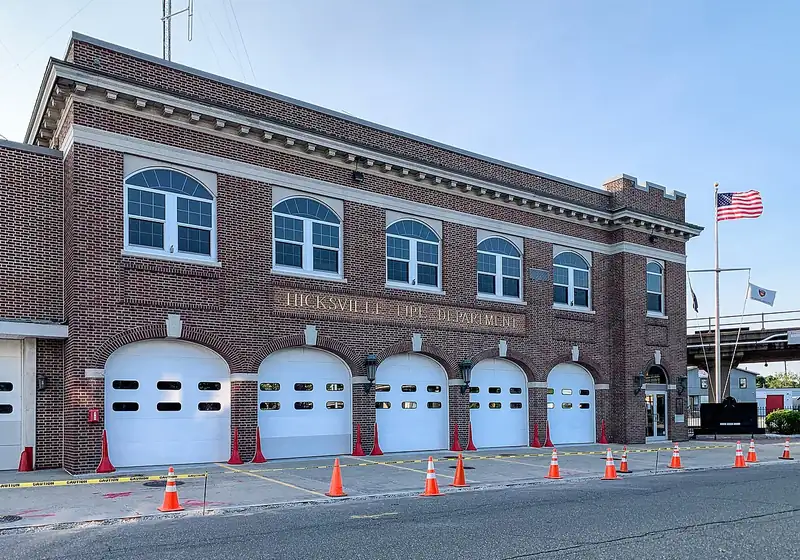 HicksvilleNassau County
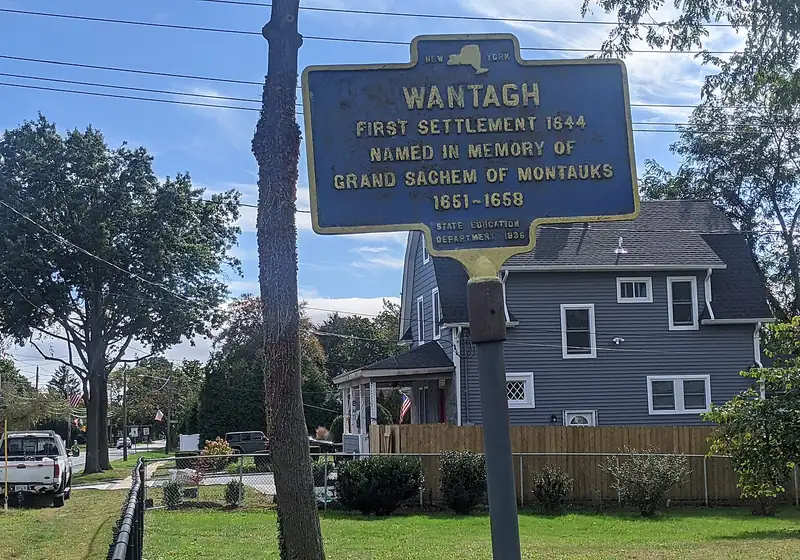 WantaghNassau County
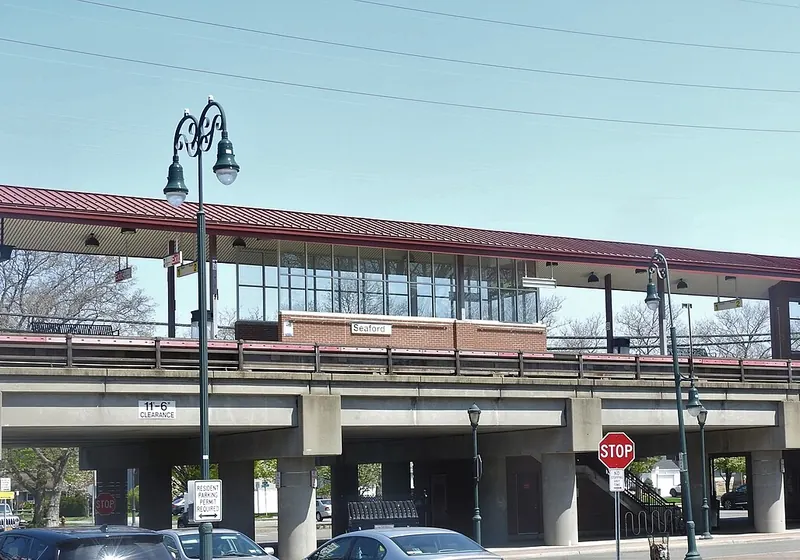 SeafordNassau County