Takes 30 seconds. We call you back to set a time.
These photos are from our own jobs, with our logo on them.


Garage door repair in Bay Shore for the capes, ranches and colonials on the streets running down to the Great South Bay, the waterfront homes near the marinas, and the shops and service doors around Main Street. Free estimate first.
Homes close to the water and the canals breathe salt air all year, and it works on every steel part of a garage door: springs, cables, bottom brackets, tracks and fasteners.
Rust at the foot of the track and on the cable brackets turns up on most visits close to the water.
Galvanized or coated parts last much longer here than plain steel.
Stainless hinges and galvanized cable ends are the parts most worth upgrading on a door this close to the water.
Inland streets have postwar capes and ranches with original garages, many still on their first door and old extension springs.
Those doors often need safety cables added and their springs sized again.
Summer ferry traffic and beach weekends mean driveways full of cars, bikes and coolers, and doors get bumped.
The Fire Island ferries leave from the docks near the foot of Maple Avenue, and the streets around them fill with parked cars all summer.
If a car or trailer hit the door, it should be looked at before it runs again.
Streets closest to the marinas get salt mist and fog on windy days, so hardware there rusts noticeably faster than a few blocks inland.
Downtown shops and the businesses along the main roads use roll-down gates and service doors that open every day.
When a downtown gate refuses to lock at closing, tell us and the visit moves to the top of the list.
Some waterfront homes raised their houses after past storms, and the garage below now sits under the living space with new framing around an older door.

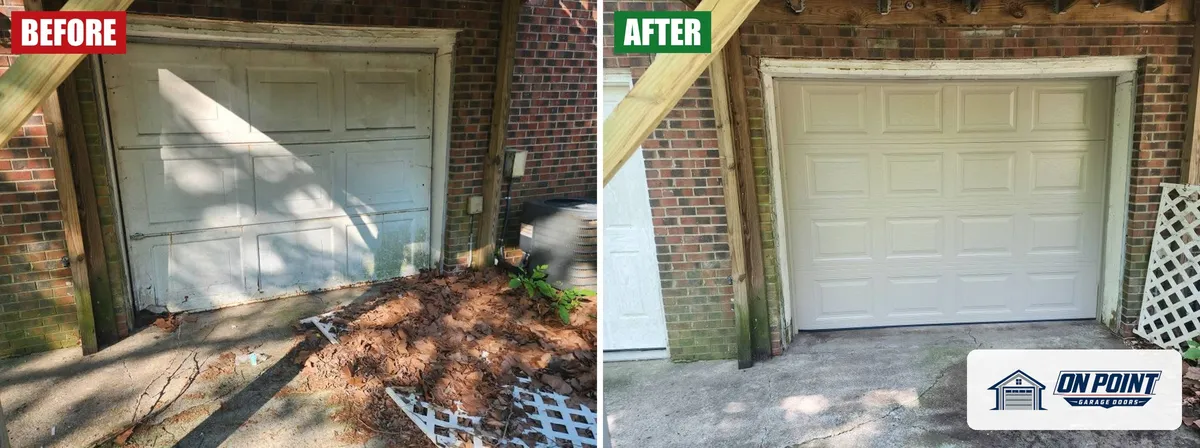
Near the bay or inland, each door is looked at first and estimated after.


Broken springs. A sharp bang from the garage and a door that will not budge means a spring has let go; leave the door shut.
On streets near the bay, coated springs and galvanized hardware outlast plain steel by a wide margin.
If the opener strains and groans as the door climbs, he tests the springs before he blames the motor.
Rusted cables and brackets. Salt eats the bottom of the door first, and both cables are replaced together.
Rusted bottom brackets are replaced at the same time, because they hold the full force of the springs.
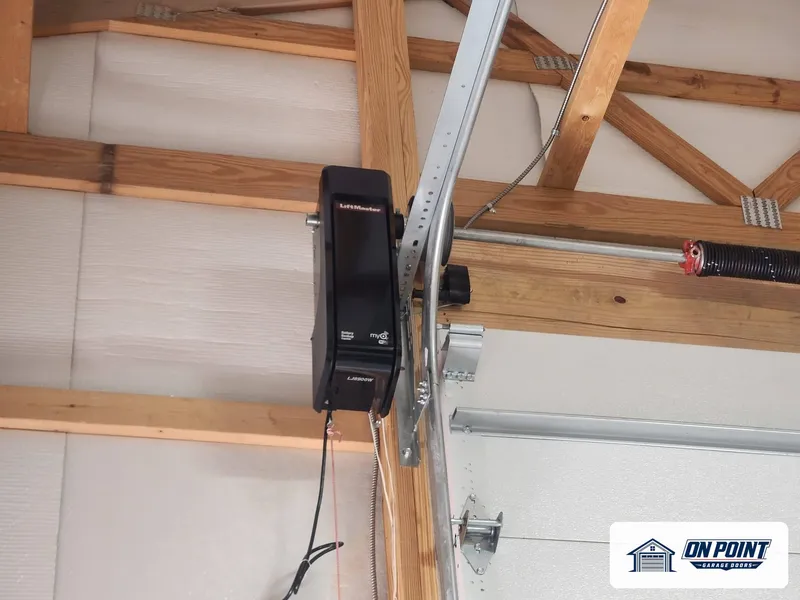
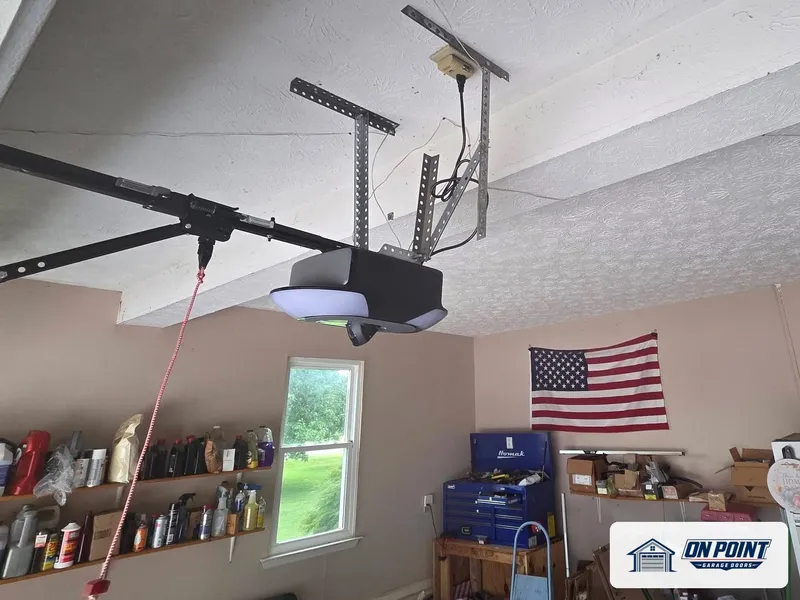
Openers. Old chain drives are replaced with quiet belt drives where bedrooms sit over or beside the garage.
Battery backup is worth having near the water, where storms bring outages.
A wall-mount opener clears the ceiling so kayaks, paddleboards and surf gear can hang overhead.
Bottom seals. Seals that crack in the sun let water and leaves blow in under the door.
A new seal and retainer close the gap along uneven garage floors.
Insulated doors help garages under living space stay warmer through the winter wind off the bay.
A door struck by a car or a boat trailer should stay put until someone has checked it.
A boat trailer backed in at an angle often catches one track, so the track and the bottom section are looked at together.
We cover Bay Shore and the rest of the South Shore, along with the other Long Island towns, Queens and Brooklyn.
Whatever you tell us about the door, the street and the parking reaches the technician before he heads out.
A car shut in, or a door stuck open with a nor'easter on the way, is handled ahead of routine visits.
Winter. Wind across the bay and freezing nights finish off tired springs, often on the first hard cold morning.
A freeze can bond the bottom seal to the slab; give it time to thaw instead of forcing the door with the opener.
Spring. Rain runoff pools at the low end of sloped driveways and rusts the bottom track and brackets.
Summer. Sun and salt dry out rubber seals; boat and beach gear gets leaned against doors.
Fall. A checkup before the winter storms finds worn parts while the repair can still be planned.
He watches the door run, then checks springs, drums, cables, rollers, tracks, seals and opener, looking closely for rust.
He explains in plain words what has worn and writes a free estimate with each part listed.
Parts are matched to what your door weighs, with rust-resistant options for homes close to the water.
He carries the springs and cables that most doors on these streets take.
Before he goes, the opener's safety reverse is tried with an object in the doorway.
Worn parts leave in his truck, and the driveway is open for the car again.
You see the door open, close and seal along the floor before he packs up.
Visits can be planned around ferry and beach weekends.
Shops along the main street can have their gates and back doors serviced before they open for the day.
A call comes before arrival.
Nothing begins until you give the word.
Near the bay, salt decides which parts fail first.
With a spring broken, the door is pure dead weight; keep hands off it and call.
Rust on the coils cuts a spring's life short, so springs this close to the bay deserve a yearly look.
Cables rust and fray near the floor first, so both sides are renewed together.
Drums and the bearings at each end of the shaft are checked for rust on the same trip.
Sensors near the floor corrode and lose their aim; they are cleaned of debris and reset by the technician.
Tracks rust through at the bottom where water sits; that section is cut out and replaced.
Track brackets that worked loose are set back into solid framing.
He tests the opener's board and gears before changing any part.
When an opener is truly worn out, he explains the quiet belt drives and the models that report to your phone.
Main Street carries the downtown restaurants and shops, and the hospital and offices nearby use service doors that open many times a day.
Tell us whether you are near the water and what the door is doing.
Every estimate is free.
Trailers backed in tight are the most common reason bottom sections bend and tracks twist on these streets. If the trailer has touched the door, leave it closed until it is checked. A wider turn, or a block on the slab to stop the wheels, keeps the next season from repeating it.
Rarely. Salt and standing water rust the lowest stretch of track and the bottom brackets first. That section of track is cut out and replaced, the brackets are renewed with galvanized ones, and the cables are checked, since they rust at the same spot.
Yes. The new framing around an older door often leaves the track brackets on mixed wood, and the door may hang out of square. The technician checks the framing, sets the track plumb, and suggests an insulated door so the rooms above stay warmer.
We service the roll-down gates, back doors and roll-ups used by the restaurants and stores downtown and by the offices and medical buildings nearby. Visits are planned around deliveries and opening, and a gate that will not lock at night is seen first.
Once a year is a sensible rhythm near the water. A yearly visit catches rust on the spring coils, frayed cable ends and dried-out seals before any of them fails, and a checkup in the fall gets the door ready for the winter wind.
Describe the door and choose a visit that fits around ferry season; the estimate is free.
Call us at (929) 429-2429.
Tell us what the door is doing, and a free estimate comes back either way.