Takes 30 seconds. We call you back to set a time.
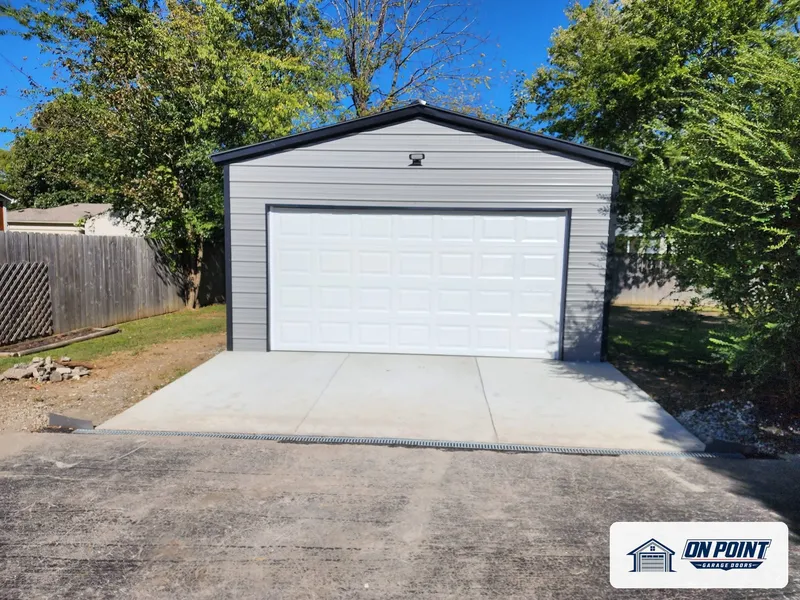
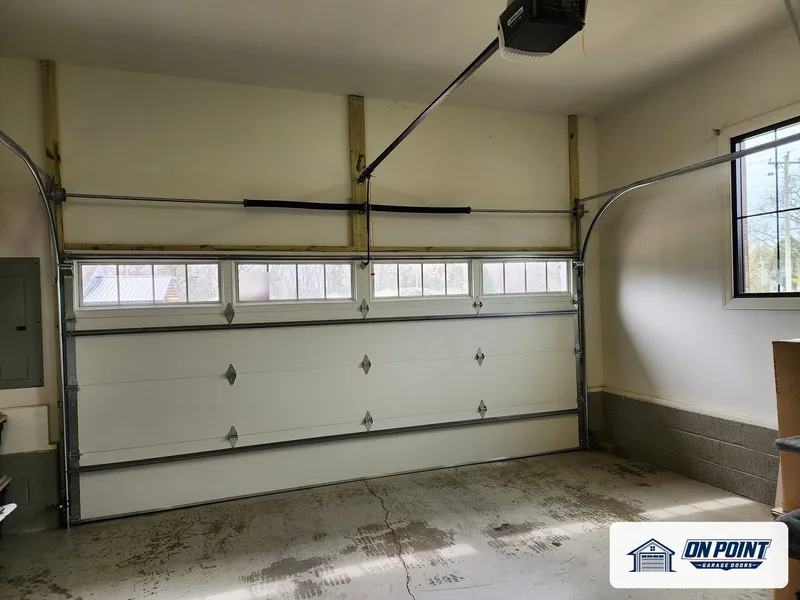
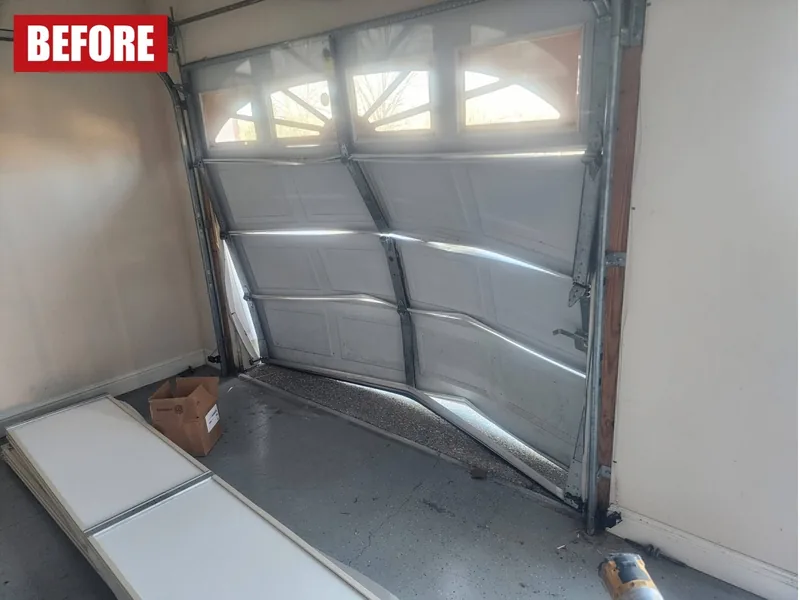
These photos are from our own jobs, with our logo on them.


Garage door repair in Amityville for the old village houses, the homes on the canals and creeks toward the bay, the capes and ranches on the side streets, and the shops along Broadway. Free estimate first.
The village has many older homes, including Victorians and colonials with detached garages and carriage barns at the back of the lot.
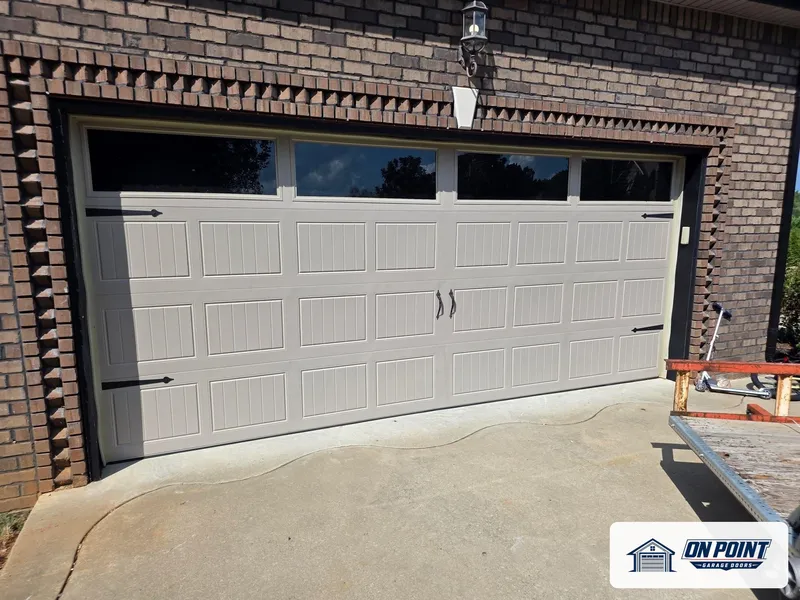
Owners often want a new door that suits the age of the house, and carriage designs are the usual choice.
Black strap hinges and windows with divided lights suit the older houses and keep the historic look of the block.
Those old garages and barns have wood framing that has seen generations of weather.
The jambs, the header and the slab under an old garage are looked at before a new door or opener is hung.
Homes along the canals and near the harbor live with salt air, tides and storm winds.
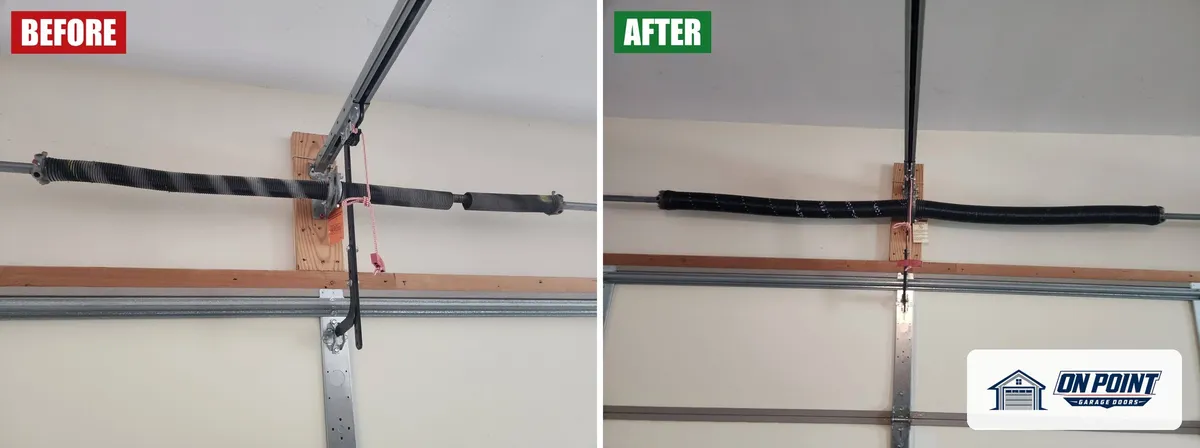
Rust on springs, cables and fasteners is the most common thing found there.
Boats, kayaks and fishing gear come and go from the canal homes all season, and garages near the water double as boat sheds.
Shops on the main street pull their gates down at night and receive deliveries through back doors.
A shop gate on the main street that will not lock at closing goes to the top of the list.
Some historic houses sit close to the street with short driveways, so a door that opens straight up matters more than ever.

Victorian house, canal ranch or storefront, the door is looked at in person before any estimate is written.
Owners of the historic houses usually want a door that looks right from the street, and samples of carriage designs are brought to compare against the house.


Carriage barns and old garages. Swollen wood doors, rotted jambs and sagging headers.
The frame is repaired, then a period-style door or new hardware goes in.
When a heavy wood door drags the opener down, the springs are tried before the opener takes the blame.
Canal and harbor homes. Salt-rusted springs, cables, brackets and seals.
Rust-resistant hardware is used.
Capes and ranches off the main roads. Snapped springs, flattened rollers and openers that have run for decades.
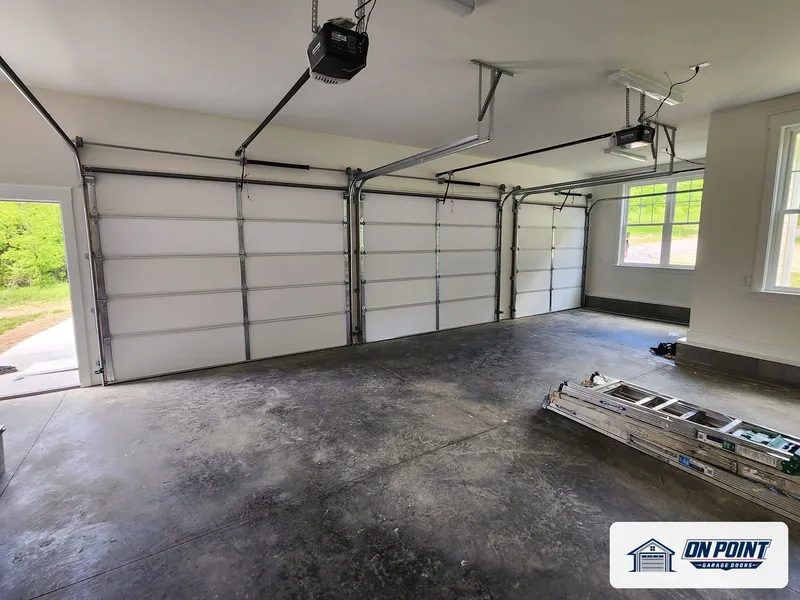
Openers without sensors are replaced.
Low-headroom track helps in old barns with low beams.
Main street shops. Gate slats, springs, locks and motors.
Roll-down service doors behind the shops are checked for bent guides and seals worn through.
Insulated carriage doors keep the look of the house and the warmth of the garage, and they weigh far less than the solid wood doors they often replace.
If a car or trailer has struck the door, leave it where it is until it has been looked over.
A boat trailer backed out at an angle can twist a track, so the track is checked before the door runs again.

The village and the streets around it are on our South Shore route in Suffolk, and our crews also work Nassau, Queens and Brooklyn.
Anything you tell us about the house, the canal or the shop reaches the technician before he gets there.
A car shut inside, or a door that will not close with a storm on the way, goes ahead of routine work.
Winter. Wind off the bay and hard freezes snap springs that rust has already weakened.
On freezing mornings an old wood door can stick to the slab; let it come free on its own instead of running the opener.
Spring. Storm tides and rain soak low garages and old wood jambs.
Summer. Muggy air off the water makes old wood doors swell, stick and drag on the jambs.
Fall. Storm season is a good time to check that doors close tight and openers have battery backup.
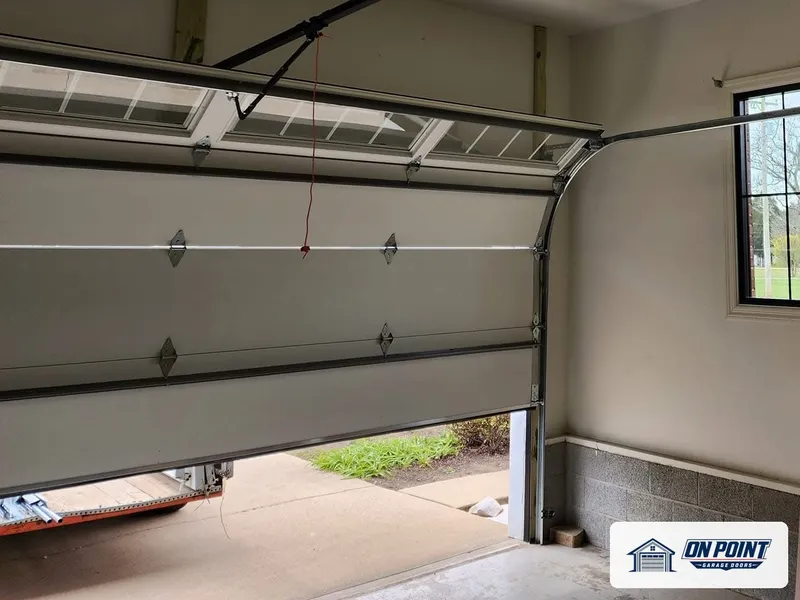
He sends the door up and down, then goes over the frame, springs, cables, rollers, track, seals and opener.
What failed is put in plain words, and the free estimate lists each part separately.
Springs are sized to what the door weighs, and old solid wood doors weigh a great deal.
The springs and cables these doors most often need are carried in his truck.
Before leaving, he proves the opener reverses on an object in the doorway.
Old parts, and the old door when one is replaced, are hauled off with him.
Before he goes, the door runs smooth and quiet a few times with you watching.
Shop work can be done before opening.
A call comes before arrival.
Nothing starts until you approve it.
Old wood and salt air shape the work here.
Once a spring snaps, nothing holds the door up. Stay clear of it and call.
Rust along the coils is a sign the spring does not have long left.
Cables rust at the bottom corners where water sits, and the two are changed together.
Rusted bottom brackets are replaced with them.
Sensors on old garages are added or replaced so the door reverses reliably.
Tracks fastened to soft old wood are reset into sound framing.
Rusted bottom track is replaced.
In damp garages near the creeks, the opener's board is checked for corrosion first.
Battery backup openers are recommended near the water.
Tell us whether the garage is old and detached or near the water.
Every estimate is free.
Say what the door is doing and pick a time; the estimate is free, whatever you decide.
Call us at (929) 429-2429.
Describe how the door acts when it runs, and a free estimate comes back.