
Leave your name and number and we’ll call you back to set a time.
Photos from our own jobs.
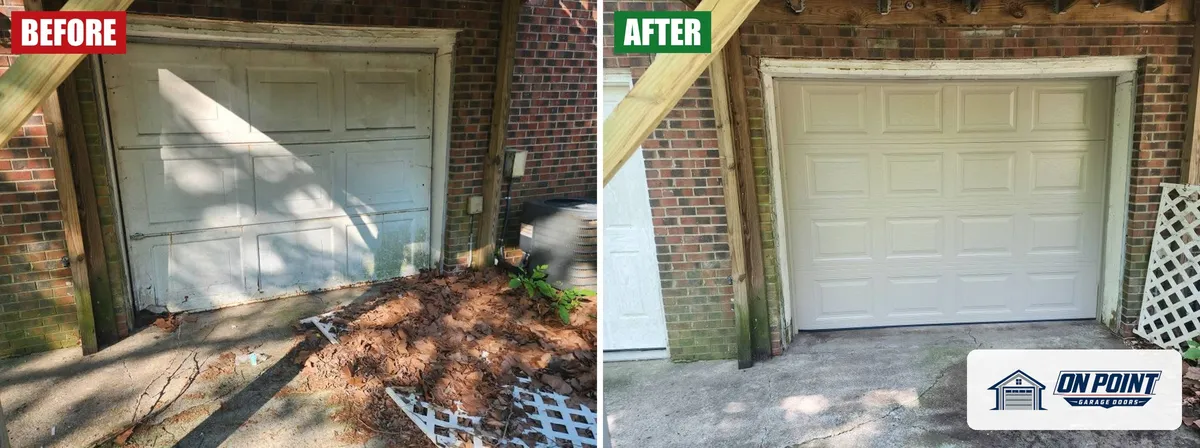
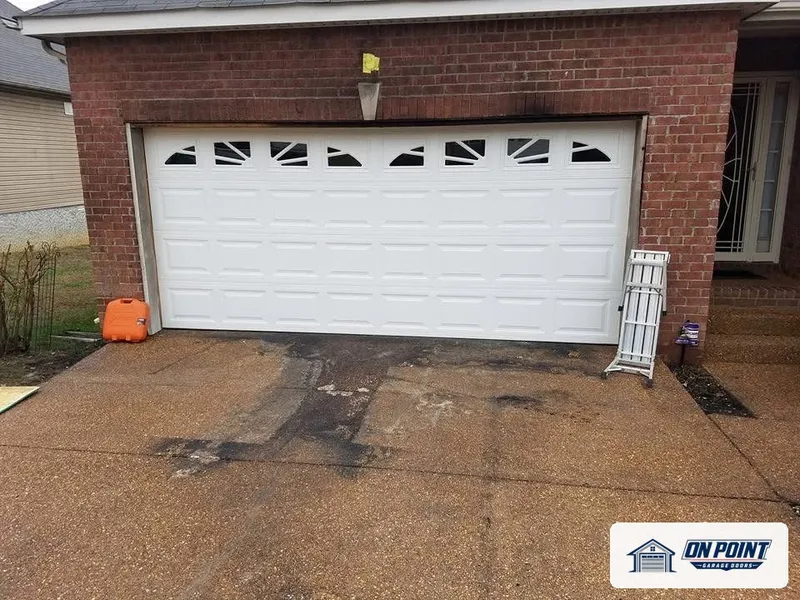
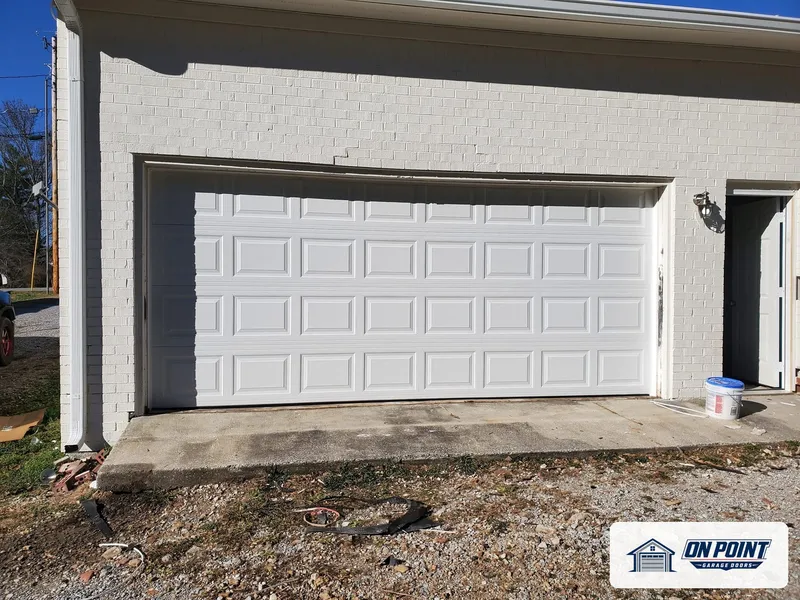
Garage door repair in Holliswood, where big houses sit on sloping, wooded lots and the garage may be a wide two-car bay, a side-entry pair or a single door at the bottom of a drive that dips away from the street. Older custom doors on houses that have stood for generations are part of the mix too. Each door is seen first, with a free estimate in writing.
Most of Queens is laid out in straight numbered blocks, but these streets curve around hills left behind by the glaciers, with large houses set on lots full of old trees. The Grand Central Parkway passes close by on the north, and the shops along Hillside Avenue are a short drive away.
The houses are almost all detached and many are large: Tudors, colonials, Mediterranean-style homes and newer houses built where older ones came down. Two-car garages are common, and on a lot that falls away from the street, the garage can sit well below the curb at the end of a sloping drive.
The grade decides a lot about how a door ages. Where the drive pitches down toward the house, rain and snowmelt head straight for the threshold, soaking the bottom seal and the lowest panel; where it climbs, the car has a short, steep apron to line up on, and the jambs get clipped.
Big oaks, maples and other old trees shade much of the area. Leaves and seed pods pack into tracks every fall, limbs come down in storms, and shaded doors stay damp longer after rain, which is hard on wood and on the paint of steel doors alike.
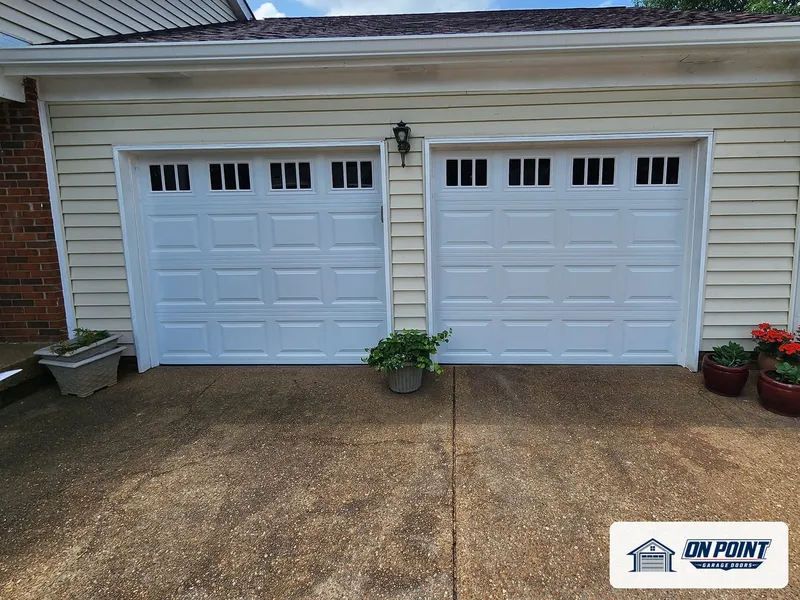
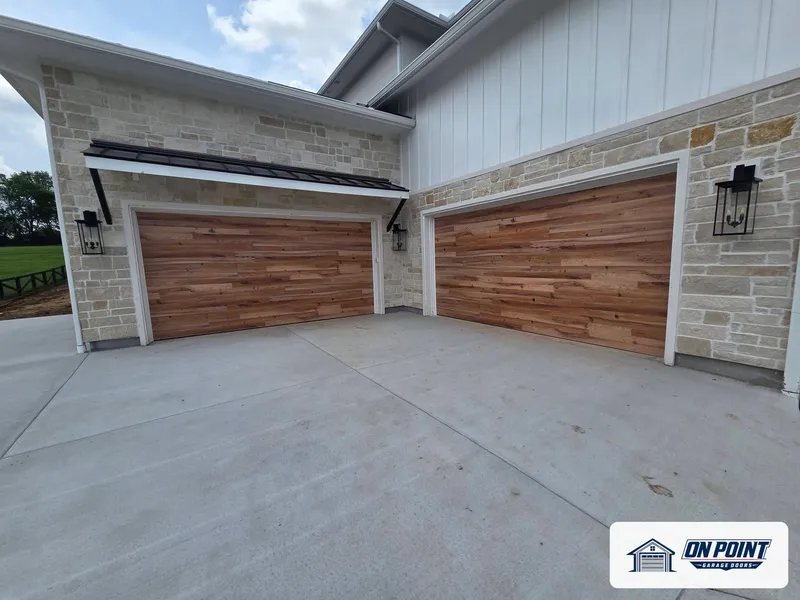
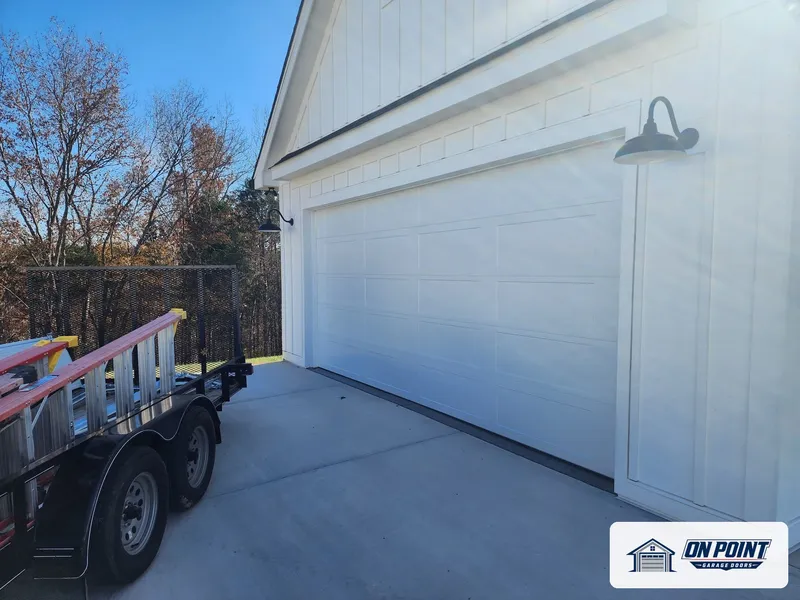
A heavy wood door on an older Tudor, a wide insulated door on a newer house and a pair of single doors on a side-entry garage each carry their weight differently, so the technician starts by seeing how the door is built and hung.
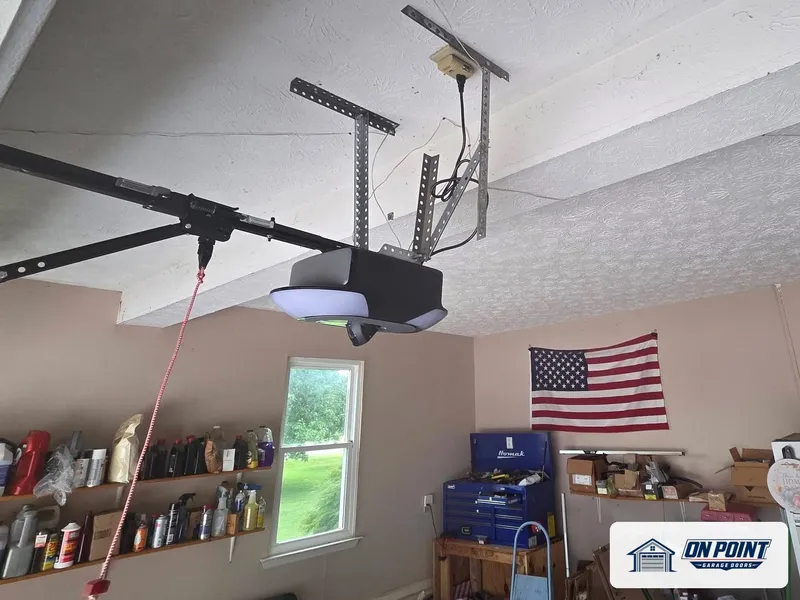
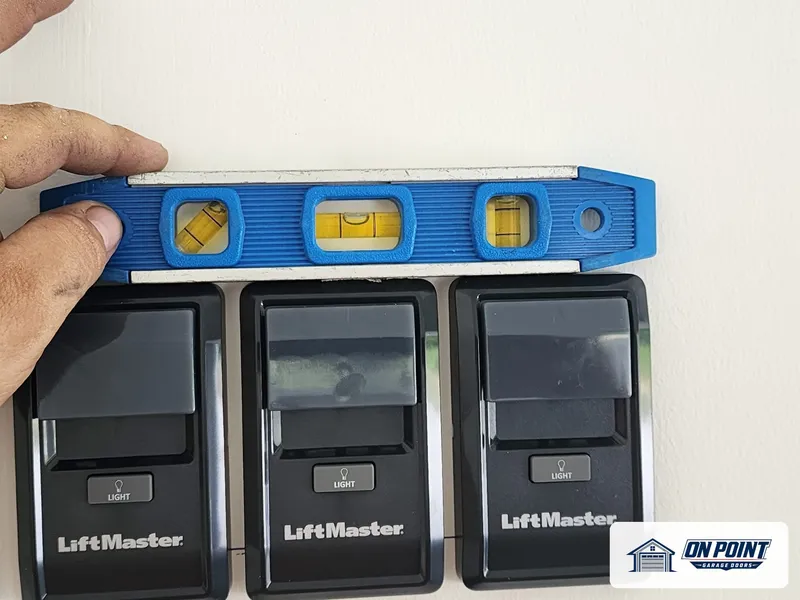
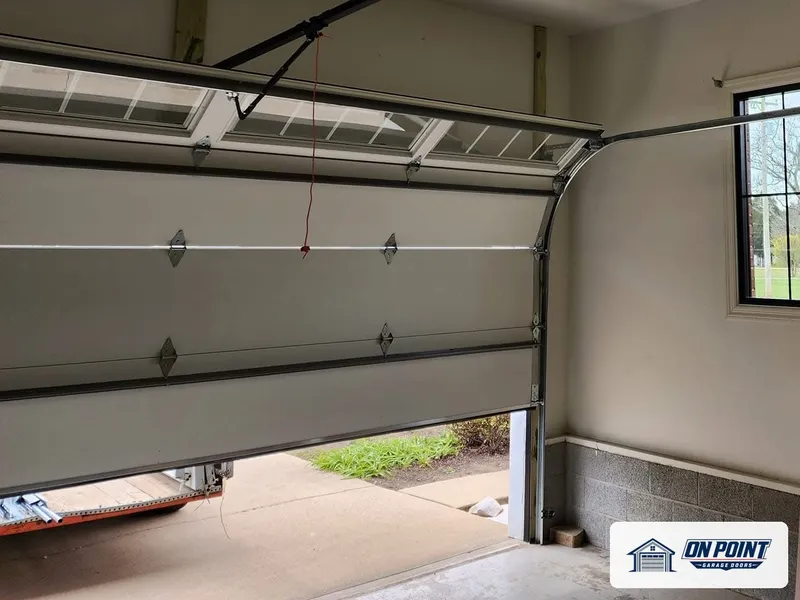
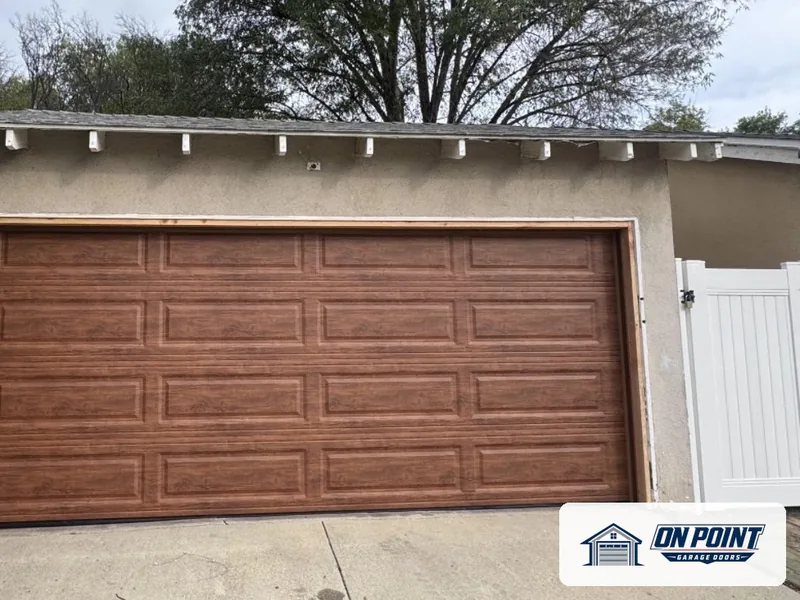
Heavy custom doors. Many of the older houses carry solid wood or wood-clad doors built to match the trim, and those outweigh a stock steel door by a wide margin. Springs sized for a lighter door leave the opener hauling the difference, and the door feels like a dead weight once it is off the motor.
Drive-down garages. When the driveway falls toward the garage, grit and runoff gather at the threshold, tearing the bottom rubber, rusting the bottom brackets and wearing the lowest pair of rollers. Those parts get a look on every visit, and so does any drain set into the apron.
Side-entry and two-car garages. Doors that face the side of the lot leave a tight turn for the car, and the near track and jamb take bumps. Two openers in one garage can share a ceiling, and each door is balanced and tested on its own.
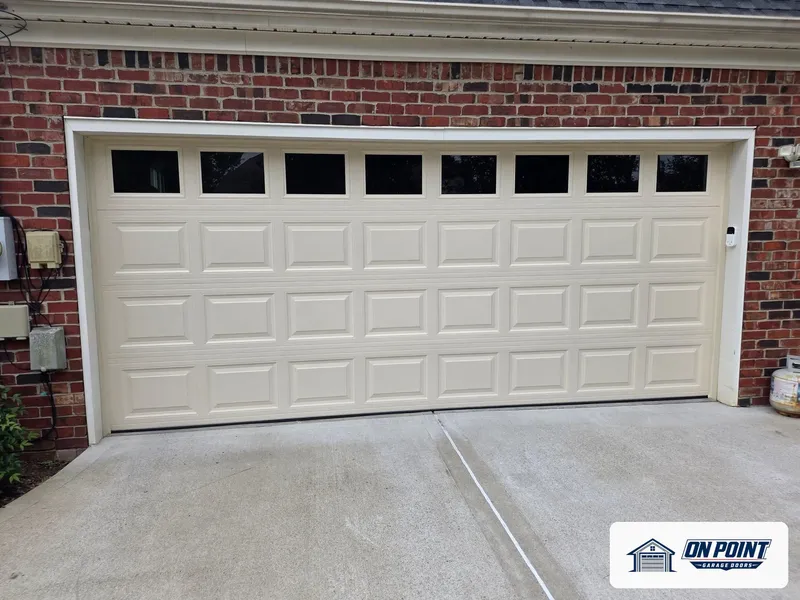
Newer and rebuilt houses. Large new homes often carry wide insulated doors with glass, connected openers and keypads. Those openers can be set up to work from a phone, and their sensors, limits and connection are checked along with the door.
Storm damage from the canopy. A falling branch can crease a panel, split a hinge or knock a roller off its track. If wood has come down on the door, leave it where it stopped and keep the opener switched off until it has been looked at.
The hill streets sit on our eastern Queens loop between the Jamaica Estates blocks to the west and Hollis to the south, and the same trucks also work Brooklyn and Long Island.
Mention whether the garage sits below the street, whether the door is wood or steel and whether there are two doors, so the right parts are on the truck.
If a door sticks open as darkness falls, or the car is boxed in behind a dead door before the workday, that visit goes ahead of routine calls; lead with it when you reach us.
Winter. Ice and packed snow slide down a pitched drive and weld the bottom rubber to the slab. An opener straining against a frozen door can strip its drive gear, so give the seal time to let go before trying it again.
Spring. The big trees shed pollen, catkins and seeds onto the tracks and the photo eyes, while April rain runs down to the garages that sit lowest on the lot. That is a sensible season to have the seal and the bottom hardware looked at.
Summer. Muggy stretches make wood doors swell until they rub against the stops, sun on a dark finish dries it out, and an opener shut inside a closed garage runs warm.
Fall. Leaves and acorns drift against the doors and settle into the low ends of the tracks. Before the first freeze, book a check of the springs, the cables and the safety reverse on a mild day.
He works each door on its opener first, then lets it off the motor and raises it partway to see if it stays put. On a heavy wood door he also studies the hinges, the panels and the framing behind them, since the weight pulls on all three.
Every worn part is pointed out on the door itself, put in plain language and listed on a free estimate with the safety items heading the list, so the choice of what happens now and what can wait is yours.
New springs are sized to what the door actually weighs, which matters a great deal on custom wood. The common parts ride along; a panel for an older custom door or a part for an unusual opener may have to be ordered, and you are told before any work begins.
With the job done, you work each door from the wall button and from a remote, and he proves the reverse twice, once against an object laid in the opening and once with the sensor beam blocked.
Spent springs, frayed cables and the packing from new parts go out in his truck, and the floor and the drive are left the way he found them.
Long driveways and gates can mean a car has to come out or a code is needed to get in. Tell us how to reach the garage and which door is giving trouble, and the visit is planned around the household.
You read the estimate first; nothing is changed without your yes.
Heavy doors, pitched drives and deep shade each wear on a different piece of hardware, and knowing which piece is carrying the strain means most breakdowns can be seen on the way.
Springs. A heavy door needs springs sized to it, and a spring that is too light wears out early and leaves the opener doing the lifting. When one breaks, the door stays down until it has been seen.
Cables. On a door at the foot of a sloping drive, the lower cable loops sit right where water gathers. Broken strands near the bottom bracket mean both cables are changed at once so the door rises level.
Photo eyes. Rakes, leaf bags and garbage cans bump the sensors out of line, and a door that refuses to close is often nothing more than that. The brackets are fastened to solid framing so they stay put.
Tracks and hinges. A heavy wood door works its hinges hard, and track that a car has bumped on a tight turn can bind. Bent track is changed, and cracked hinges are swapped.
Openers. A heavy door needs a motor sized to match, and a belt drive keeps the noise down where bedrooms sit above the garage. The opener is always tried apart from the door before a new unit is ever suggested.
When you get in touch, mention whether the door is wood or steel, single or double, and what it does when it runs. A photo helps but is never required.
Free estimates for homeowners on the hills and winding streets of this corner of Queens.
Often a little, and the rest comes from protecting what gets hit. The opening can sometimes be widened if the framing and the wall beside it allow, which the technician checks. Where it cannot, low bumper posts or guards in front of each jamb take the knocks before the track does, and a camera or a parking mark on the floor helps the car line up on that turn. A bent track is straightened or changed before the door runs again.
Usually the springs, not the opener. A wood door can weigh far more than the springs on it were sized for, especially after years of paint or a replaced panel, and the opener ends up lifting weight it was only meant to guide. The technician checks the balance with the door let off the opener, sizes new springs to the real weight and then judges whether the opener itself is strong enough.
Steel and composite doors now come with wood-grain finishes, carriage-style overlays and window patterns that suit Tudors and colonials, and they weigh much less than solid wood. Some owners keep a wood look with a wood-clad door instead. The technician measures the opening, notes the style of the house and lists a few matching designs on the estimate so you can compare them.
Often, yes. When the damage is limited to one section and the rest of the door is sound, that section can usually be ordered and changed on its own, provided the model is still made. Until then, keep the opener off, since a creased section can catch at the top of the track. The technician checks the hinges, rollers and track around the dent as well, because a hit from above can bend them too.
Each opener has its own receiver, and the remote or the buttons built into the car have to be set up for each one separately. If one door answers and the other does not, the remote may only know one of them, the second receiver may be weak, or its antenna may be tucked out of reach. The technician checks both openers, sets up the remotes and car buttons for each door and tries them from the driveway.
Describe the door, choose a time when someone in the house can let the technician into the garage, and the visit and the written estimate come free.
For a heavy wood door, a garage below the street or a pair of side-entry doors, call (929) 429-2429.
A line on what the door does, or where along the track it stops, is enough for the free written estimate.
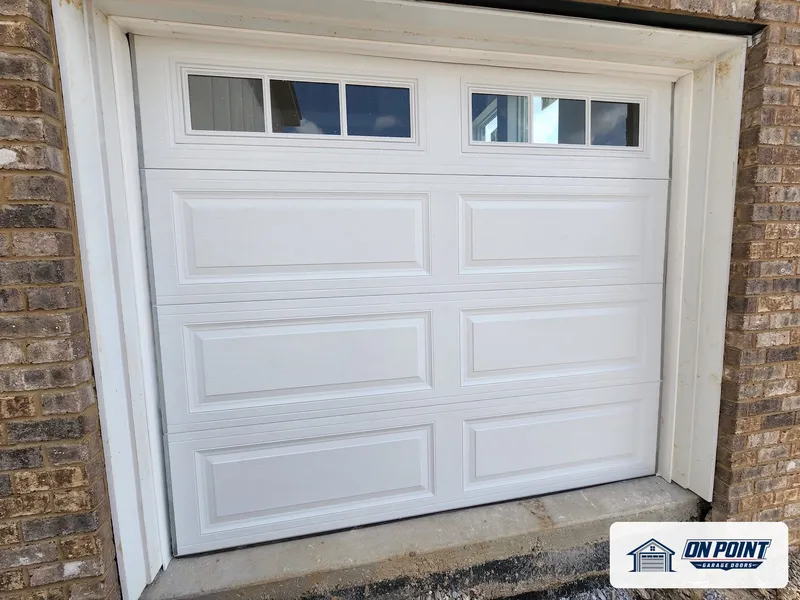
Where we work
Brooklyn, Queens and Long Island. Tap your town.
 Bay RidgeBrooklyn
 AstoriaQueens
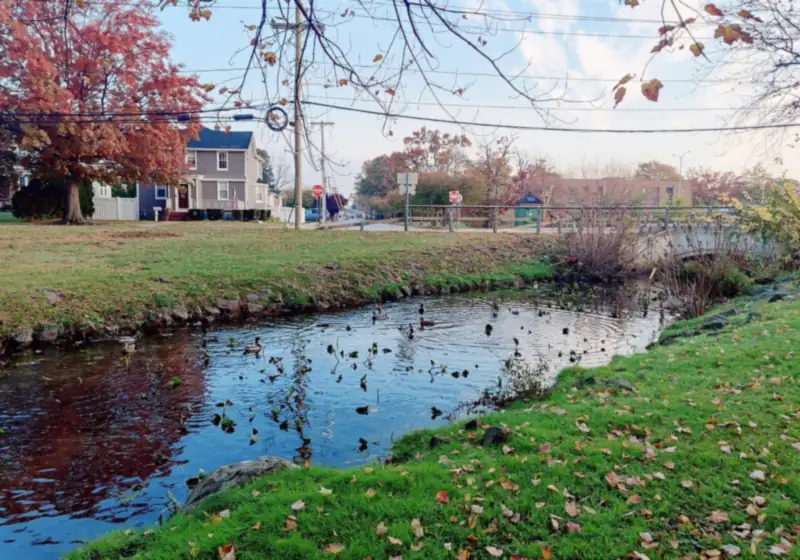 Valley StreamNassau County
 HuntingtonSuffolk County
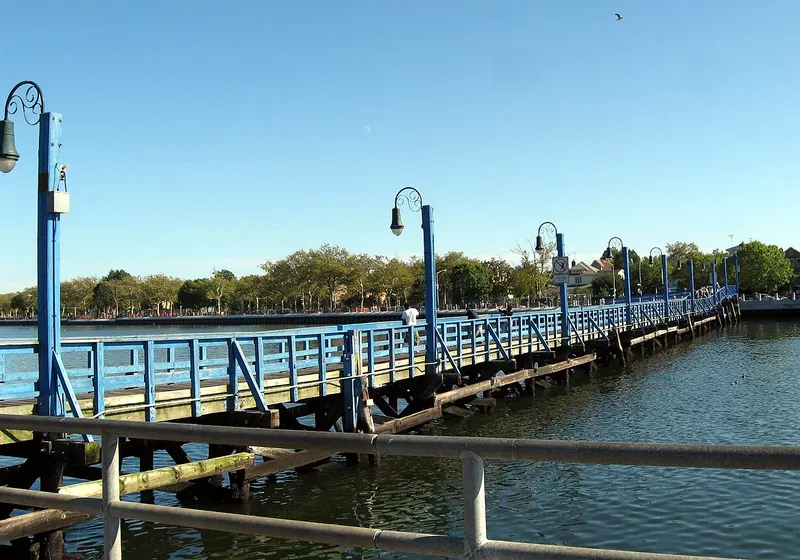 Sheepshead BayBrooklyn
 BaysideQueens
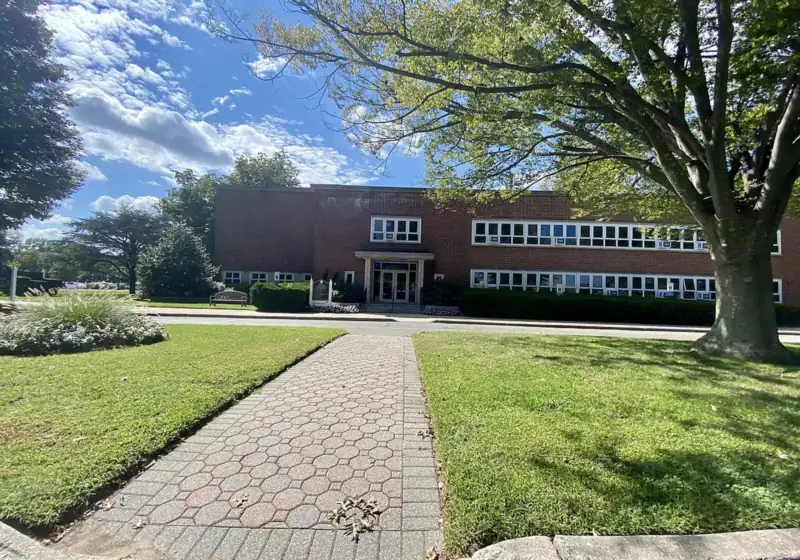 Garden CityNassau County
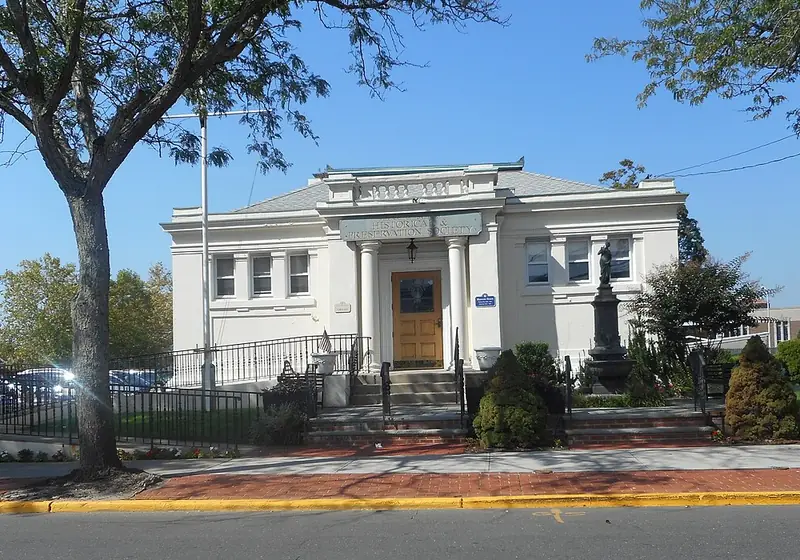 BabylonSuffolk County
 Marine ParkBrooklyn
 FlushingQueens
 MassapequaNassau County
 SmithtownSuffolk County
 CanarsieBrooklyn
 Howard BeachQueens
 LevittownNassau County
 Mill BasinBrooklyn
 Forest HillsQueens
 FreeportNassau County
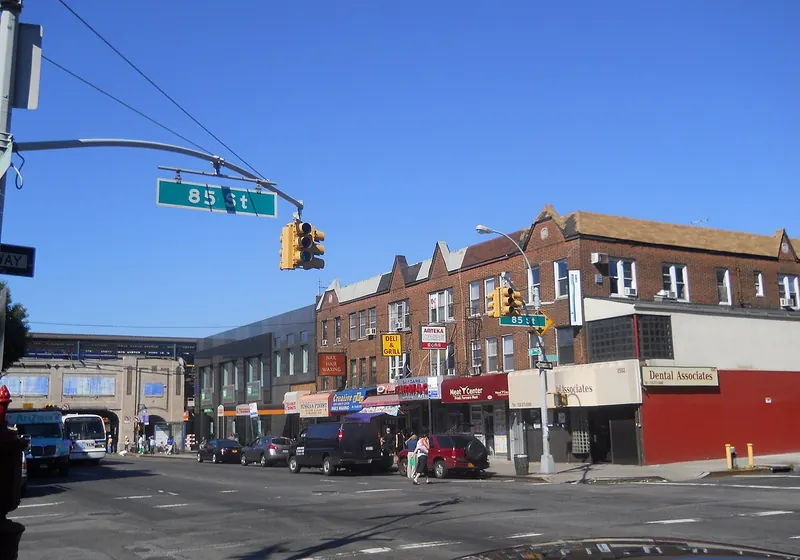 BensonhurstBrooklyn
 Long BeachNassau County
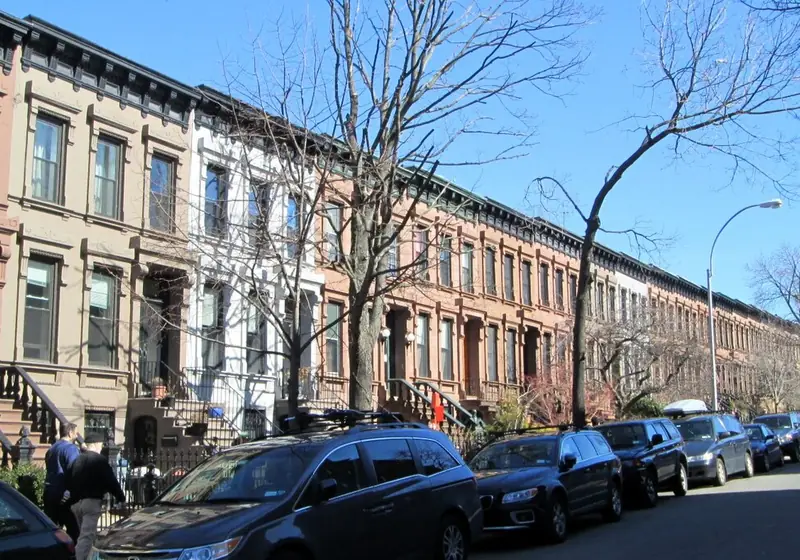 Park SlopeBrooklyn
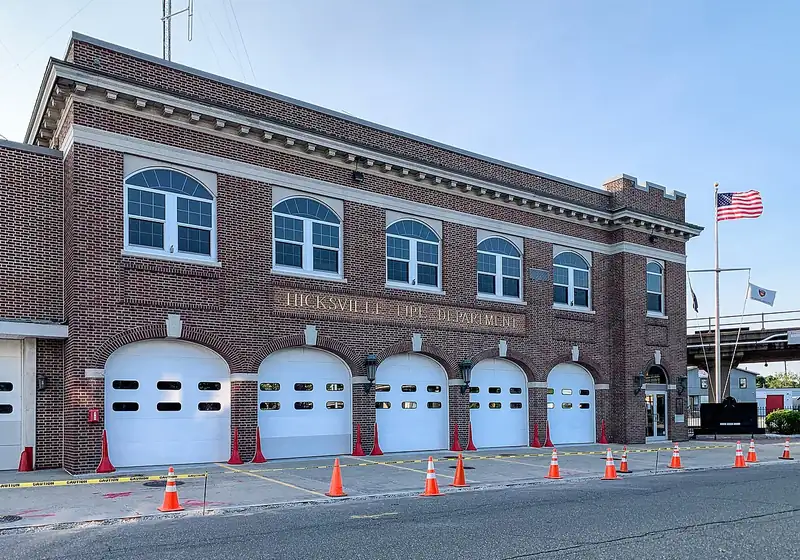 HicksvilleNassau County
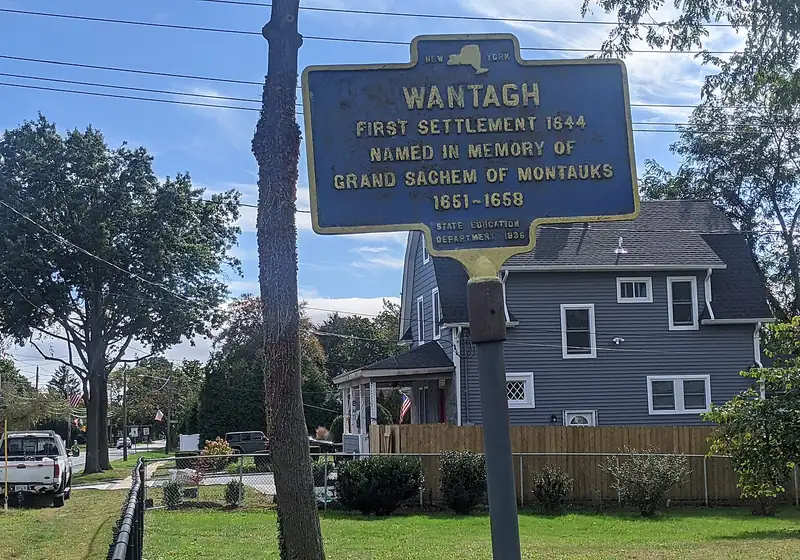 WantaghNassau County
 SeafordNassau County