Takes 30 seconds. We call you back to set a time.
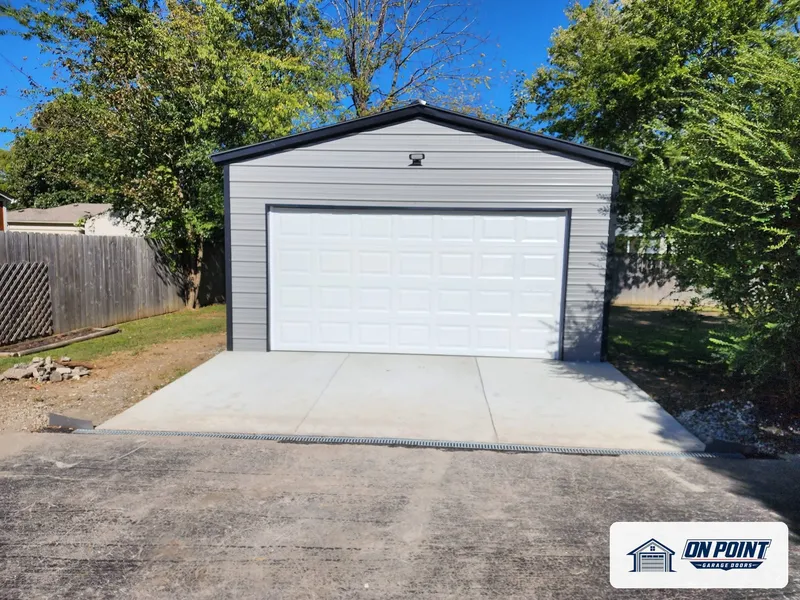
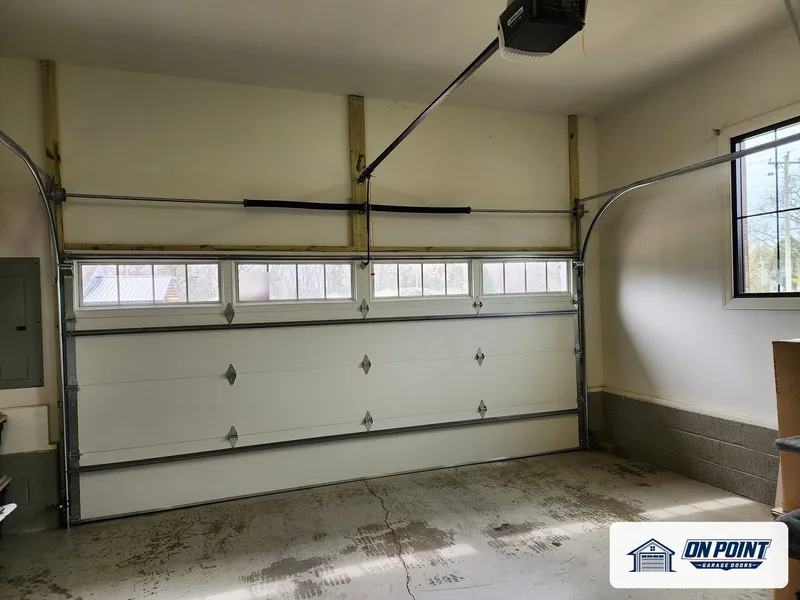
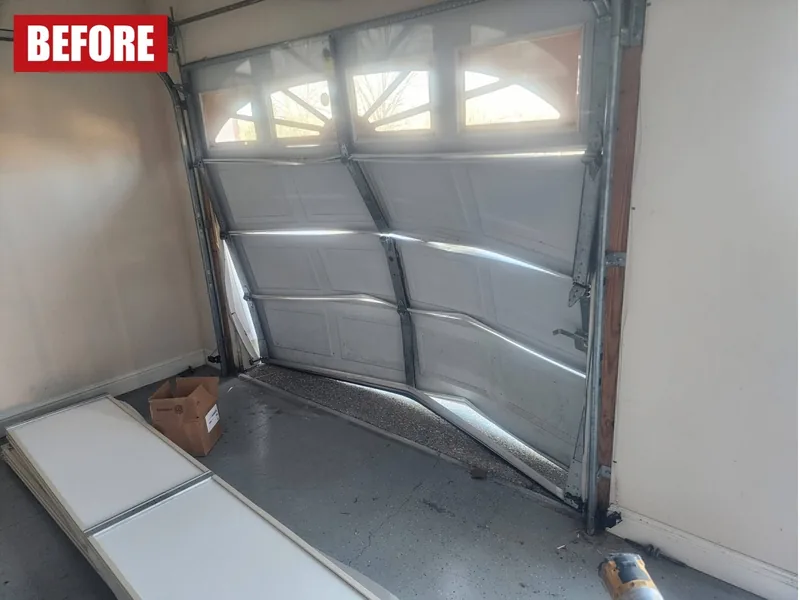
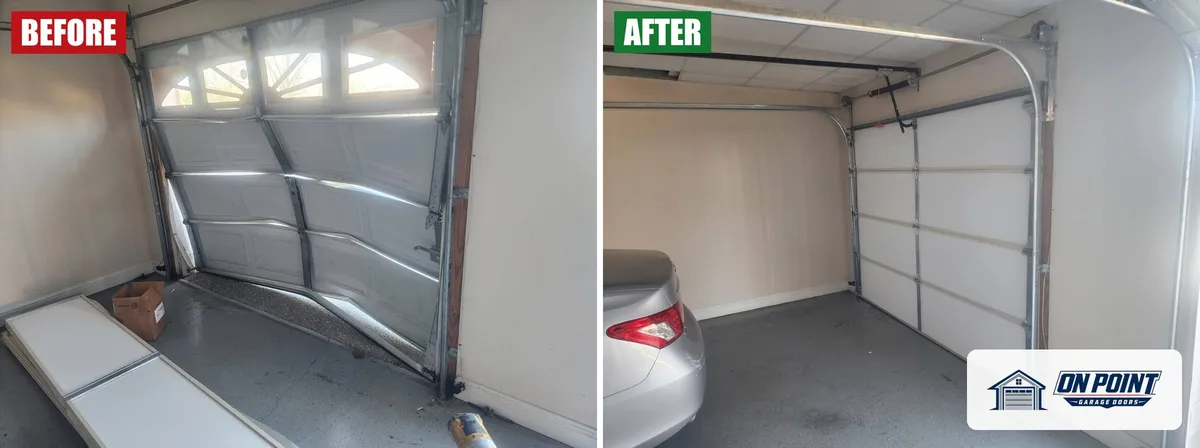
These photos are from our own jobs, with our logo on them.


Garage door repair in Island Park for the canal-front and bay-side homes, the houses lifted after past storms with garages at ground level, the bungalows on the narrow streets, and the marinas and shops along the main road. Free estimate first.
After past floods, many houses here were raised, and the space below became a garage or storage room that is meant to let water pass through in a surge.
The door, springs, cables and opener in those spaces live in damp, salty air all year.
Below a raised house the garage is often the only enclosed room at street level, so it holds the car, the bikes, the kayaks and much of what once lived upstairs.
Galvanized springs, coated cables and stainless fasteners outlast bare steel by a wide margin this close to the bay.
Lots are small and close together, and many garages open almost directly onto the street.
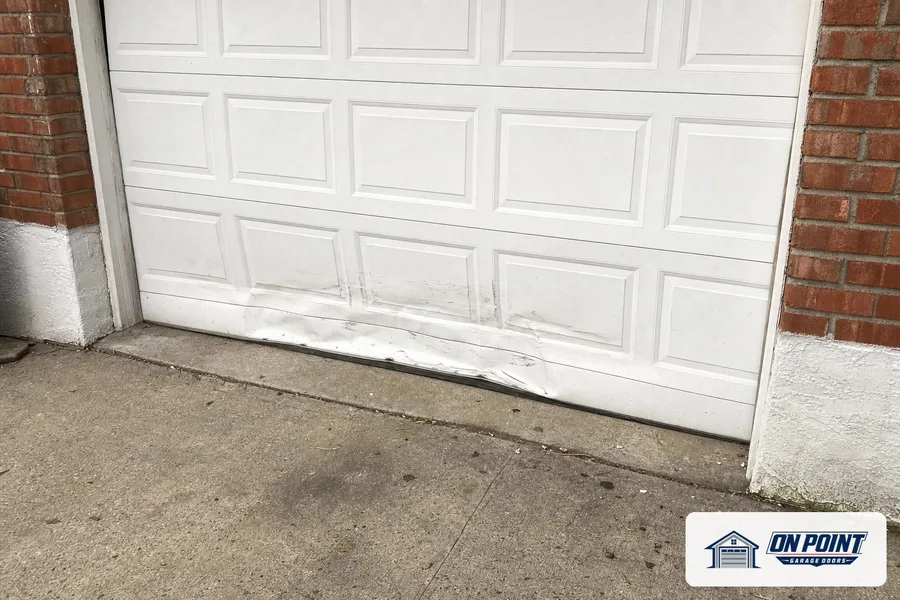
Doors here take bumps from cars, trailers and delivery trucks squeezing past.
The streets are narrow and many driveways are short, so a car backing out at an angle catches the edge of the track more often than on wider lots.
Marinas, bait shops, restaurants and service businesses along the main road use roll-up doors and gates that face the water.
Salt eats their slats, guides and bottom bars quickly.
A roll-up that faces the water every day needs its guides cleaned and its bottom bar checked far more often than one inland.
Two drawbridges connect the area to the mainland, and traffic backs up when they open, so visits are planned with that in mind.
Storm season means owners want doors that close tight and openers that work when the power goes out.
Battery backup is one of the most requested upgrades.
Owners who were shut in when the power failed in past storms often ask for it first, and a battery inside the opener is the simple answer.

Raised house, bungalow or a shop on the water, each door is seen in person before an estimate is written.
Owners rebuilding after storms often choose doors and hardware made for the water, so the next flood does less damage.


Garages under raised houses. Springs, cables and fasteners corroded by salt.
Galvanized and coated hardware is used, and flood vents are left clear.
If the door has become hard to lift, rust-weakened springs are checked first.
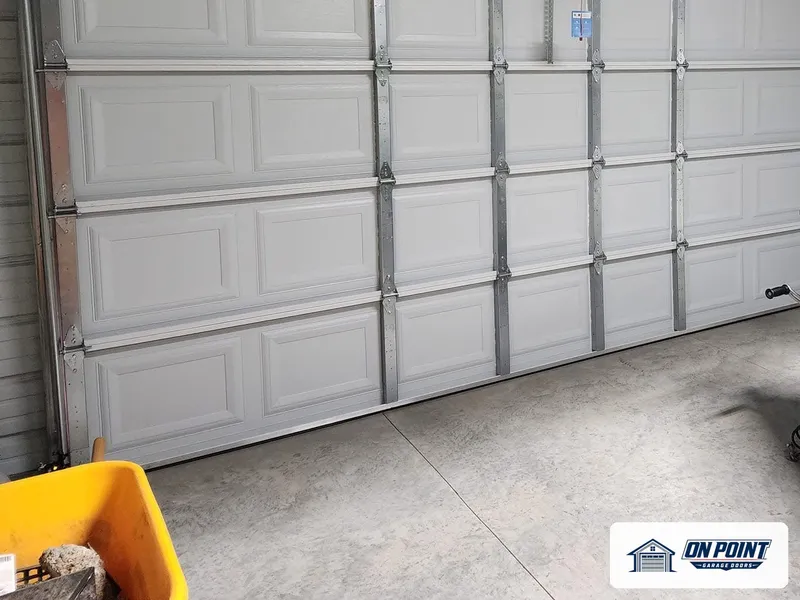
Street-facing doors. Bent bottom panels and tracks from cars and trailers.
Sections and tracks are straightened or replaced.
Marina and shop doors. Slats, guides, bottom bars, springs and motors.
Coated parts last longer on the water.
Marina doors with hand chains can often take a motor rated for damp, salty spaces.
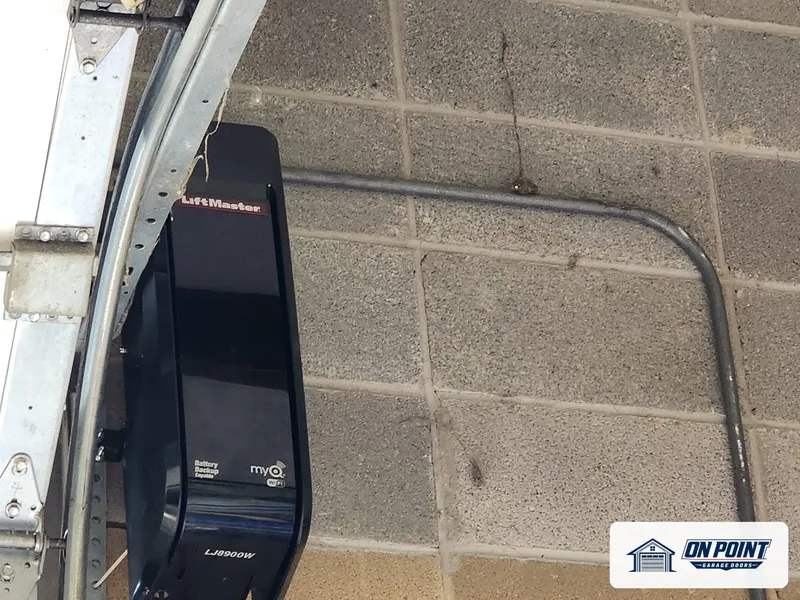
Openers. Corroded boards and sensors in damp garages.
New openers with battery backup are installed where needed.
Insulated doors help garages under raised homes keep the floor above warmer.
After any surge or storm, have the door checked before you rely on it.
A boat trailer backed into a tight garage can catch a track, so the track and bottom section are checked together.
The canal streets and the main road are on our south shore Nassau route, a short drive over the bridge from the Queens crews.
Tell us if the house is raised or on a canal, and the technician comes prepared.
A door jammed by a storm surge, or a car shut inside on a workday, goes ahead of routine work.
If a surge has pushed the door in or left it jammed, keep everyone clear and tell us when you call.
Winter. Wind across the water and freezing salt mist finish off rusted springs.
Salt mist can freeze on the bottom seal; let it thaw rather than running the opener.
Spring. High tides flood low streets and soak the bottom of doors.
Summer. Sun and salt dry out the seals and fade the finish.
Fall. Storm season is when tight seals and battery backup matter most.
A checkup in the fall catches rusted springs before the winter wind off the water finishes them.
He opens the door, then checks the springs, cables, bottom fixtures, rollers, track, seals and opener for corrosion.
After any flood he rinses salt from the hardware before judging what can stay and what must go.
You hear what salt has damaged and what is still sound, on a free estimate.
Rust-resistant springs and hardware are offered on every job here.
The springs, cables and rollers most doors near the water need ride along on the truck.
He proves the door reverses on an object before leaving.
Corroded parts leave with him.
You see the door seal against the floor before he leaves.
Marina and shop work can be planned around tides and the season.
He calls ahead.
Work starts only with your yes.
If a part can be saved rather than replaced, he says so.
Salt and storms decide what fails first on the island.
A rusted spring can break without warning; keep the door shut and call.
Coated springs last far longer in this air.
Bare springs this close to the bay can show rust fast, which is why the coated kind is offered first.
Salt eats the lift cables where they wrap the bottom fixtures, so both sides are renewed in one visit.
If rust has thinned the bottom fixtures themselves, they are swapped at the same time.
Photo eyes are mounted as high as allowed, above standing water.
Wiring for the eyes is run along the track where a puddle cannot reach it.
The bottom of the track is renewed where salt has eaten it.
Track brackets that have rusted loose are moved into dry, solid framing.
In a damp garage the opener's logic board is the first part opened up and looked at for corrosion.
With a battery built into the opener, the car still gets out when a storm knocks the power off.
Say whether the garage is below the raised house, beside a bungalow or at a business on the water.
Every estimate is free.
Choose a door and hardware made for salt air: galvanized or coated springs, stainless hinge pins and rollers with sealed bearings. The space under a raised house is meant to let flood water through, so the flood vents in the walls are left clear and the door is never sealed in a way that blocks them.
Not always. The technician opens the opener and looks at the logic board, the motor and the photo eyes for corrosion, and rinses salt off the door hardware before judging it. Parts that sat in salt water often fail weeks later, so a check after the water is gone is worth it even if everything still seems to work.
With a battery backup opener, yes. The battery inside the unit lifts the door several times after the power drops, so the car can still leave. Older openers without one leave the door to be lifted by hand, and that is only safe when the springs are in good shape.
We do. Roll-ups and gates facing the water rust at the slats, guides and bottom bar first. Coated parts are offered, the springs in the drum are checked for strength, and visits are planned around the season and the busy weekends so the business keeps running.
Keep it closed until it has been looked at. A bent track can let a roller jump out, and the door can drop at one corner. The technician straightens or swaps the bent stretch of track, checks the bottom section and the cable on that side, and runs the door with you before he goes.
Describe the door and the house, then choose a visit; the estimate is free.
Call us at (929) 429-2429.
Say what the door is doing and how close it sits to the water; a free estimate comes back either way.