
Leave your name and number and we’ll call you back to set a time.
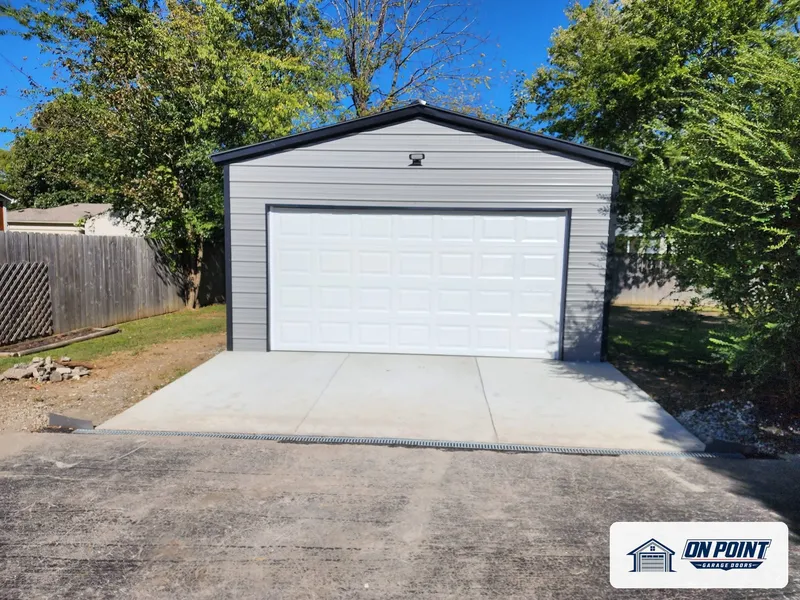
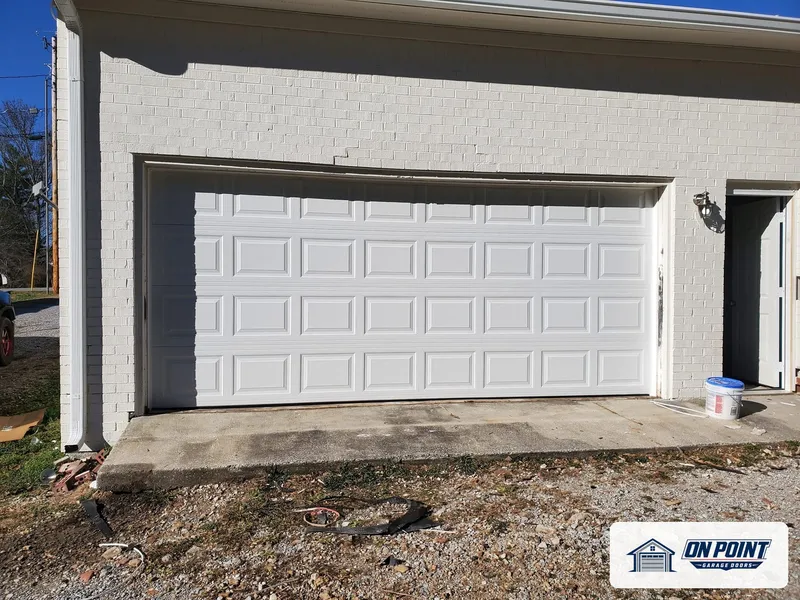
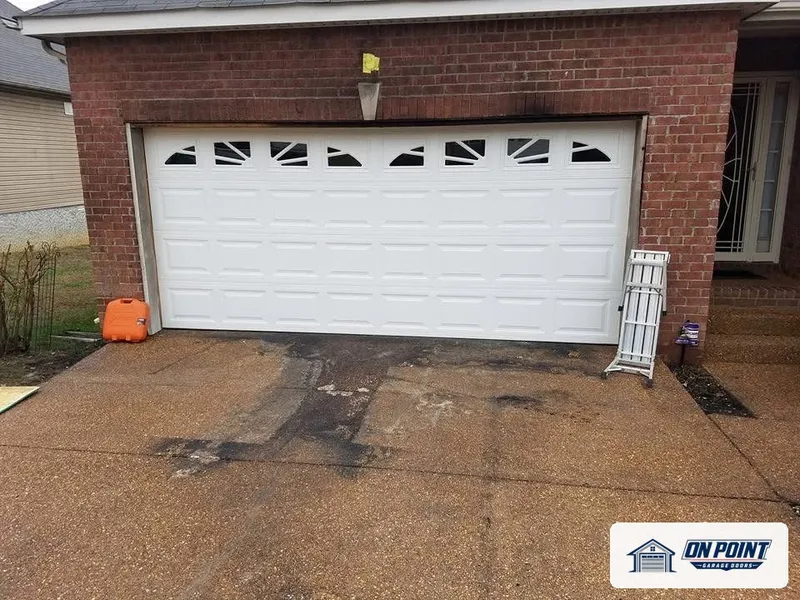
Photos from our own jobs.
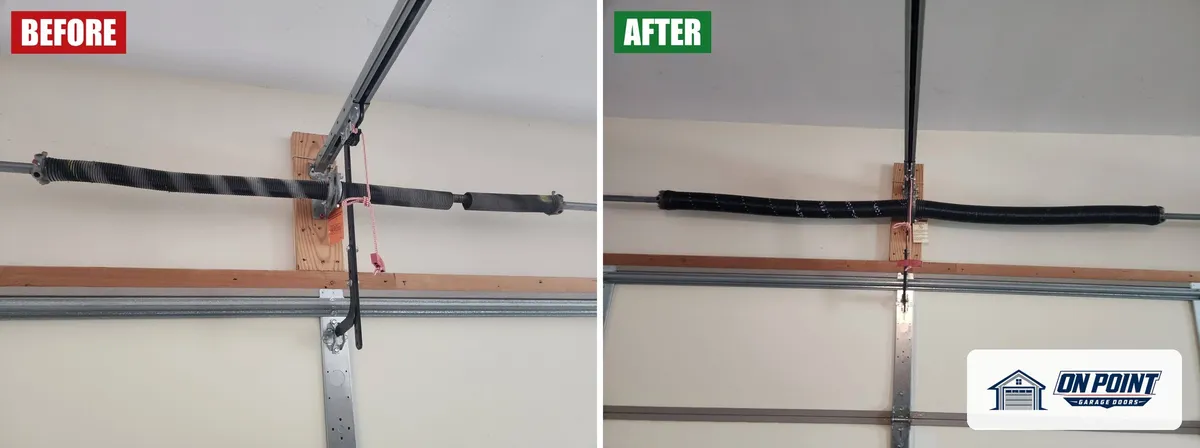
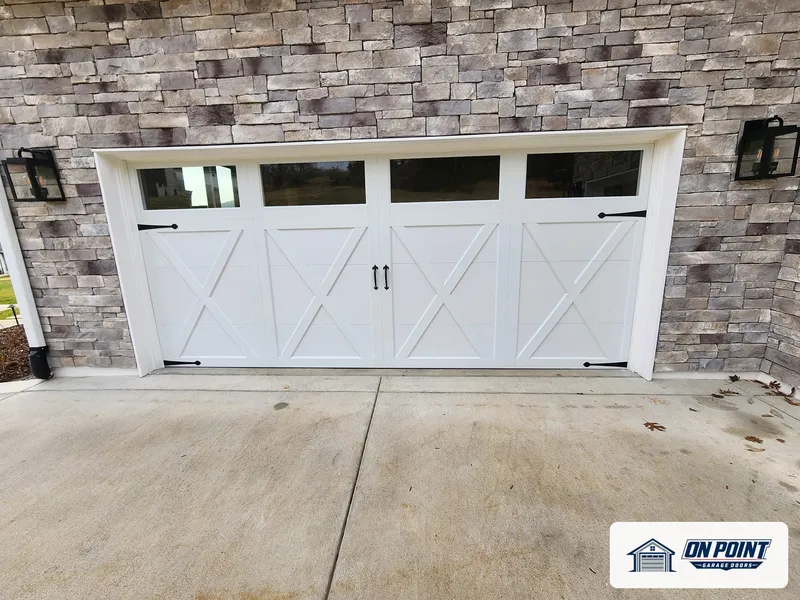
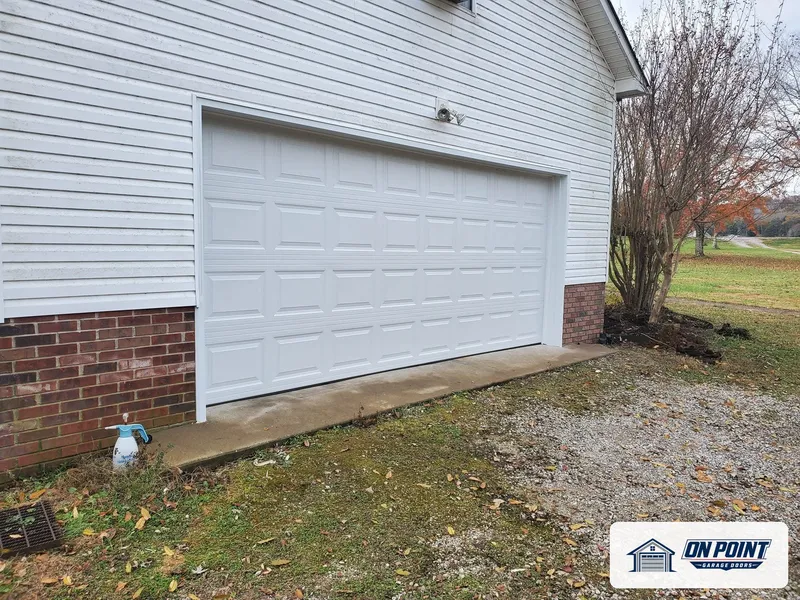
Garage door repair in Oakland Gardens for the brick semi-detached pairs that split one driveway, and for the drive-under garages where the lot drops off below the street. Our tech looks the door over first, and the written estimate is free.
You're in the hilly part of eastern Queens here, with Alley Pond Park on the east side and Cunningham Park off to the west. The Long Island Expressway cuts straight across, and Springfield Boulevard takes most of the north-south traffic.
Alley Pond Park is one of the biggest parks in Queens, with old woods and wetlands, and Cunningham Park has its own trails and ball fields. Houses near either edge get more leaves, more critters and more shade on the driveway than blocks farther in.
Most of the houses went up after the Second World War. You get rows of brick semi-detached houses, detached homes on modest lots and big garden-apartment complexes with lawns between the low buildings. Two houses in a pair often split one driveway down the middle, each half ending at its own garage door.
The glaciers left this ground lumpy. Ridges and dips break up the street grid, and Oakland Lake sits in a wooded hollow. Where a lot drops off from the curb, the garage may be tucked under the house at the bottom of a short, steep driveway.
Plenty of these doors are about as old as the houses. Some are heavy wood panels still hanging on old side springs. Others went to steel years ago and picked up new parts along the way, so the first thing our tech does is figure out what's actually on the door today.
A door like that can have springs from one decade, rollers from another and an opener from a third. When parts don't match, one tired piece wears out the rest, so he checks how they work together before he orders anything.
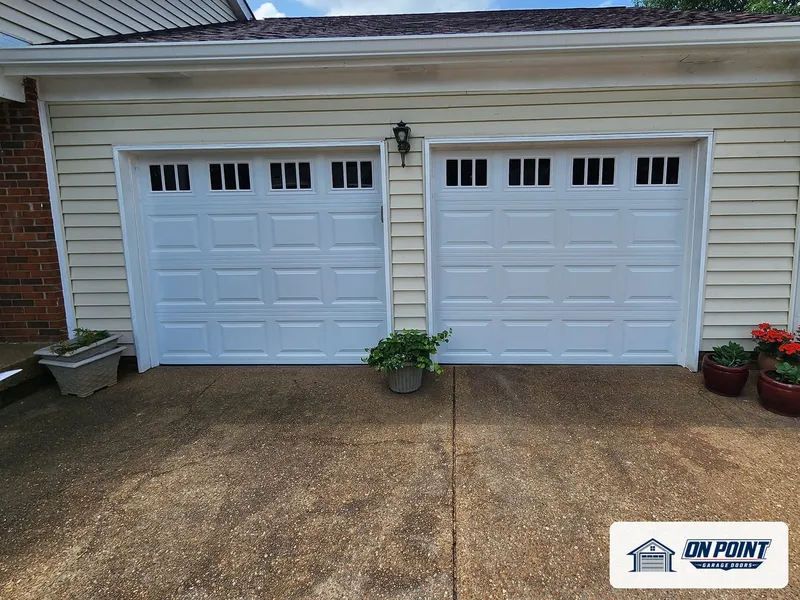
Half a shared driveway with its own garage at the end, a door under a raised first floor, a wide door on one of the newer houses: each one carries its weight differently. Our tech figures out which one he's looking at before he touches a part.
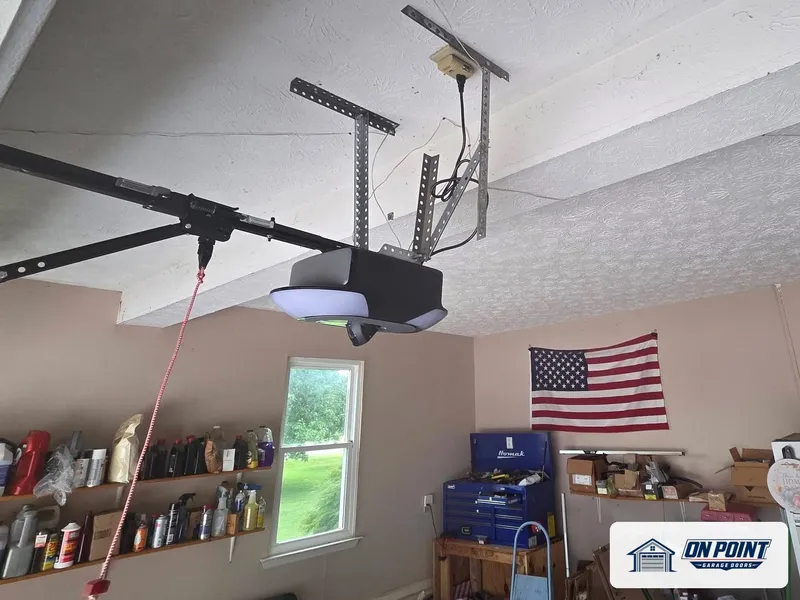
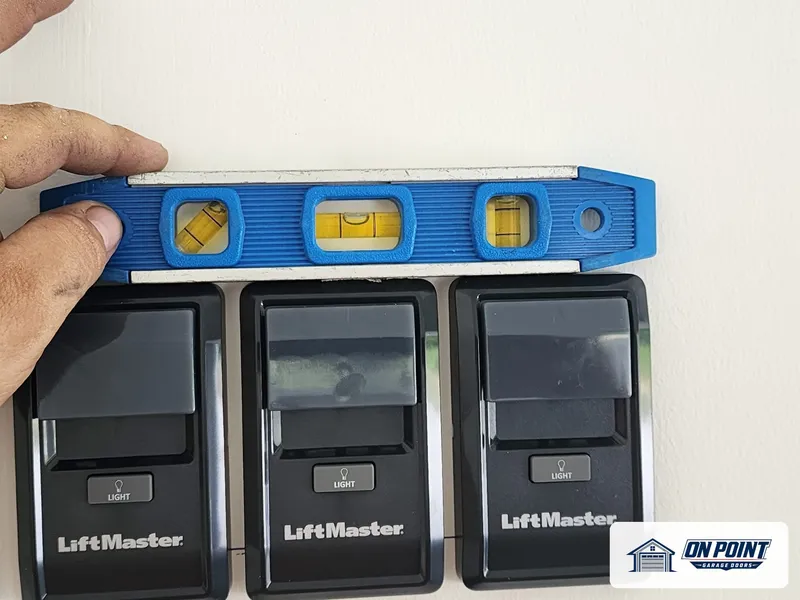
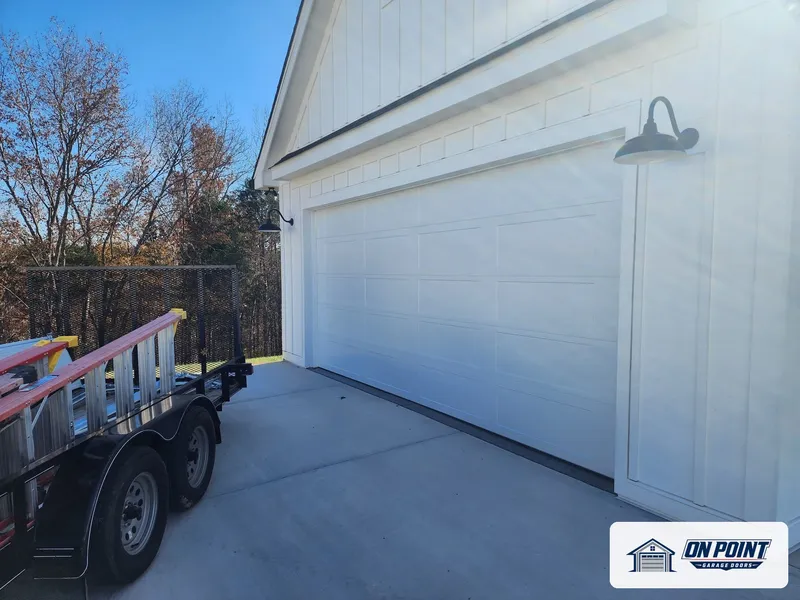
Old side springs. A lot of post-war doors lift on long springs that stretch along each track instead of one bar over the opening. When they get tired the door slams down, and a spring without a safety cable through it can whip loose when it snaps. We often switch those doors over to torsion springs.
Drive-under garages. When the garage sits under the house at the bottom of a dip, rain and melting snow collect at the threshold. The bottom rubber, the lowest section and its brackets take that water first. If there's a drain in front of the door, our tech checks it on the same visit.
Garages on a shared driveway. Two families, two doors and one skinny strip of concrete means cars, bins and bikes pass close to the tracks. That bends tracks and knocks sensors out of line, so our tech checks both before he blames anything else.
Doors along the park. Houses that back onto the woods get leaves, acorns and twigs in the tracks every fall, and animals chew through a cracked bottom seal to get into a warm garage. A tougher seal and a tight threshold keep most of them out.
Old doors with a newer opener. Hook a motor to a door that was built to lift by hand and it can strain the top section and rip its bracket loose. Whenever an old door has an opener on it, our tech checks the top section and the header above it.
These blocks are on our eastern Queens loop with Bayside, Fresh Meadows and Douglaston, and the same crews keep going into Brooklyn and out to Long Island.
Tell us if the garage is under the house, at the end of a shared driveway or behind a garden-apartment building, so our tech brings the right springs and track.
A door stuck open at dusk or a car trapped before a shift moves up the list. Say that first when you reach us.
Winter. Snow drifts into the low spot in front of a drive-under garage and freezes the bottom rubber to the concrete. If the opener keeps pulling on a frozen door it can strip its gear, so wait for the seal to come free before you try again.
Spring. Woods on both sides send pollen and seed fluff onto the tracks and the safety eyes, and hard rain runs downhill to the lowest garages. It's a good time to have our tech check the seal and the bottom hardware.
Summer. Muggy weeks swell old wood doors until they rub the stops, and a garage shut up in the heat bakes the opener and the rubber. If the door drags in July and runs fine in March, it's usually a fit problem and the motor is fine.
Fall. Oak leaves and acorns blow off the park edges and pack into the bottom of the tracks. Before the first hard freeze, get the springs, cables and safety reverse tested on a mild day.
He runs the door on the opener and watches each section ride the track. Then he unhooks it and lifts it partway to see if the springs hold it there. On an older door he also checks the hinges, the top bracket and the wood or steel around them.
He shows you each worn part right on the door. Then it goes on a free estimate in plain words, one line per item, safety first and comfort last.
New springs are sized to what the door weighs today, and the tag on the old set doesn't count. The usual parts ride on the truck. A section for a discontinued post-war model or a part for an odd opener might need ordering, and he tells you that before he starts.
When he's done, you run the door from the wall button and a remote. He tests the reverse twice, once with something in the doorway and once with the beam blocked.
The old springs, worn cables and the empty boxes leave on the truck, and the shared driveway stays open for both families.
When two houses split a driveway, our truck can block both garages. Tell us whose car might need to move and if the neighbors should know about the visit, and we'll plan it so neither family gets boxed in for long.
You read the estimate first. The door stays exactly as it is until you give the go-ahead, and if you want to talk it over with the family next door first, take your time.
Age, a sloped apron and a tight shared driveway each wear on a different part of the door. If you know where the strain lands, you can catch most failures before they leave a car stuck.
Springs. Side springs on an older door stretch every time it opens. Past their life they leave the door heavy and the opener working too hard. Torsion springs on newer doors break with a loud bang. With either one, keep the door down until our tech has seen it.
Cables. On a garage below the house, the bottom cable ends sit in whatever water reaches the threshold. Rust or broken strands near the bottom bracket mean we replace both so the door rides level.
Safety eyes. Bins, bikes and strollers going up and down a narrow driveway knock the two sensors out of line, and that alone can make a door stop and reverse for no reason. We mount the brackets on solid framing.
Tracks. A car turning into a tight garage or a bin rolled into the corner can kink a track. A door in a kinked track binds or jumps out. We swap the bent piece and move the track bolts into solid wood.
Openers. The old chain drives here can rattle the bedroom above, which is why people switch to a belt drive. Our tech always tests the opener unhooked from the door before anyone talks about a new one.
Good to tell us when you book: wood or steel, long springs along the tracks or one bar overhead, and what the door does when it runs. A photo helps, though you don't have to send one.
We give free estimates to homeowners and co-op boards in the brick houses and garden apartments up here.
Tell us about the driveway when you book. Our tech calls when he's close, parks where both families can still get out and does the bulk of the job inside your garage. If the neighbor's car has to come out first, or your door has to stay shut while he changes a spring, you'll hear it ahead of time so both houses can plan.
It's worth asking about. Side springs do the job, yet older sets often have no safety cable through them, and a spring that breaks can fly across the garage. A torsion spring on a bar over the opening holds the door more evenly and wears slower. Our tech checks if your door and headroom work with torsion and puts both options on the estimate.
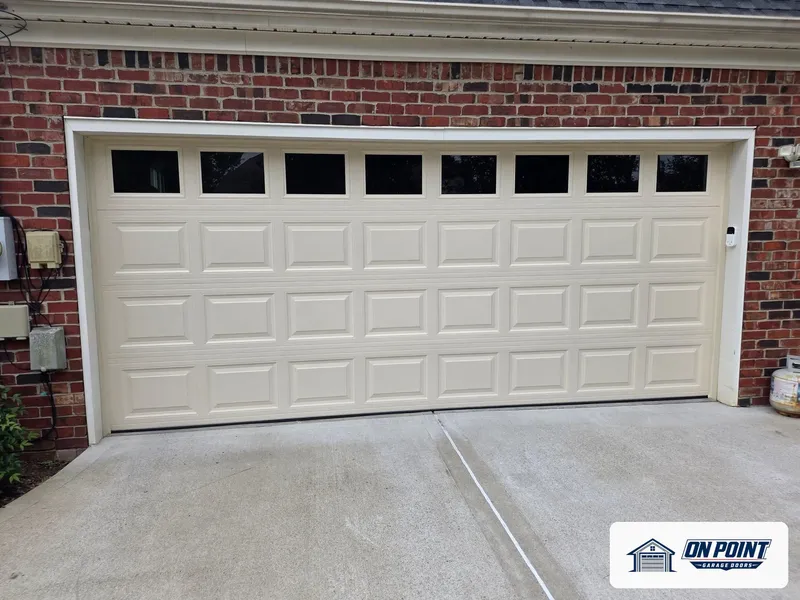
Usually you can get close. Our tech writes down the maker, panel style, color and window layout of the neighbor's door and checks if that model still comes in your size. If it doesn't, he lists a door with the same panel lines and color. He measures your opening, headroom and springs separately, since the two halves of a pair aren't always built the same.
Yes. Bottom seals come in heavier rubber and vinyl, and some stand up to chewing much better than the thin strip most doors come with. A seal only works on a fairly even floor, so our tech checks the slab and the bottom section too. He also closes any gaps at the sides where the weatherstrip has pulled off the jamb.
Depends on the wood and the hardware. If the panels are solid and the springs can be matched to the weight, a wood door can keep going for years. If the sections are rotting or splitting at the hinges, an insulated steel door with a raised-panel or carriage look weighs a lot less and goes easier on the opener. Our tech weighs the door, checks the wood and writes up both options so you can compare.
Describe the fault and we'll give you an honest arrival time. The visit and the estimate is free, anywhere in Brooklyn, Queens and Long Island.
For an old door on long side springs, a garage under the house or one at the end of a shared driveway, call (929) 429-2429.
One sentence on what the door does or where it stops is enough to get a free written estimate. What you do after that is up to you.
Where we work
Brooklyn, Queens and Long Island. Tap your town.
 Bay RidgeBrooklyn
 AstoriaQueens
 Valley StreamNassau County
 HuntingtonSuffolk County
 Sheepshead BayBrooklyn
 BaysideQueens
 Garden CityNassau County
 BabylonSuffolk County
 Marine ParkBrooklyn
 FlushingQueens
 MassapequaNassau County
 SmithtownSuffolk County
 CanarsieBrooklyn
 Howard BeachQueens
 LevittownNassau County
 Mill BasinBrooklyn
 Forest HillsQueens
 FreeportNassau County
 BensonhurstBrooklyn
 Long BeachNassau County
 Park SlopeBrooklyn
 HicksvilleNassau County
 WantaghNassau County
 SeafordNassau County