Takes 30 seconds. We call you back to set a time.
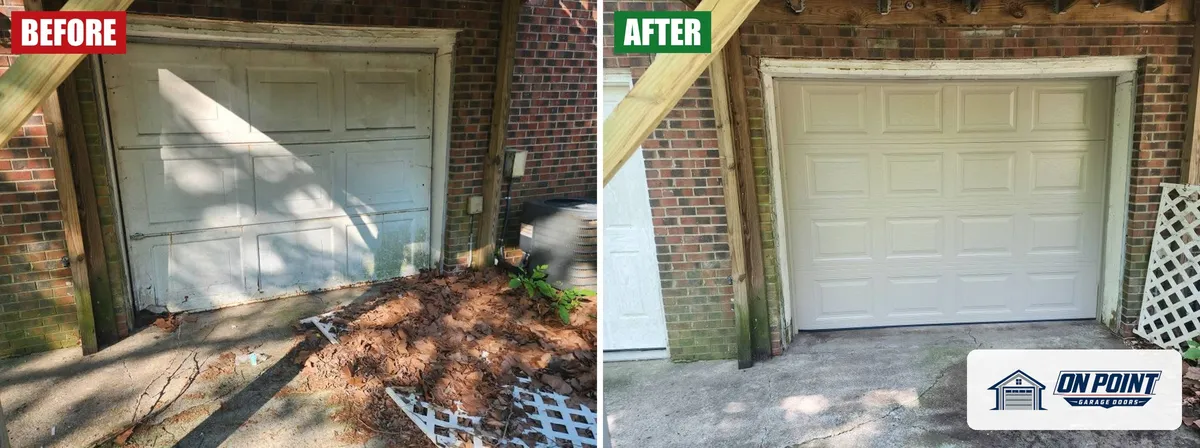
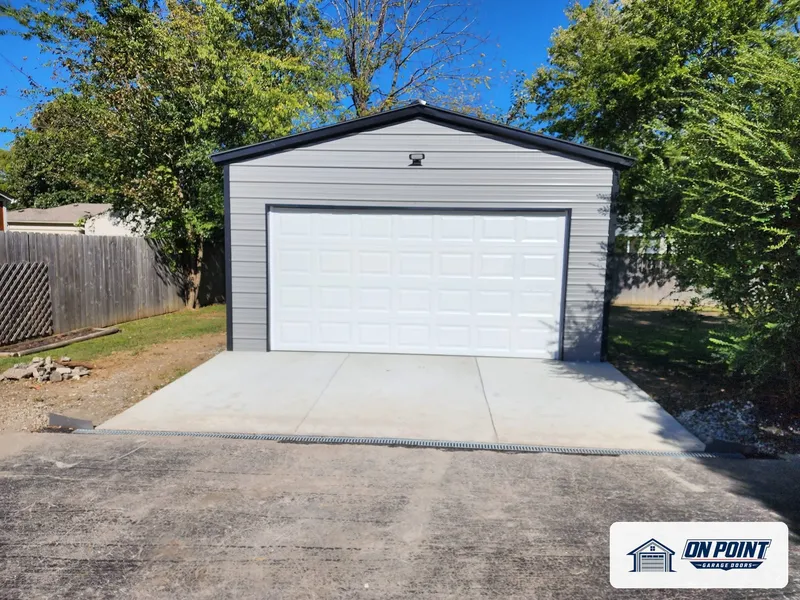
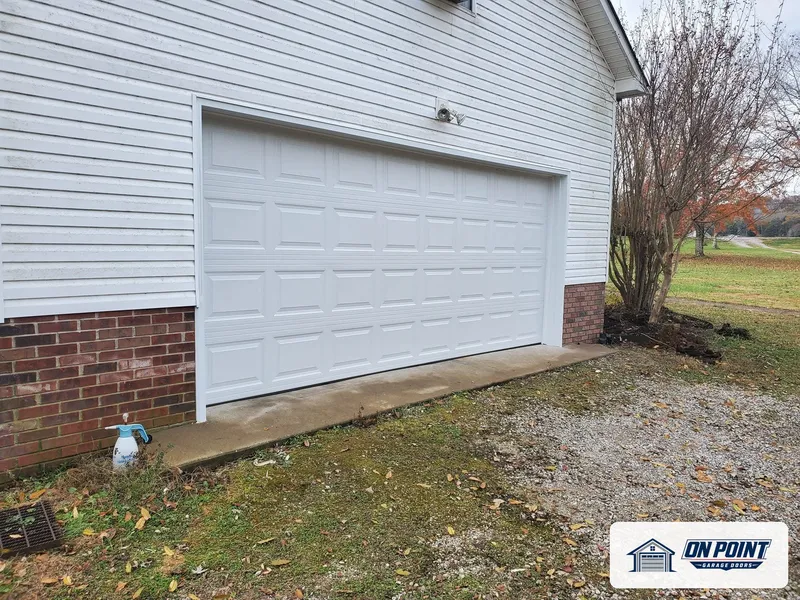
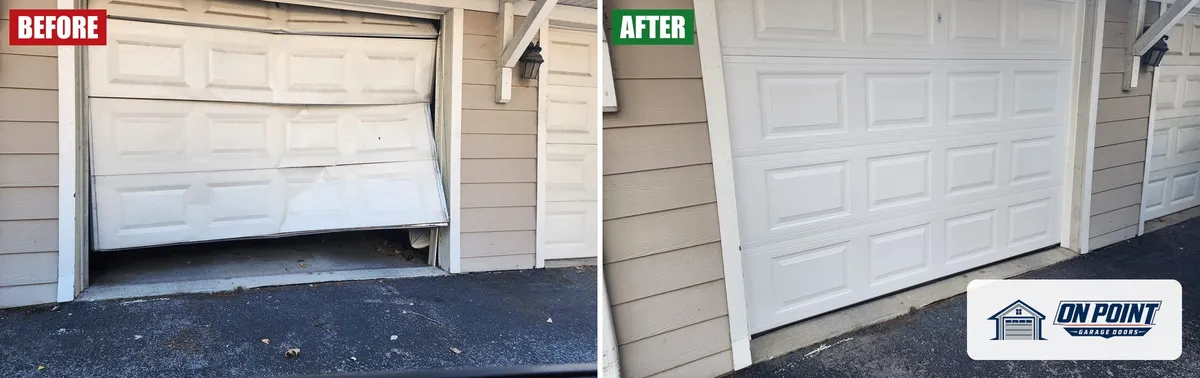
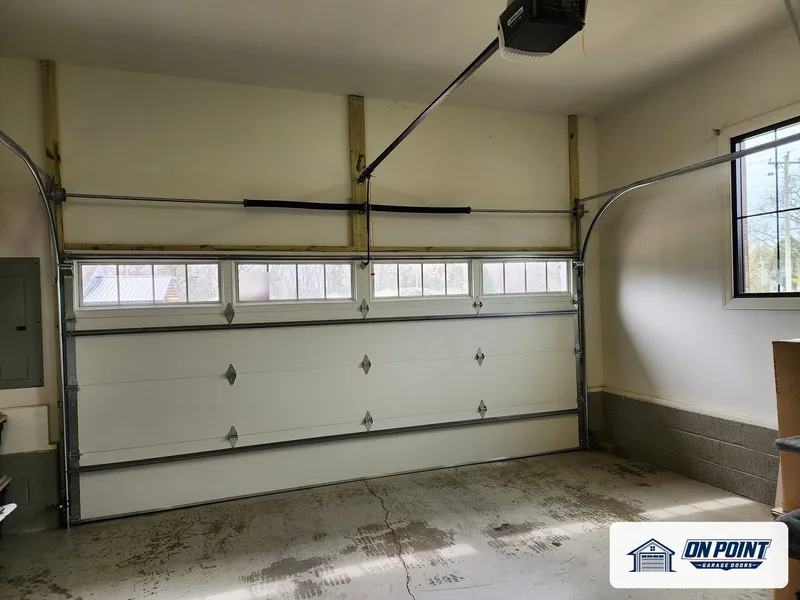
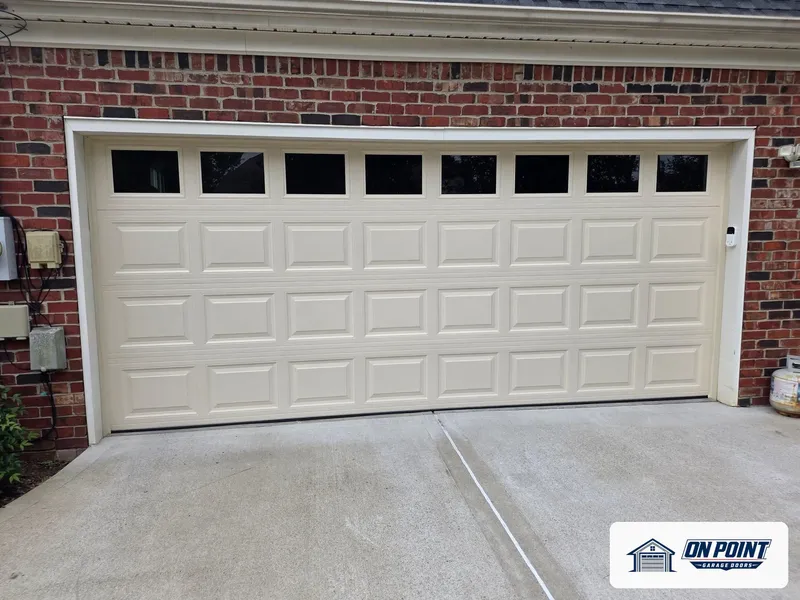
These photos are from our own jobs, with our logo on them.


Garage door repair for the Victorian and colonial houses near the village center, the capes and ranches on the side streets, and the homes by the bay and the river.
The village runs from the bay up past the railroad tracks toward the highway, and almost every kind of Long Island garage turns up along the way.
Near downtown, older houses sit on narrow lots with a detached garage at the back of a long driveway. Farther out, capes and ranches have an attached one-car or two-car garage beside the kitchen.
Free estimate first, always.

Springs, openers, cables and rollers, off-track doors, urgent calls and new doors, with the common parts for South Shore garages carried along.


Close to the downtown blocks, many homes are well over a century old. Their detached garages were built for smaller cars, and the doors on them have often been replaced, patched or rehung several times.
Those openings are checked for soft jambs, a sagging header and rot at the base of the frame before a new door goes in.
Out toward the edges of the village, postwar capes, ranches and split-levels have attached garages with sectional steel doors. Many of those doors are original, and their springs, rollers and openers are near the end of their working life.
Newer apartment buildings near the train add parking garages with doors that open for residents all day long.
You call or send the short form and describe the door: what it does, what it sounds like and whether a car is stuck inside. That note goes to the technician before he arrives.
He looks at the whole door first, explains what is wrong in plain words and writes a free estimate. Nothing is done until you agree.
If you live near the theater and the restaurants on the main street, parking can be tight in the evening, so tell us where he can leave the truck.
Winter. Wet snow off the bay freezes at the bottom of the door overnight and holds the rubber seal to the slab. Running the opener against it tears the seal and strains the gears, so call instead of forcing it.
Spring. Springs that were pushed hard all winter often give out once the weather turns, and the door that seemed heavy in the cold suddenly will not lift at all.
Fall. Before the cold sets in, it is a sensible time to have the springs, cables and safety reverse checked, so a weak part is replaced on your schedule instead of on a freezing morning.
Summer. Damp air from the bay and the river, plus long sunny days, rust the lower hardware and dry out the seals on doors that face south.
When the job is done, the old springs, cables and parts leave with the technician, and the garage is left the way he found it.
He carries the springs, cables, rollers, hinges, sensors and opener parts that South Shore garages need most, so many repairs are finished on the first visit.
After an opener install, he walks you through the remotes, the wall button and the safety reverse before he goes.
Our technicians cover the South Shore of Suffolk County regularly, along with Nassau, Queens and Brooklyn.
If your door or opener is a brand you do not see listed, call anyway. We work on the major names and many older or less common ones still running in Suffolk garages.
From the blocks near the bay to the streets north of the tracks and the neighborhoods east and west of the village, our technicians are in this part of the South Shore on a regular basis.
Salt air, old detached garages and busy family doors shape the work here, and the technician who comes to you sees those same problems week after week.
Boat owners near the marinas often keep trailers, outboard motors and fishing gear in the garage over the winter, and a door that will not open in spring can hold up the whole season on the water. Tell us if that is your situation.
Families heading to the ferry docks in summer load the car in the garage before dawn, which is exactly when a tired spring tends to give out. If the door fails on a busy weekend, mention it when you call.
A technician who knows the area knows which downtown driveways are too narrow for a truck, which older garages have soft framing and which doors near the water rust from the bottom up.
That saves a second trip and a wrong part.
Your call reaches our own team, and the details you give go straight to the technician.
Property managers and business owners with roll-up or sectional doors can ask for a written estimate for their records.
Every area has its own pattern. Here it comes down to damp bay air, garages that are much older than the houses in front of them, and family doors that open many times a day.
Add the storms that roll in off the water in late summer and fall, and it is easy to see why the bottom of the door is where trouble usually starts.
Springs are the part we replace most. A family garage used for the car, the bikes and the trash cans cycles its door again and again, and springs wear a little with every trip. Longer-life springs are worth it on a busy door.
Lift cables come next. Near the water they rust at the bottom, where they hook to the door, and a frayed cable can let one side drop. Both cables are replaced together so the door lifts evenly.
Safety sensors are a frequent reason a door will not close. Low sun, a bumped bracket or a damp wire can throw them off, and the opener refuses to lower the door until the eyes see each other again.
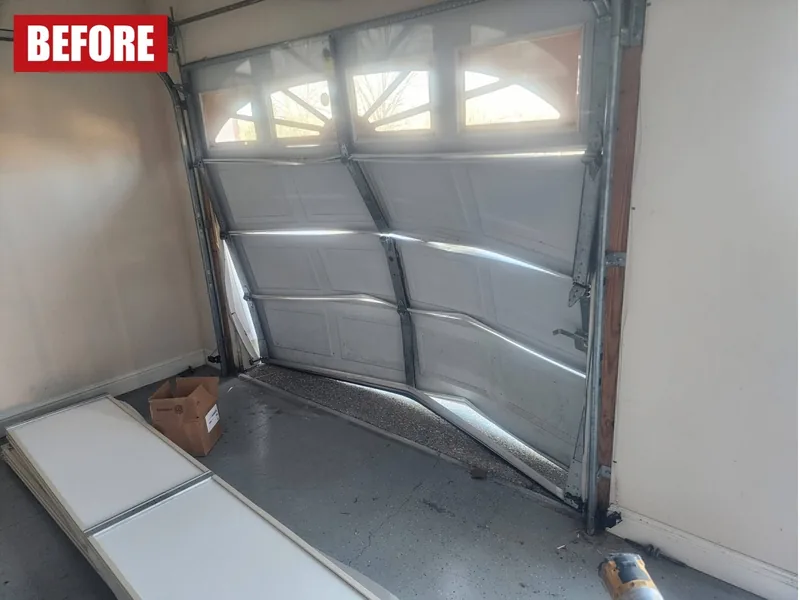
Off-track doors usually follow a bump from a car, a broken cable or a worn roller. A door hanging out of its track can fall, so leave it where it is and call.
Older openers wear out at the gear or the board. A chain unit that grinds before it starts, or one that runs but does not move the door, is often at the end of its life, and he will tell you whether a part or a new opener makes more sense.

Spring and cable replacement, opener repair and new openers, off-track doors, roller and hinge work, remotes and keypads, and new garage doors, with a free estimate before anything starts.
Call and describe what the door is doing. We tell you honestly when the technician can be there, and a car shut inside moves you up the list.
Yes. The technician looks at the door first, explains what is wrong and writes a free estimate. Nothing is done until you say yes.
Yes. Many homes near the bay and the river have rusted springs, cables and track, and coated or galvanized parts are offered where they help.
Winter. Cold steel springs snap more easily, and an opener with old grease inside strains to start the door on frosty mornings.
Spring. Rain from the bay finds every gap in a worn bottom seal, and water pooled on the slab rusts the lowest rollers and brackets.
Fall. Leaves pile up against the door and in the track, and owners getting ready for winter often add a new bottom seal and battery backup for the opener.
Summer. Humid air swells wood doors so they rub in the opening, and the sun bakes the paint and seals on doors that face the street.
Detached garages behind older houses. Original doors with sagging sections, rusted track and springs that have not been looked at in years.
Attached garages on capes and ranches. Busy family doors with worn rollers, tired springs and openers that hum, click or reverse.
Doors near the bay. Rust at the bottom of the door, pitted cables and seals that have dried out in the salt air.
Shops and restaurants downtown. Roll-down gates and back-alley service doors that have to open early and lock tight at closing, with guides and slats that take a beating from deliveries.
Houses being renovated. Owners who redo the siding, the roof or the driveway often find the old garage door now looks out of place, and they ask about a new door in a style that suits the house.
A yearly look at the springs, cables, rollers and safety reverse catches most problems early. Busy commercial doors benefit from more frequent visits.
It stops until the power returns, unless it has a battery backup. If you need the car out during an outage, call and we will walk you through your options or add a battery backup to the opener.
The common ones found in Long Island garages, including LiftMaster, Chamberlain, Genie, Craftsman, Linear and Marantec, plus many older models.
Leave the door closed and do not run the opener, since it can strip its gear or bend its rail against the dead weight. If a car is stuck inside, tell us when you call so the visit is moved up.
Across the South Shore, describe the door on the phone or in the short form and choose a time that suits you. The technician calls when he is on the way.
Free estimate across Suffolk and Nassau, Queens and Brooklyn.
Tell us what the door is doing and we will give you an honest idea of when someone can be there. The estimate is free.
Easier to explain by phone? Call (929) 429-2429.
Say what the door is doing near the bay or up by the highway, and a free estimate follows.