Serving Brooklyn, Queens and Long Island(929) 429-2429Open six days a weekFree estimateGuaranteed work
On Point Garage Doors
Open 24 hours Sun-Thu, Fri until 5 pm Free estimate Springs, openers, cables We come to you
Emergency?Call nowBook free estimate
Canal-side homes and salt air

Oceanside Garage Door Repair

Free estimateSame-day serviceCommon parts on board
  • Free estimate
  • Same-day service
  • Common parts on board
Emergency garage door repair★★★★★ 5.0 on Google · 42 reviews

Book your free estimate

Takes 30 seconds. We call you back to set a time.

Or just call (929) 429-2429 and talk it through.

Home › Oceanside Garage Door Repair

Real jobs. Real photos.

These photos are from our own jobs, with our logo on them.

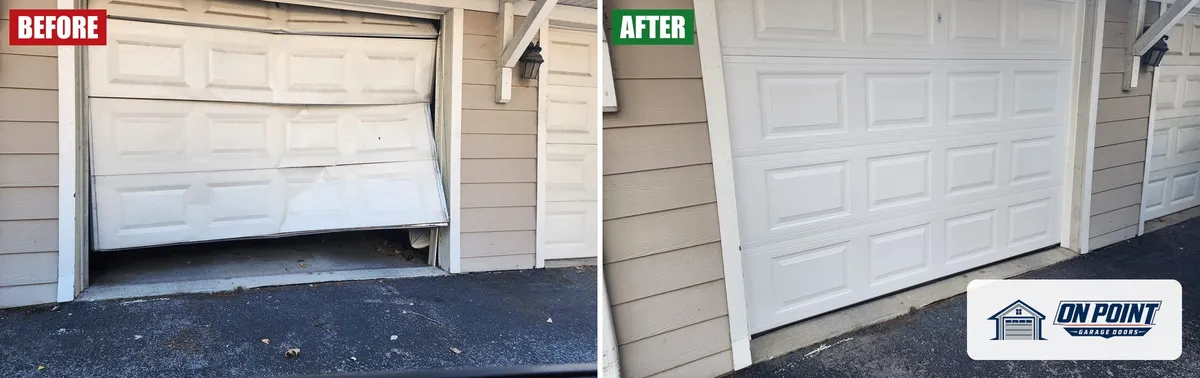
Bent door, replaced: before and after photo from one of our jobs
Bent door, replaced
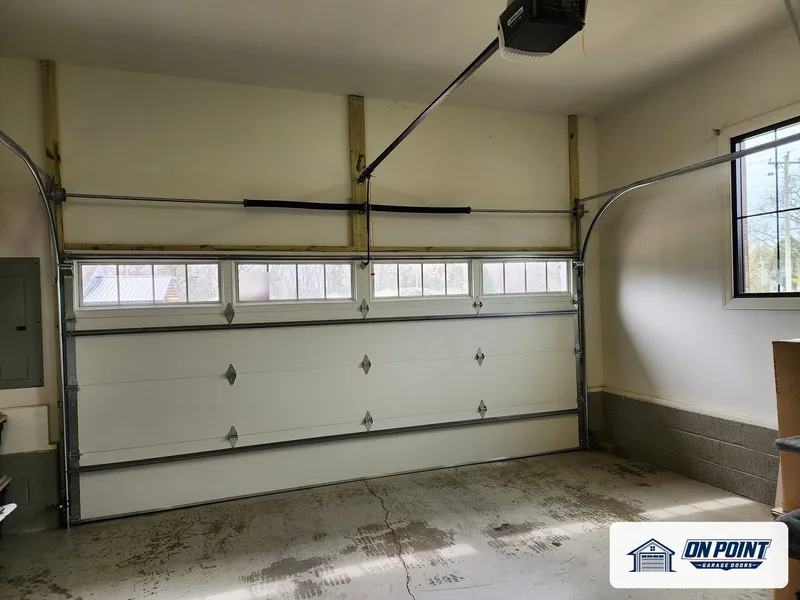
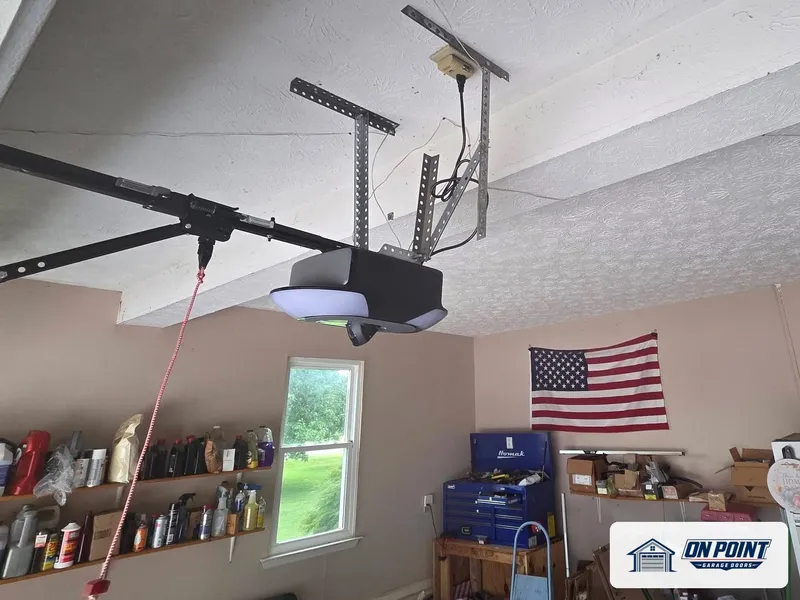
New door and opener, photo from one of our jobs
New door and opener
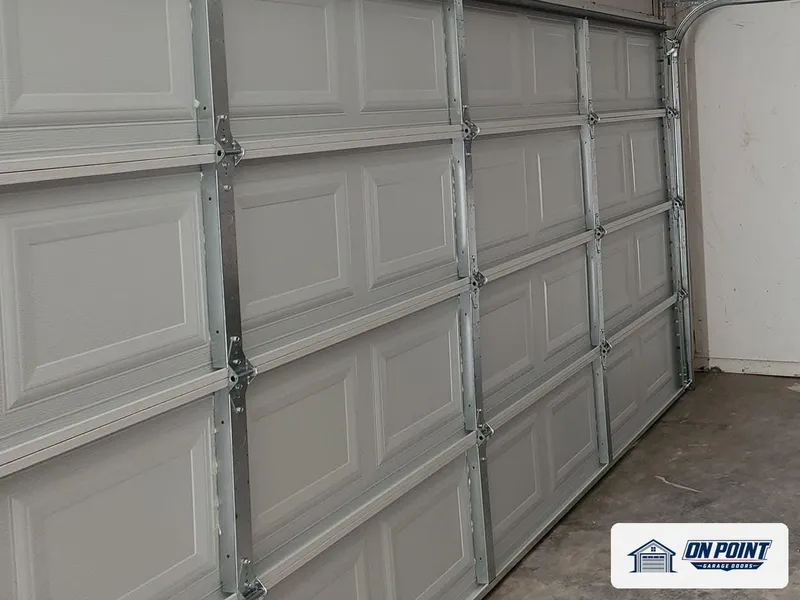
New door, tracks and hinges, photo from one of our jobs
New door, tracks and hinges

Garage door repair in Oceanside for the ranches, high ranches and raised homes near the canals and bays, where salt air is hard on hardware. Free estimate first.

Doors that live near the water

South of the main roads, many streets back onto canals, and salty air rusts springs, hinges and bottom brackets faster than inland.

When the big storm surge came through years back, salt water stood in garages along the canal blocks for days, and the lowest hardware on many doors still carries the stain.

Where a door came through that flood, the bottom brackets, the cable ends and the lowest rollers are the first parts he puts a hand on.

Many homes south of the main roads were lifted after that storm, and their garages were rebuilt underneath at the same time.

A lifted house often ends up with a taller opening than the old one, and the door, the track and the springs have to suit that new height rather than the door that hung there before.

Rebuilt garages sometimes reused old track, and mismatched parts are pointed out on the visit.

A door that never saw a drop of flood water still sits in damp air off the bays, and the hinge bolts and track fasteners bleed rust down the panels within a few winters.

Galvanized and stainless fasteners replace the ones that rusted.

Homes on the canals often keep boats, trailers and fishing gear in the garage, and the door runs far more in summer than in winter.

A busy summer door wears its rollers and its opener gear quickly, so those get a closer look on a visit in the warm months.

High ranches put the garage under the living space, so opener noise carries upstairs.

An opener mounted on the wall beside the door, instead of on a rail across the ceiling, keeps the motor away from the floor where water collects and frees the ceiling for kayaks and rods.

Garages that were rebuilt after storms sometimes have new framing around an old opening, and the door is sized to the new framing.

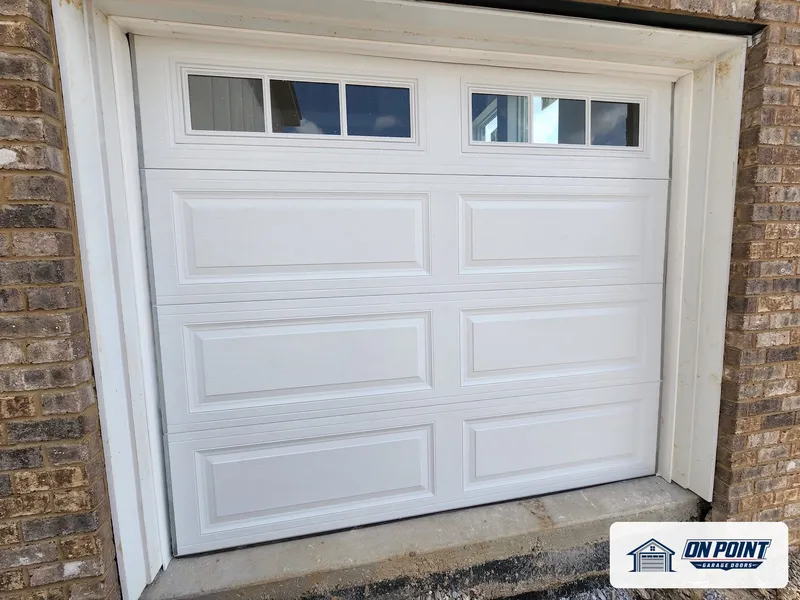
New garage door with windows on a brick house, installed by On Point Garage Doors

Repairs we handle near the bays

Whether the house backs onto a canal or sits up near the shopping strips on the main road, the visit runs in one order: look the door over, explain what is worn, then write the estimate.

That first look takes in the salt, because on these blocks rust often explains a fault before ordinary wear does.

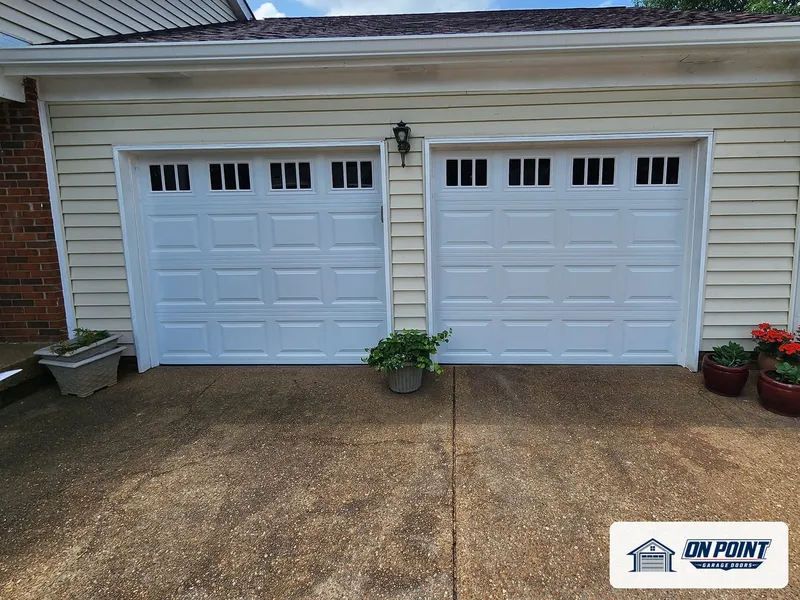
Two new garage doors with windows, installed by On Point Garage Doors
Garage door opener installed on the garage ceiling by On Point Garage Doors
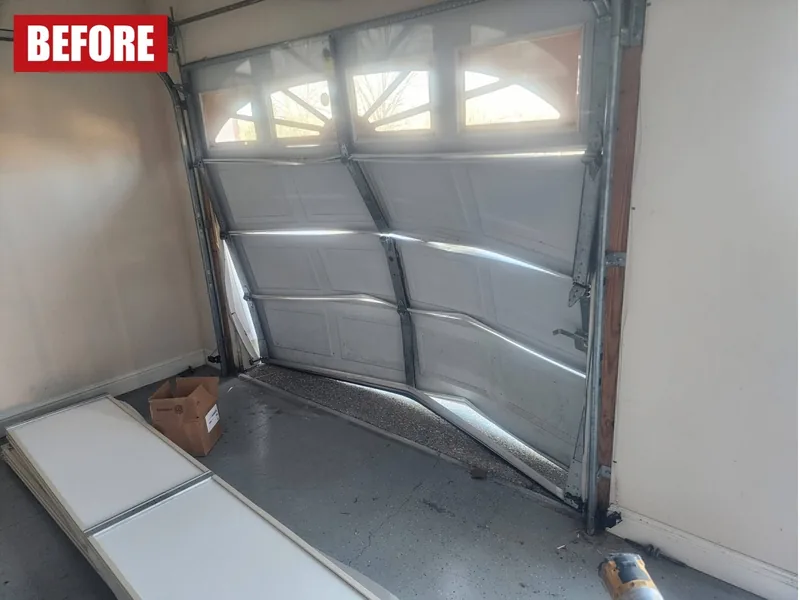
Caved-in garage door panels before On Point Garage Doors replaced the door

What goes wrong on doors near the bays

Rusted bottom hardware. The brackets at the bottom corners and the cable loops hooked onto them are renewed before rust lets them pull loose.

That bottom bracket holds the spring's full tension, so it gets a close look.

Springs here often fail early from rust rather than wear, so a door that is only a few years old can still need new ones.

Springs. Salt air shortens their life, and coated springs are offered when the old ones come off.

A pair of springs that rusted together usually fails one after the other, so both are renewed on the same visit.

Surface rust weakens a spring before it ever breaks.

Hinges and roller stems rust too, and replacing them with coated parts stops the door from shuddering.

Openers under living space. Belt drives cut the noise in the rooms above.

A quiet belt drive on a high ranch is one of the most noticeable upgrades for the bedrooms above.

Seals. Side, top and bottom seals keep wind-driven rain off the floor of a garage facing the water.

Ramps up to raised garages need the close limit set so the door seals across its whole width.

Insulated doors also cut the damp that builds up in a garage close to the water.

Storm and car damage. A door that sat in storm water can hide rusted cable ends inside the bracket.

If wind or a car has pushed the door in, leave it where it stopped and keep the opener off it until the sections and the track have been checked.

Brooklyn, Queens and the Island

We work along the canals here and across Nassau, Queens and Brooklyn.

The technician reads your call notes before he arrives.

A door stuck open with a nor'easter on the way, or a car shut in on a school morning, is moved ahead of routine visits; say so when you reach us.

Seasons by the canals

Winter. Wind across the bay leans on wide doors, and tired springs break in the cold.

Spring. After the winter storms, rust shows at the lowest brackets.

Summer. Boats come out, the door runs many times a day, and the weeks before the late-summer storms are the moment to be sure it closes and seals.

Fall. A check before winter finds corroded parts while they are still easy to replace.

Leaves blown off the bay collect against the bottom seal, and a seal that has split lets them, and the sand, into the garage.

How a visit runs on a canal block

He runs the door up and down a few times, looks for salt damage on the lowest parts, then works through the springs, cables, rollers, track and opener.

You hear what is corroded and what is fine, with a free itemized estimate.

Where salt has eaten into the old hardware, galvanized and coated parts take its place.

Hardware that sat in salt water is replaced outright, not reused.

The opener's auto-reverse is checked before the job is done.

The rusted parts leave with him, and the slab in front of the door is swept of filings and grit.

The seal is checked against the slab after the last cycle, since a gap there lets salt water in.

Why a local technician matters

If the garage is the way the family comes and goes, it is put back in service early in the visit.

On a raised house that often means the garage is the only door at street level, so it matters more than it looks.

A call comes before the technician arrives.

You decide what gets done.

Where doors give out

Close to salt water, the handful of parts that carry a door corrode sooner than on any street inland.

The spring holds the door's weight; a snapped one turns the door into dead weight.

Coated springs last noticeably longer by the canals.

Cables corrode at the bottom loop and fray where they wind on the drum, so the pair is renewed together and set to the same tension.

A cable that slipped its drum leaves the door tilted until it is clamped.

Floor sensors are the first thing water reaches, and wet or corroded ones keep the door from closing.

Where the garage floods now and then, the eyes are mounted on solid brackets and their wires are kept off the slab.

Lower track sections rust through and are replaced so rollers run smoothly.

A bent track is reset before the door runs again.

Openers that got wet can fail weeks later; replacements are explained if needed.

When a storm takes the power out along the south shore, an opener with a battery inside still lifts the door so the car is not trapped.

Booking

Tell us what the door is doing, whether the house was raised, and whether the garage has ever taken on water.

Free estimates on every visit.

Questions from homes near the canals

Our house was raised and the garage now sits under it with flood vents in the walls. Does the door need anything special?

The door itself can be an ordinary insulated or plain steel door, but the hardware should be galvanized or coated, and the opener and its wiring belong as high as the layout allows. He also checks that the vents stay clear and that the track is anchored into the new framing, not the old.

Every spring the bottom of our door is rusted where the slush sat. Can just that part be fixed?

Often, yes. When the rust is limited to the lowest section, that section can usually be swapped for a matching one with a new seal and retainer, as long as the door model is still made. If the rust has climbed into the panels above, he lays out both options side by side.

The canal behind us floods at the highest tides. Is it safe to run the opener while water is in the garage?

Keep the door and the opener still while water is standing on the floor, because the photo eyes and the wiring sit low. Once it drains, have the eyes, the bottom brackets and the lowest rollers looked at, since salt water left behind keeps working on them for weeks.

Our high ranch has a bedroom right over the garage. Which opener is the quietest?

A belt-drive opener, or a unit mounted on the wall beside the door, is the quietest choice, and nylon rollers with sealed bearings take out much of the rumble. He listens to the door first, because worn hinges and rollers are often louder than the motor itself.

The trailer caught the bottom of our door while we backed the boat out. What gets checked?

The bottom section, the lowest hinges and both tracks, since a knock low on the door can bend the track and twist the bottom bracket that holds the cable. If the door now sits crooked, keep it closed and off the opener until he has seen it, so a bent track does not throw it off the rollers.

Get your door working

Describe the door and pick a day. The estimate is free.

Prefer to describe it out loud? Call (929) 429-2429.

A free estimate for canal homes and high ranches

Describe the fault and where the garage sits; the estimate is free whether or not you go ahead.

Or just call (929) 429-2429 and talk it through.

More repairs