
Leave your name and number and we’ll call you back to set a time.
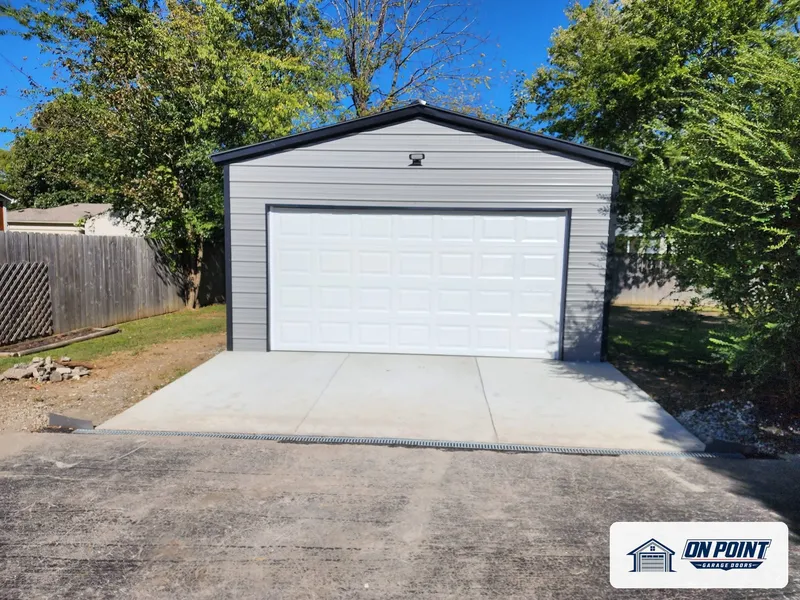
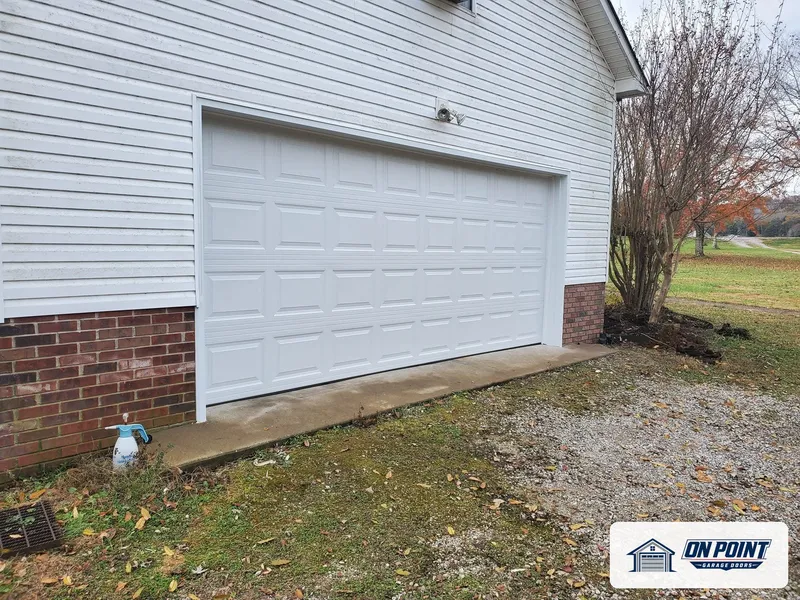
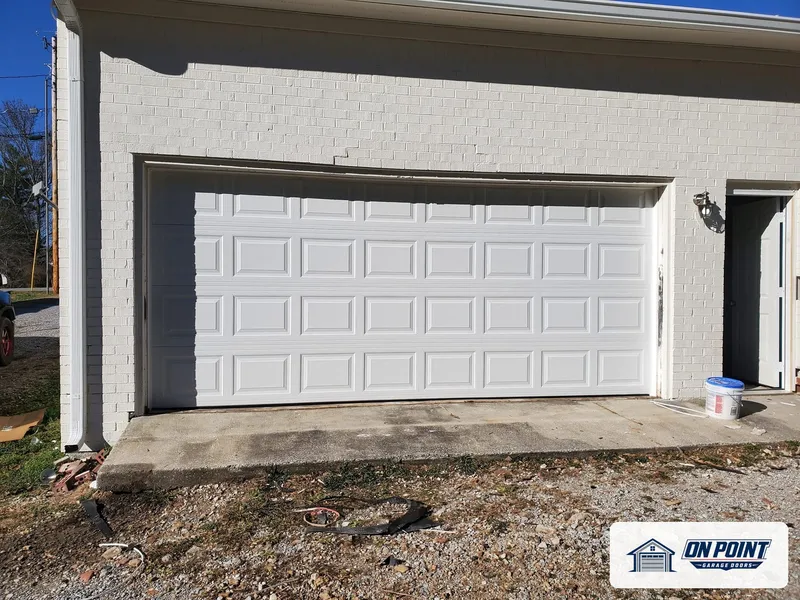
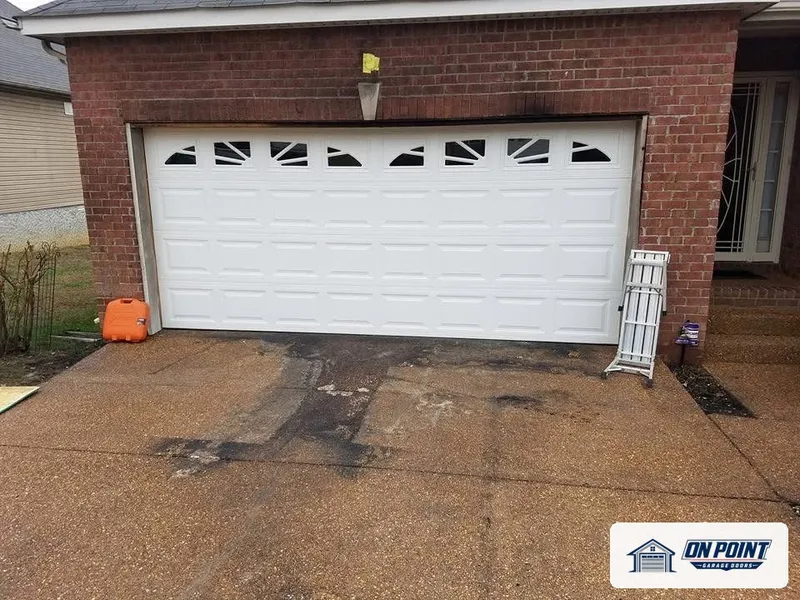
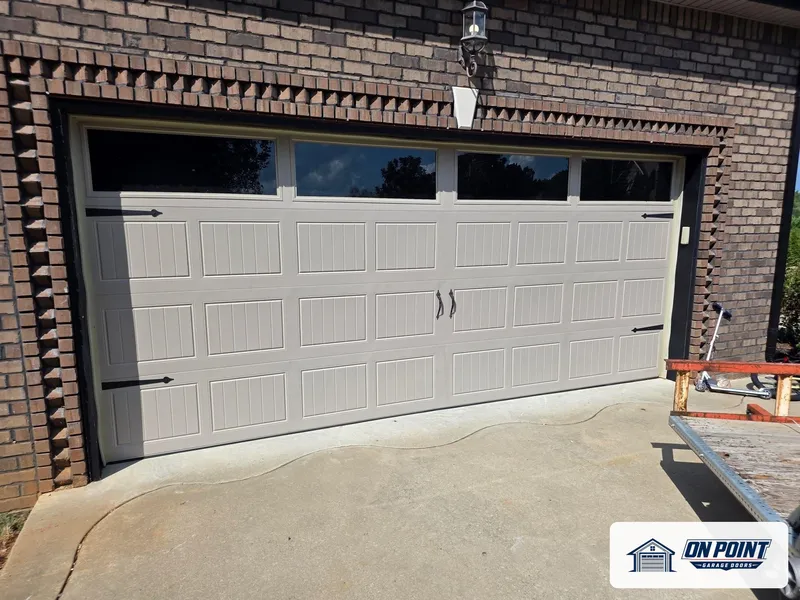
Photos from our own jobs.
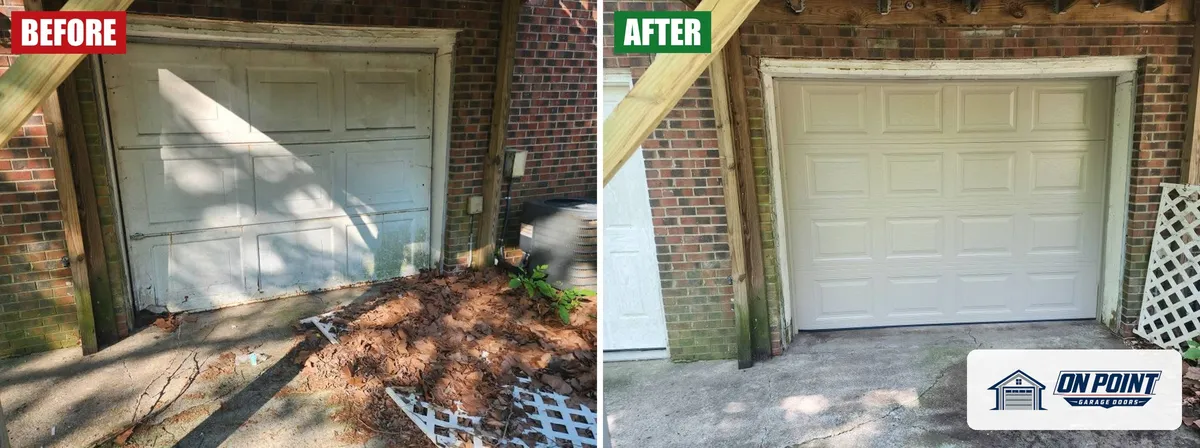
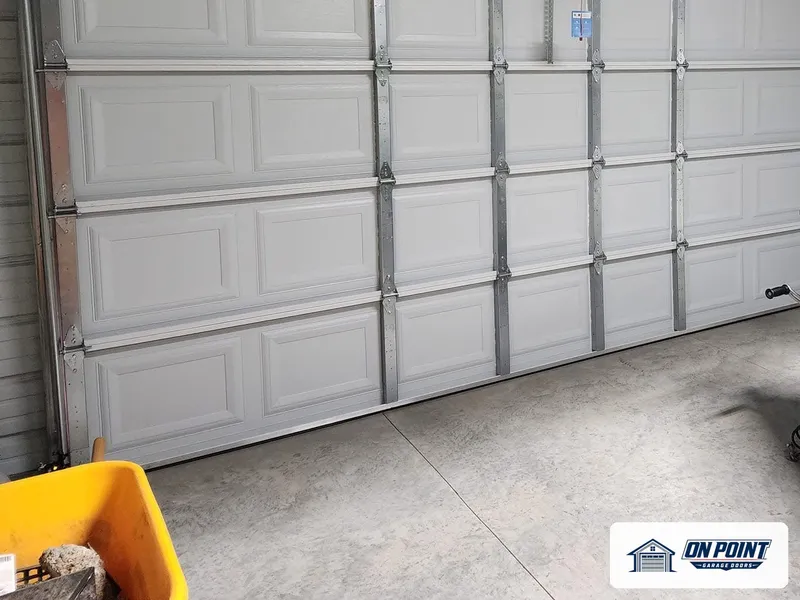
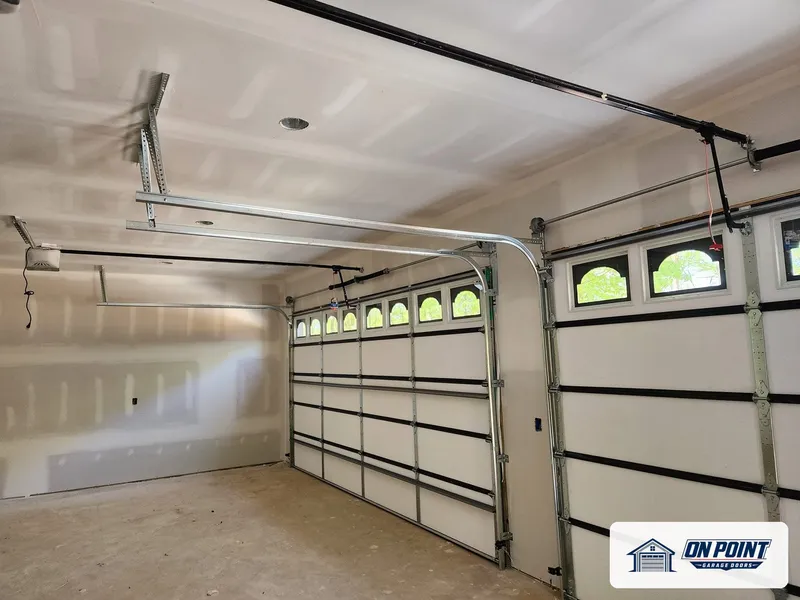
Garage door repair in Malba for the large detached homes, the heavy wood and carriage-style doors, the garages with two or three doors side by side and the hardware on houses that sit right on the river. Each door is examined before anything is proposed, and the written estimate is free.
This pocket at the northern tip of Queens lies on the East River beside Whitestone. The approach to the Whitestone Bridge runs along its edge and the river bounds it on the north, so the area feels set apart from the traffic that passes it.
The streets here are private, laid out in the early twentieth century and still kept up by a homeowners' association rather than the city. Houses are almost all detached, on lots larger than most in the borough, and range from older homes to big houses built in recent decades.
Some homes along the shore back right onto the river. Salt and damp reach their garages every day, and wind moving down the water finds any gap in the weather seals.
Larger houses often carry larger doors: one double door, two singles side by side, or a custom wood door built to match the house. Heavier doors need heavier springs and stronger hardware, and a part sized for an ordinary house door will not last on them.
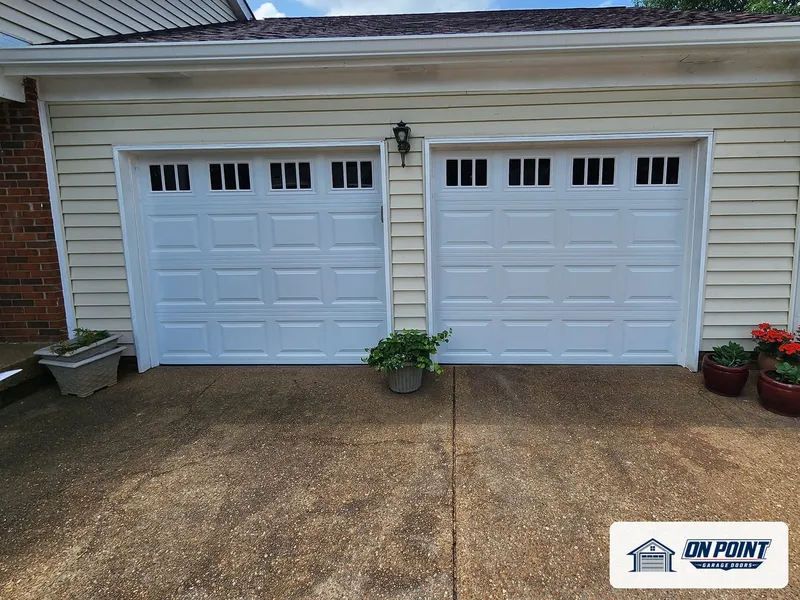
A carriage-style wood door on a newer house, a pair of steel doors on an attached garage and an older single door on an early home each need a different setup, so the technician first works out exactly what he is looking at.
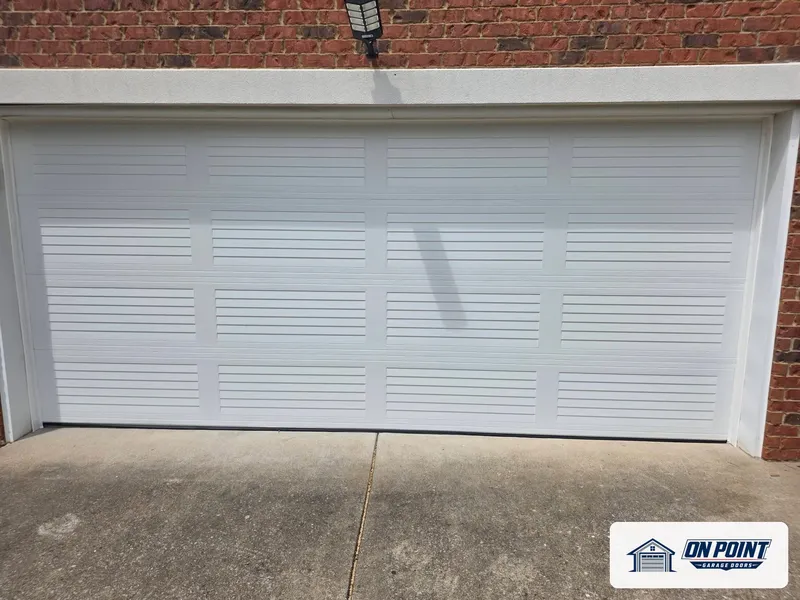
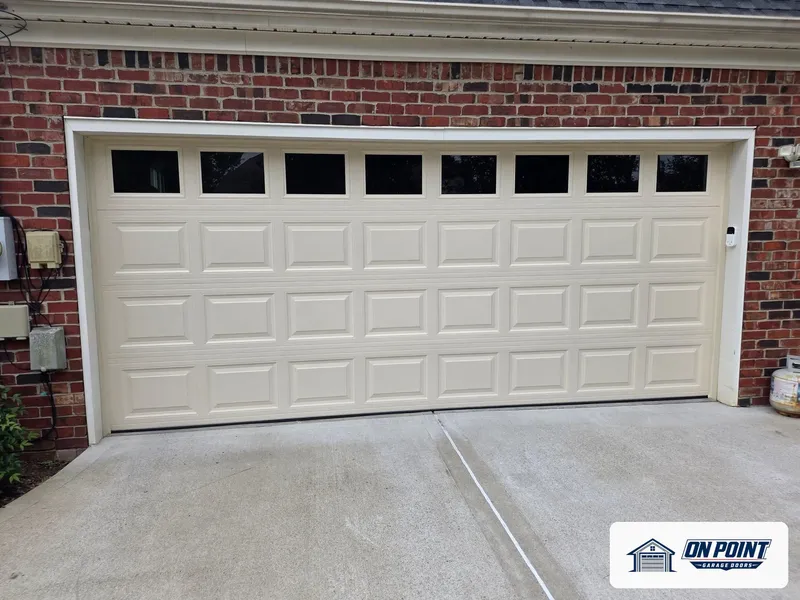
Solid wood doors. Cedar, mahogany and other real wood doors weigh far more than steel ones and move with the seasons. When the finish wears through, the bottom rail soaks up water and starts to rot. The springs must match that weight, and the wood near the floor is checked on every visit.
Garages with two or three doors. Each door has its own springs, cables and opener, and they rarely fail at the same moment. When one door gives out, the others are worth a look on the same visit, since they usually went in together.
Doors that face the river. Salt air works on springs, cable ends, hinges and the screws that hold the track to the wall. On houses at the water's edge, the lowest hardware is examined closely and coated parts are offered where they help.
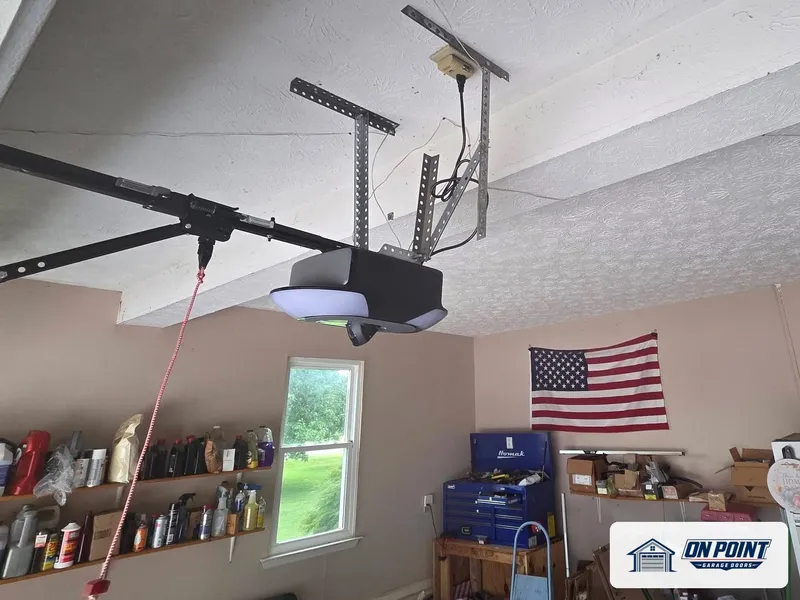
Wall-mount openers. Garages with high ceilings, or a ceiling that has to stay clear, often use an opener mounted beside the door on the end of the torsion bar. These units need a well-balanced door, and a cable or spring problem can look like an opener fault at first.
Driveway gates. Where a house has a gate across the driveway, the gate operator and the garage opener are often run from the same car remote. A gate that stops halfway, or a remote that works one but not the other, is checked from both ends.
These blocks sit on the same run as College Point and Beechhurst, and our crews also cover Brooklyn and Long Island from end to end.
Tell us the door material, how many doors are in the garage and whether a driveway gate is involved, so the springs and parts for that setup ride along.
A garage left open with no way to close it, or a car trapped behind a door that will not move, comes first. Say so at the start of the call.
Winter. Cold makes springs work their hardest, and a spring already pitted by river air may give out on a bitter morning. Wood doors also shrink in dry winter air and can open gaps along the side seals.
Spring. Rain and damp mornings bring fresh rust to the bottom brackets and hinges. The season is a good time to have the finish on a wood door looked at before the summer sun gets to it.
Summer. Sun and humidity swell wood doors so they bind against the stops, and a dark door facing south can get very hot. A door that drags in summer and moves freely in winter usually needs its fit adjusted, not a new opener.
Fall. Leaves from the street trees settle in the tracks and against the seals, and storms moving up the river test every gap. Before the cold, have the springs, cables and the safety reverse checked on a calm day.
He runs each door on its opener, then disconnects it and lifts it partway to feel whether the springs carry its weight. On a wood door he checks the bottom rail and the joints; on a door near the water he checks every bracket for rust.
Every worn part is pointed out on the door and listed in plain words on a free estimate, safety items first, so you decide what is done now.
Springs are sized to the true weight of the door, which matters on heavy wood. Standard parts ride on the truck; a custom section, a matching wood panel or a part for a less common opener may need ordering, and you know that before anything starts.
When the work is done, each door is run from the wall control and a remote, and the safety reverse is tested against an object under the door and again with the sensor beam blocked.
Old parts and packing go out on the truck, and the garage is swept.
There is little through traffic on these streets. Let us know where the truck can park without blocking a neighbor, whether someone needs to meet the technician at the street, and whether other work on the house is underway, so the visit fits around it.
The estimate comes first, and nothing is touched until you agree.
Weight wears the springs, damp wears the steel and use wears the opener. Knowing which load lands where makes most failures easy to see before they happen.
Springs. Heavy wood and double-width doors use larger springs, often two on the bar, and both are usually changed together so the door stays balanced. If one snaps, keep the door down and leave the opener off until it is seen.
Cables. On a heavy door the cables carry a lot of load, and on a door near the water their lower ends rust where damp collects. Frayed strands mean both are renewed together.
Safety eyes. Sensors at floor level get bumped by bins, bicycles and lawn equipment and lose their line. A door that reverses on its way down for no reason often has nothing worse than that.
Tracks and hardware. A heavy door puts strain on the track brackets and the bolts that hold them, and on an older garage those bolts may sit in tired wood. Loose brackets are moved to sound framing, and bent track lengths are changed.
Openers. A heavy door needs an opener with enough power, and a quiet belt or wall-mount unit suits a garage beside living space. The opener is tested apart from the door before a new one is suggested.
When you call, say what the door is made of, how wide it is, how many doors the garage has and what happens when it fails. A photo is welcome.
Free estimates for homeowners on the private streets along the river.
Usually only what you would arrange for any trade. Tell us where the truck should park so it does not block a neighbor's driveway, and whether someone should meet the technician at the street. The work itself happens in your garage and driveway, and the truck leaves with the old parts and packing.
Because the opener is probably lifting weight the springs should carry. A wood door can gain weight as it soaks up moisture, and springs sized for it years ago may now be too weak. The technician weighs the door, checks the balance with the motor disconnected and sets springs to its real weight, after which the opener only has to guide it.
Not if it is kept finished. Real wood handles damp air as long as its finish is unbroken, especially along the bottom rail where water collects. A door that faces the water needs its finish looked at more often than one inland, and its springs and fasteners should be coated. If upkeep is a worry, steel and composite doors with a wood-grain look are another option, and the estimate lists both.
It is worth it. Doors put in at the same time tend to wear at a similar pace, so springs and cables on the other doors may be close to the end as well. The technician tests each door's balance, springs, cables and safety reverse while he is there and lists anything worn on the same estimate, so you choose what to do now and what can wait.
Often they can. Many cars have a built-in remote with several buttons, and most current openers and gate operators can be set to one button each. Older units may use a radio type the car does not recognize, in which case a small receiver can be added. The technician checks both systems and sets them up so each button runs the right one.
Tell us what each door is doing and when someone can let the technician in; the visit and the written estimate are free.
For a heavy wood door, a garage with several doors or hardware rusting by the river, call (929) 429-2429.
Say which door is acting up and how; the estimate is free whatever you choose.
Where we work
Brooklyn, Queens and Long Island. Tap your town.
 Bay RidgeBrooklyn
 AstoriaQueens
 Valley StreamNassau County
 HuntingtonSuffolk County
 Sheepshead BayBrooklyn
 BaysideQueens
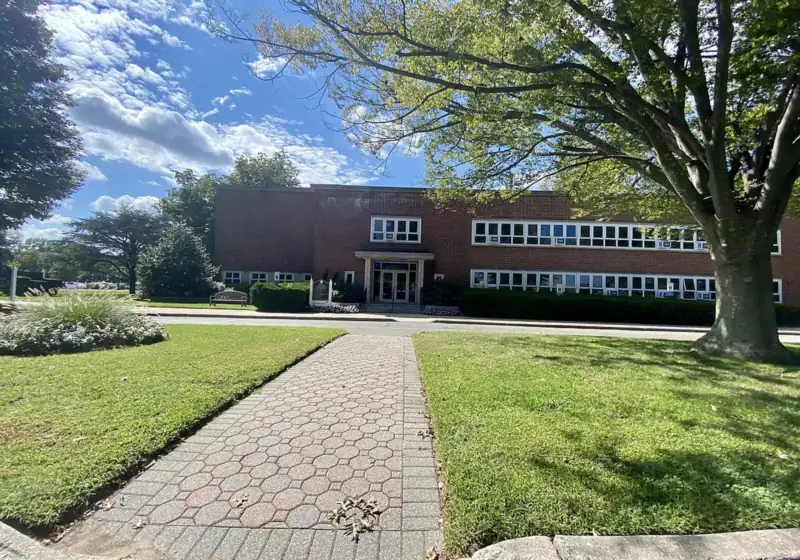 Garden CityNassau County
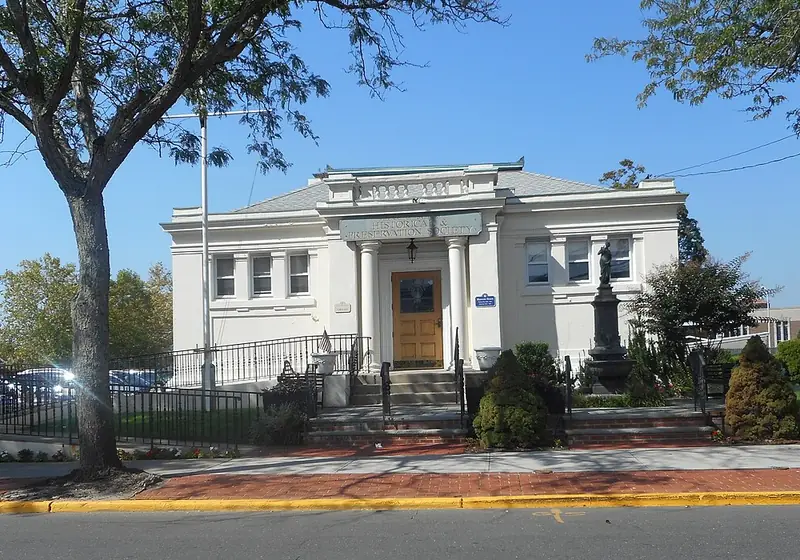 BabylonSuffolk County
 Marine ParkBrooklyn
 FlushingQueens
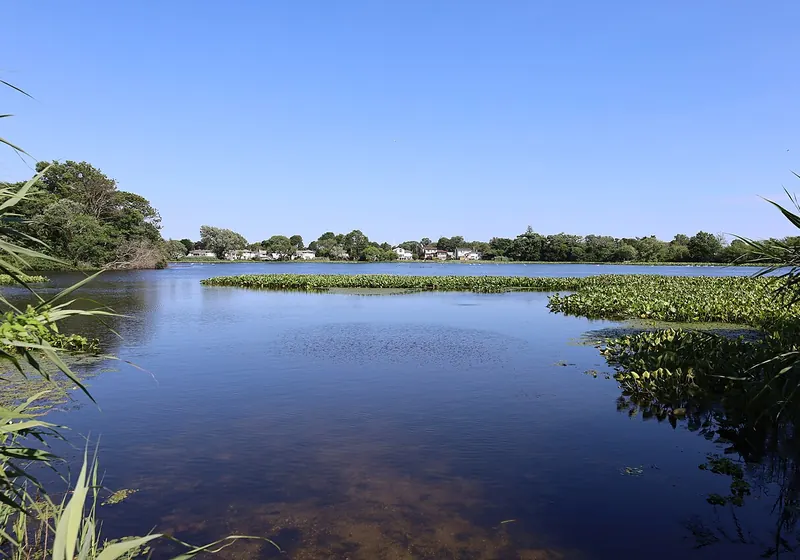 MassapequaNassau County
 SmithtownSuffolk County
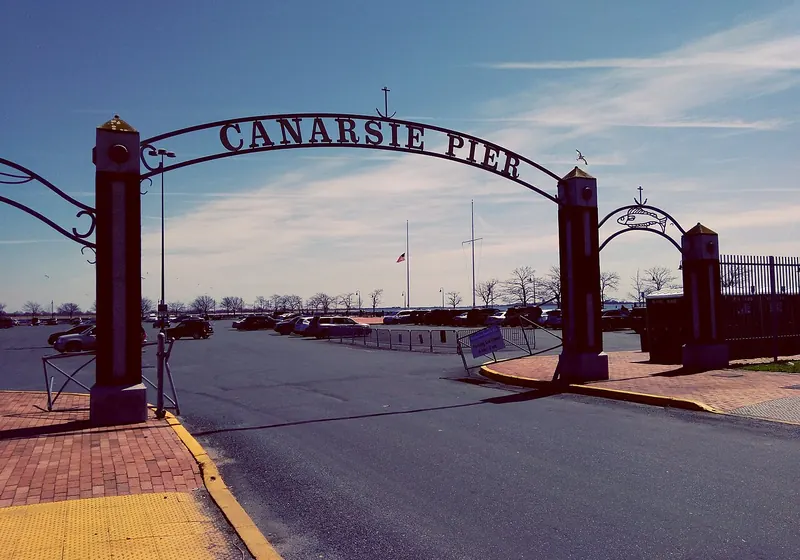 CanarsieBrooklyn
 Howard BeachQueens
 LevittownNassau County
 Mill BasinBrooklyn
 Forest HillsQueens
 FreeportNassau County
 BensonhurstBrooklyn
 Long BeachNassau County
 Park SlopeBrooklyn
 HicksvilleNassau County
 WantaghNassau County
 SeafordNassau County