Takes 30 seconds. We call you back to set a time.
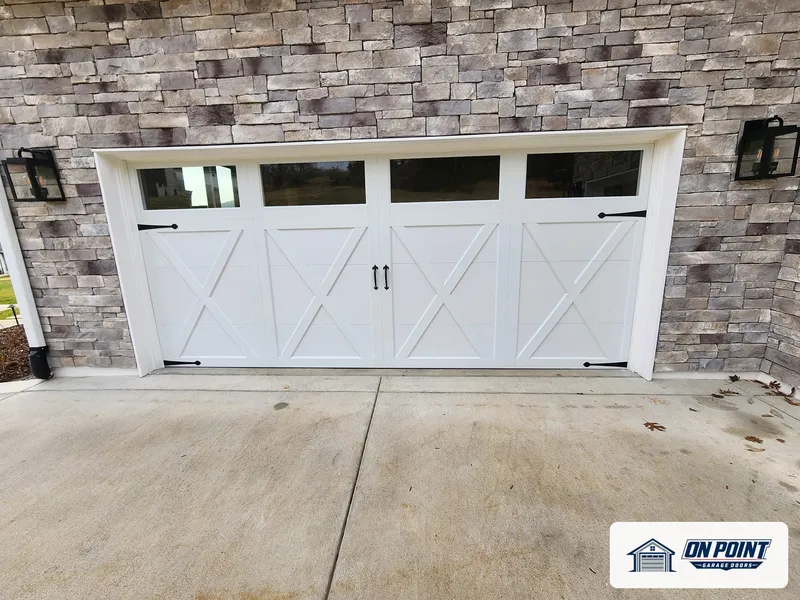
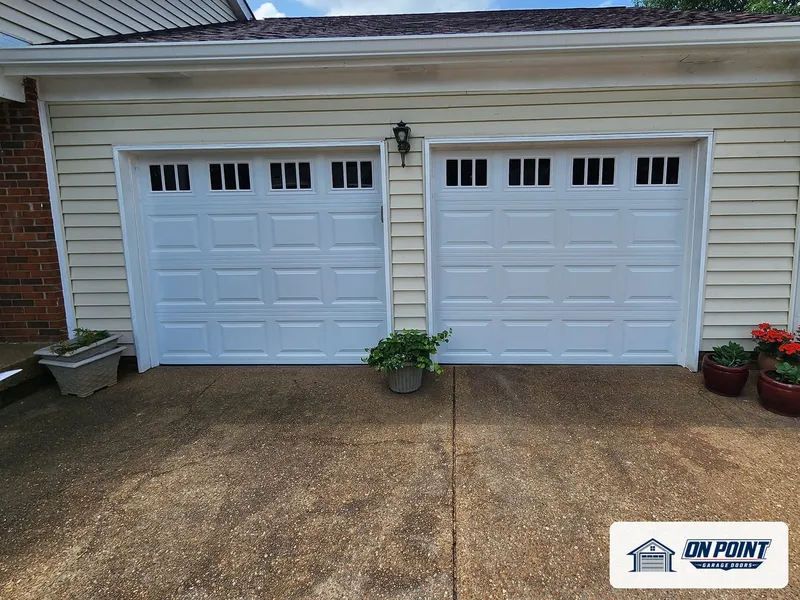
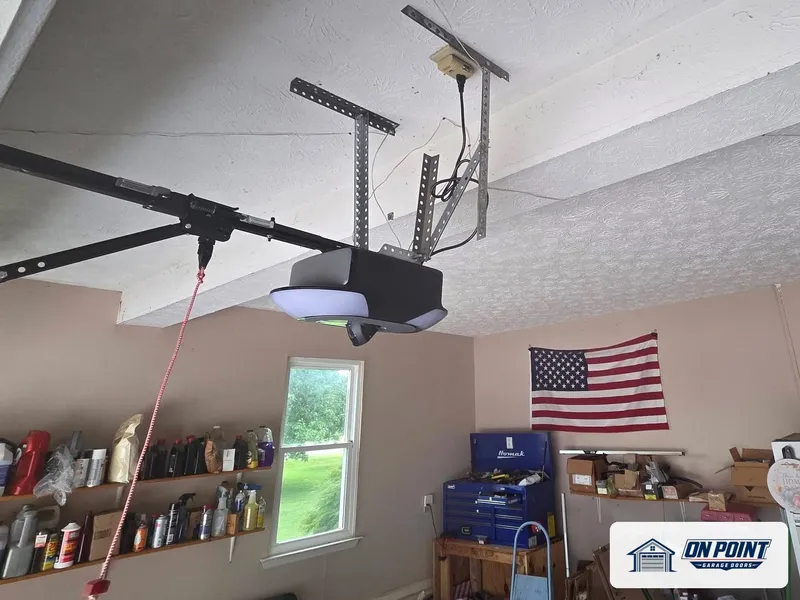
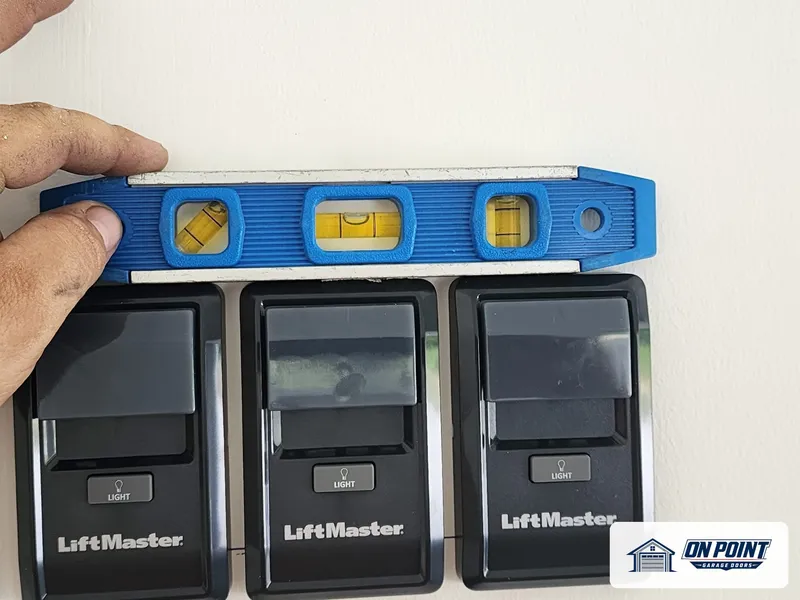
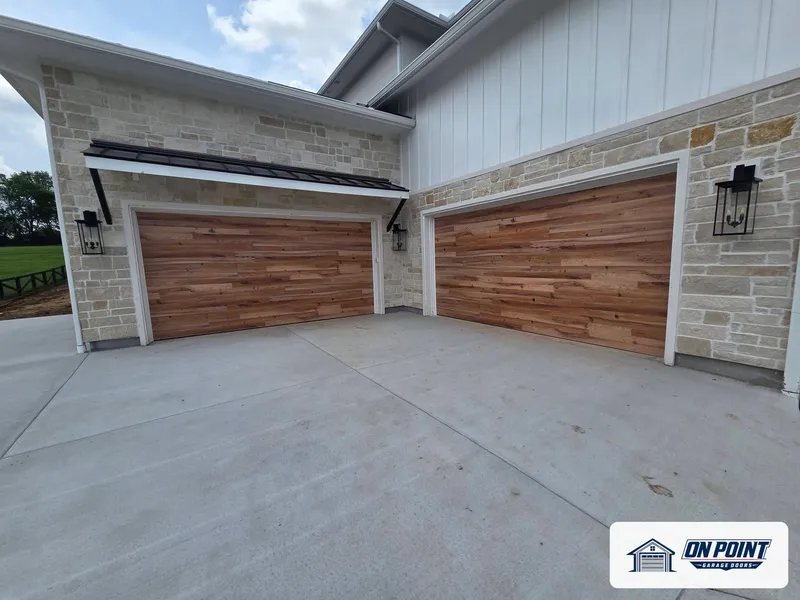
These photos are from our own jobs, with our logo on them.


Garage door repair in Massapequa Park for the attached and detached garages on the village side streets, from the blocks near the train to the ones closer to the water. The technician looks the door over first, and the written estimate is free.
This is a small incorporated village on the south shore of Nassau, laid out mostly as quiet residential streets of single-family houses. Park Boulevard runs through the middle, Sunrise Highway crosses it east to west, and the station on the Babylon Branch sits close to the village shops.
Many houses went up in the decades after the war: capes with a single door, ranches with an attached garage at one end and split-levels with the garage tucked below the bedrooms. Some older lots still keep a separate garage at the back of the yard, reached down a long driveway beside the house.
Air off the bay is damp much of the year, and the lower streets on this part of the shore took floodwater during Sandy. A door from that time can carry rust at the bottom rail, the lowest hinges and the cable ends, even when the outside panels still look tidy from the street.
Mature trees shade a lot of these driveways. Shade keeps a garage cool, but it also keeps the bottom of the door wet longer after rain and drops leaves and seed pods into the tracks, so the lower hardware tends to age before the parts higher up.

A single door on a cape and a double door under a split-level wear in their own ways, so the first step is always to see the door move and look at how it is hung.


Split-level garages. The garage sits partly below grade with bedrooms or a den above, and the driveway often slopes down toward it. Rainwater can run to the door and sit along the seal, and a noisy opener carries straight into the rooms overhead, so the technician checks drainage at the threshold as well as the drive.
Capes and ranches with one door. A lighter door from an earlier generation may still ride on its first shaft and drums. When the top section cracks near the opener arm, a reinforcing bracket and a strut usually come up on the estimate before anyone mentions a new door.
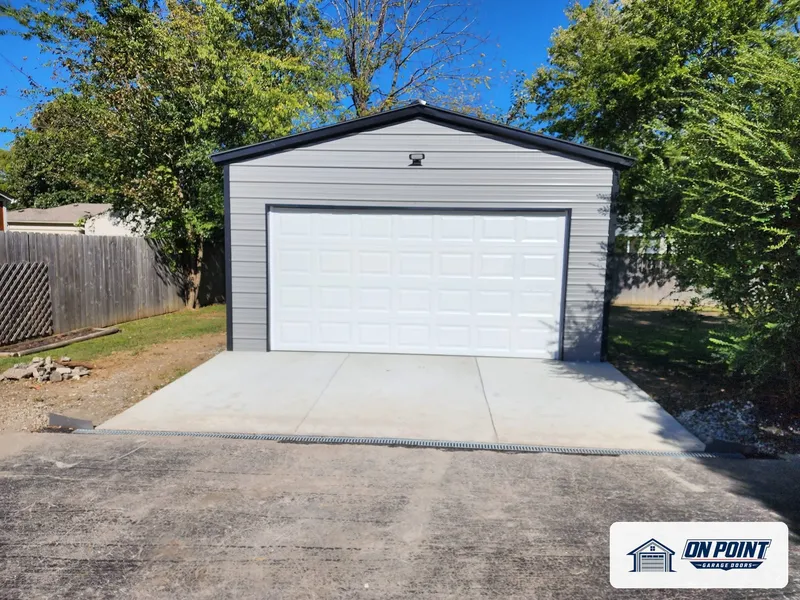
Detached garages at the back of the lot can be older than the house beside them. Their frames settle, and the tracks follow the frame, so a door that binds in the same spot gets its jambs and fastenings checked along with the rollers.
Wider doors on expanded homes. Plenty of houses here have been enlarged, and a two-car door added to an extension often carries glass or insulation the old springs were never sized for. The technician weighs the balance by hand and looks for a sagging center section before he suggests new springs.
Bumped doors and tracks. Backing out past a parked car, a bike left in the way or a snowblower pushed too close can knock a track out of line. If the door shudders or a roller sits on the edge of the steel, leave it closed and call before the next trip.

These south shore streets are part of our Long Island area, which also covers Brooklyn and Queens, for homes and small businesses alike.
Tell us which kind of house it is and whether the garage is attached, under the house or out back, and the technician knows the likely hardware before he arrives.
If the car is stuck inside, or the door is open and will not come down, say that first on the call so the visit can be treated as urgent.
Winter. Wet snow piles against the bottom section and freezes the rubber to the slab. Running the opener against a frozen door can strip a gear or bend the arm, so it is better to stop and let it thaw than to keep pushing the button.
Spring. Pollen, catkins and grit wash down the driveway and settle in the bottom track bends and on the sensor lenses. This is a good season to have the lower hinges, cable ends and the seal looked at, while the weather is mild.
Summer. Beach traffic and long evenings put the door through more trips than any other season. Heat also swells a wooden door and bakes the weather seal, and a door that rubs only in July is telling you about its fit.
Fall. Leaves and acorns gather at the threshold, and one acorn under the bottom rubber can hold a corner up and trigger the reverse. Before the first hard freeze, have the balance, the cables and the safety reverse tested.
He watches the door run once with the opener, then disconnects it and lifts the door by hand to a few heights. A door that will not stay put points to the springs; a door that stays put but labors on the motor points somewhere else.
What he finds is explained at the door in plain words. The free written estimate lists safety items first and comfort items such as noise after them, so it is easy to see what has to be done and what can wait.
Springs are matched to the measured weight and height of the door. Rollers, hinges, cables and common opener parts usually ride on the truck; a matching panel for an older or discontinued door is looked up before anything is promised.
When the work is done, you run the door from the wall button and a remote. He checks that it reverses on an object in the opening and will not close through a blocked photo-eye beam.
Old springs, worn rollers and packaging leave with him, and anything moved off the shelves or out of the driveway goes back where it was.
Driveways on these blocks are often long and narrow, with a second car parked behind the first. Let us know if a car has to be moved out of the garage before the work starts, and tell us when someone will be home, and the visit is set around that.
Not a single part comes off the door before you have gone over the written estimate and said yes.
The parts that fail first are the ones that move with every trip and the ones that sit low in the damp. Knowing which is which makes most breakdowns easy to see coming.
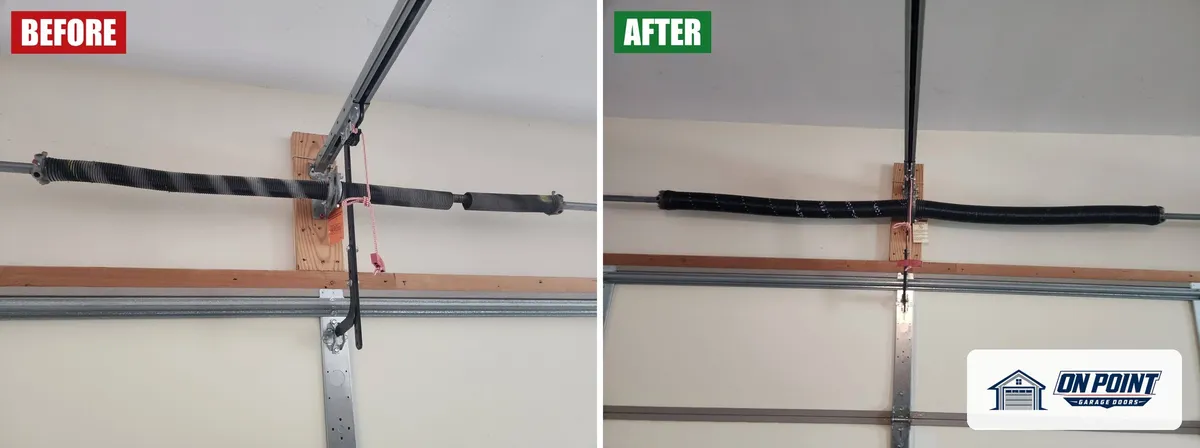
Springs. Each opening flexes the steel a little, and damp air pits the coils over time. A spring that has rusted along its length can snap well before its expected life, and the door then turns into dead weight for the opener.
Cables. The bottom loops sit in whatever water collects at the floor. Broken strands near the bracket are the warning sign. Both cables are changed together and the drums are inspected for wear.
Safety eyes. Recycling bins, beach chairs and bikes end up parked right beside the sensors. A bent bracket is remounted on solid framing so the next bump does not leave the door refusing to close.
Tracks and rollers. Plain steel rollers without bearings wear grooves into the track and cause much of the rattle people blame on the opener. Track fastenings that have pulled out of old framing are moved into sound wood.
Openers. Units of very different ages sit side by side on the same street. He tests force and travel, the gear and the logic board, and when parts for an old motor are no longer made he explains a belt drive or a wall-mount unit as the alternative.
On the call, tell us whether it is a single or a double door, roughly how old it seems and whether it is stuck open, stuck closed or just noisy. A photo helps but is not needed.
Free estimates for houses, rentals with the owner's consent and small shops across this part of the south shore.
Partly. A worn or flattened bottom seal lets water in, but on a driveway that slopes toward the garage the real cause is often the grade or a missing drain. The technician checks the seal, the threshold and the bottom rail for rust, and tells you plainly if the fix belongs to the driveway instead of the door.
Wider doors that later gained insulation, glass or a new finish are often heavier than the springs chosen for them. An opener is meant to guide a balanced door, not lift dead weight. He weighs the balance by hand, checks the center section for sag and sizes new springs from the actual door if the old ones are underpowered.
Often it can. Old detached frames lean a little over the years, and the tracks lean with them. Resetting the tracks on solid framing, replacing worn rollers and correcting the balance can bring a sticking door back. If the frame itself has rotted at the jambs, he will show you before any part is suggested.
It is worth an inspection. Salt water that reached the bottom of a door can leave rust inside the lowest rail, the hinges and the cable loops, where it is hard to see from the driveway. Those parts carry real load, so he checks them and separates surface rust from damage that weakens the hardware.
A few leaves do no harm, but debris packed into the bottom bend of the track can make a roller jump or stall, and an acorn under the seal can make the door reverse. Sealed nylon rollers handle grit better than bare steel ones. He can look at the rollers and the seal and point out what is worth changing.
Describe the door and pick a window when someone can be home. The inspection and the written estimate are free, and the choice of what to fix stays with you.
Call us at (929) 429-2429.
A sentence or two about the door is enough to get started; the estimate is free.