
Takes 30 seconds. We call you back to set a time.
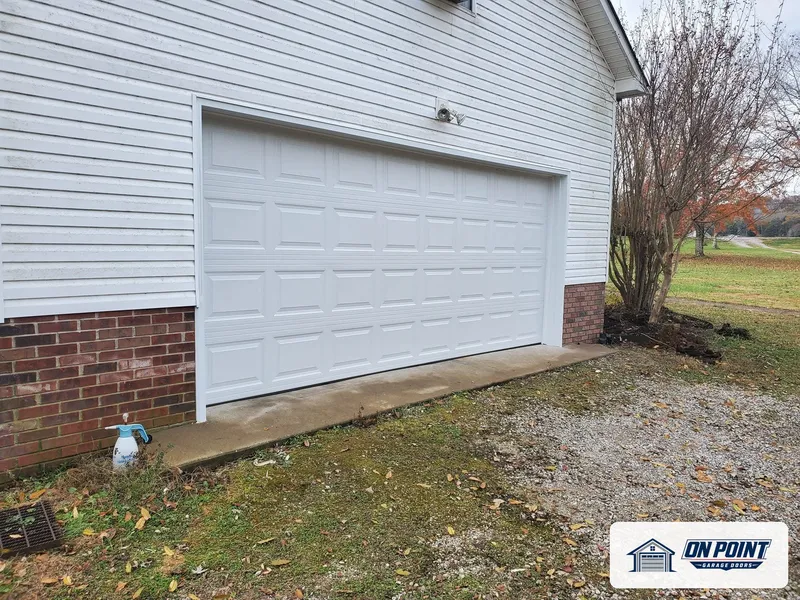
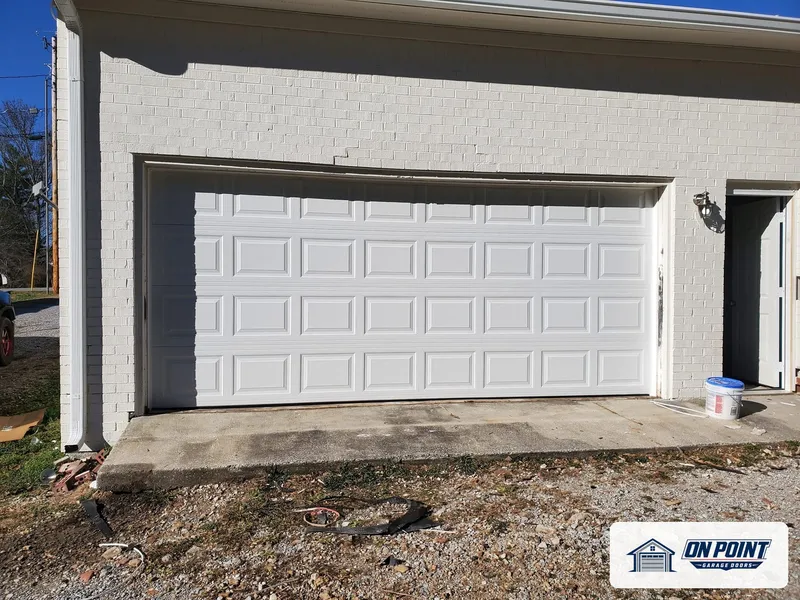
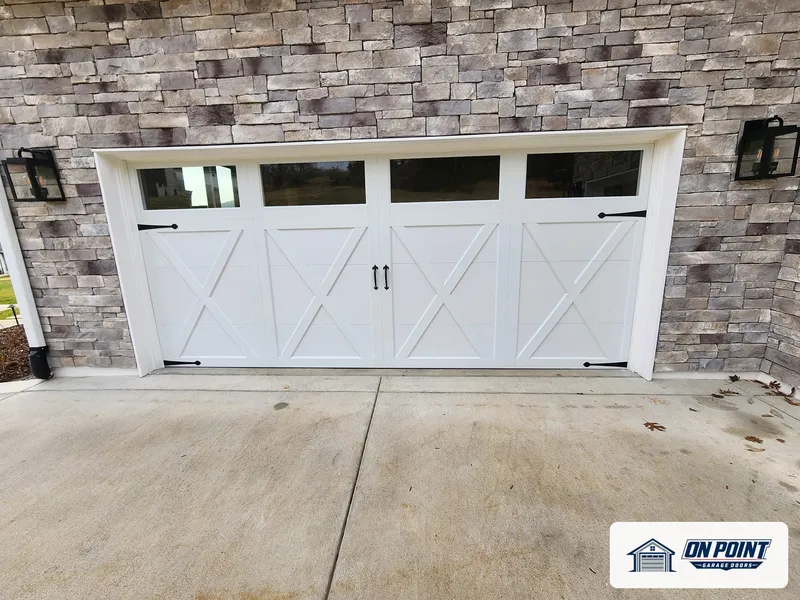
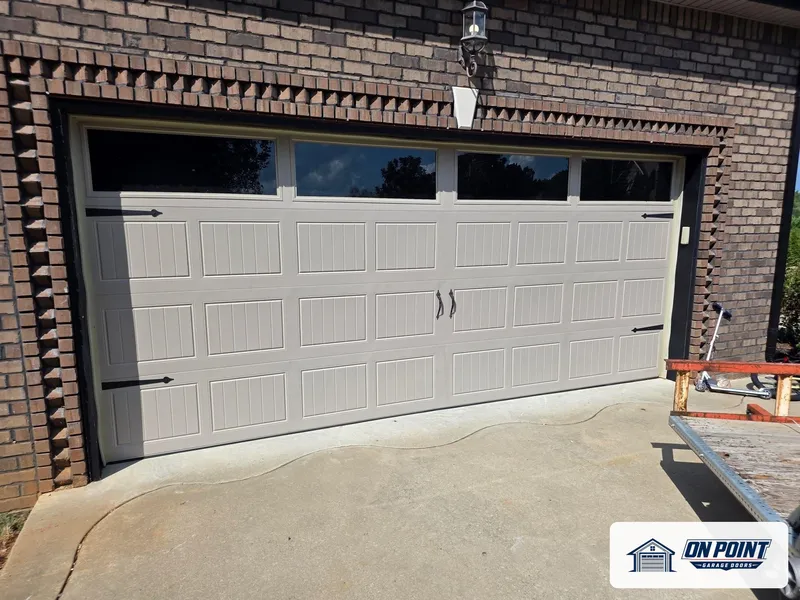
Photos from our own jobs.
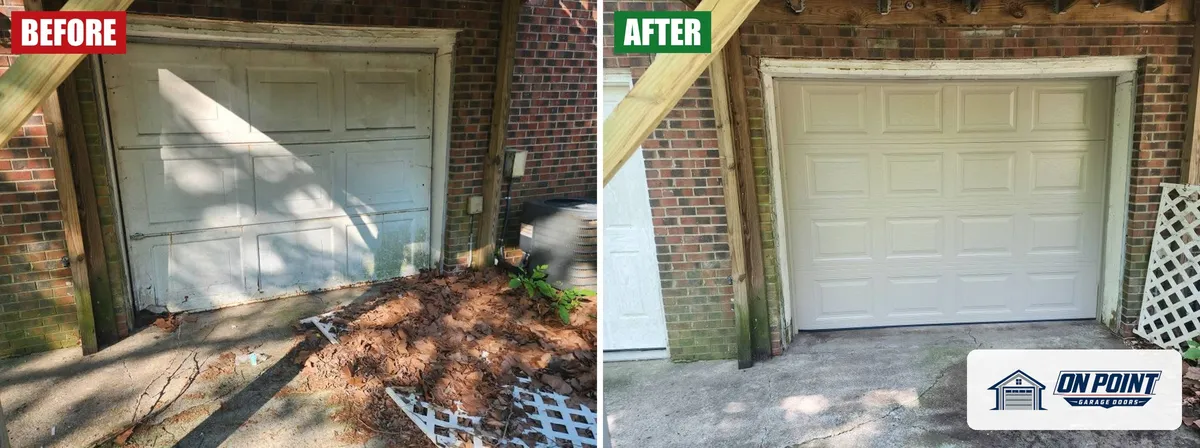
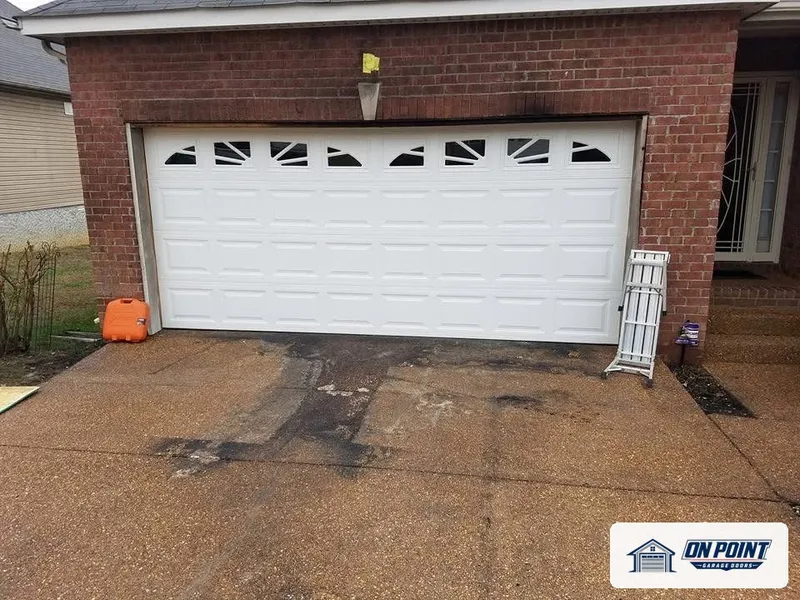
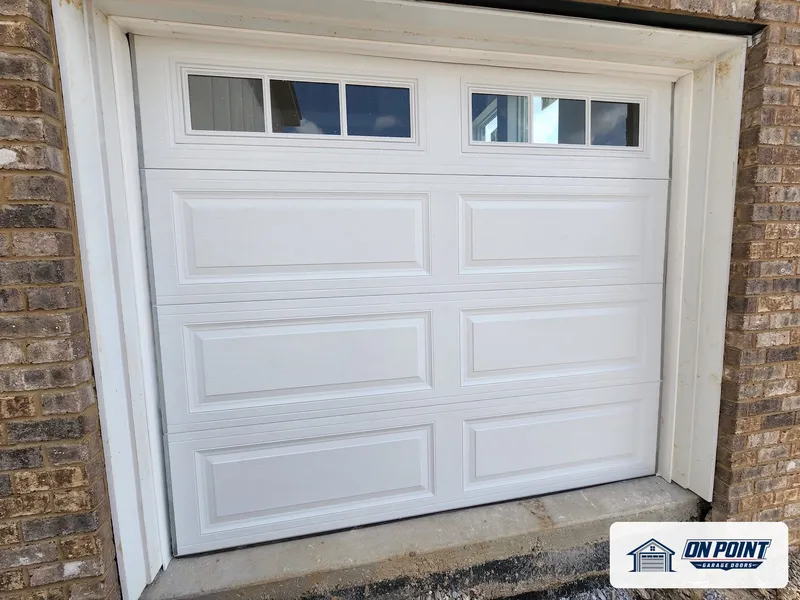
Garage door repair in Lindenwood, on the Queens side of the Brooklyn line, for the rows of attached brick houses with a garage in front and the co-op buildings with their parking lots. Plenty of the doors here have been running since the houses went up. Our tech looks at yours first, and the estimate is free.
This corner of southern Queens sits north of the Belt Parkway, with the older part of Howard Beach on the other side of it. People often count it as part of Howard Beach, and it shares that area's mail.
Most of the neighborhood went up over a short stretch in the fifties and sixties: blocks of attached brick two-family houses and big co-op apartment buildings. Because so much was built at once, a lot of the garage doors on one block started out alike, and they've aged at the same pace.
The houses share walls, and many share a driveway with the house next door. A garage set at the front of the house opens almost straight onto the driveway and the sidewalk, so there's little room between the door and a parked car.
Over the years owners swapped some of those first doors and left others. On one block you can find a one-piece door that tilts out, an old wood sectional and a new steel door, each with a different spring setup.
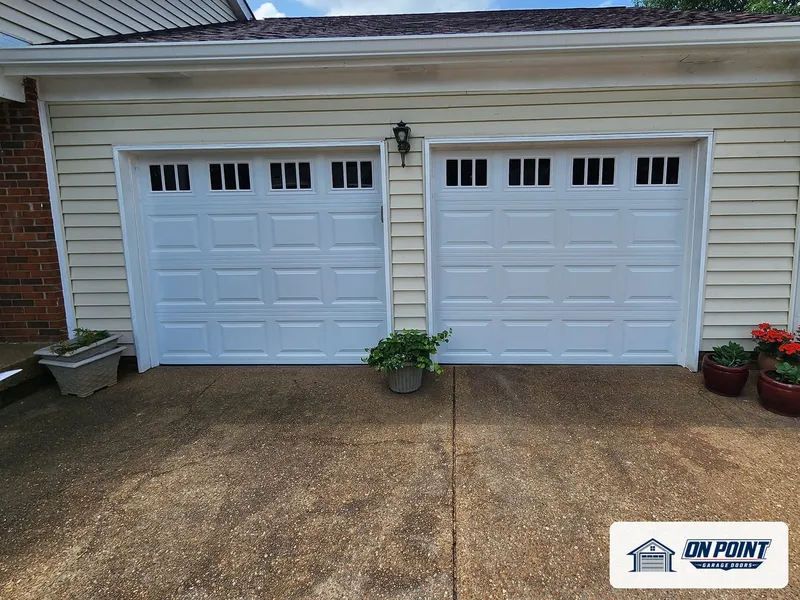
A front garage on an attached house, an older door that tilts out over the driveway and a gate on a co-op parking lot each need different parts, so our tech starts by figuring out which one he's working on.
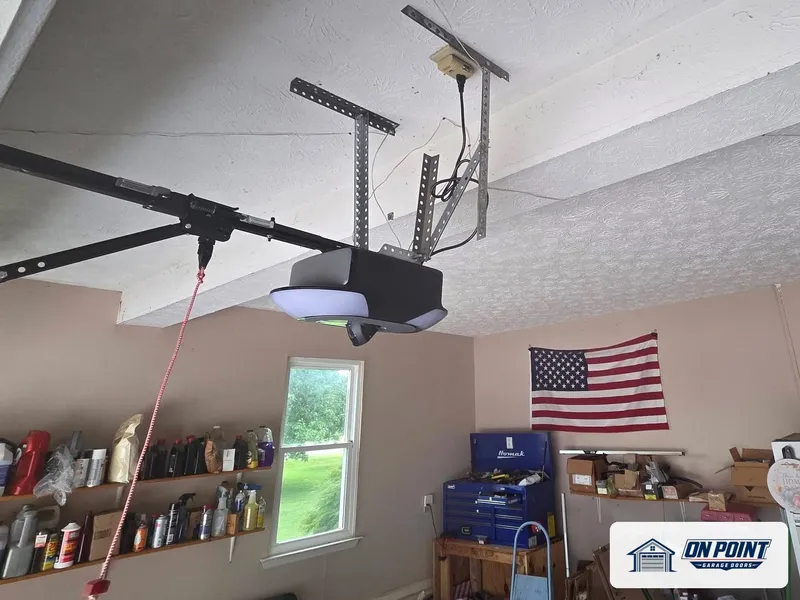
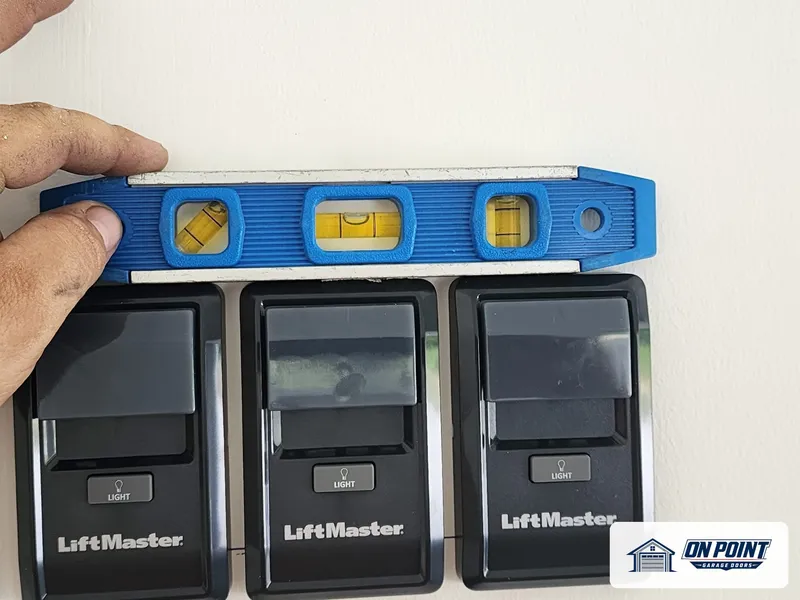
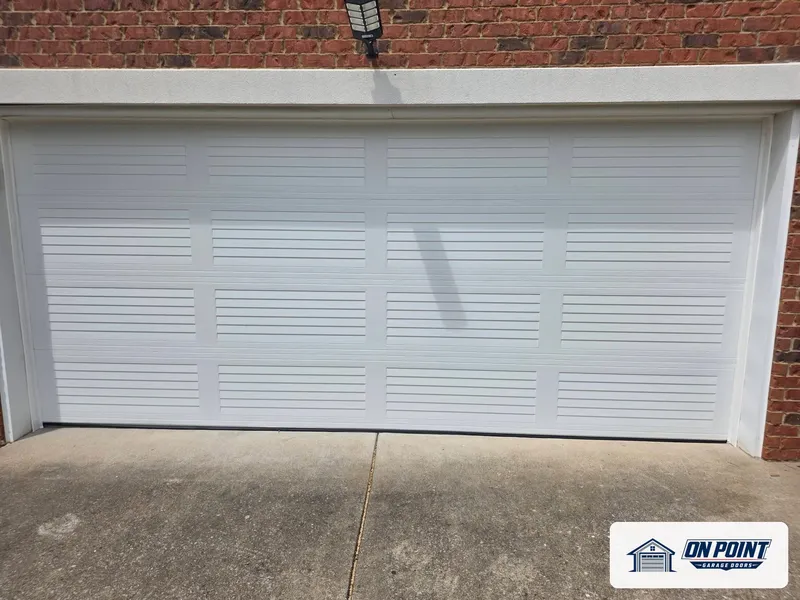
Tilt-up doors. Some older garages still have a one-piece door that swings out at the bottom as it goes up. Its heavy springs sit on the sides and the pivot brackets wear. On a short shared driveway, that swing can catch a car or a person walking by.
Springs along the sides. Older sectional doors often run on extension springs that stretch along the tracks. When one breaks it can whip around unless a safety cable runs through it. Our tech checks for those cables and can move the door to a torsion spring on a bar above it.
Garages used as storage. A one-car garage on an attached house often holds bikes, boxes and tools. Things stacked against the track or in front of the sensors stop the door or knock it out of line.
Low ground near the bay. Southern Queens sits low, and in a heavy storm water can run toward the garages at the front of the houses. Wet bottom seals and rust on the lowest brackets follow. Our tech checks both on every visit.
Co-op lot gates. Where a co-op building has a gate on its parking lot, the gate operator works hard with residents in and out all day. A gate that stalls halfway or doesn't latch gets checked at the operator and at the hinges.
Our shop is on Royce Place in Bergen Beach in Brooklyn, a short run over the line on the Belt. The same trucks cover Queens, Brooklyn and Long Island.
Tell us if your door tilts out or rolls up in sections, and if the driveway is shared. That way the right springs and parts are on the truck.
A garage stuck open, or a car stuck inside when you need to get to work, goes to the front of the line. Say so at the start of the call.
Winter. Cold is hard on old springs, and a spring that's been on the door for years can snap on a cold morning. A seal frozen to the driveway tears if the opener yanks the door up.
Spring. Rain runs down the short driveways toward the garage. A bottom seal with gaps lets that water into the garage, so it's a good season to have it looked at.
Summer. Heat bakes the rubber seals and the opener. An old wood door can swell and drag against its stops in humid weather.
Fall. Leaves pile up against the doors at the front of the houses and in the tracks. Before the first cold snap, have the springs, cables and safety reverse checked.
He runs the door from the wall button first. Then he unhooks the opener and lifts the door by hand to see if it stays put halfway. If it drops or shoots up, the springs are off. On an older door he looks at the spring type and the hardware holding it.
He shows you what's worn and writes it on a free estimate, one line per part. Anything that's a safety problem goes at the top.
Springs get sized to what your door weighs. Common springs, cables, rollers and seals are on the truck. Parts for an old tilt-up door or a section to match an older door may need ordering, and he'll tell you that first.
Before he leaves, you run the door with the wall button and the remote. He tests the safety reverse against an object under the door and again with the sensor beam blocked.
The old springs and parts go back on the truck with the boxes, and he sweeps the garage floor.
When a driveway is shared, give your neighbor a heads-up, since the door may stay closed or open while our tech works. For a co-op lot gate or garage, the managing agent or the super usually sets up the visit and gets the estimate.
You get the estimate first, and nothing happens until you agree.
A door that's been going up and down for decades wears in the same handful of places. Here's what to watch.
Springs. They carry the door's weight. A worn spring makes the opener strain, and a broken one leaves the door too heavy to lift. If you hear a loud bang in the garage, leave the door closed and call.
Cables. They fray at the bottom, where water and road salt off the driveway sit. If one breaks, the door hangs crooked. Both get changed together.
Safety sensors. In a packed one-car garage, a box or a bike bumps the sensors out of line. A door that reverses for no reason usually needs them lined up again.
Rollers and hinges. Old steel rollers wear flat and grind. Hinges crack on doors that have been opened thousands of times. New nylon rollers quiet the door down.
Openers. Openers from decades back are loud and may not have the safety sensors newer ones have. Our tech tests the opener before he suggests a new one, and matches any new one to the door.
Tell us what the door does, what kind it is if you know, and whether the driveway is shared. A phone photo helps.
Free estimates for the attached houses and co-op buildings near the Brooklyn line.
Yes. That's a one-piece tilt-up door, and it needs room in front of the garage to swing. A sectional door rolls straight up on tracks and stays inside the opening, so a car can park close. Our tech measures the opening and the headroom, checks the frame the old door hung on and writes up the new door on the estimate.
Usually not for long. The work happens in your garage opening, and the truck parks at the curb when it can. While springs or cables are being changed, the door may have to stay open or closed for a stretch. Let your neighbor know the day of the visit, and tell us if there's a car that needs to get out.
They can be, if each one has a safety cable running through it. Without that cable, a breaking extension spring can fly across the garage. Our tech checks for safety cables and the condition of the springs and pulleys. Many owners have the door switched to a torsion spring on a bar above the door, which is quieter and easier to balance.
Usually the managing agent or the super, since the building owns the gate. They can set up the visit and get the estimate. Our tech checks the gate operator, the hinges or rollers, the latch and the safety sensors, then writes up what's worn so the board can decide what to approve.
Probably not. In a packed garage, something leaning on the track or sitting in front of the two sensors by the floor will stop the door and send it back up. If the door keeps reversing with the area clear, our tech checks the sensor wiring, the track and the opener's force setting.
Say what's wrong and when someone can be home. The estimate is free, yes or no.
For a tilt-up door, an old spring or a co-op lot gate, call (929) 429-2429.
Tell us what the door is doing and we'll put the fix in writing for free.
Where we work
Brooklyn, Queens and Long Island. Tap your town.
 Bay RidgeBrooklyn
 AstoriaQueens
 Valley StreamNassau County
 HuntingtonSuffolk County
 Sheepshead BayBrooklyn
 BaysideQueens
 Garden CityNassau County
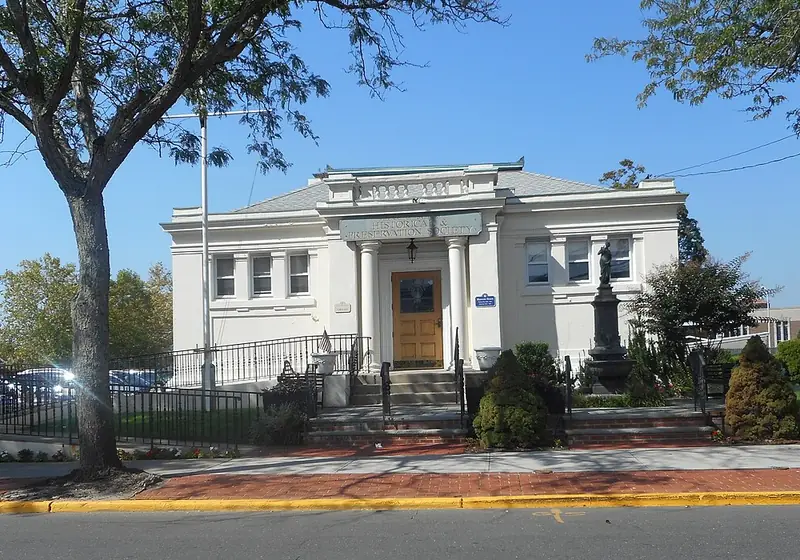 BabylonSuffolk County
 Marine ParkBrooklyn
 FlushingQueens
 MassapequaNassau County
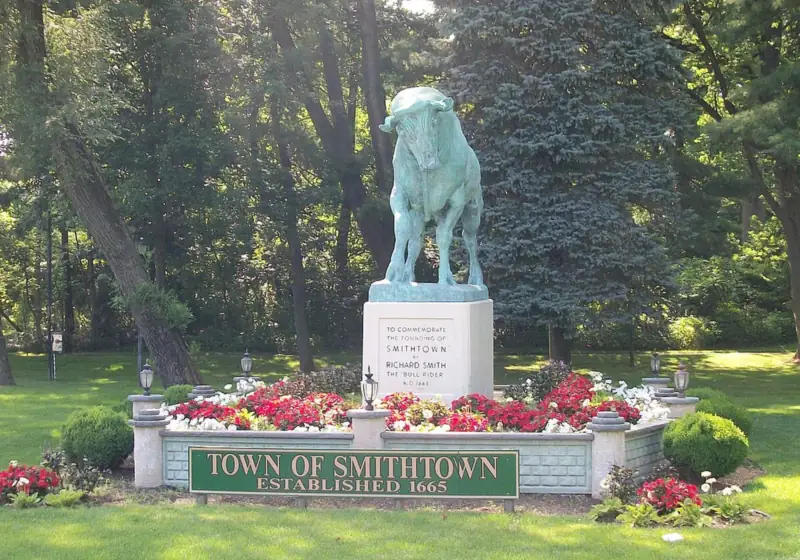 SmithtownSuffolk County
 CanarsieBrooklyn
 Howard BeachQueens
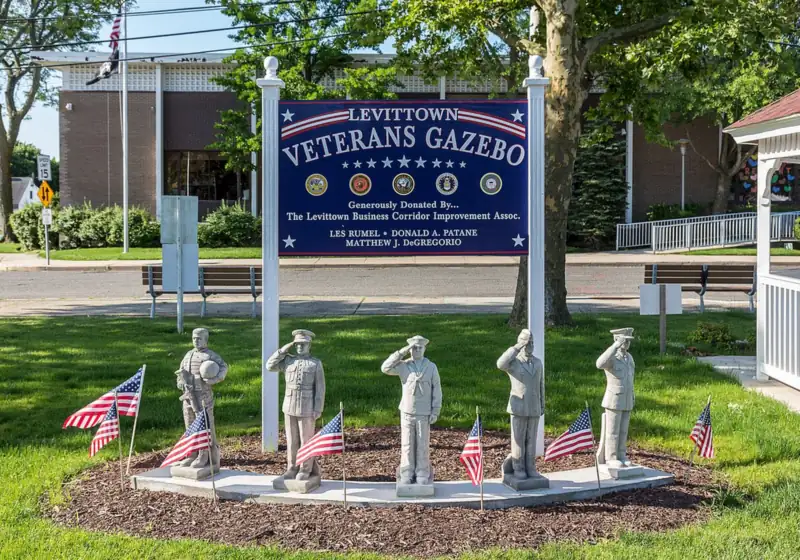 LevittownNassau County
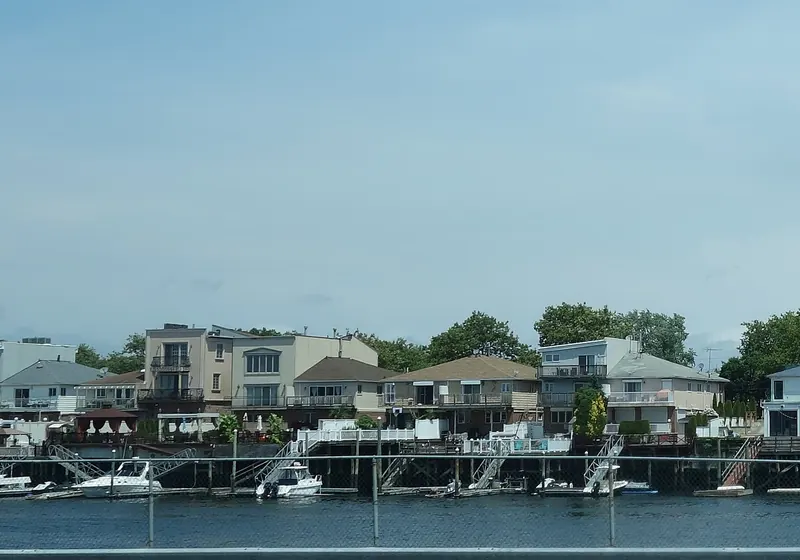 Mill BasinBrooklyn
 Forest HillsQueens
 FreeportNassau County
 BensonhurstBrooklyn
 Long BeachNassau County
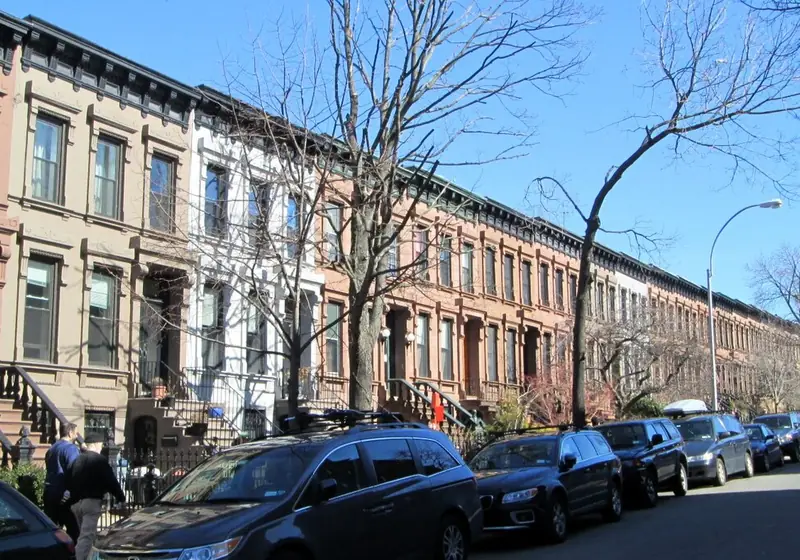 Park SlopeBrooklyn
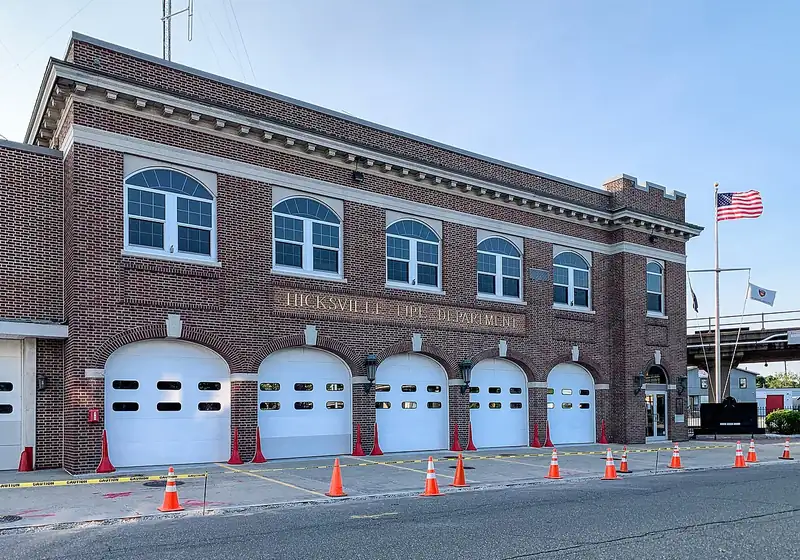 HicksvilleNassau County
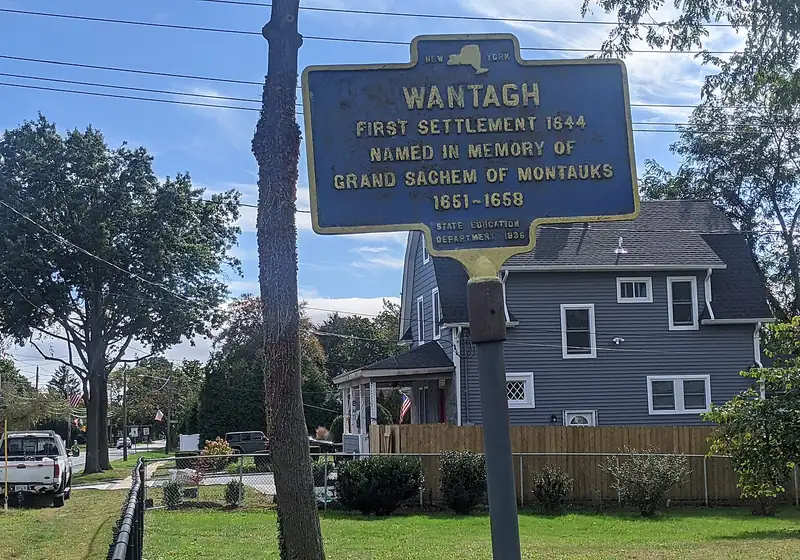 WantaghNassau County
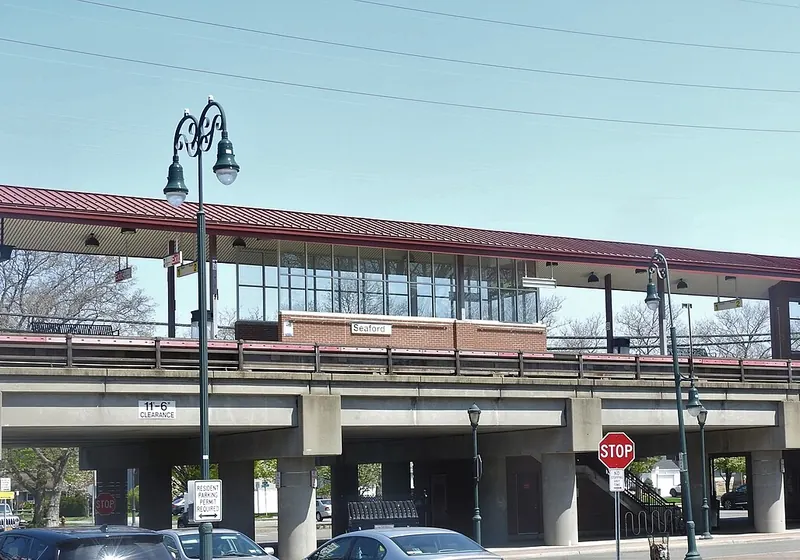 SeafordNassau County