
Leave your name and number and we’ll call you back to set a time.
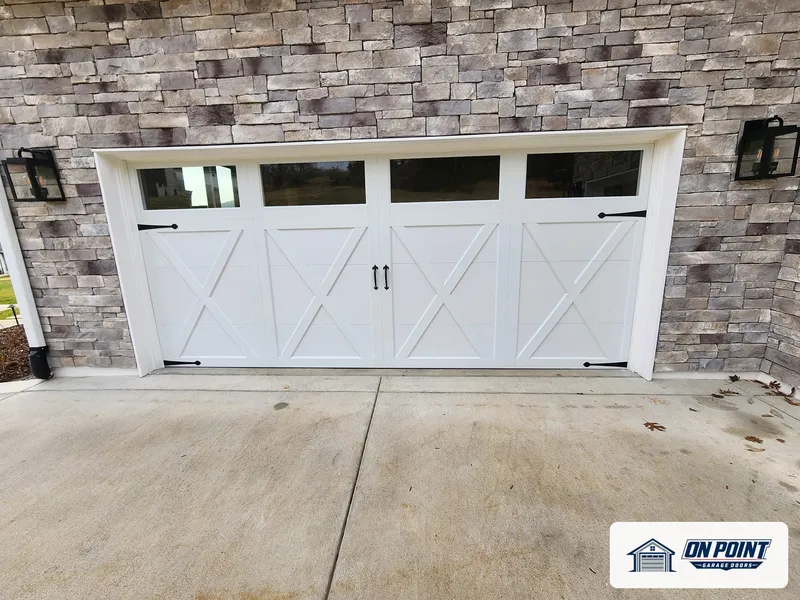
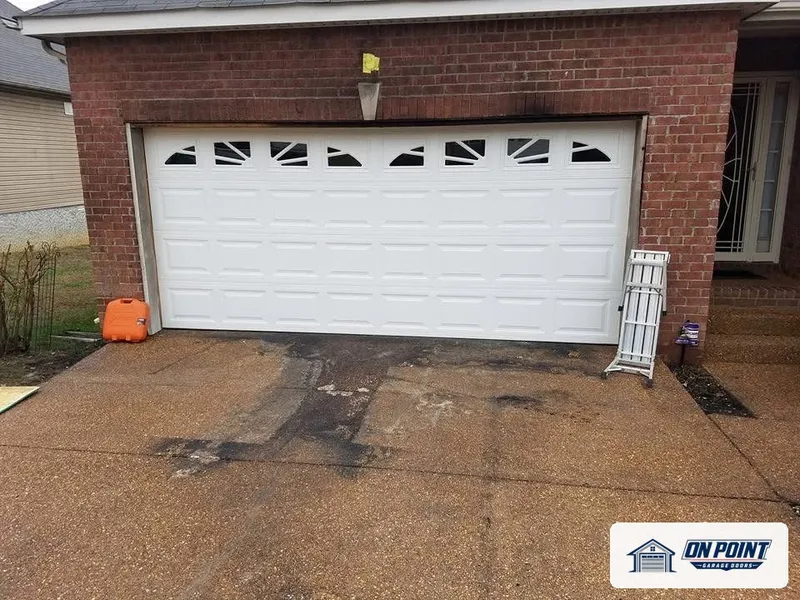
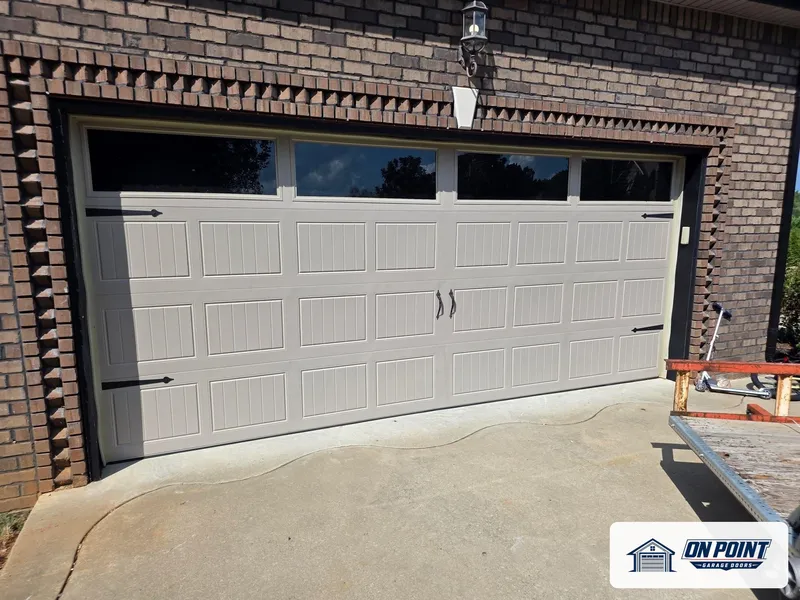
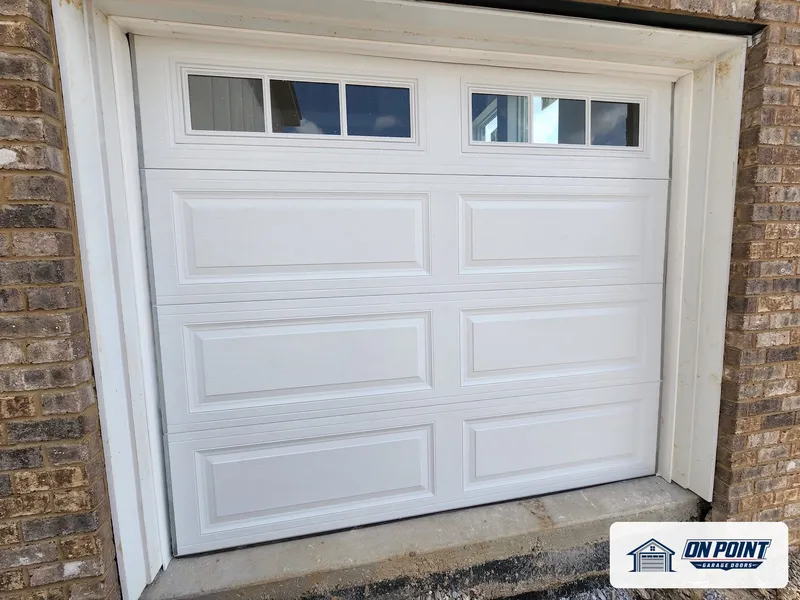
Photos from our own jobs.
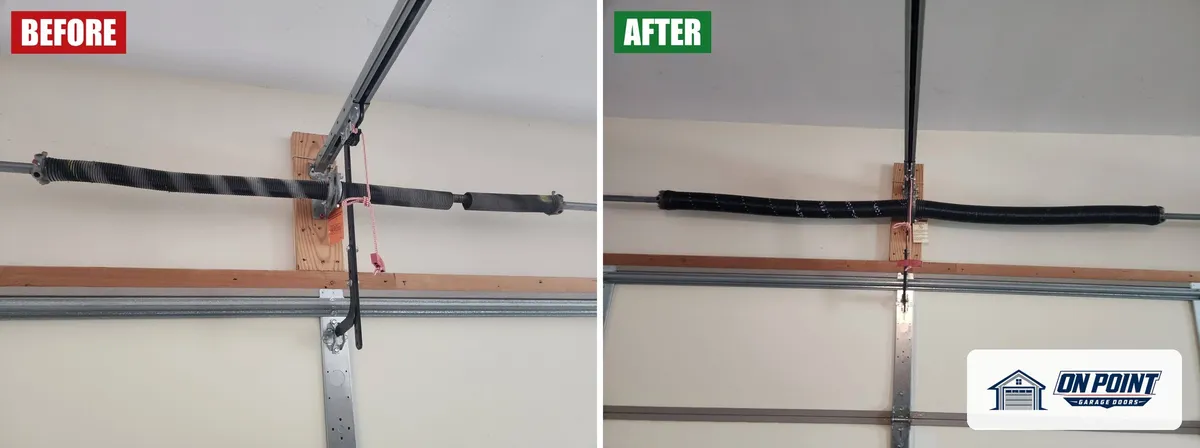
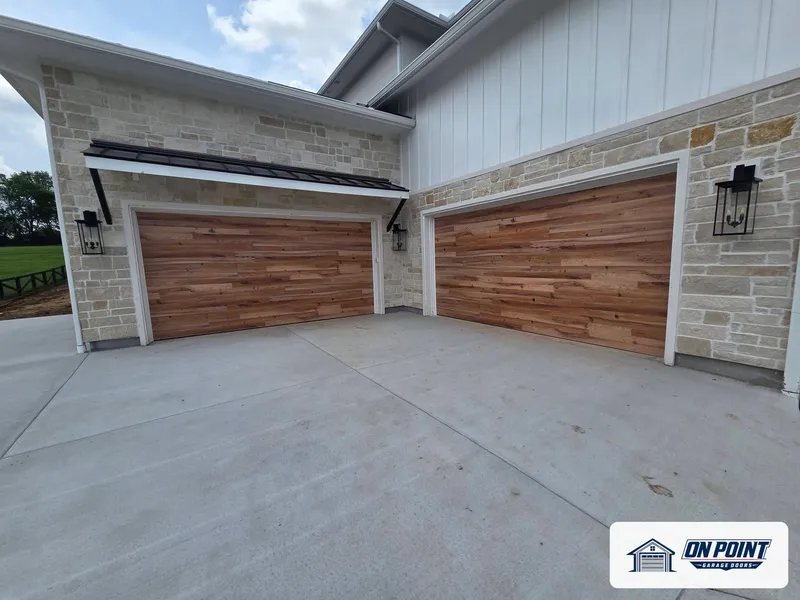
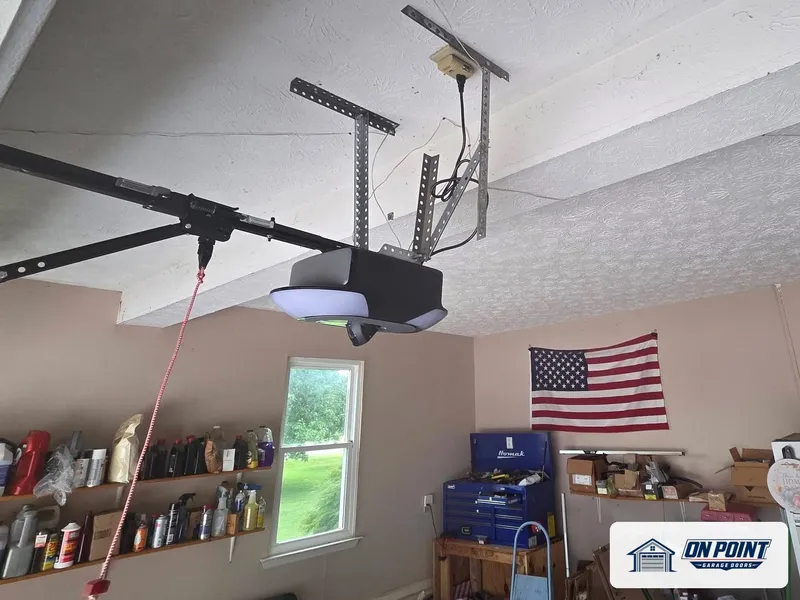
Garage door repair in Broad Channel for the ground-level garages beneath lifted homes, the small doors on the old cottages and every steel door that faces salt and wind off the open bay. The door is inspected first, and the written estimate is free.
This is the only inhabited island in Jamaica Bay, a narrow strip of streets strung along Cross Bay Boulevard between Howard Beach to the north and the Rockaway peninsula to the south. The subway crosses the water on a long trestle beside the boulevard and stops on the island.
Short side streets run off the boulevard in both directions and end at the water, many with a canal or a bulkhead at the far end. The houses began as fishing shacks and summer cottages and grew into year-round homes, so lots are small, houses stand close together and a garage, where there is one, is often tucked under the living floor.
Hurricane Sandy pushed the bay across nearly the whole island, and many homes were lifted onto taller foundations in the years after. A raised house usually keeps parking or storage at ground level, and the door down there faces wind, salt and the chance of water coming back.
Much of the land around the island belongs to the wildlife refuge, part of a national recreation area, with marsh, ponds and trails on both sides of the boulevard. That openness means nothing breaks the wind across the bay, and salt settles on every piece of exposed steel.
Two bridges tie the island to the rest of the borough: a short one over the north channel toward the mainland and the long Cross Bay bridge south to the Rockaways.
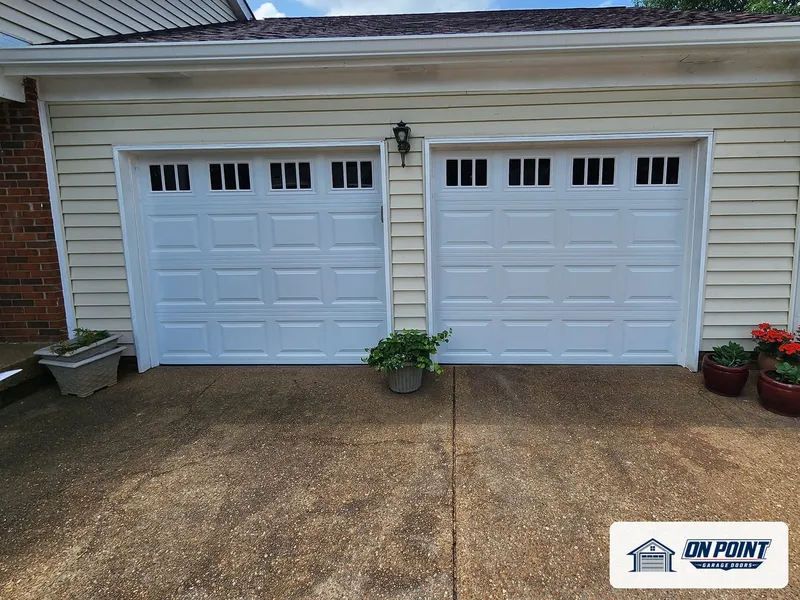
A door on a ground-level garage under a lifted house and a door on an old cottage that never left the ground wear in different places, so the first step is seeing how each one is hung and what it has been through.
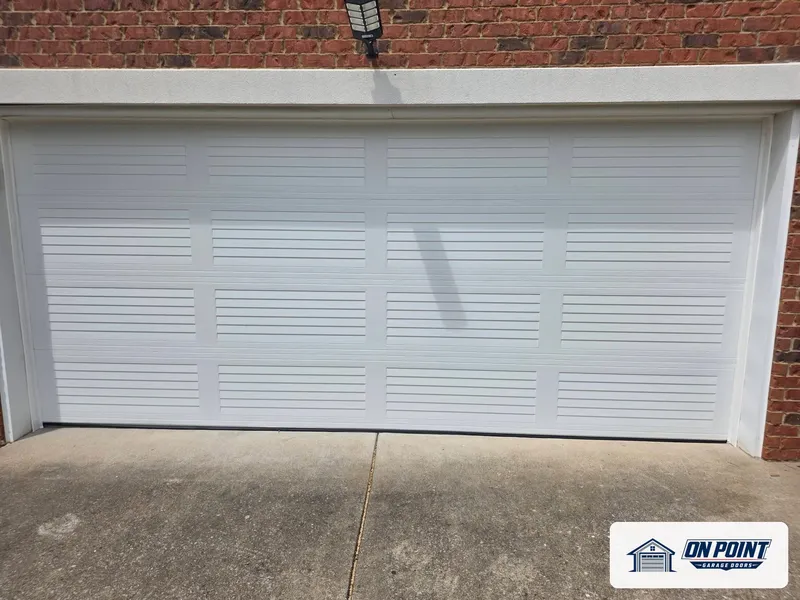
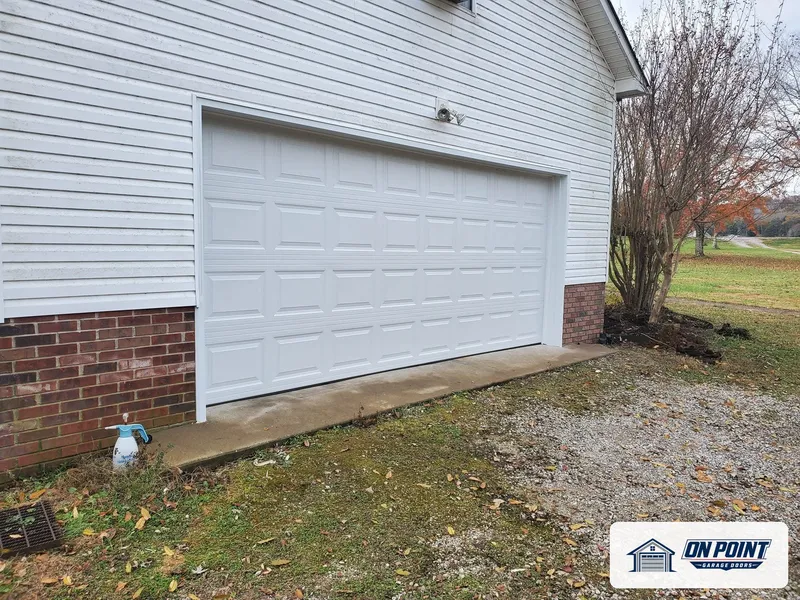
Garages under raised houses. Doors at ground level take wind off the open bay and sit on slabs that stay damp. Their bottom brackets, cable ends and lowest rollers rust first, and the springs above can corrode faster than they would inland, so all of them are checked together.
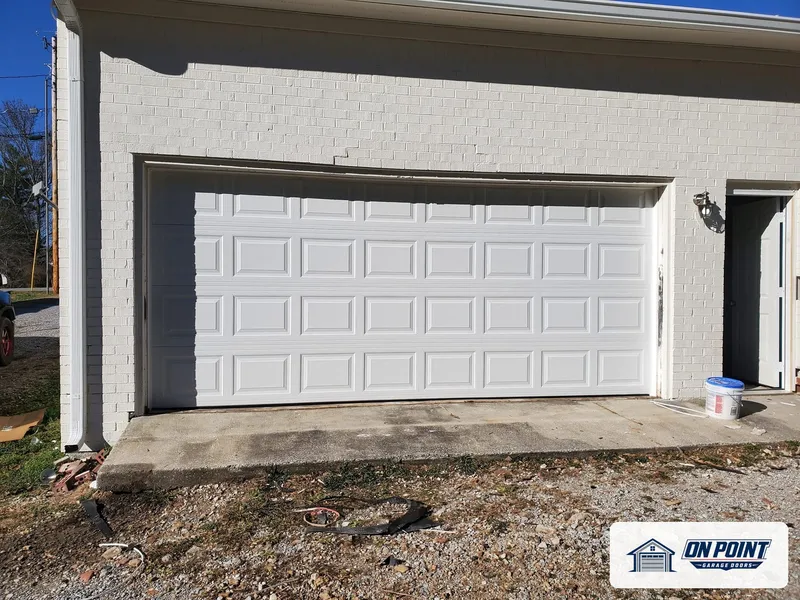
Older cottage garages. Small detached garages and add-ons from the early cottage days often have light framing and doors that were patched many times. Before new hardware goes on, the jambs and header are checked for rot, since salt air and damp eat at old wood as well as steel.
Flood-vented spaces. Many ground floors under lifted homes are built so flood water can flow in and drain out through vents. The door is chosen to work with those vents, not to seal the space, and the estimate marks where they are.
Boat and storage doors. Kayaks, fishing gear, crab traps and outboards fill a lot of garages here, and a pole or a hull leaning near the track or the safety sensors can stop a door or bend a section. Clear lanes along both tracks keep the door running.
Doors after a storm. Wind can push a wide door in at the middle and pop rollers out of the track, and water can leave the opener and the low hardware damaged out of sight. A door that came through a storm and now jams should stay put until it has been checked.
Our trucks reach the island over the bridge from the north or the south, and the people who work here also cover Brooklyn and Long Island.
Say whether the garage sits beneath a lifted house or on an older cottage, and whether water has reached it, so the right parts come across the bridge.
A door jammed open with a storm on the way, or a car locked behind a dead opener, jumps ahead of routine visits; mention it when you get in touch.
Winter. Nothing stands between the bay and the garage, so the wind bears down on wide doors and finds every gap in shrunken side seals. Cold makes springs brittle, and a weary one tends to let go on a bitter morning.
Spring. Spring tides and heavy rain can leave water standing on the lowest streets, with the bottom of the door sitting in it. Check-ups then focus on the bottom seal, the brackets and the cable ends.
Summer. Kayaks, bikes and beach chairs go in and out all day, so the door runs many more trips than in winter. A shut garage under a house also cooks the opener gears and the rubber seals.
Fall. The strongest wind and the highest water of the year tend to arrive with storm season, so a calm afternoon beforehand is the time to test the springs, cables and safety reverse.
He has the opener run the door and watches its travel, then disconnects it and raises the door halfway to see whether the springs hold it there. On a door that has lived in salt air, each bracket and fastener is checked for rust that has eaten through.
Everything he finds is pointed out on the door and written into a free estimate in plain words, one item to a line, with safety work at the top and looks or noise lower down.
Springs are matched to what the door really weighs. For the low parts that sit in salt and damp, galvanized or coated hardware is offered. The usual parts are on his truck; a section for an older door or an unusual part may have to be ordered, and you are told that first.
Once the work is done, you run the door from the wall button and a remote, and he proves the reverse twice: first against an object in the opening, then with the beam blocked.
Worn springs, rusted cables and the cartons from new parts leave in his truck, and the slab under the house is left clear.
The side streets are narrow and parking is scarce. Let us know where the truck can stand, whether a car or a boat trailer must come out first, and whether the door can stay down while parts are changed.
Nothing is touched until the estimate is in your hands and you have agreed.
Salt, standing water and wind off open water wear a door from the bottom up, and knowing which parts carry that strain makes most failures easy to spot early.
Springs. Salt air pits the coils, and a pitted spring can break with no warning at all. After one breaks, the door is far too heavy for the opener, so keep it shut until it has been seen.
Cables. Their bottom loops hang where puddles collect at the threshold. Broken or rusted strands near the bracket give it away, and both cables are renewed so the door lifts level.
Safety eyes. Sensors near the floor live in the damp and get knocked by gear, and corroded wiring can leave a door that will not close. Their brackets go onto solid framing and the wiring is traced.
Tracks. The lowest part of each track takes the most water and salt, and a rusted length is cut out and changed. Track bolts in damp framing are moved to sound wood.
Openers. A circuit board that sat near salt water can fail long after the water drained. The opener is tested apart from the door first, and a battery backup makes sense where storms can cut power.
On the call, say whether the house was lifted, whether water reached the garage, and what the door is doing. A photo helps but is optional.
Free estimates for homeowners and households all along the island streets.
A steel door with galvanized or stainless hardware and a sound bottom seal is the usual choice for a ground-level garage this close to salt water. If the space has flood vents, the door is planned around them rather than closing the area off, and your architect or the city's building office can say which rules apply. The technician measures the opening and the headroom under the floor framing and lists the choices that fit.
Some flex is expected on a wide door, but one that bows in a strong gust can pop rollers out of the track or crease a section. Struts across the sections stiffen it, and a door rated for high wind brings heavier steel, stronger hinges and bracing for the track. The technician sees how far the door moves, checks the rollers and the track mounting, and lays out the choices for your opening.
It can. Hulls, poles and outboards kept near the door can snag a rising section or bend the track, and anything leaning near the safety sensors stops the door from closing. Salt-wet gear also raises the damp inside a closed garage. Leave a clear lane along both tracks and under the opener rail, and the technician can suggest where racks fit best.
Yes, if nobody has checked it since. Salt left on the bottom brackets, the cable loops, the lowest hinges and the foot of each track keeps working after the water drains, and the damage often stays hidden until a cable frays or a bracket lets go. The technician checks those parts and the bottom seal, and tests the opener and its sensor wiring.
Mention the street when you book. The technician rings as he gets close so a car can be shifted, and the truck parks where it does not block the boulevard or a neighbor's drive. Most of the job happens inside the garage, and if the door must stay closed while a part is swapped, he tells you first so the household can plan.
Describe the door and choose a time when someone is home; the look and the written estimate are both free.
For a garage beneath a lifted house or a cottage door near the canal, call (929) 429-2429.
A sentence about the door and the salt it lives in brings back a free estimate.
Where we work
Brooklyn, Queens and Long Island. Tap your town.
 Bay RidgeBrooklyn
 AstoriaQueens
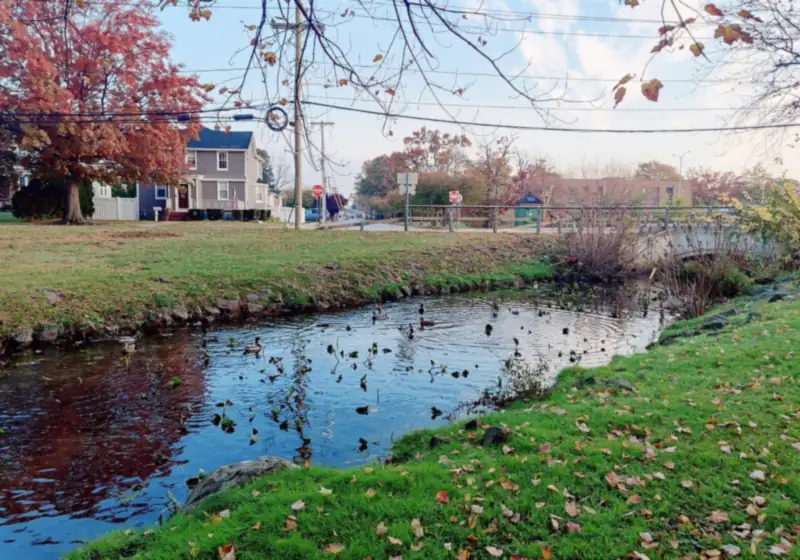 Valley StreamNassau County
 HuntingtonSuffolk County
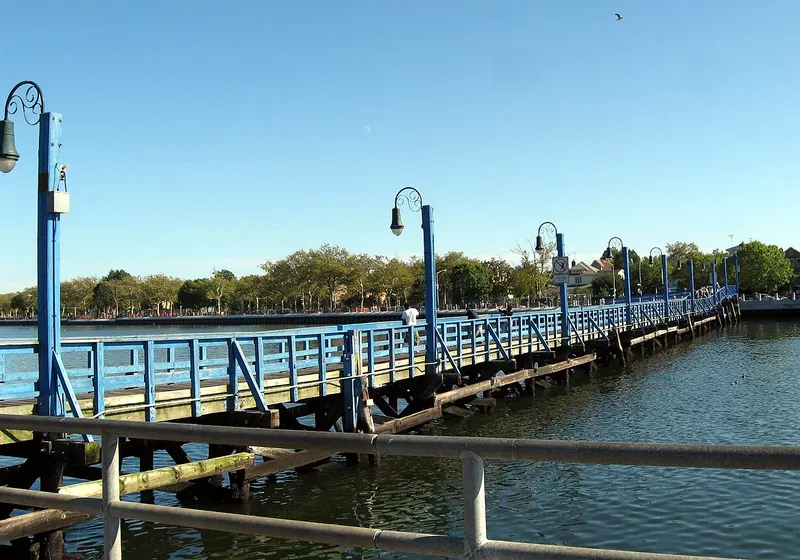 Sheepshead BayBrooklyn
 BaysideQueens
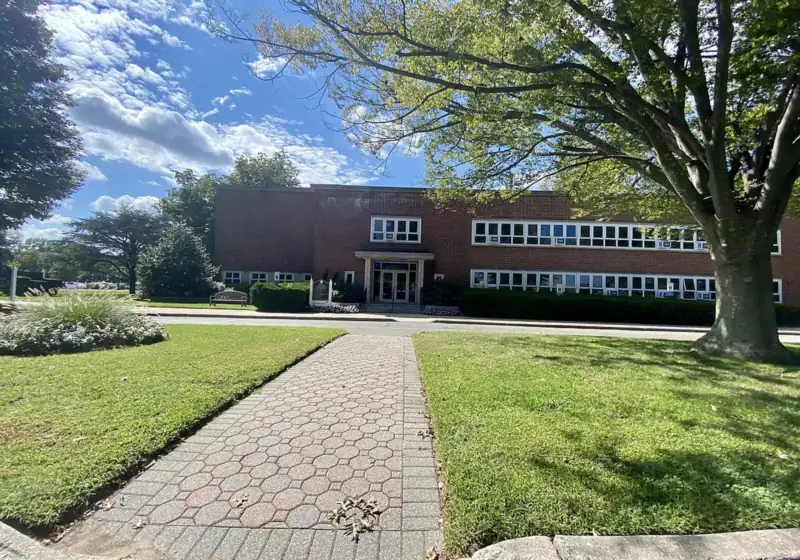 Garden CityNassau County
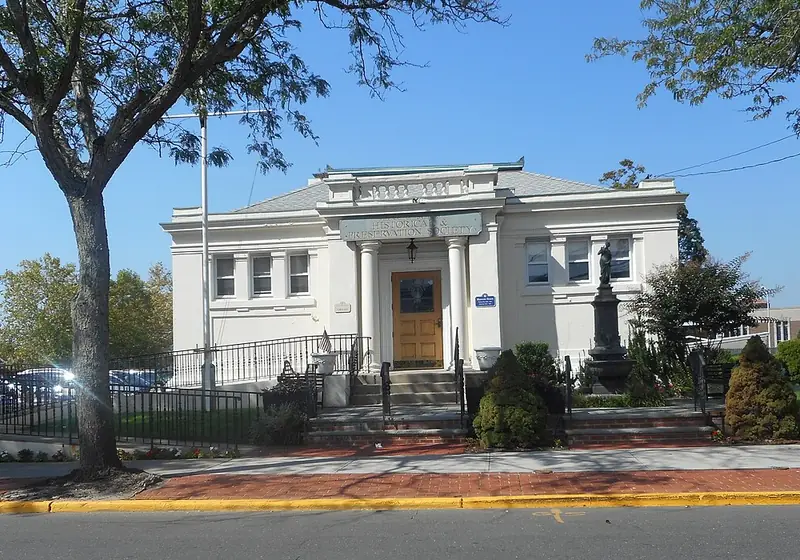 BabylonSuffolk County
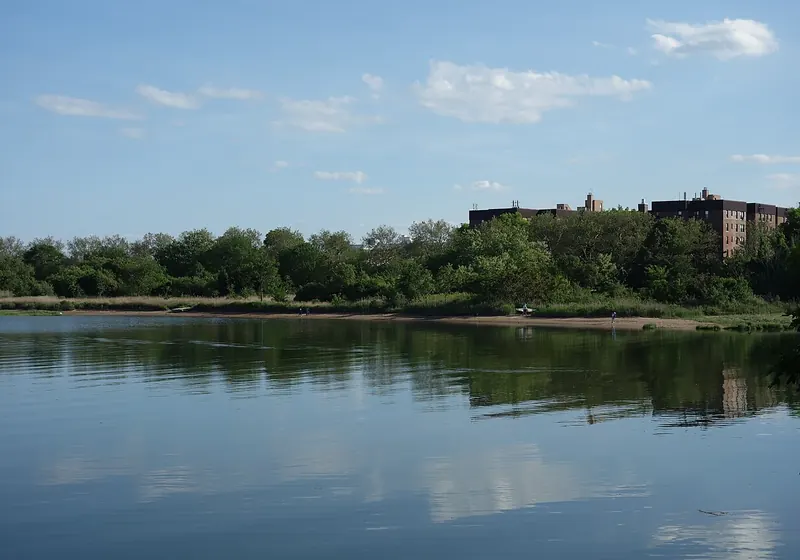 Marine ParkBrooklyn
 FlushingQueens
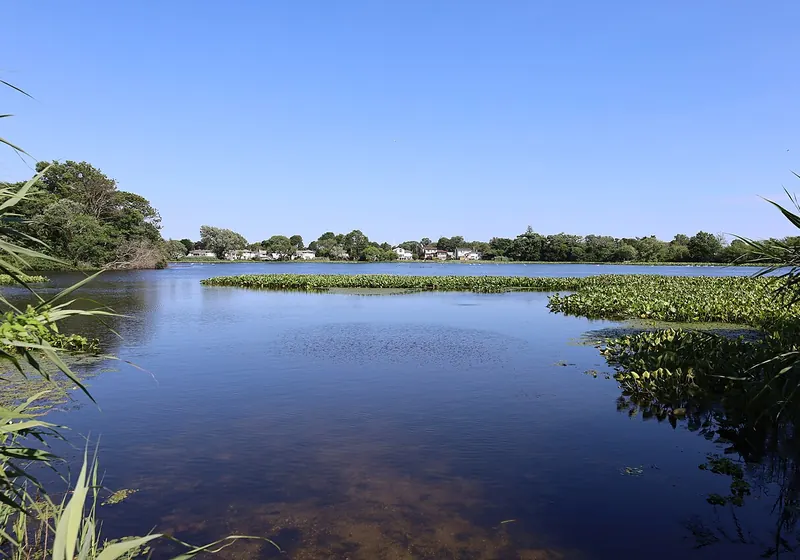 MassapequaNassau County
 SmithtownSuffolk County
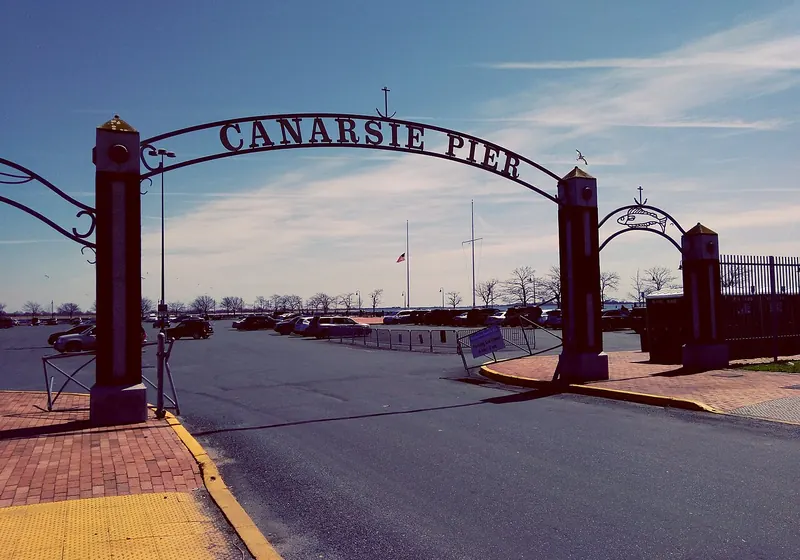 CanarsieBrooklyn
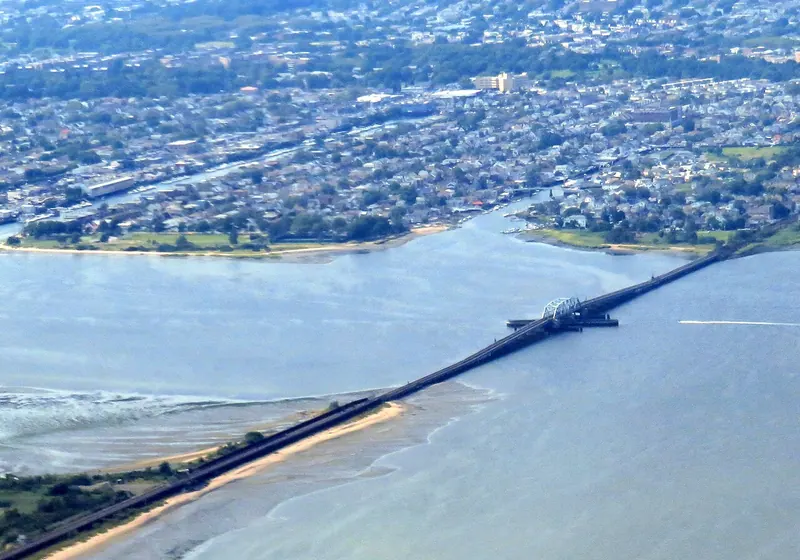 Howard BeachQueens
 LevittownNassau County
 Mill BasinBrooklyn
 Forest HillsQueens
 FreeportNassau County
 BensonhurstBrooklyn
 Long BeachNassau County
 Park SlopeBrooklyn
 HicksvilleNassau County
 WantaghNassau County
 SeafordNassau County