Serving Brooklyn, Queens and Long Island(929) 429-2429Open six days a weekFree estimateGuaranteed work
On Point Garage Doors
Open 24 hours Sun-Thu, Fri until 5 pm Free estimate Springs, openers, cables We come to you
Emergency?Call nowBook free estimate
New York, NY - open six days a week

Garage doors for farms and barns

Free estimateSame-day serviceCommon parts on board
  • Free estimate
  • Same-day service
  • Common parts on board
Emergency garage door repair★★★★★ 5.0 on Google · 42 reviews

Book your free estimate

Takes 30 seconds. We call you back to set a time.

Or just call (929) 429-2429 and talk it through.

Home › Farm and Barn Doors

The east end of Long Island still farms: potatoes and vegetables, sod, nursery stock, vineyards and horse barns. Those places run on buildings with big doors, and the doors live a harder life than any on a house. They get dust, mud, animals, tractors and long stretches without use, often at the far end of a property with thin power. This page is about working doors on working buildings. If you only want the barn look on a home garage, we have a separate page for that style. Free estimate at (929) 429-2429.

By Sean Cohen, owner, On Point Garage Doors · Updated

Real jobs. Real photos.

These photos are from our own jobs, with our logo on them.

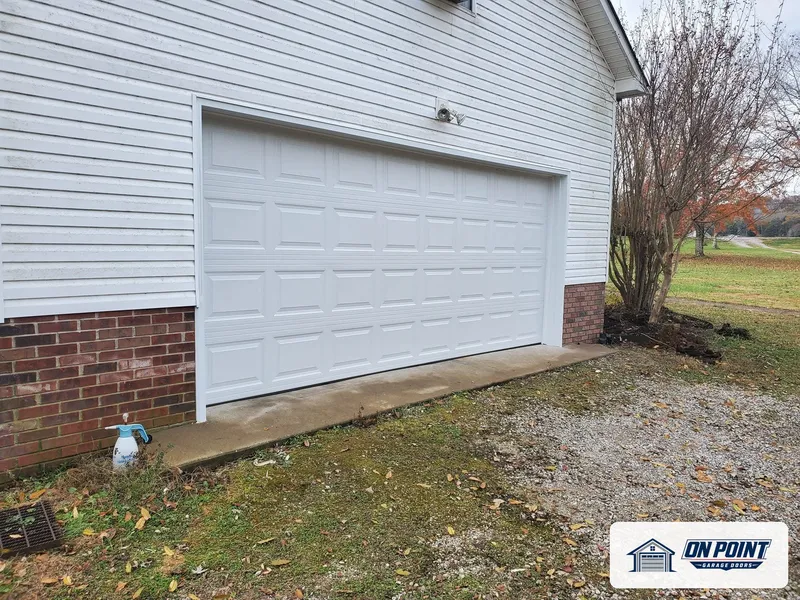
A white raised-panel door on a siding and brick house, from one of our jobs
A white raised-panel door on a siding and brick house
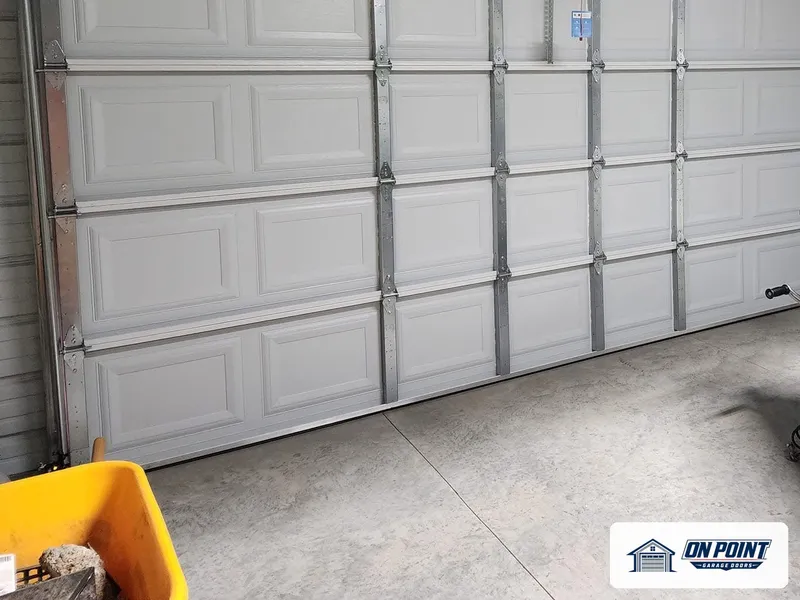
Sectional door on a steel building, from one of our jobs
Sectional door on a steel building
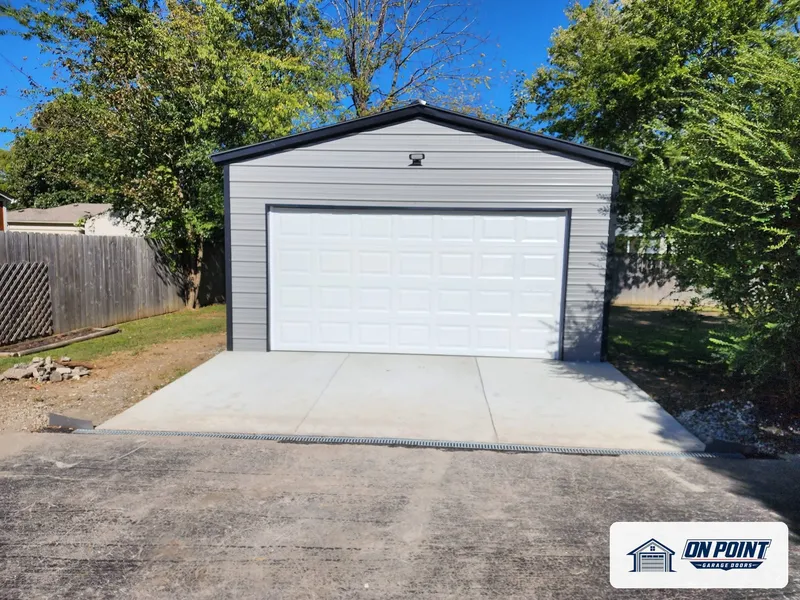
New door on a detached building, from one of our jobs
New door on a detached building

Sliding, sectional or roll-up

The traditional sliding barn door is simple and never hangs overhead, but it needs open wall beside it, leaks air and freezes in its guides. A sectional overhead door seals better and takes windows and insulation, yet needs backroom for its tracks. A roll-up sheet or slat door takes almost no ceiling and suits cold storage of machinery, though it insulates poorly unless it is built for that. The building decides more than taste does.

Size the opening for the implement

Tractors are not the problem. What hangs off them is: a folded cultivator, the boom on a crop rig, a loader bucket in the raised position, the cab beacon. An opening that cleared last season's machine may not clear the next. Measure the widest and tallest thing with room to steer, because equipment rarely enters square, and remember that the door itself hangs a little into the opening when it is up.

Pole barns need something to bolt to

A post-frame building may have plenty of height and very little structure where a door wants it. Torsion springs need a solid center pad above the opening, tracks need jambs that are straight and firm, and hanging track needs real members overhead instead of thin purlins. Posts in the ground can also lean or heave over time. We look at the frame before anything is ordered and say when a carpenter or builder should go first.

Dust, chaff and mud

Field dust mixes with old grease and turns into paste on bearings and in roller races. Chaff packs the guides of a roll-up until the curtain jams. Mud carried in on tires builds a ridge at the sill, so the door stops short and the operator reads it as an obstruction. Sealed bearings, nylon rollers and a sill that drains all help, along with a planned service before the busy season.

Animals and what they leave

Ammonia from bedding and manure corrodes galvanized steel, cables and fasteners faster than rain does. Horses lean, kick and chew, so stall-side doors need stronger lower sections or a guard, and tracks should have no sharp ends at body height. Birds build on spring shafts and mice chew sensor wire. When a door serves livestock, we keep cables, springs and moving joints out of their reach as far as the layout allows.

Wind across open fields

With no houses or trees to break it, wind loads a wide door fully. Light doors on farm buildings can bow inward until the rollers leave the track. Reinforcing struts, heavier track brackets, sound anchors and wind locks on rolling doors are the usual answers. A building left open on one side also builds pressure inside, pushing on the closed doors from behind.

Power at the back of the property

Plenty of equipment sheds have a long underground feed, one tired circuit or no power at all. An operator needs a proper supply, and low voltage at the end of a long run can make it stall or overheat. Where power is poor, a well-balanced door with a chain hoist is often more dependable than a motor. Where it is good, a commercial operator with a hand chain covers both days.

Doors that wait all winter

A door shut from harvest to planting seizes quietly. Cables rust where they bend around the drum, rollers stick, the seal glues itself down with frost and the spring keeps its rust on the same coils. Then everyone needs the tractor at once. Having the doors run and checked late in winter spreads the repairs out and keeps a broken cable from holding up field work.

Nurseries, greenhouses and wineries

Specialty buildings add their own demands. Greenhouse and packing doors live with humidity and fertilizer, which favors aluminum or well-coated steel and corrosion-resistant hardware. A barrel room or produce cooler needs an insulated door with tight seals on every edge. A tasting barn may want glass sections that open the room on good days, which makes the door much heavier and the spring choice important.

Safety with stored energy

Farms are full of capable people who fix things, and door springs are the place to stop. The springs on a wide, tall door hold a great deal of energy, and the bottom brackets are under that load even when the door looks idle. Please keep helpers away from those parts, do not drag a jammed door open with a tractor, and keep children from riding or swinging on it.

What we look at on a farm visit

We walk each opening: frame and anchors, track or guides, springs, cables, bearings, seals, locks, operators and the safety devices on motorized doors. We ask what has to move through each one and in which months. The written estimate puts urgent doors first and leaves the rest for a slower season if you prefer. Tell us about soft ground or a locked farm lane so the truck can reach the building.

Questions we get asked

Can a sliding barn door be replaced with an overhead door?

Often, yes, if there is headroom, side room and framing to carry the springs and tracks. Some barns need carpentry first, and some suit a roll-up better.

What door works in a barn with no electricity?

A balanced sectional or roll-up run by a hand chain works well without power. An operator can be added later if a proper supply is brought out.

Why does my equipment shed door bow in the wind?

Wide, light doors flex when nothing braces them. Struts, stronger brackets and wind locks on rolling doors help, after the frame and anchors have been checked.

Do you work on farm buildings on the east end?

We provide same-day service across Long Island. Tell us where the farm is, what kind of door it has and whether a truck can drive up to it when you call.

Is the estimate free?

Yes. We look at the openings and write up what each needs before you decide.

Booking takes a minute

Across Brooklyn, Queens and Long Island, tell us what the door is doing and we set a visit that fits your day.

Free estimate, call (929) 429-2429.

Barn or equipment shed door? Tell us what goes through it

Tell us what the door is doing and we will give you an honest arrival time. The estimate is free.

Easier to explain by phone? Call (929) 429-2429.

Two minutes to a free estimate

Tell us what the door is doing. The estimate is free either way.

Or just call (929) 429-2429 and talk it through.

The other six things that go wrong