Serving Brooklyn, Queens and Long Island(929) 429-2429Open six days a weekFree estimateGuaranteed work
On Point Garage Doors
Open 24 hours Sun-Thu, Fri until 5 pm Free estimate Springs, openers, cables We come to you
Emergency?Call nowBook free estimate
New York, NY - open six days a week

Genie garage door opener repair in Brooklyn, Queens and Long Island

Free estimateSame-day serviceCommon parts on board
  • Free estimate
  • Same-day service
  • Common parts on board
Emergency garage door repair★★★★★ 5.0 on Google · 42 reviews

Book your free estimate

Takes 30 seconds. We call you back to set a time.

Or just call (929) 429-2429 and talk it through.

Home › Genie Garage Door Opener Repair

Real jobs. Real photos.

These photos are from our own jobs, with our logo on them.

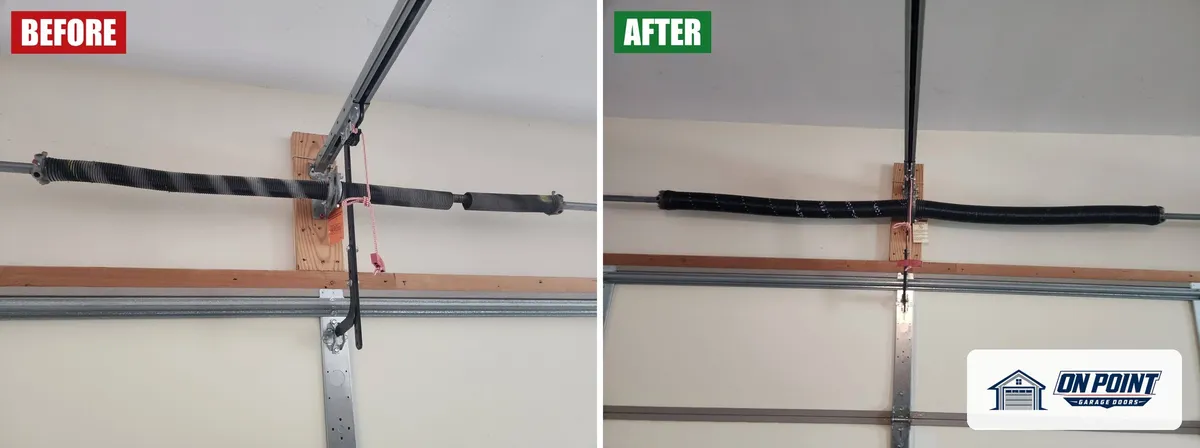
Broken spring, then fixed: before and after photo from one of our jobs
Broken spring, then fixed
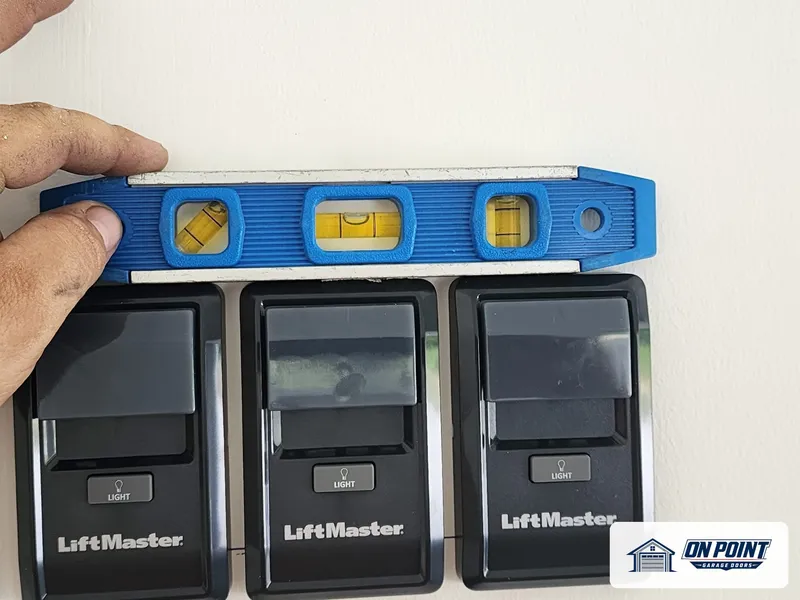
New remotes, set up on site, photo from one of our jobs
New remotes, set up on site
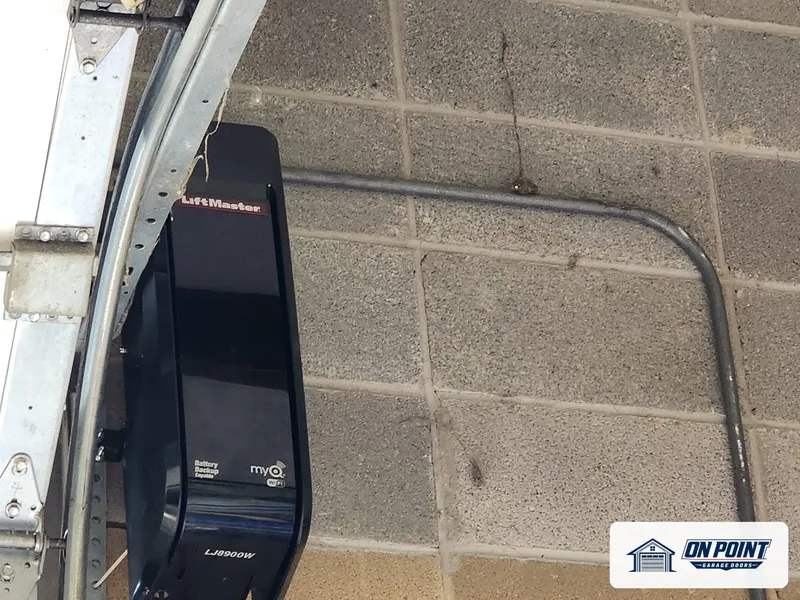
Wall-mount opener installed, photo from one of our jobs
Wall-mount opener installed

Genie garage door opener repair in Brooklyn, Queens and Long Island, with a free estimate. When a Genie stops, the cause is often one of five things in the opener itself. If the door won't open at all, the cause may be the door and not the opener. Genie belongs to the same company as Overhead Door, and we also repair Raynor and Overhead Door doors.

By Sean Cohen, owner, On Point Garage Doors · Updated

Why Genie openers are in so many garages

Genie has been sold through the big-box stores for decades, so it's the opener a lot of homeowners installed themselves and the one that came with the house for everyone else. That is good news for repair: the designs repeat, the failure points repeat, and many of the everyday parts are still made.

The model matters more than the badge. A screw-drive Genie from the 2000s and a current belt-drive behave differently when they fail, and the technician will ask what the unit does and what it sounds like before loading up.

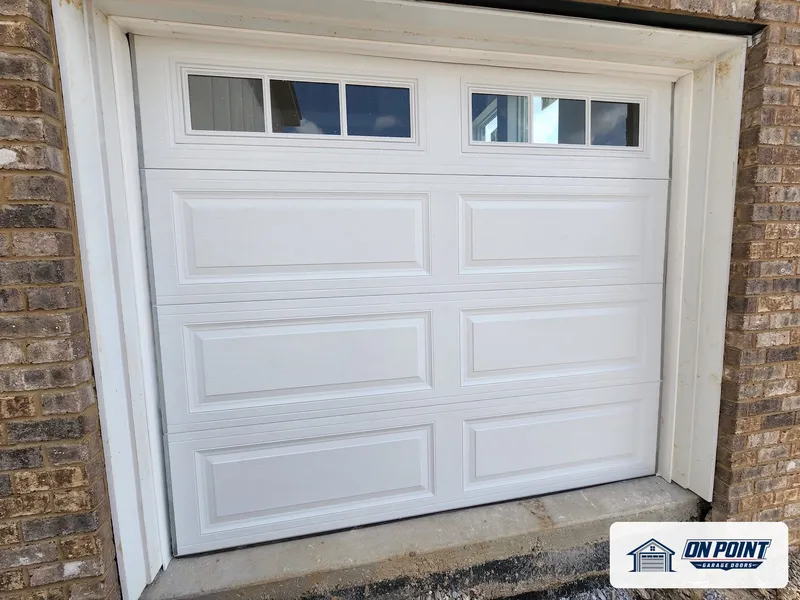
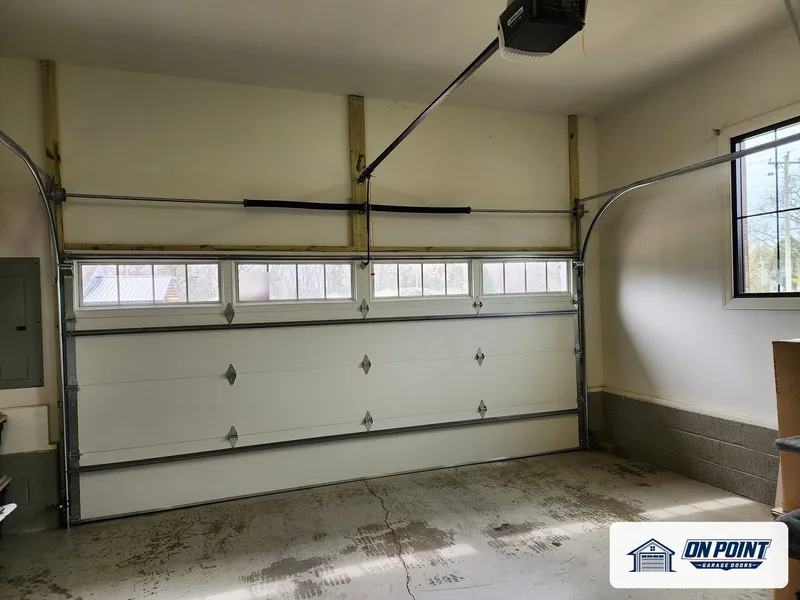
On Point Garage Doors job photo: new garage door window row brick

How to tell which Genie you have

  • The model label is on the motor housing, usually on the underside or the back panel.
  • A long threaded rod down the rail means a screw-drive. A rubber belt means belt-drive; a chain, chain-drive.
  • The learn or program button and the lights beside it help date the unit, so include them when you photograph the housing.
  • Battery backup units have a second, smaller housing beside the motor.

If the label has faded, a photo of the motor housing and the rail is enough for the technician to bring the right parts.

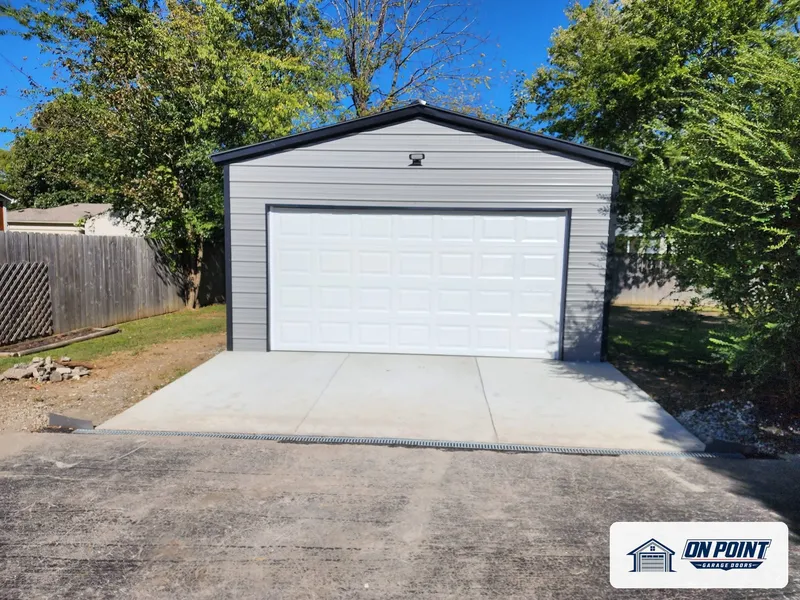
New garage door on a detached garage, installed by On Point Garage Doors
New garage door and opener seen from inside the garage, an On Point Garage Doors job
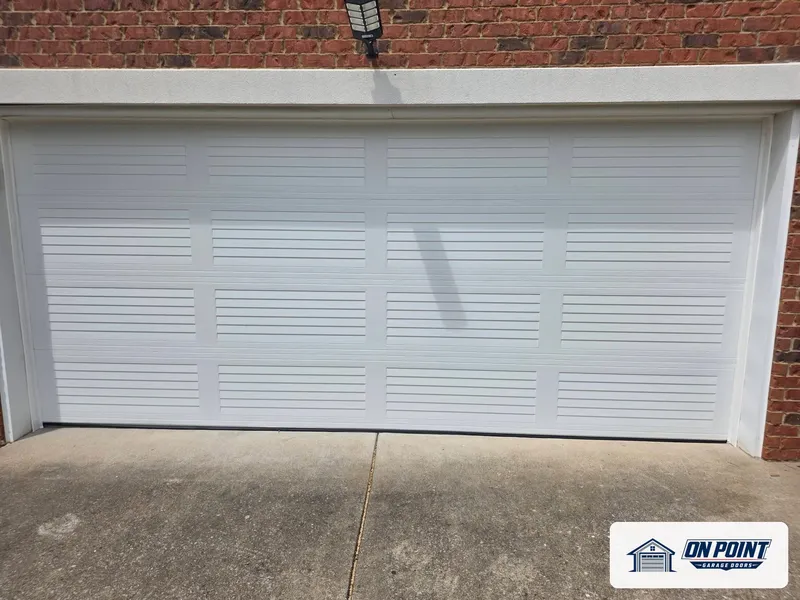
On Point Garage Doors job photo: new white double garage door

What goes wrong on a Genie

Five places to look, starting with the simplest one to put right.

  1. The sensorsThe safety eyes at the bottom of the track get knocked out of line by a bin or a bike. The door starts down, stops and reverses, and the light flashes. It is the first thing to rule out on any Genie that will not close.
  2. The carriageOn screw-drive units the plastic carriage that rides the rod wears until the motor runs and the door doesn't move. You hear the motor working and nothing happening.
  3. The circuit boardA power surge or a lightning storm takes out the logic board. Remotes stop pairing, the light misbehaves, or the unit is simply dead.
  4. The limits and forceThe door reverses just before the floor or won't close fully. Usually a settings problem after the door itself has changed, not a fault in the opener.
  5. The remotes and keypadLost pairing, a dead battery, or a keypad that has taken too many winters. Quick to put right, and the thing most people replace the whole opener over.
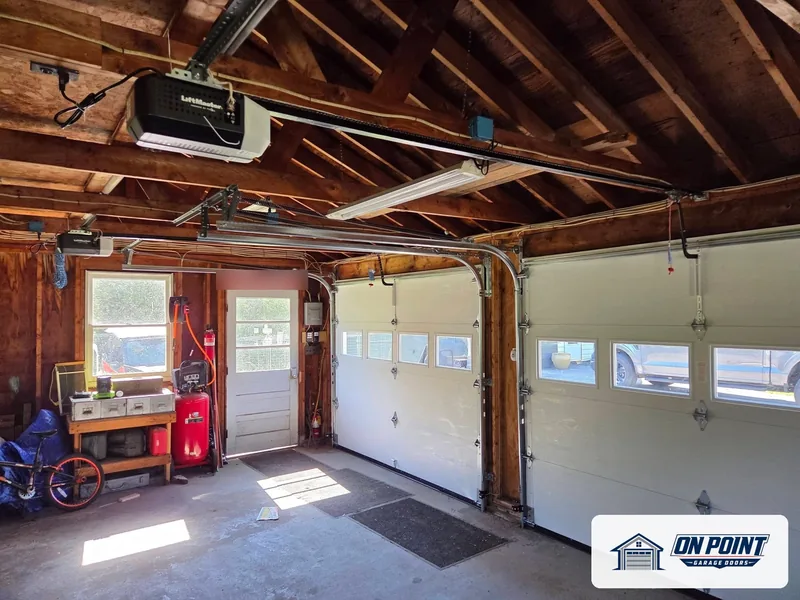
Garage door opener on the ceiling above two new doors, an On Point Garage Doors job

Worth repairing?

A Genie that is under fifteen years old and stopped for one reason is nearly always worth repairing. The exceptions are a cracked housing, a board for a model Genie no longer supports, or an opener that has been struggling to lift a door with a tired spring for months, because that wears the drive.

If it's the door that's heavy rather than the opener that's weak, fixing the opener alone buys you a few weeks. The technician checks the door balance first, every time, because an opener is only meant to guide a door, not to lift it.

One thing before you call

If the door has stopped part-way and the opener is straining, pull the plug rather than pressing the button again. An opener asked to drag a door with a broken spring burns out its gear in a handful of tries, and that turns a spring visit into two.

The kinds of Genie you may have

Around Brooklyn, Queens and Long Island a Genie can be any of three kinds: an older screw-drive unit, a later belt drive from the years when quiet openers took over, or a current model with battery backup. The screw-drives are the noisy ones and the ones with the carriage problem. The belt drives are quiet and mostly give trouble through the sensors or a board after a storm.

If yours is older than any of those, it may still be repairable, since some of the oldest screw drives are simple machines. The technician will say on site whether parts exist for it, and if they don't, a belt-drive replacement can often go in the same day.

What people are told, and what's real

Genie parts are hard to get. The common ones aren't. Sensors, carriages, boards and remotes are still sold for many Genie models.

A flashing light means the opener is dead. It nearly always means the sensors, and the fix is a short visit.

It's better to replace than repair. Sometimes. On a unit that is otherwise sound and simply has one failed part, it's not, and we'll say which on site.

What owners hear and see first

A Genie tends to complain before it quits, and the complaint points at the part. Tell us which of these you have when you call:

None of those needs repeated tries to confirm it. Each extra run can turn a small plastic part into a damaged rail or motor.

Cases a technician can find behind a dead Genie

  1. A door fault wearing an opener costumeA broken spring, a cable off its drum or a seized roller stops a healthy Genie. The opener gets the blame because it is the part that makes the noise.
  2. A cracked couplerScrew drives join the motor to the rod with a small coupler. When it splits, the motor runs and the rod stands still, which looks like a dead gearbox from below.
  3. A stripped carriage insertThe threads inside the carriage can wear smooth while the steel rod stays sound. The door may climb partway, slip and stop, with white or dark shavings along the rail.
  4. A limit switch out of placeOlder screw-drive Genies set their travel with switches mounted on the rail. A bump or a broken lead there can imitate a bad board.
  5. A damaged low-voltage wireThe thin wires to the sensors and the wall console run along framing where staples, rakes and mice reach them. A short in one can make the opener behave as if a button were held down.

What gets checked first on a Genie

  1. The door on its ownThe opener is disconnected safely and the door's balance is felt. A new motor part under a dead-weight door would not last.
  2. Power and surge damageThe outlet, the cord and the board's response are tested, especially when the trouble began after a storm.
  3. The Safe-T-Beam pairGenie's sensors have red and green indicator lights. Whether each is steady, blinking or dark narrows the fault to aim, wiring or a failed eye.
  4. The drive from motor to armGear, coupler, rod, chain or belt, carriage and arm are followed in that order until the movement stops being passed along.
  5. Controls and codesWall console, remotes, keypad and car buttons are tested separately, so a faulty accessory is not mistaken for the opener.

The finding goes on a written estimate, and no part is changed before you say yes.

Screw, chain and belt fail differently

On a screw drive the steel rod tends to outlast what rides on it. Couplers and carriages wear, and grease that has hardened can make the unit drag on cold mornings. The screw drive opener page covers that design on its own.

Chain models are louder by nature, so a change in the noise matters more than the noise. Slap along the rail points to a slack chain, while grinding at the head points to the gear and sprocket. On a belt model, teeth missing from the belt or dust below the pulley tells the story before the motor is opened.

Wall-mount Genies have no rail at all. They turn the shaft beside the door, so cable tension and the set of the springs become part of every diagnosis, and a slack cable can stop the unit by design.

Genie names on the label

The line name on the cover tells a technician a lot before the cover comes off, though the label on the housing decides the part.

Two units with the same line name can take different boards, and that is why a photo of the label helps more than the name alone.

Intellicode, older codes and lost remotes

Intellicode is Genie's rolling-code system, where the signal changes each time it is used. Earlier units used fixed codes set on tiny switches, and a remote from one system will not simply talk to the other. An external receiver can sometimes bridge an older opener to newer remotes.

A remote that was lost or went with a sold car should be erased from the opener's memory, then the remaining ones paired again. Car buttons can need an adapter or an update on some combinations of car and Genie, so that is confirmed on site before anyone orders a board.

When the app is the only thing broken

If every remote works and only Aladdin Connect is offline, the motor and the door are rarely at fault. The trouble tends to sit between the garage and the router, in the door position sensor or in the account. The Aladdin Connect troubleshooting page walks through those causes without dragging the opener into it.

When the app, the remotes and the wall console all fail together, that is an opener or power fault, and our page on a Genie that stopped working is the better place to start.

Why Genie parts are matched by number

Genie has changed rail shapes, carriages and boards over the decades while keeping familiar names on the cover. A carriage for one rail will not ride another, and a board from a sister model can power up yet read the travel wrongly. Parts are matched to the label and to the rail in your garage.

The overlap works in your favor with Overhead Door openers, which come from the same company and can share sensors, remotes and code systems. If the badge on your unit says Legacy or Odyssey, see Overhead Door opener repair.

Signs a repair will not hold

A single failed part on a sound Genie is worth fixing. A repair is a poor bet in these cases, and we say so on the estimate:

If a new unit is the sounder choice, Genie opener installation lays out what changes and what can stay.

If the Genie serves tenants or a building

Shared garages add one question to the repair: who holds a working remote. Before the visit, let us know who can give access, how many people use the door and whether former tenants kept controls. The codes can then be cleared and the current users paired during the same visit.

The written estimate names the opener, the failed part and the state of the door, so it can be forwarded to an owner or a board as it stands. A wide or constantly used shared door may call for a commercial operator instead of another residential Genie.

What you can tell us when you call

Four details shorten the diagnosis: the name or label on the motor head, what the indicator lights are doing, whether the wall button and the remote behave the same way, and whether anything changed just before it failed, such as a storm, a new car or a bump to the door.

You do not have to open the cover or touch the drive. A photo from the floor is enough. If the door hangs crooked or a cable is loose, the job is garage door repair first and an opener repair second, and we send the technician with that in mind.

After the repair

A Genie is not finished when the motor turns. The travel is set for the door as it now sits, the force is kept no higher than the door needs, and the reverse is tested with an object in the opening and with the beam broken. Each remote, keypad and car button you use is tried before the technician leaves.

Afterward, listen for the first few days. A new rubbing at one point in the travel usually belongs to the track or a roller, and it is better mentioned early than left for the opener to push through.

Questions we get asked

Do you work on older Genie screw-drive openers?

Yes. We repair screw-drive Genies along with chain, belt and wall-mount models, and carriages and couplers are still sold for many of the older units.

The light is flashing and the door won't close. What is it?

Almost always the safety sensors at the bottom of the track. They've been knocked out of line or something is blocking them. It's a short visit.

My remote stopped working but the wall button works.

That's the remote or the receiver, not the door. New remotes pair in minutes, and if the receiver board has gone it can be replaced without changing the opener.

Can you add a keypad or a second remote?

Yes, on any Genie with a working learn button. Bring up what you'd like on the call and the technician brings it.

Is the estimate really free?

Free, across Brooklyn, Queens and Long Island. The visit tells you what has failed and what it takes to put right, and no is a complete answer.

Can you come out today?

More often than not. A garage that won't shut is one of the calls the schedule keeps room for.

Who owns Genie garage door openers?

Genie is owned by Overhead Door Corporation, a subsidiary of Sanwa Holdings. It is separate from LiftMaster and Chamberlain, which belong to Chamberlain Group, so remotes and boards do not swap between the two families.

My Genie opener hums but doesn't move. What's wrong?

Usually a failed capacitor, a stripped carriage or gear, or a broken spring that has made the door too heavy to lift. We diagnose and repair all Genie drive types same day. Call (929) 429-2429.

Do you carry Genie parts on your trucks?

Common parts are on board. For an unusual or older model we may need to source the part, in which case we order it the same day and return for the install.

Why won't my Genie accept a new remote?

The remote may use a different code system from the opener, the program button may be worn out, or the receiver on the board may have failed. The visit shows which, and whether a receiver, a board or only the right remote is needed.

Can my old Genie remotes work with a new opener?

Sometimes. It depends on both using a compatible code system. Each old remote is tested on the new opener, and any that will not pair is replaced and erased along with the old unit.

Why did my Genie forget its settings after the power went out?

An outage alone rarely erases them, but the surge when power returns can upset or damage the board. The technician checks whether travel, force and remotes can simply be set up again before recommending any electronics.

Booking takes a minute

Around Brooklyn, Queens and Long Island, one call gets you a time slot for the Genie and a heads-up call before the technician sets off. We don't buy leads and nobody on a phone judges a door they can't see.

Free estimate, across Brooklyn, Queens and Long Island.

Get the Genie looked at today

Describe the fault and we'll give you an honest arrival time. The visit and the estimate is free, anywhere in Brooklyn, Queens and Long Island.

Easier to explain by phone? Call (929) 429-2429.

Two minutes to a free estimate on your Genie opener

Tell us what the door is doing. The estimate is free either way.

Or just call (929) 429-2429 and talk it through.

The other six things that go wrong