Serving Brooklyn, Queens and Long Island(929) 429-2429Open six days a weekFree estimateGuaranteed work
On Point Garage Doors
Open 24 hours Sun-Thu, Fri until 5 pm Free estimate Springs, openers, cables We come to you
Emergency?Call nowBook free estimate
New York, NY - open six days a week

Garage doors for fire stations and apparatus bays

Free estimateSame-day serviceCommon parts on board
  • Free estimate
  • Same-day service
  • Common parts on board
Emergency garage door repair★★★★★ 5.0 on Google · 42 reviews

Book your free estimate

Takes 30 seconds. We call you back to set a time.

Or just call (929) 429-2429 and talk it through.

Home › Fire Station Bay Doors

A firehouse door is not like any other door we work on. It is tall, it is wide, it opens many times a day and night, and when the tones drop it has to go up without a stutter. A door that sticks halfway or reverses for no reason is not an annoyance at a station, it is a problem for the whole crew. We service, repair and replace apparatus bay doors and the operators that run them for volunteer and career stations across Brooklyn, Queens and Long Island, and we plan the work around the station so the bays are never left without a working door. Free estimate at (929) 429-2429.

By Sean Cohen, owner, On Point Garage Doors · Updated

Real jobs. Real photos.

These photos are from our own jobs, with our logo on them.

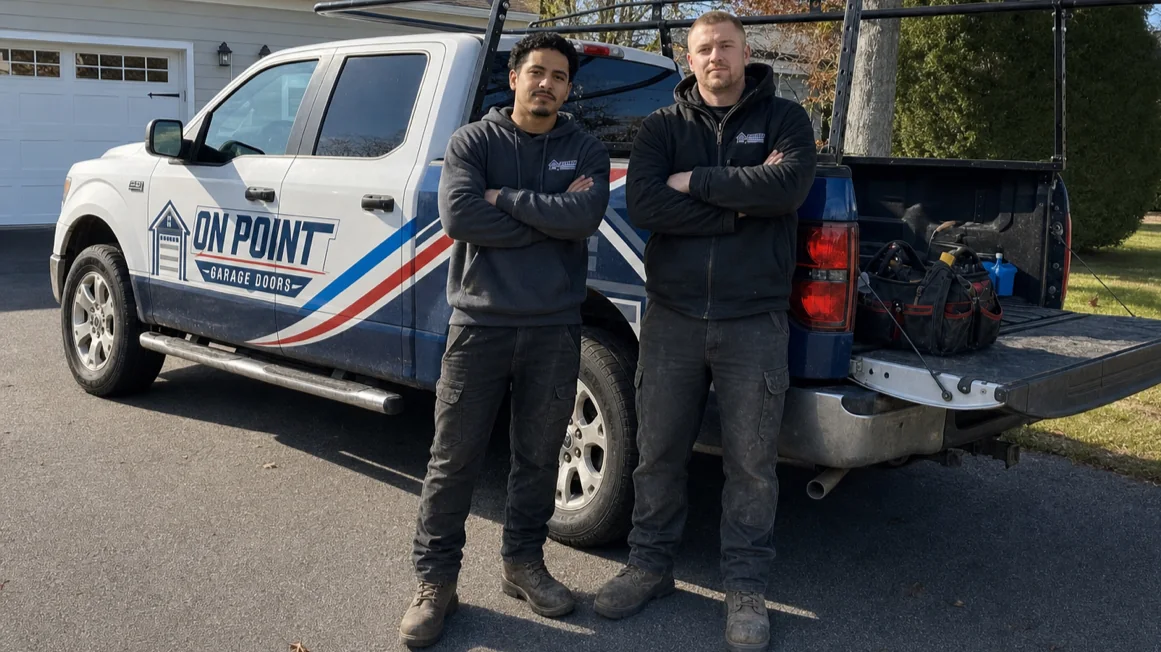
Our truck on a commercial call, from one of our jobs
Our truck on a commercial call
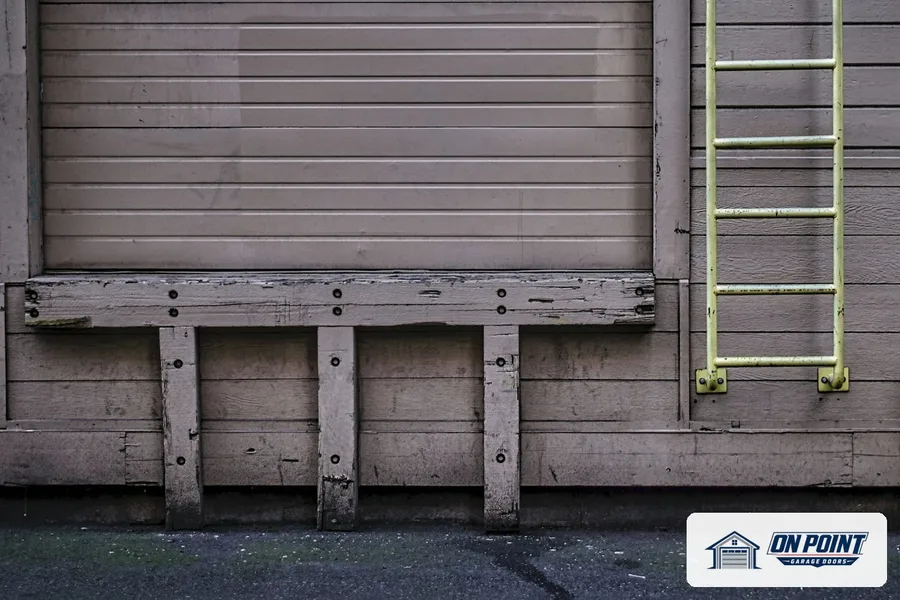
Tall roll-up door on a commercial bay, from one of our jobs
Tall roll-up door on a commercial bay
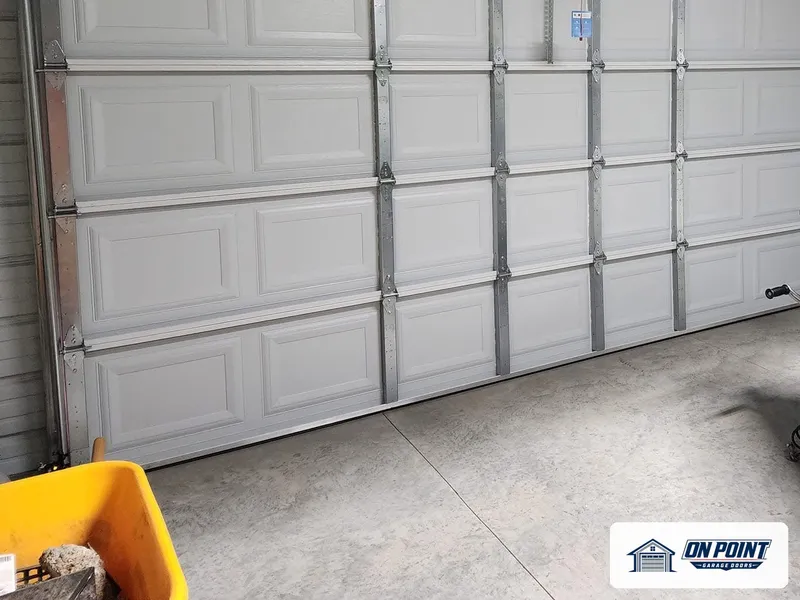
Steel door on a commercial building, from one of our jobs
Steel door on a commercial building

What makes a bay door different

An apparatus bay opening is sized for an engine or a ladder truck, so the door is taller and heavier than almost anything on a house or a shop. It also cycles far more than a typical commercial door, because every call, every drill and every wash day means the door goes up and down again. Springs, cables, rollers and the operator all carry that load. Parts that would last many years on a warehouse door can wear through much sooner on a busy station door, which is why we treat each bay as a high-use door from the first visit.

Sectional, rolling steel and other door types

Most stations we see run tall sectional doors with rows of windows, so the crew can see the apron and the street before pulling out. Some older buildings and many smaller stations use rolling steel doors that coil above the opening. A few historic houses still have swing or folding doors. Each type fails in its own way. Sectional doors wear rollers and hinges, rolling doors wear the barrel springs and the guides, and older door styles need careful parts matching. We work on all of them and tell you plainly which parts are wearing.

The operator has to start every time

On a bay door the operator matters as much as the door. We look at the motor, the brake, the clutch, the limit settings, the control board and the wiring, and we listen to how it starts under load. A heavy door that is out of balance makes the operator strain, and a straining operator is the one that fails on a cold night. Many stations tie the door to the alerting system or to a button in the cab, so we check that every control the crew uses actually reaches the operator.

Power failures and manual backup

Storms and outages do not stop calls. A station door needs a clear way to open when the power is out, whether that is a battery or generator feed, a hand chain or a manual hoist. We test that the backup really works, that the hand chain is within reach and not wrapped around a hook, and that the crew knows which bays have which backup. A manual hoist that has not been run in a long time can seize, so we include it in every planned visit.

Safety devices on a busy bay

Photo eyes and reversing edges keep the door from coming down on a member, a visitor or a rig. On a station they also get knocked by hoses, equipment and the apparatus itself. We check that the eyes are bolted firm, aimed true and shielded where they get bumped, and that the bottom edge reverses the door cleanly. A door that reverses on its own is often a sensor problem, and a door that will not reverse is a safety problem. Both get fixed before we leave.

When an apparatus hits the door

Backing in late at night, a door that did not finish opening, or a mirror that clipped a track: impacts happen at stations. A hit can bend sections, kink a guide, pull a track off the wall or throw the operator out of adjustment. We first make the door safe and working so the bay can be used, then write up what needs to change. Sections, struts, guides and track can usually be replaced without a whole new door, and we try to keep the look of the bay matching the rest of the house.

Weather, salt and wash bays

Station floors get wet every day from washing rigs, and winter brings road salt in on every tire. Water and salt sit at the bottom of the door, rust the bottom section and the brackets, and freeze the seal to the floor. We check the bottom of every door for rust and stiff seals, and we suggest galvanized or stainless parts where water stands. A frozen seal can make a door stall or reverse, so it is worth fixing before the cold sets in.

Drive-through bays and door pairs

Many stations have drive-through bays with a door at both ends. Both doors need to work, and a weak one is easy to miss because the crew can always use the other side. We look at both ends on every visit. Where a station has many bays, we keep a simple record of each door, its springs and its operator, so wear can be spotted early and parts can be ordered before a door goes down.

Planned service around the shifts

We set planned visits for times the station chooses, and we work one bay at a time so the rest stay ready. Each door is cycled, balanced and adjusted, the operator and controls are tested, and the safety devices are checked. You get a short written note for every door, which helps when the department or the district asks what was done and when. Stations that track their doors this way tend to have fewer surprise failures.

Replacing an old bay door

When a bay door is past saving, we measure the opening and talk through what the crew needs: the height and width the apparatus needs, windows for visibility, insulation for a heated bay, a strong operator, and how the door will look on the building. We give a written estimate, coordinate the timing with the station, and remove the old door when the new one goes in. The goal is a door the crew stops thinking about.

What a visit includes

Questions we get asked

Do you work on volunteer fire stations?

Yes. We service volunteer and career stations, and we plan visits around drills, meetings and the times the building is busy, so the bays are never all down together.

Can you work on one bay while the others stay in service?

Yes. We take one door at a time out of service, finish it, test it, and only then move to the next bay.

Our bay door reverses before it closes. What usually causes that?

Most often a photo eye that has been bumped out of line, a worn reversing edge or a seal frozen to the floor. Sometimes the door has drifted out of balance and the operator senses the strain.

Do you set up planned service for stations?

Yes. We set visits on a schedule the station chooses and leave a short written note for every door after each visit.

Is the estimate free?

Yes. We look at the doors, the operators and how the bays are used before recommending any work.

Booking takes a minute

Across Brooklyn, Queens and Long Island, tell us what the door is doing and we set a visit that fits your day.

Free estimate, call (929) 429-2429.

Bay door acting up? We will look at it

Tell us what the door is doing and we will give you an honest arrival time. The estimate is free.

Easier to explain by phone? Call (929) 429-2429.

Two minutes to a free estimate

Tell us what the door is doing. The estimate is free either way.

Or just call (929) 429-2429 and talk it through.

The other six things that go wrong