Takes 30 seconds. We call you back to set a time.
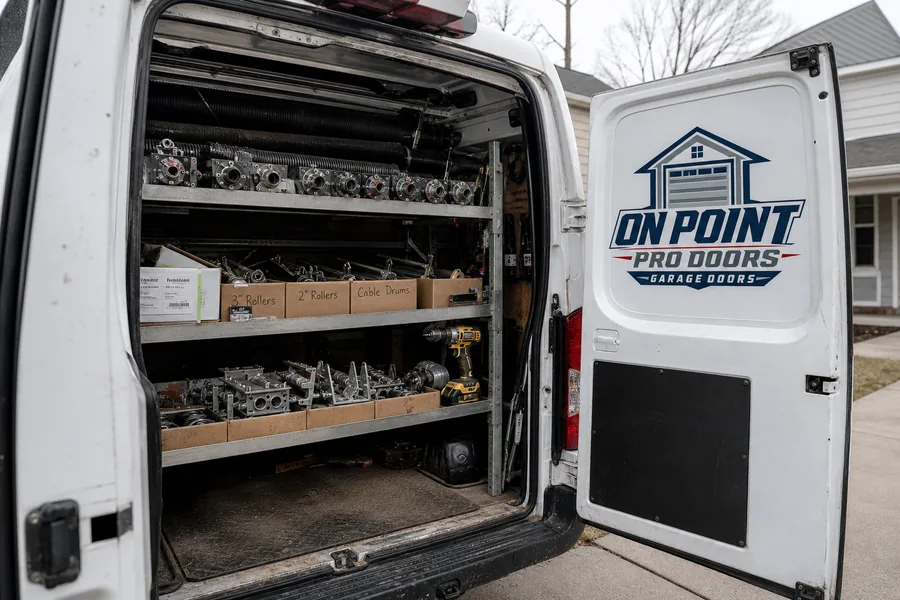
Every photo here is from our own work, with our logo on it.


What pairing a remote actually is, why it stops working, and the short visit that puts every remote, keypad and car back on the opener. Free estimate across New York.
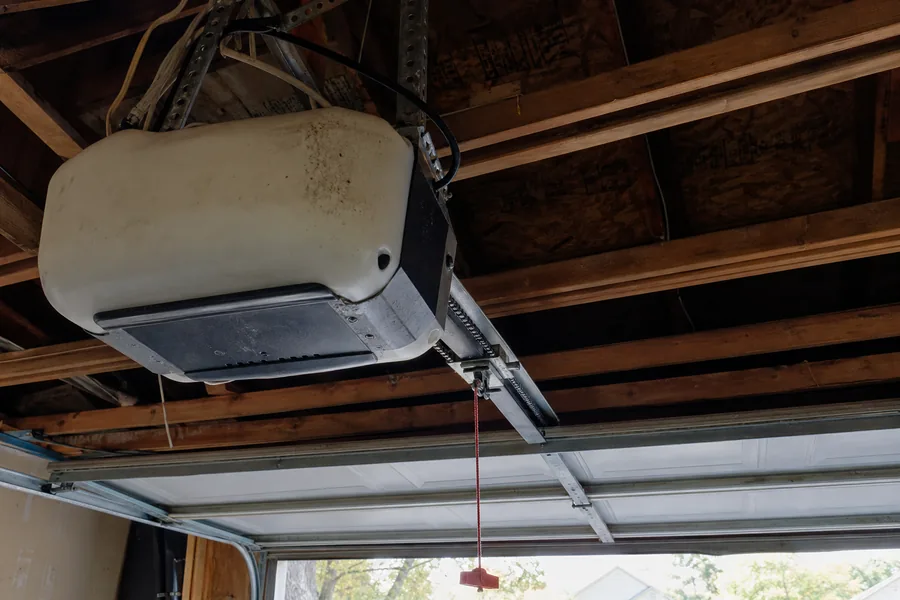
A garage door opener keeps a short list of the devices allowed to move the door: the remotes, the outdoor keypad, the buttons built into the car. Programming is adding a device to that list, and it only works when the device speaks the opener's generation of code. Every opener made in the last twenty-five years does it the same way in principle; the details change by brand and by year, which is where most of the trouble starts.
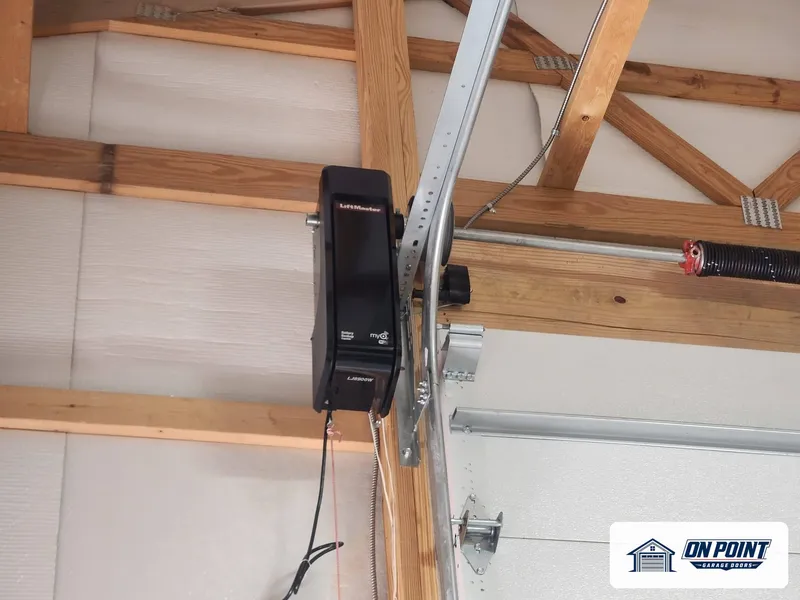
The color of the learn button on the motor unit is the generation. Yellow is the current Chamberlain and LiftMaster family; purple, red and orange are the earlier ones, and a remote for one will not pair with another. Genie uses a black or blue button and its own Intellicode system. Around New York the older purple-button units are still common in houses built before 2010, and they are the ones that reject a new remote from the store.

Which one it is decides what the visit looks like: a new remote, a setting, a cleared memory, a bulb, or a board. The technician works down the list in that order and carries the parts for each.


One short visit, every device, in this order.

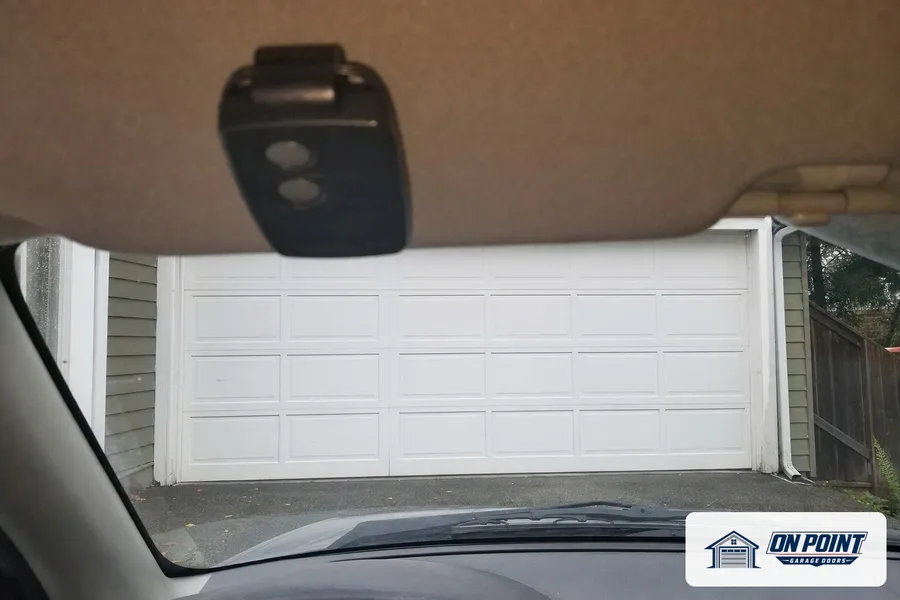
Most cars sold since the mid-2000s have three built-in garage buttons on the visor or mirror. They learn from a working remote and then, on any rolling-code opener, from the opener itself. It is a two-part job, and the second part is the one that gets missed, which is why so many cars have a button that lights up and does nothing.
Some makes, notably a number of European models, want the ignition on and take several attempts before they settle. That is normal and not a fault in the opener. We pair the car on the same visit as the remotes, and we test it from the driveway before leaving.
The opener in a house you have just bought still answers to every remote the last owner handed out and the keypad code they set. A lost remote, or a bag stolen from a car, is the same problem: something out there opens your garage. The fix is to clear the opener's memory and teach back only your devices, and it is worth doing the week you move in.
It is part of the same visit as any programming job across Kings County, and it is the part people forget until something goes missing.
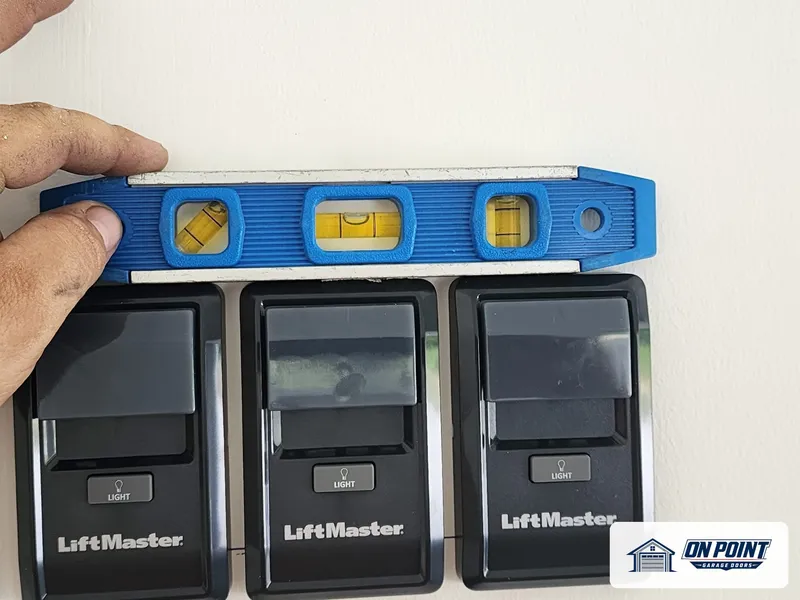
Chamberlain and LiftMaster. Remotes and keypads for every learn-button color from the purple generation onward, plus universal remotes that span the generations. The Wi-Fi units can also pair through the myQ app, and the technician sets that up when the house wants it.
Genie. Intellicode remotes and keypads, which pair by a different routine from the Chamberlain family and are the ones most often bought wrong.
Linear, Marantec and the rest. Same principle, different parts. A photo of the label on the motor housing is enough for the right remote to be on the truck before we set off.
Pairing a remote is quick when everything matches. It is the not matching that brings people to the phone: the wrong generation, a full memory, a lock setting, a bulb, a dead receiver. Each of those looks the same from the driveway, a remote that does nothing, and each needs a different part or a different setting. A technician settles it in one short visit wherever you are and Nassau County, with the remotes and keypads on the truck, and says plainly if the receiver is done rather than selling a new opener over the phone.
Free estimate. You hear what it is and what it takes before anything is done, and no is a complete answer.
You need the original remote to add a new one. No. The opener pairs any compatible remote; the old one is irrelevant.
Universal remotes don't work with rolling code. Current ones do, across all the common generations. It is the very old fixed-code openers they sometimes cannot reach, and those are worth replacing on security grounds anyway.
If the remote won't pair the opener is finished. Almost never. One of the six causes above is nearly always the answer, and a receiver board is a repair, not a replacement.
Yes, and it helps to have every remote and every car there, so all of them are paired and tested in one visit.
That's range, not pairing: a weak battery, an LED bulb interfering with the receiver, or a failing antenna. The technician checks all three.
On the Wi-Fi units, yes. We set the app up on the same visit if the house wants it, and the physical remotes still work alongside it.
The opener's lock mode is on. It is a setting on the wall control, and it is released during the visit along with anything else that has been switched by accident.
Free, across Kings County. If the opener needs a part, you hear what and why before anything is done.
Usually. Opener calls are short, and the schedule keeps room for them.
Around Brooklyn, Queens and Long Island, one call gets you a two-hour slot and a heads-up call before the technician sets off. Nobody on a phone judges a door they can't see.
Free estimate, across Brooklyn, Queens and Long Island.
Describe the fault and we'll give you an honest arrival time. The visit and the estimate is free, anywhere in Kings County.
Easier to explain by phone? Call (929) 429-2429.
Tell us what the door is doing. The estimate is free either way.