Serving Brooklyn, Queens and Long Island(929) 429-2429Open six days a weekFree estimateGuaranteed work
On Point Garage Doors
Open 24 hours Sun-Thu, Fri until 5 pm Free estimate Springs, openers, cables We come to you
Emergency?Call nowBook free estimate
New York, NY - open six days a week

Accessible garage doors

Free estimateSame-day serviceCommon parts on board
  • Free estimate
  • Same-day service
  • Common parts on board
Emergency garage door repair★★★★★ 5.0 on Google · 42 reviews

Book your free estimate

Takes 30 seconds. We call you back to set a time.

Or just call (929) 429-2429 and talk it through.

Home › Accessible Garage Doors

For someone who uses a wheelchair, a walker or a cane, has weak hands, low vision, or simply cannot lift anymore, the garage is often the easiest way in and out of the house. It is level, wide and close to the car. It is also only as dependable as a motor, a button and a set of springs. An accessible garage door is mostly an ordinary door set up with more thought: controls where they can be reached, power that survives an outage and nothing that needs lifting or bending. Free estimate at (929) 429-2429.

By Sean Cohen, owner, On Point Garage Doors · Updated

Real jobs. Real photos.

These photos are from our own jobs, with our logo on them.

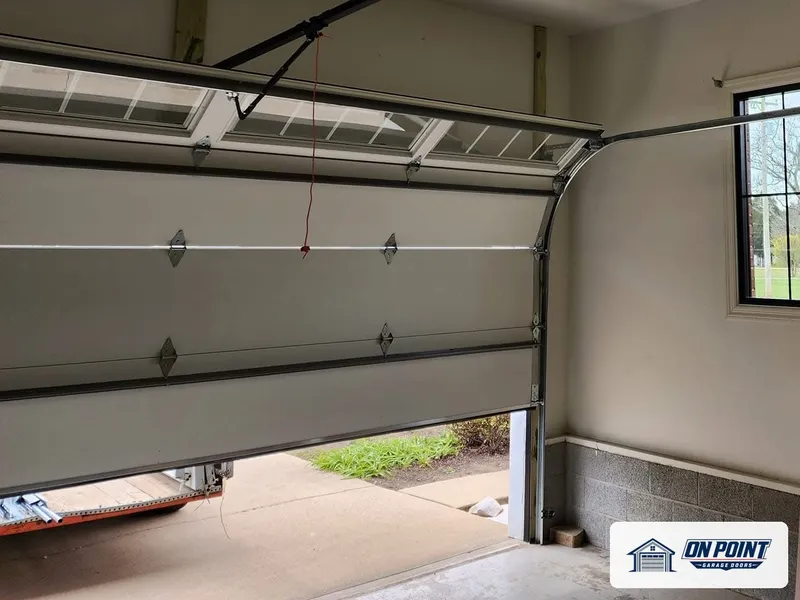
Windows along the top of a door, from one of our jobs
Windows along the top of a door
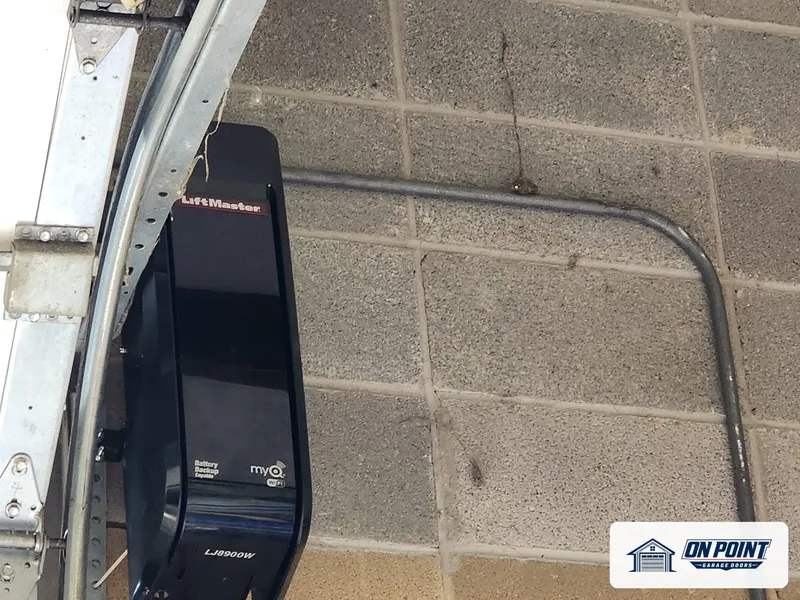
Wall-mounted opener, from one of our jobs
Wall-mounted opener
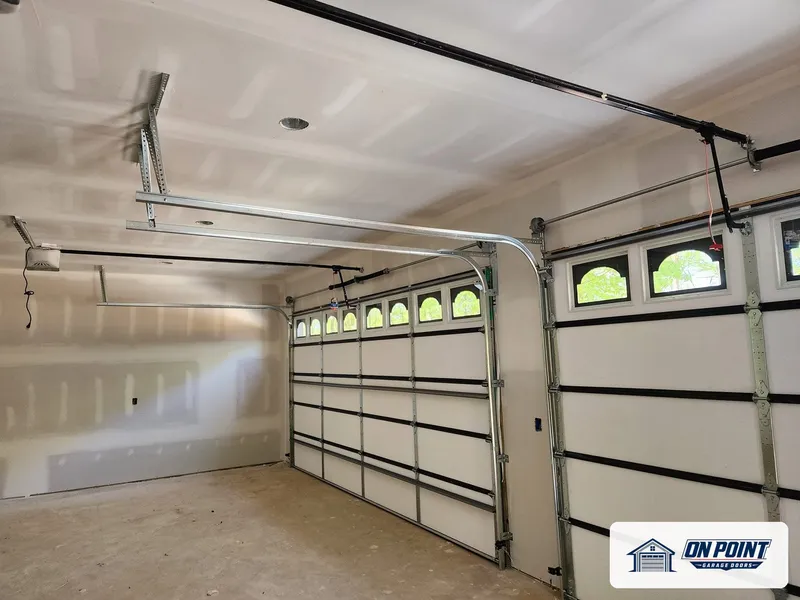
Daylight through a door with windows, from one of our jobs
Daylight through a door with windows

Start with who uses it

The right setup depends on the person more than on the door. A driver with hand controls needs the door to work from the car seat. A power chair user may need a switch at armrest height. Someone with arthritis may manage a big rocker switch and not a tiny remote. On the visit, we ask to see how the trip in and out really goes, from the kitchen door to the street, and plan around that.

Wall controls within reach

The standard spot for a wall button is high on the wall beside the house door, above the reach of small children and sometimes above the reach of a seated adult. A second control can go where the person actually passes, clear of the moving door and with a view of the whole opening. With children in the house, height becomes a balance between reach and safety, and a locking console or a different location can settle it.

Remotes that suit the hands

Tiny key ring remotes are hard to feel and harder to squeeze. There are visor remotes with larger buttons, the buttons built into many cars, and phone control on connected openers, which also works with the accessibility features of the phone. A remote can be mounted to a chair or kept on a lanyard. Where one button must do one job, we set up a single button and leave the others empty so there is nothing to get wrong.

Keypads without the stretch

An outside keypad lets aides, family and visiting nurses in without passing keys around. It can be mounted lower than usual and on the side the person approaches from, with room to pull a chair alongside and away from a step or planting bed. Lit keys help tired eyes. Codes can be changed when a helper leaves, and some openers allow a temporary code.

Battery backup is close to essential

The red release handle assumes a person who can stand, reach up and then lift a door. If that is not possible, a power cut turns the garage into a wall. An opener with battery backup keeps working for a limited number of trips during an outage. The battery ages, so it needs testing from time to time, and the opener will usually beep when it is wearing out.

A plan for when the opener fails

Backup power does not cover a broken spring or a dead motor. Every household that depends on this door should have another exit that the person can use and someone to call. A lower handle extension can help a seated person reach a release, but releasing a door with a broken spring can drop it, so we talk through when that handle should be left alone.

A floor that rolls

Small lips stop small wheels. A raised threshold, a torn seal bunched along the floor or a settled slab can catch a caster or a walker. A low-profile threshold or a plain bottom seal in good shape may keep water out without the bump. Where the floor itself has heaved, that is concrete work, and we will say so. A walk-in pass door is a poor fit for a wheelchair for the same reason, because its frame usually leaves a step at the bottom.

Room for the vehicle and the transfer

A raised roof or rear lift needs height, and a side ramp needs width beside the car. The open door, the tracks and a ceiling opener can all steal from that space. High-lift track or a wall-mounted opener can clear the overhead area, and a wider single door in place of two narrow ones gives room to line up. Measure with the lift or ramp deployed, not folded away.

Sensors, speed and moving slowly

Someone crossing slowly spends longer under the door. The photo eyes have to work, and their beam may pass beneath the footplates or between the wheels of a chair, so they should never be the only protection you count on. The force reversal is tested, and an automatic closing timer is either left off or set generously. Cross only when the door is fully open and still.

Seeing and hearing the door

Windows in the top section bring in daylight, and a brighter opener light that comes on with motion makes the floor easier to read. For a person who does not hear the motor, a view of the door from the control matters more. A phone alert can confirm that the door closed. A quiet, smooth door also startles less, which counts for people who are unsteady.

Keeping it dependable

When a person relies on one door, small warnings deserve early attention. A new noise, a slower start, a remote that needs a second try or a beep from the backup battery are all reasons to call before the failure. Springs and cables can be looked over on a planned visit so they are changed on a calm afternoon instead of after they break.

What the visit covers

We check balance, springs, cables, rollers, the safety reverse and the opener, then go through reach, controls, backup power and the floor with the person who uses the door. The written estimate lists each change separately, so you can choose the pieces that matter. Grab bars, ramps and electrical work belong to other trades, and we point those out instead of guessing.

Questions we get asked

What makes a garage door accessible?

An opener that does the lifting, controls within the user's reach, backup power for outages, a floor without a lip and safety devices that are tested.

Can a wall button be mounted lower for a wheelchair user?

Usually, yes, or a second control can be added. Where children live in the house, the location or a lockable control is chosen with their safety in mind.

What happens if the power goes out?

An opener with battery backup keeps working for a limited number of trips. Without one, the door has to be released and lifted by someone able to do it safely.

Is a pass door in the garage door good for a wheelchair?

Usually not. Most leave a raised bar at the bottom and a narrow opening. The big door or a separate level entrance works better.

Is the estimate free?

Yes. We look at the door with the person who uses it and write down the options before anything is changed.

Booking takes a minute

Across Brooklyn, Queens and Long Island, tell us what the door is doing and we set a visit that fits your day.

Free estimate, call (929) 429-2429.

Need a door that works for everyone at home? Tell us who uses it

Tell us what the door is doing and we will give you an honest arrival time. The estimate is free.

Easier to explain by phone? Call (929) 429-2429.

Two minutes to a free estimate

Tell us what the door is doing. The estimate is free either way.

Or just call (929) 429-2429 and talk it through.

The other six things that go wrong