Serving Brooklyn, Queens and Long Island(929) 429-2429Open six days a weekFree estimateGuaranteed work
On Point Garage Doors
Open 24 hours Sun-Thu, Fri until 5 pm Free estimate Springs, openers, cables We come to you
Emergency?Call nowBook free estimate
New York, NY - open six days a week

Garage door threshold seal: the strip on the floor

Free estimateSame-day serviceCommon parts on board
  • Free estimate
  • Same-day service
  • Common parts on board
Emergency garage door repair★★★★★ 5.0 on Google · 42 reviews

Book your free estimate

Takes 30 seconds. We call you back to set a time.

Or just call (929) 429-2429 and talk it through.

Home › Garage Door Threshold Seal

A garage door threshold seal is a raised strip mounted on the garage floor, right where the door closes. The door's bottom seal comes down just inside it, and the strip forms a low dam across the opening. Rain running down the driveway, leaves blown against the door and cold drafts all have a harder time getting past. It is a different part from the rubber seal on the bottom of the door, and the two work best together. Owners usually look for one after a storm leaves a puddle inside, or when the garage floor slopes toward the house. Free estimate at (929) 429-2429.

By Sean Cohen, owner, On Point Garage Doors · Updated

Real jobs. Real photos.

These photos are from our own jobs, with our logo on them.

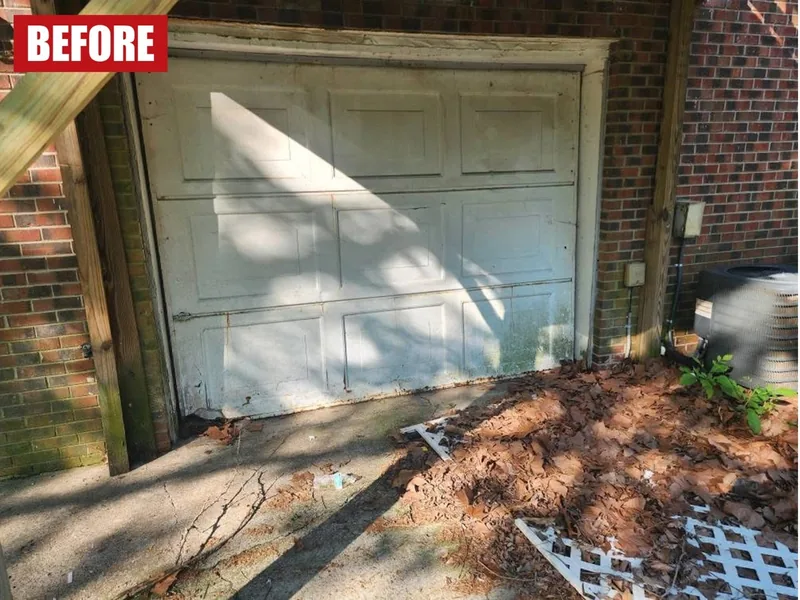
Old worn garage door before On Point Garage Doors replaced it
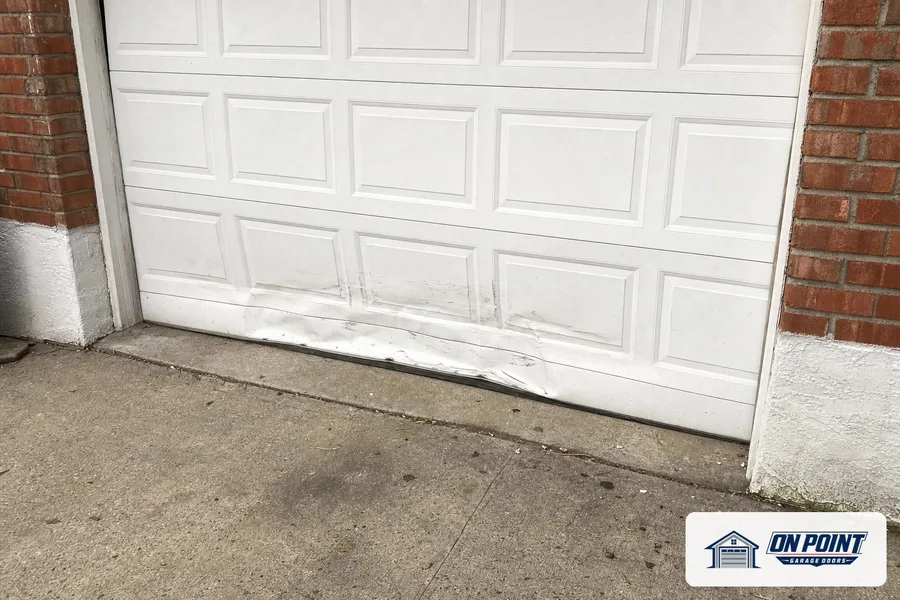
Bottom of a garage door near the floor
Bottom section of a garage door, from one of our jobs
Bottom section of a garage door
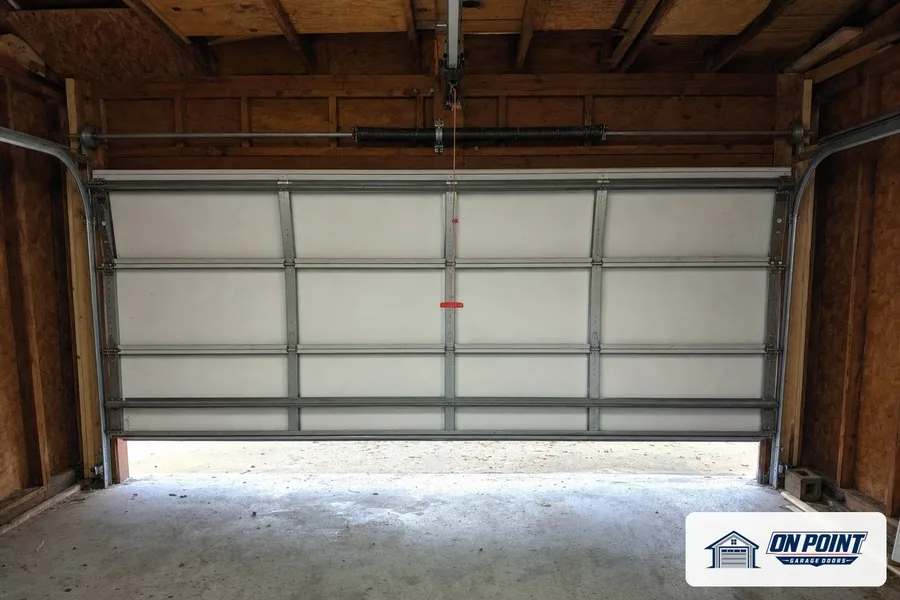
Closed garage door from inside, from one of our jobs
Closed garage door from inside

Bottom seal and threshold: two different parts

The bottom seal is the rubber or vinyl strip held in a retainer along the bottom edge of the door. It moves with the door. The threshold seal stays on the floor. The bottom seal fills small dips and gaps where the door meets the ground, and the threshold adds a raised lip that water has to climb over. When the bottom seal alone is not enough, a threshold is often the next step.

When a threshold helps

How it is installed

The strip is glued to the slab with an adhesive made for concrete, set just outside where the closed door lands. Placement matters: too far in and the door comes down on top of it, too far out and the gap between the two lets water through. The slab has to be dry and in sound shape for the bond to hold.

Threshold seals and the opener

Once the threshold is down, the door's bottom edge meets the floor in a slightly different place. If the opener's close limit and force are not checked afterward, the door can press down hard or reverse as soon as it touches the strip. Setting the opener after the threshold goes in keeps the door closing gently and fully.

Driving and walking over it

Threshold strips are low and rounded so cars roll over them without a bump. They are made of tough rubber or vinyl that springs back after a tire crosses. Still, a strip in a doorway can catch a toe, a bike tire or the wheels of a cart, so the profile should suit how you use the garage.

Winter and snow

Snow shovels and plows are the main thing that tears up threshold seals. A strip that is lifted at one corner lets water in under it and soon peels away. Clearing snow with care near the door and keeping an eye on the ends of the strip helps it last through the winter.

When a threshold is not the answer

If water comes in because the whole driveway drains to the garage, or because the slab has sunk well below the driveway, a threshold may not hold it back. That is a grading or drainage problem, and a contractor who handles concrete and drainage is the right person to see. We will tell you honestly if a seal will not solve it.

Gaps from the door itself

Sometimes the floor is fine and the door is the problem. A door that sits crooked, a bent bottom section or a worn bottom retainer can leave a gap on one side. Fixing the door first, then adding a threshold if needed, gives the best seal.

Threshold seals for commercial bays

Shops and warehouses with roll-up or sectional doors face the same problems on a bigger scale. A heavier threshold at a loading bay can help with water and drafts, but the bay also sees forklifts and hand trucks, so the profile has to be chosen with that traffic in mind.

Mice and small pests

Mice get in through surprisingly small openings. A good bottom seal over a threshold strip leaves them very little room at the floor. If you are seeing droppings near the door, look at the corners too, where the side seals meet the floor.

What a visit includes

The technician looks at the floor, the slope of the driveway, the door's bottom seal and how the door sits when closed, and explains whether a threshold, a new bottom seal, a door repair or a mix of these will work. You get a free estimate before any work starts.

Questions we get asked

What is a garage door threshold seal?

A raised rubber or vinyl strip on the floor that the door closes against, forming a low dam across the opening.

Is a threshold seal the same as a bottom seal?

No. The bottom seal is on the door and moves with it. The threshold stays on the floor.

Will a threshold seal stop all water?

It stops rain running toward the door in most cases. If the whole driveway drains into the garage, drainage work may be needed.

Can I drive over a garage threshold seal?

Yes. They are low and rounded so cars roll over them.

Is the estimate free?

Yes. We look at the floor and the door before any work starts.

Booking takes a minute

Across Brooklyn, Queens and Long Island, tell us what the door is doing and we set a visit that fits your day.

Free estimate, call (929) 429-2429.

Water or leaves getting under the door? We will look

Tell us what the door is doing and we will give you an honest arrival time. The estimate is free.

Easier to explain by phone? Call (929) 429-2429.

Two minutes to a free estimate

Tell us what the door is doing. The estimate is free either way.

Or just call (929) 429-2429 and talk it through.

The other six things that go wrong