Serving Brooklyn, Queens and Long Island(929) 429-2429Open six days a weekFree estimateGuaranteed work
On Point Garage Doors
Open 24 hours Sun-Thu, Fri until 5 pm Free estimate Springs, openers, cables We come to you
Emergency?Call nowBook free estimate
New York, NY - open six days a week

Self-storage unit doors

Free estimateSame-day serviceCommon parts on board
  • Free estimate
  • Same-day service
  • Common parts on board
Emergency garage door repair★★★★★ 5.0 on Google · 42 reviews

Book your free estimate

Takes 30 seconds. We call you back to set a time.

Or just call (929) 429-2429 and talk it through.

Home › Self-Storage Doors

A self-storage facility can have hundreds of small roll-up doors, and every one of them is opened by a different tenant with a different idea of how hard to pull. Some units open every day, others sit shut for a year and then get forced open. Add drive-up units that face the weather, hallway units inside a heated building, and a few big doors at the loading area, and a facility manager has a long list of doors that all need to work. This page explains how storage unit doors are built, what goes wrong with them and how we help facilities keep the whole row working. Free estimate at (929) 429-2429.

By Sean Cohen, owner, On Point Garage Doors · Updated

Real jobs. Real photos.

These photos are from our own jobs, with our logo on them.

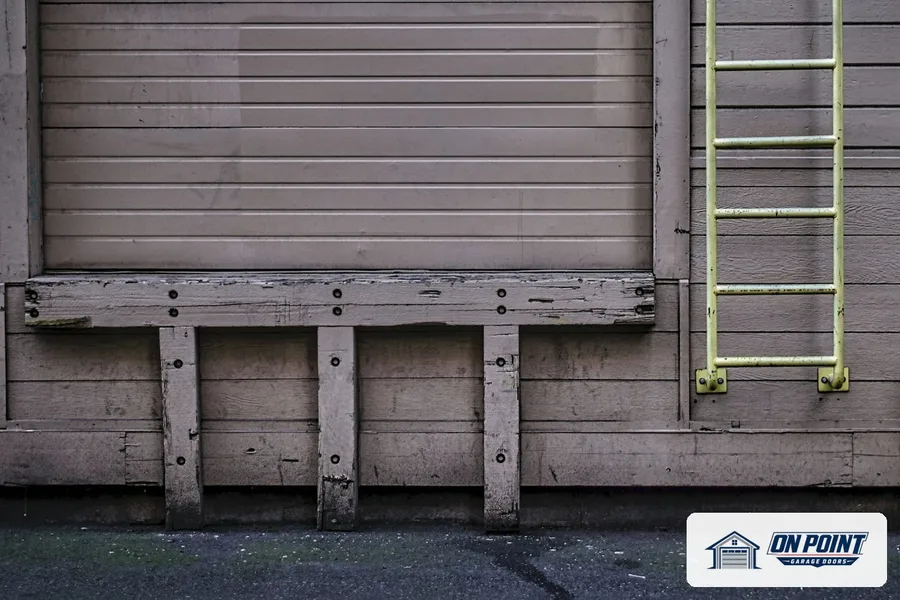
Roll-up door at a commercial building, from one of our jobs
Roll-up door at a commercial building
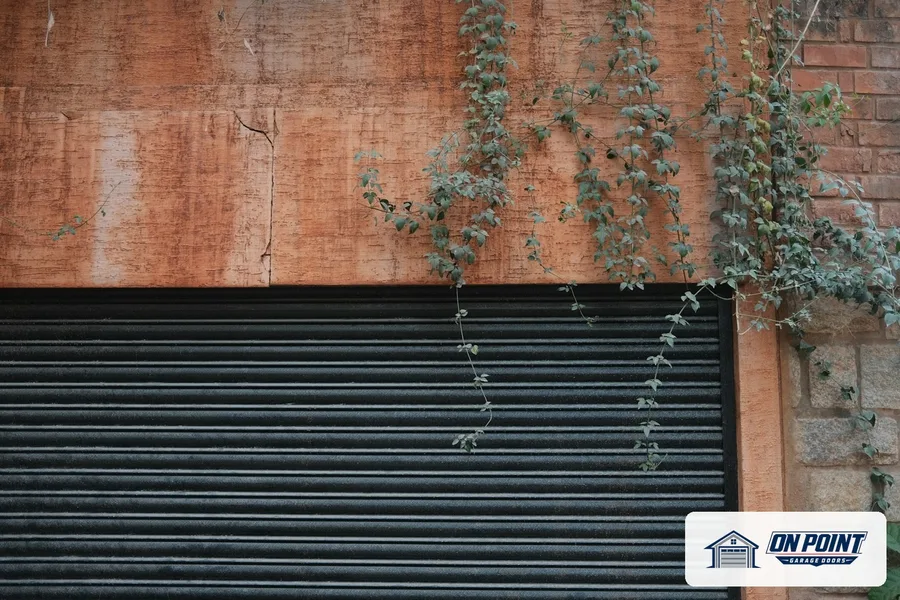
Rolling gate on a brick wall, from one of our jobs
Rolling gate on a brick wall
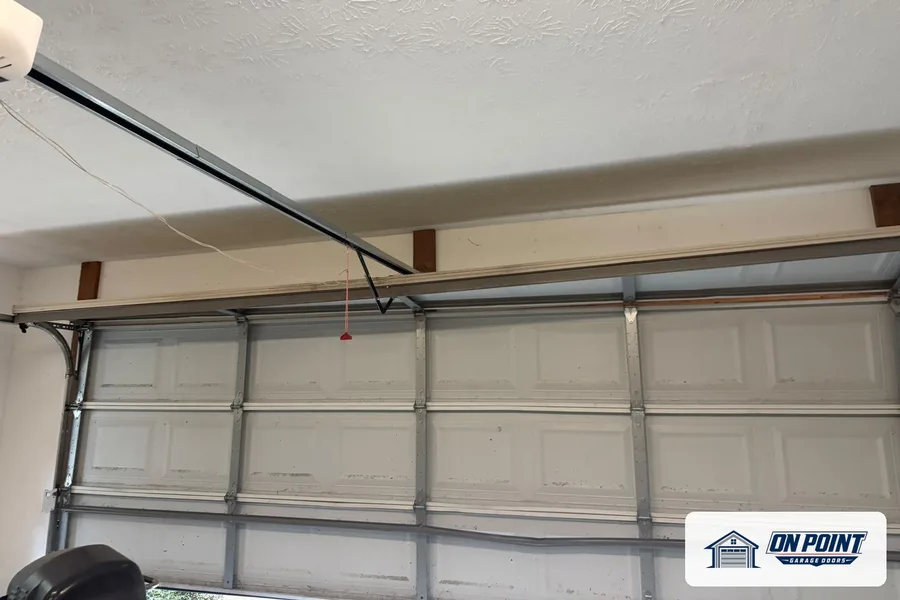
Track on the inside of a door, from one of our jobs
Track on the inside of a door

How a storage unit door works

Most unit doors are light roll-up doors made of a single sheet of corrugated steel that coils around a drum above the opening. A spring inside the drum balances the weight, so a tenant can lift the door by the handle. The edges ride in two side guides, and a latch at the bottom locks to the frame with the tenant's padlock. The design is simple and tough, but every part of it can wear out.

Why unit doors stick

Latches and lock hardware

The latch takes a beating, because tenants slam it, pry it and sometimes cut padlocks off it. A bent latch arm or a loose keeper means the unit cannot be locked, and that is a security problem for the whole facility. We replace latches, keepers and the hasps that hold the padlock, and we can fit cylinder locks or overlock hardware where the facility uses them.

Drive-up units outside

Units that open straight onto the lot face rain, snow, salt from the plow and the bumpers of cars and trucks backing up to load. Their guides get bent, their bottom bars fill with ice and their curtains rust along the bottom. We check the bottom seal and the bar, straighten or replace guides, and point out where a curb, a bollard or a guard would keep vehicles off the door.

Hallway units inside the building

Inside a climate-controlled building the weather is no longer the problem, but traffic is. Carts, dollies and moving crews knock the guides, and the doors in the busiest hallways open many times a day. Indoors, the most common calls are a heavy door, a door that will not stay up, and a curtain that has jumped out of a bent guide.

Doors that sit closed for months

A unit that is rented for a long time can stay shut through a whole season. When the tenant finally comes back, the door may be stuck to its seal, the spring may have lost tension, or rust may have formed in the drum. Those doors tend to be forced, and forcing a stuck roll-up door is how curtains get creased. A short check of the vacant and long-term units on a schedule catches most of this.

Turnover and the vacant unit

When a tenant moves out, the door gets the attention it missed while the unit was rented. Before the unit goes back on the market, it helps to have the door checked so the next tenant does not start with a door that sticks or a latch that will not close. We can work through a list of vacant units on one visit.

Big doors at the loading area

Many facilities also have one or two larger doors at a loading bay or a drive-through hall where tenants unload under cover. Those are often rolling steel doors or sectional doors with operators, and they carry far more traffic than any single unit. Our page on rolling steel door repair covers those doors in more depth.

Gates and the property line

Most storage sites also have an automatic gate with a keypad at the entrance. When the gate fails, no tenant can get in. We service gate operators and keypads as well as doors, so the same company can look after the entrance and the units behind it.

Working through a facility

On a service visit we walk the rows with the manager's list, mark each door that needs work and fix what we can on the spot. Doors that need parts are written up by unit number, so the manager knows exactly which units are ready to rent and which are waiting. Many facilities prefer a planned visit a few times a year over calling for one door at a time.

What a visit includes

The technician checks the spring tension, the guides, the curtain, the stops, the bottom bar and the latch on each door on the list. Small adjustments are made right then. Anything that needs a new spring, a new curtain or a new latch goes on a written estimate by unit number, and nothing larger is started without your approval.

Questions we get asked

Why is a storage unit door so hard to lift?

Usually the spring inside the drum has lost tension, so the tenant is lifting more of the curtain weight than they should. The spring can be adjusted or replaced so the door lifts easily again.

Why does a unit door shoot up when the latch is opened?

The spring has too much tension or the stops at the top are missing. Both are fixed by setting the tension correctly and replacing the stops so the door stops where it should.

Can you fix a door that came out of its guides?

Yes. A curtain that jumped a bent guide can usually be put back once the guide is straightened or replaced. A creased curtain may need replacing so it does not catch again.

Do you work through a whole list of units on one visit?

Yes. We go through the facility's list, fix what we can on the spot and write up the rest by unit number so the manager can plan.

Is the estimate free?

Yes. We walk the units with you and look at each door before writing anything up.

Booking takes a minute

Across Brooklyn, Queens and Long Island, tell us what the door is doing and we set a visit that fits your day.

Free estimate, call (929) 429-2429.

Storage doors sticking? Tell us about the facility

Tell us what the door is doing and we will give you an honest arrival time. The estimate is free.

Easier to explain by phone? Call (929) 429-2429.

Two minutes to a free estimate

Tell us what the door is doing. The estimate is free either way.

Or just call (929) 429-2429 and talk it through.

The other six things that go wrong