Takes 30 seconds. We call you back to set a time.
Winter gets the blame for most garage door breakdowns, but summer has its own list. Strong sun can blind the safety sensors so the door will not close, humidity swells wood doors until they drag, heat dries out rubber seals and fades finishes, and a garage that bakes all afternoon is hard on the opener's electronics. Most of these are simple to fix once you know what is going on. Free estimate at (929) 429-2429.
By Sean Cohen, owner, On Point Garage Doors · Updated
These photos are from our own jobs, with our logo on them.


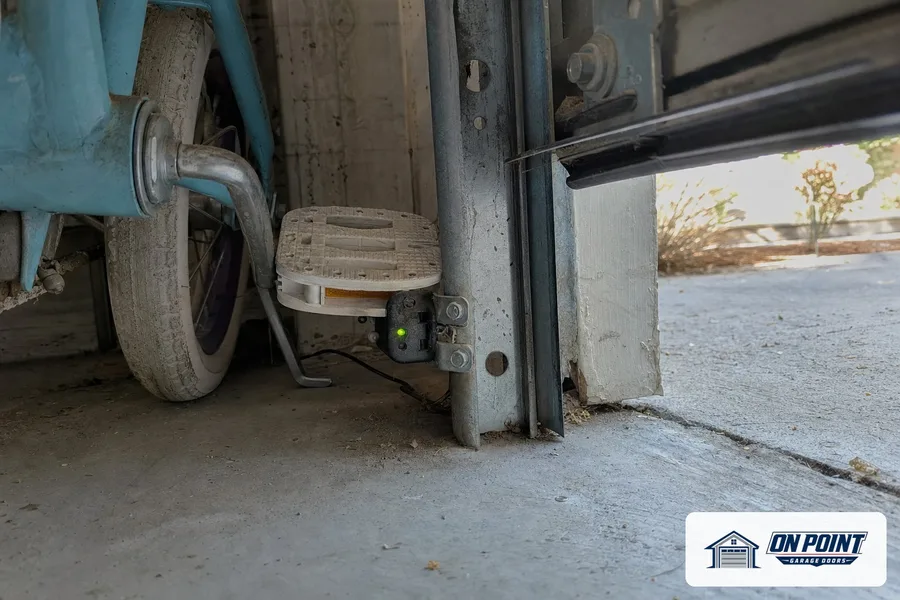
The safety sensors near the floor send an invisible beam across the opening. When low morning or evening sun shines straight into the receiving sensor, it can drown out the beam, and the opener refuses to close the door or reverses it. The tell-tale sign is a door that will not close at the same time every sunny day.
The fix is to swap the sensors to the other sides, change their angle, or fit sun shields so direct light never reaches the receiver.
Wood soaks up moisture in humid weather and swells. A wood door that ran fine in the spring starts to rub the jambs, drag on the stops and stick in its frame. The extra weight also loads the springs and the opener. Adjusting the stops and tracks helps; on doors that swell every year, a lighter insulated or composite door ends the problem.
Sun bakes the rubber bottom seal and the side and top weather stripping. Old seals harden, crack and shrink, leaving gaps that let in hot air, bugs, leaves and summer storms. New seals of the right type close the gaps and keep the garage cooler.
Doors that face south or west take the most sun, and dark colors absorb the most heat. Finishes fade and, on painted doors, peel. A quality factory finish lasts far longer than paint applied in the driveway. When a door is badly faded, replacing it may make more sense than repainting.
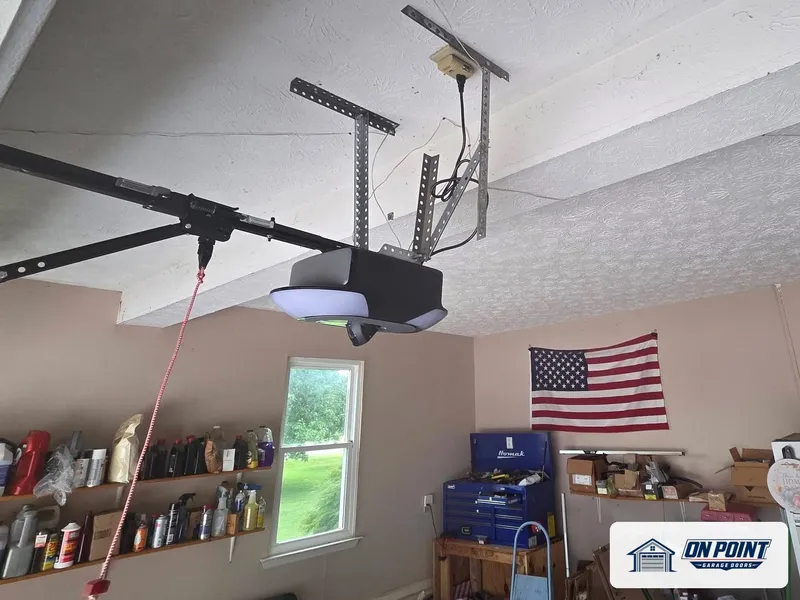
A garage can get very hot in summer, especially with the car parked inside after a drive. Openers working against a heavy or unbalanced door in that heat can overheat and stop for a while. A balanced door with sealed rollers keeps the motor working lightly. Openers with failing boards often show their first faults in the heat.
Summer means more trips: bikes, beach gear, grills, kids in and out all day. More cycles mean springs and rollers wear faster. A door that is used much more in summer is often the one whose spring breaks the following winter.
Thunderstorms bring wind, heavy rain and power outages. A tight bottom seal keeps rain out, a reinforced door stands up to gusts, and an opener with battery backup works when the power goes out.
Many owners use the garage as a gym or workshop in summer and leave the door open for air. An insulated door keeps the space cooler when it is closed, and a full-view or window door lets in light without opening it.
The technician checks the sensors and their exposure to sun, the seals, the door's balance, the springs and rollers and the opener, fixes what is causing the problem, and tests the safety reverse. You get a free estimate before any work starts.
Mid-summer is a good time for a tune-up: the door is used heavily, and fixing worn parts now means the door goes into winter in good shape instead of breaking on the first cold morning.
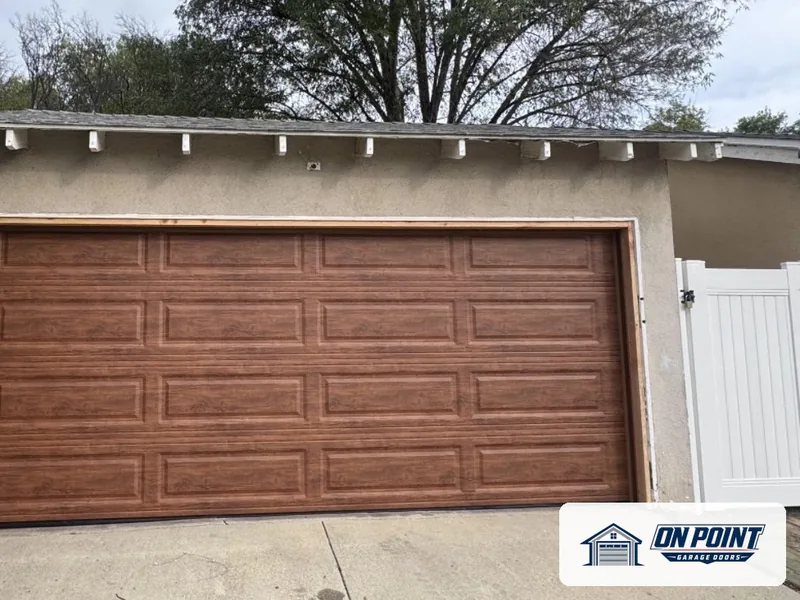
Black, charcoal and dark wood-tone doors look striking but absorb far more sun than light colors. On a west-facing garage, a dark uninsulated door can make the garage noticeably hotter. An insulated door, or a lighter color on the sunniest faces, keeps the space more comfortable.
Gaps under and beside the door let in insects, leaves and small animals looking for shade. New seals around the whole door keep them out, which matters even more when the garage holds food, a second fridge or a workshop.
Summer storms knock out power, and a battery backup lets the door open and close until it returns. Old batteries fade faster in a hot garage and are worth checking each year.
Sunlight shining into the safety sensor can blind it. Moving the sensors or fitting sun shields fixes it.
Humidity makes wood swell, so the door rubs the jambs and stops.
Yes. An opener working against a heavy door in a hot garage can overheat.
Yes. Sun hardens and cracks rubber seals, leaving gaps.
Yes. You see what is wrong and the fix before any work starts.
Across Brooklyn, Queens and Long Island, tell us what the door is doing and we set a visit that fits your day.
Free estimate, call (929) 429-2429.
Tell us what the door is doing and we will give you an honest arrival time. The estimate is free.
Easier to explain by phone? Call (929) 429-2429.
Tell us what the door is doing. The estimate is free either way.