Serving Brooklyn, Queens and Long Island(929) 429-2429Open six days a weekFree estimateGuaranteed work
On Point Garage Doors
Open 24 hours Sun-Thu, Fri until 5 pm Free estimate Springs, openers, cables We come to you
Emergency?Call nowBook free estimate
New York, NY - open six days a week

Rusted garage door tracks

Free estimateSame-day serviceCommon parts on board
  • Free estimate
  • Same-day service
  • Common parts on board
Emergency garage door repair★★★★★ 5.0 on Google · 42 reviews

Book your free estimate

Takes 30 seconds. We call you back to set a time.

Or just call (929) 429-2429 and talk it through.

Home › Rusted Garage Door Tracks

The two vertical tracks beside a garage door start right at the floor, where rain blows in, snow melts off the car and road salt collects. That is why tracks rust from the bottom up. A little surface rust is cosmetic, but rust that eats into the steel thins the track, catches the rollers and can let the bottom of the door pop out of the track. Free estimate at (929) 429-2429.

By Sean Cohen, owner, On Point Garage Doors · Updated

Real jobs. Real photos.

These photos are from our own jobs, with our logo on them.

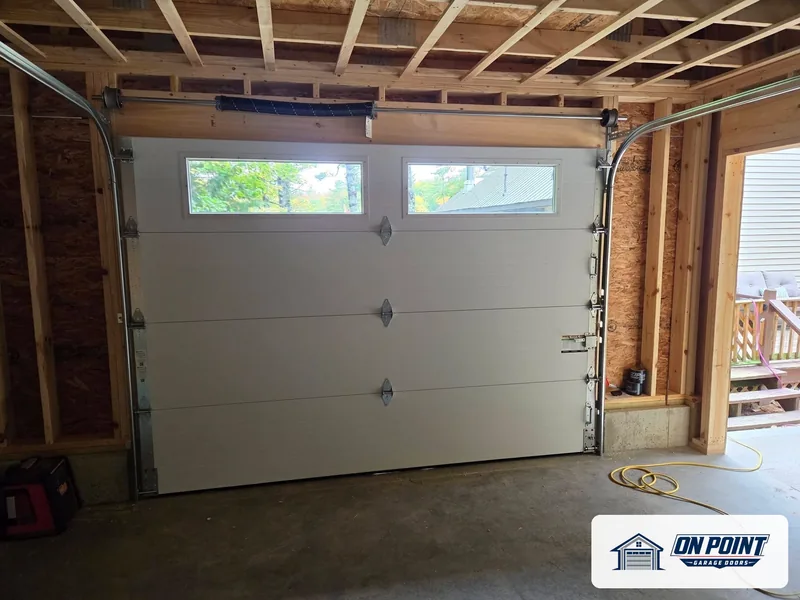
Garage door tracks and rollers seen from inside the garage, an On Point Garage Doors job
Roller in the track
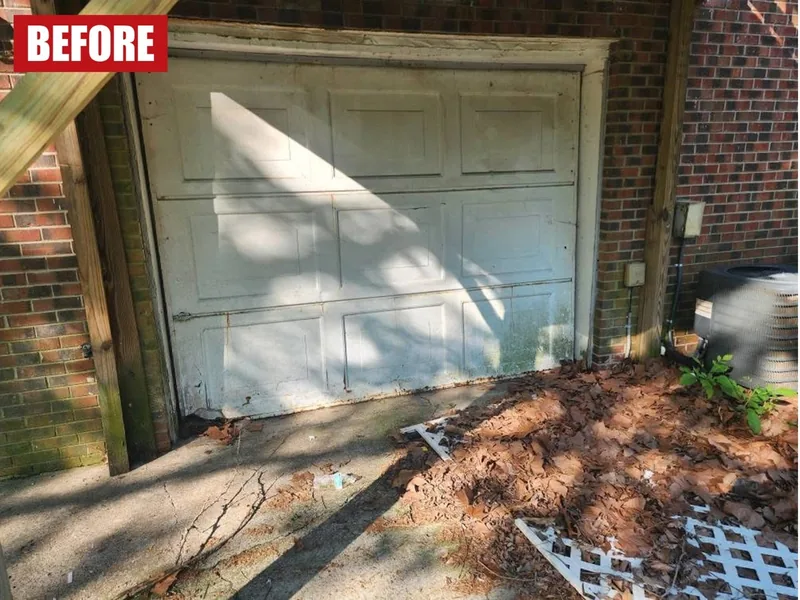
Old worn garage door before On Point Garage Doors replaced it
Rust at the bottom of a door
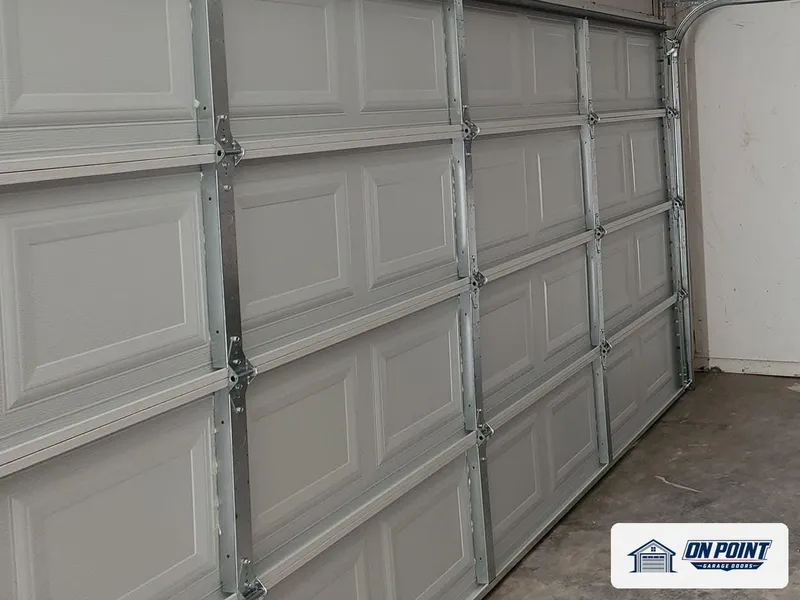
New tracks inside, from one of our jobs
New tracks inside

Why the bottom rusts first

  1. Standing waterWater pools at the base of the tracks and along the floor seal.
  2. Road saltSlush and salt drip off the car and sit against the steel.
  3. Damp floorsGarages with poor drainage keep the bottom of the tracks wet.
  4. Salt airNear the water, the whole track rusts faster, the bottom most.
  5. Old tracksOlder tracks may have little or no protective coating left.

What rust does to the door

Rough, flaking steel catches the rollers so the door sticks or jerks at the bottom of its travel. Thin, weakened steel can bend, letting a roller slip out. The track brackets at the bottom rust too and can pull away from the wall or floor. On many doors, the bottom brackets and cables are rusting at the same spot.

Replacing a section or the whole track

Often only the bottom part of the track is badly rusted. The worn section can be cut out and replaced, or the full vertical track replaced if the rust runs higher. Both tracks are checked, because they usually rust together.

Rollers in rusted tracks

Steel rollers with open bearings rust and seize in damp tracks, and a seized roller slides instead of turning, grinding a groove in the track. Sealed nylon rollers resist moisture and run more smoothly in older tracks.

The track brackets

The brackets that hold the tracks to the wall and the floor rust at the bottom too. A loose bottom bracket lets the track move away from the door, and rollers can jump out. Brackets are replaced and fastened into solid material.

Rust at the bottom of the door

Rusted tracks usually come with a rusted bottom section, rusted cables and rusted bottom brackets. Those carry the springs' force and are checked at the same time. A tight bottom seal stops water pooling at the corners and slows all of it.

Slowing rust down

Garages near the water

On homes by the bay, the ocean and the canals, salt air works on every steel part. Galvanized tracks, stainless fasteners and sealed rollers last much longer there.

When a new door makes sense

If the tracks, the bottom section, the cables and the brackets are all badly rusted, a new door with new tracks and hardware can be the better investment than replacing each part. You get a free estimate on both.

What a visit includes

The technician inspects both tracks, the brackets, rollers, bottom section, cables and bottom brackets, replaces rusted sections, sets the tracks straight and parallel, balances the door and tests the safety reverse. You get a free estimate before any work starts.

Horizontal tracks and the ceiling

The horizontal tracks under the ceiling usually stay dry, but in garages with roof leaks or condensation, they can rust too. Water dripping from the ceiling onto the track leaves rough spots where rollers catch. The leak is the first thing to fix.

Tracks on commercial doors

Loading doors and service doors have heavier tracks and guides, but they face more water, salt and truck traffic. Bent and rusted sections are replaced so the door runs smoothly and seals at the bottom.

New tracks with a new door

Every new door comes with new tracks, set straight and parallel and fastened into solid framing. On doors near the water, galvanized tracks and stainless fasteners are used.

Rust at the curve

The curved section where the vertical track turns toward the ceiling rarely rusts badly, but water dripping from a car roof rack or a leaking gutter above the door can reach it. Rust there makes the door hesitate at the turn and is replaced like the bottom section.

Tracks after a flood

Garages that took on water during a storm should have their tracks, brackets, rollers and the bottom of the door checked once the water is gone. Salt water in particular leaves the steel rusting quickly in the weeks that follow.

Rust and the safety sensors

The photo eyes are mounted on the same lower track that rusts first. A rusted bracket lets a sensor droop out of line, and the door stops closing. New brackets keep them aimed.

Questions we get asked

Why are my garage door tracks rusting at the bottom?

Water, salt and slush collect at the floor where the tracks start.

Can a rusted section of track be replaced?

Yes. Often only the bottom section needs replacing.

Can rusted tracks make the door come off track?

Yes. Thin, rough steel can catch or release the rollers.

How can I slow down track rust?

Rinse off salt, keep the bottom seal tight, fix drainage and use rust-resistant parts near the water.

Is the estimate free?

Yes. You see what is rusted and the fix before any work starts.

Booking takes a minute

Across Brooklyn, Queens and Long Island, tell us what the door is doing and we set a visit that fits your day.

Free estimate, call (929) 429-2429.

Not sure what is wrong? We will come and look

Tell us what the door is doing and we will give you an honest arrival time. The estimate is free.

Easier to explain by phone? Call (929) 429-2429.

Two minutes to a free estimate

Tell us what the door is doing. The estimate is free either way.

Or just call (929) 429-2429 and talk it through.

The other six things that go wrong