Serving Brooklyn, Queens and Long Island(929) 429-2429Open six days a weekFree estimateGuaranteed work
On Point Garage Doors
Open 24 hours Sun-Thu, Fri until 5 pm Free estimate Springs, openers, cables We come to you
Emergency?Call nowBook free estimate
New York, NY - open six days a week

Garage door trim and stop molding

Free estimateSame-day serviceCommon parts on board
  • Free estimate
  • Same-day service
  • Common parts on board
Emergency garage door repair★★★★★ 5.0 on Google · 42 reviews

Book your free estimate

Takes 30 seconds. We call you back to set a time.

Or just call (929) 429-2429 and talk it through.

Home › Garage Door Trim and Molding

Around the outside of every garage door opening is a frame of trim, and attached to it is the stop molding with a flexible seal that presses against the door. Most people never look at it until it rots, splits or pulls away. When it does, wind, rain, snow and pests come in around the door, and water starts working on the wood jambs behind it. Free estimate at (929) 429-2429.

By Sean Cohen, owner, On Point Garage Doors · Updated

Real jobs. Real photos.

These photos are from our own jobs, with our logo on them.

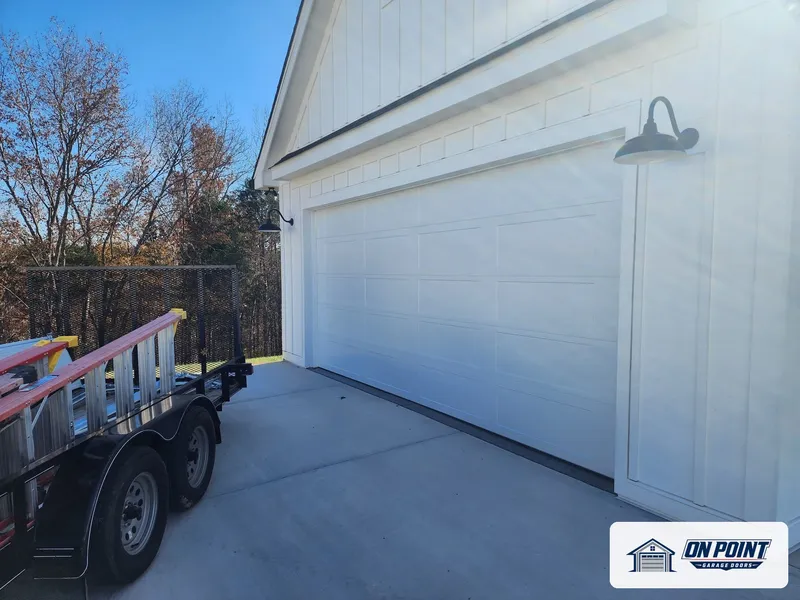
New door with fresh trim, from one of our jobs
New door with fresh trim
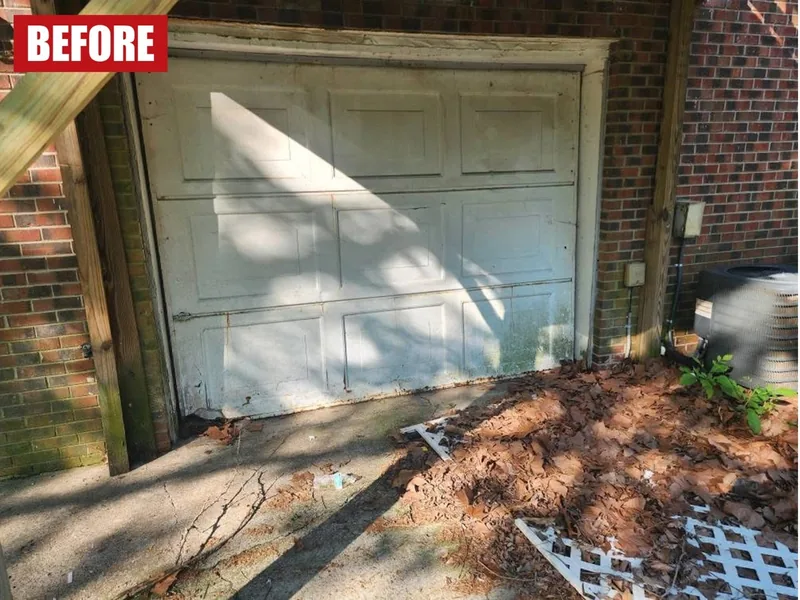
Old worn garage door before On Point Garage Doors replaced it
Water damage at the bottom
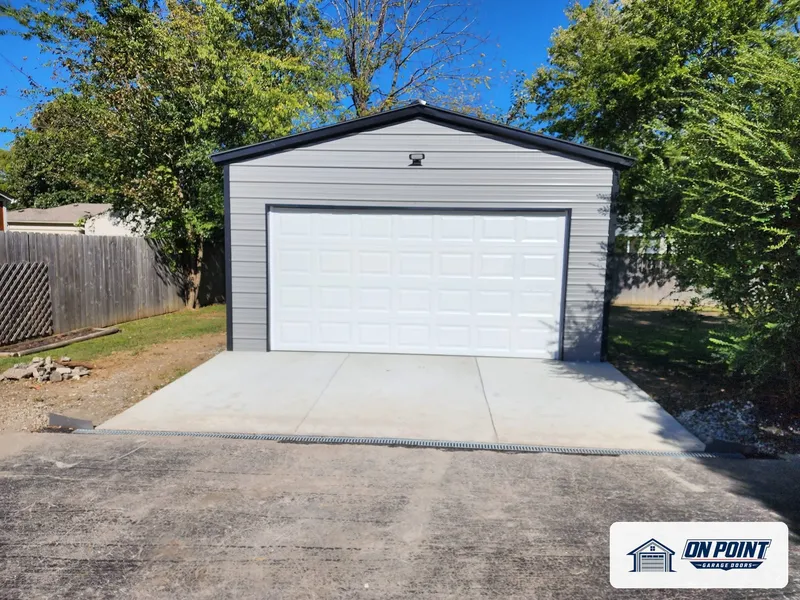
Detached garage door, from one of our jobs
Detached garage door

What the trim does

  1. Covers the jambs and headerIt hides and protects the framing around the opening.
  2. Holds the weather sealThe stop molding carries the flexible seal that touches the door.
  3. Sheds waterIt directs rain away from the wood frame.
  4. Finishes the lookClean trim makes the door and the house look sharp.
  5. Keeps pests outA tight seal closes the gaps mice and insects use.

Why trim fails

Wood trim soaks up water at the bottom where it meets the driveway, and rain splashes it every storm. Paint cracks, water gets in, and the wood swells and rots from the bottom up. Sun dries out the rubber seal. Cars and bins bump the bottom corners. On older garages, the trim may simply have outlived its paint.

Signs your trim needs attention

Why it matters for the door

The tracks and brackets are bolted to the jambs behind the trim. When water rots those jambs, the brackets work loose, the tracks shift and the door starts to bind. Replacing rotted trim early protects the framing and keeps the door running straight.

PVC trim lasts far longer

Cellular PVC trim looks like painted wood but does not rot, swell or split, and it does not need painting. It is the usual choice when trim is replaced. The stop molding with its seal is replaced at the same time so the door seals evenly from top to bottom.

Repairing the jamb behind the trim

Sometimes the rot goes past the trim into the jamb. The soft section of the jamb is cut out and replaced with sound lumber before new trim goes on. Leaving rotted wood behind new trim only hides the problem.

Matching the house

Trim is usually white to match windows and doors, but it can be matched to the house color. On brick homes, trim and seals are set against the masonry so water does not collect behind them.

Trim with a new door

When a new door goes in, the trim and seals are checked. If they are worn, replacing them at the same time gives the new door a tight, clean frame and keeps the opening dry for years.

Detached garages

Trim on detached garages takes the most weather and gets the least attention. Leaves pile against it and water sits at the bottom. These are where we most often find rot that has spread into the frame.

What a visit includes

The technician checks the trim, the stop molding, the seals and the jambs behind them, explains what is sound and what is rotted, and gives you a free estimate. After the work, the door is run and the seal checked along its whole length.

Top seals and the header

The seal across the top of the door is part of the stop molding too. A gap there lets in rain and cold air, especially on windy days. It is replaced with the side seals so the whole perimeter closes evenly.

Trim and the bottom seal together

The side seals on the stop molding and the bottom seal on the door meet at the lower corners, which is where most leaks and drafts start. When trim is replaced, the corners are set so the side seal and the bottom seal overlap and close the gap completely.

Trim after a car hits the opening

A car that clips the side of the opening often cracks the trim and the stop molding before it reaches the door. Cracked trim lets water in behind it. It is replaced, and the jamb and track behind it are checked for damage too.

Seasonal care

Look at the bottom corners of the trim each spring. Soft spots, peeling paint or a seal hanging loose are the early signs. Catching them early means replacing a short piece of trim instead of rebuilding the jamb behind it.

Trim on brick and stucco

On brick and stucco houses, the trim sits against masonry, and water can run behind it if the joint is not sealed. The joint between the trim and the wall is sealed so rain runs off instead of in.

Questions we get asked

What is garage door stop molding?

The trim strip around the opening that carries the flexible seal pressing against the door.

Why is the trim around my garage door rotting?

Water splashes and soaks into wood trim at the bottom, and paint eventually fails.

Is PVC trim better than wood?

For garage door trim, yes. It looks like painted wood but does not rot or need painting.

Can rotted trim affect the door?

Yes. Water rots the jambs behind it, and the tracks work loose and shift.

Is the estimate free?

Yes. You see what is rotted and the fix before any work starts.

Booking takes a minute

Across Brooklyn, Queens and Long Island, tell us what the door is doing and we set a visit that fits your day.

Free estimate, call (929) 429-2429.

Not sure what is wrong? We will come and look

Tell us what the door is doing and we will give you an honest arrival time. The estimate is free.

Easier to explain by phone? Call (929) 429-2429.

Two minutes to a free estimate

Tell us what the door is doing. The estimate is free either way.

Or just call (929) 429-2429 and talk it through.

The other six things that go wrong