Takes 30 seconds. We call you back to set a time.
At each bottom corner of a garage door sits a small steel bracket that holds the end of the lift cable and, on most doors, the bottom roller. It looks like a minor part, but it carries the full force of the springs through the cable. When a bottom bracket rusts, bends or pulls loose, the door can drop on one side and the cable can let go suddenly. Free estimate at (929) 429-2429.
By Sean Cohen, owner, On Point Garage Doors · Updated
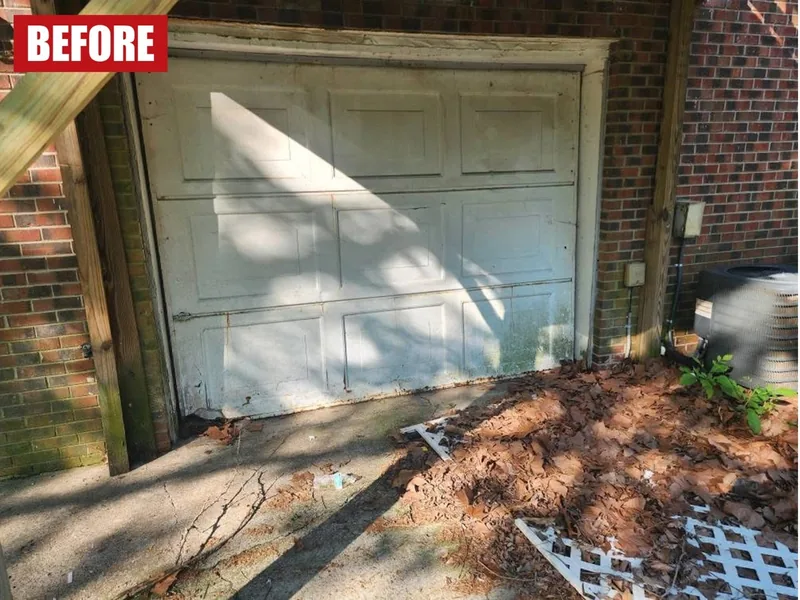
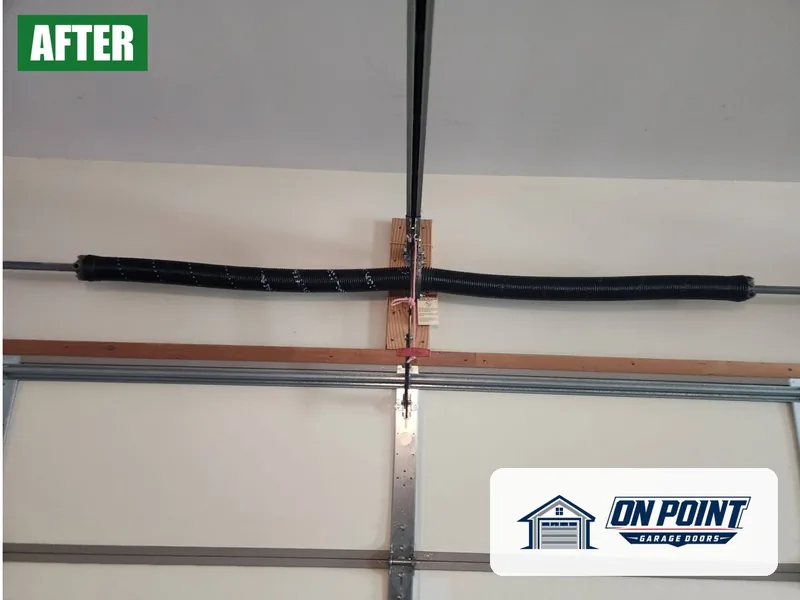
These photos are from our own jobs, with our logo on them.


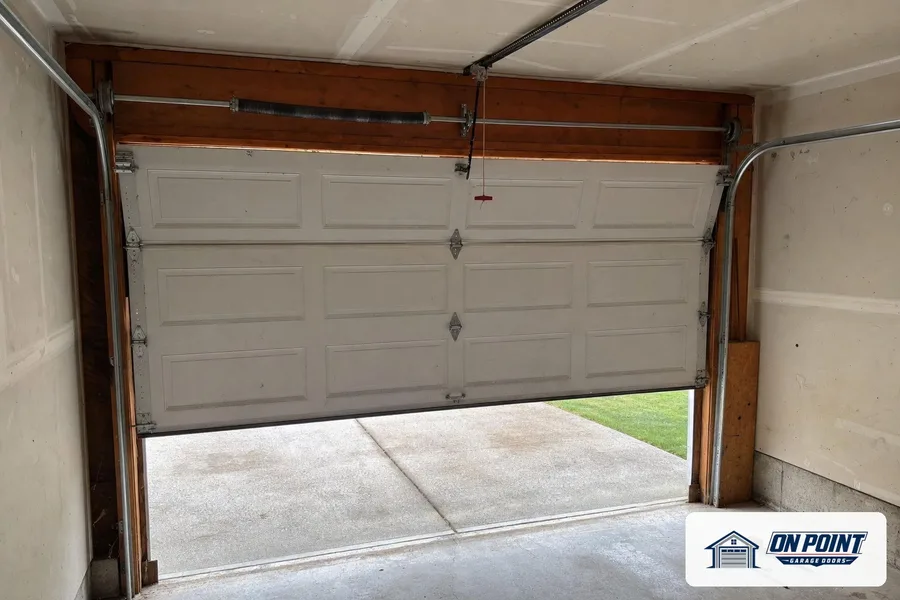
The lift cable runs from the drum on the spring bar down to the bottom bracket. The springs pull on the cable, and the bracket transfers that pull to the door. On most doors, the bottom roller also sits in the bracket. Both corners must hold for the door to lift evenly.
With the springs wound, the bottom bracket is under tension even when the door is closed. Removing it or backing off its fasteners without first releasing the spring tension lets the cable and bracket fly. Many garage door injuries happen at exactly this point. Bottom brackets are handled only by trained technicians with the springs safely unwound.
Salt air near the bay and road salt in winter rust the bottom corners first. Homes close to the water often need bottom brackets, cables and the lower track replaced together, with rust-resistant parts that last longer.
The door is secured, the spring tension is released, the old brackets and cables are removed, and new brackets are fastened to sound metal or wood. New cables are installed, the springs are wound again and balanced, and the door is tested. If the bottom section is too rotted or rusted to hold a bracket, it is replaced.
Cables rust and fray at the bottom where they meet the bracket, so cables and brackets usually wear together. Replacing both keeps the door safe and avoids a second visit.
On old wood doors, the bottom section rots, and on rusted steel doors, the steel thins. Fasteners will not hold. The section is replaced if a match is available, or the door is replaced. A new door comes with new brackets, cables and springs.
Keep the door closed if it is closed, do not use the opener, and keep everyone away from the door. If the door is stuck open or crooked, tell us when you call. The technician secures the door before doing anything else.
The technician inspects the brackets, cables, bottom section, rollers, lower track and springs, explains what is unsafe, and gives you a free estimate. After the repair, the door is balanced, run several times and the safety reverse is tested.
A yearly tune-up looks closely at the bottom corners, where rust hides. Catching a rusted bracket early is a small job; waiting until it lets go is not.
Garages below a sloped driveway, or with a slab that tilts toward the door, keep the bottom corners wet after every storm. Those doors need their bottom brackets checked more often. A good bottom seal and better drainage slow the rust down.
Commercial sectional doors have heavier bottom brackets and larger cables, and they face trucks and carts at the bottom corners. A bent or cracked bracket on a commercial door is replaced before the door goes back into service.
On wood doors, the bottom bracket is fastened into the wood of the bottom section. When that wood rots, the fasteners pull out under the springs' force. A rotted bottom section is replaced, or the door is replaced, because no new bracket will hold in soft wood.
On most doors the bottom roller sits in the bottom bracket. A worn roller stem or a roller that seized in a rusted track puts a sideways load on the bracket. Replacing the bottom rollers with sealed ones when the brackets are renewed keeps that load off.
The bracket at each bottom corner that holds the lift cable and carries the springs' force.
No. It is under spring tension and is one of the most dangerous parts to handle.
The bottom corners sit in water, salt and slush. Near the water they rust even faster.
Usually yes. They wear together.
Yes. You see what is unsafe and the fix before any work starts.
Across Brooklyn, Queens and Long Island, tell us what the door is doing and we set a visit that fits your day.
Free estimate, call (929) 429-2429.
Tell us what the door is doing and we will give you an honest arrival time. The estimate is free.
Easier to explain by phone? Call (929) 429-2429.
Tell us what the door is doing. The estimate is free either way.