Takes 30 seconds. We call you back to set a time.
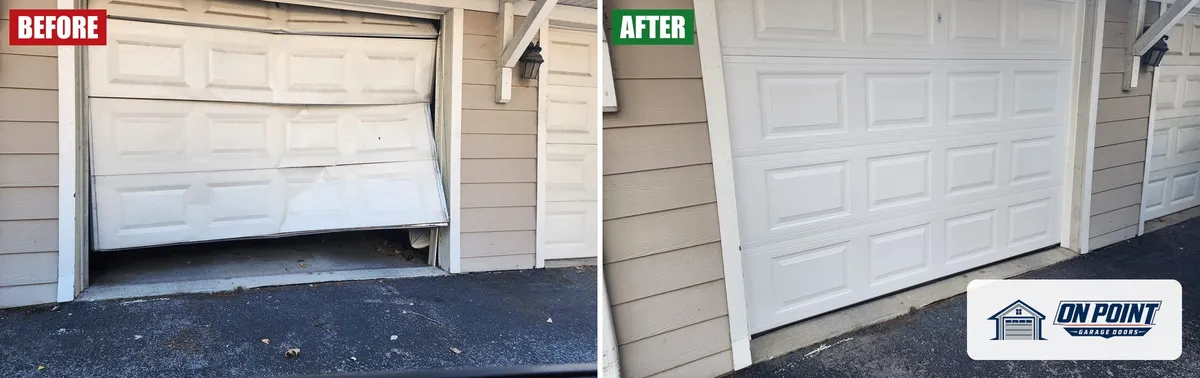
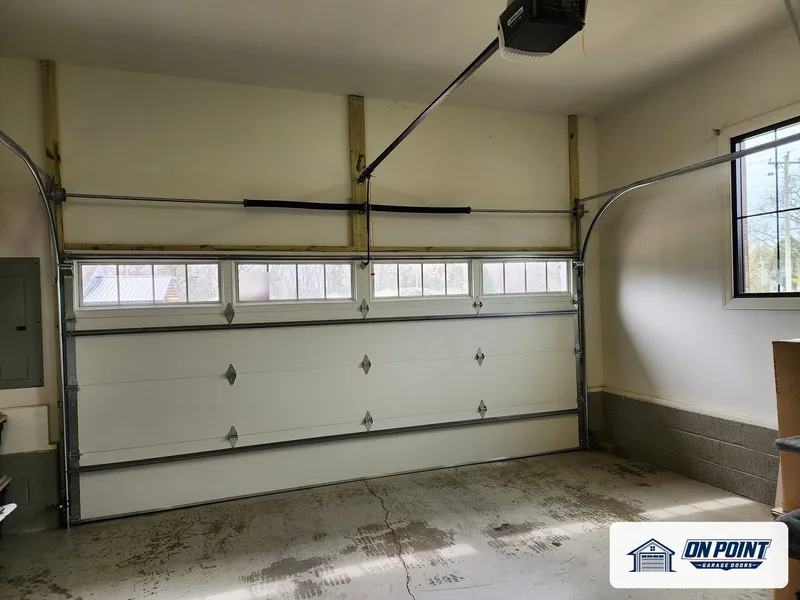
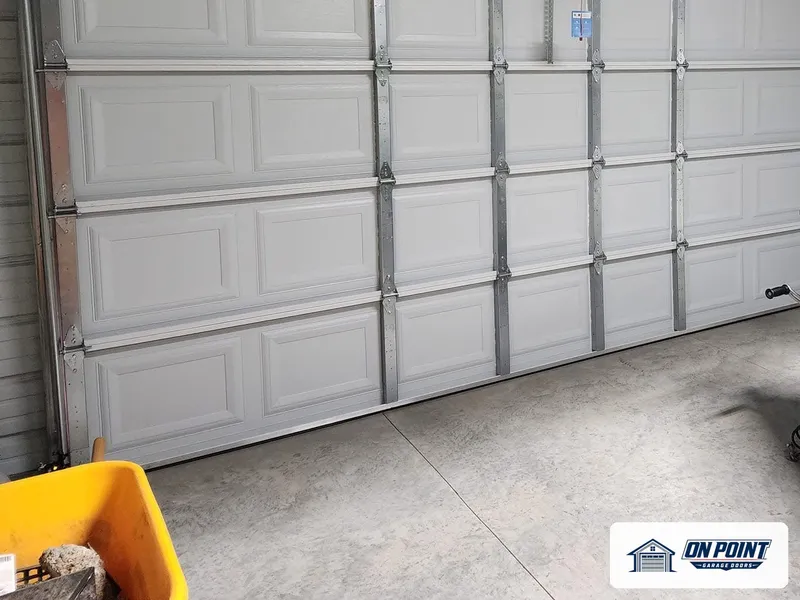
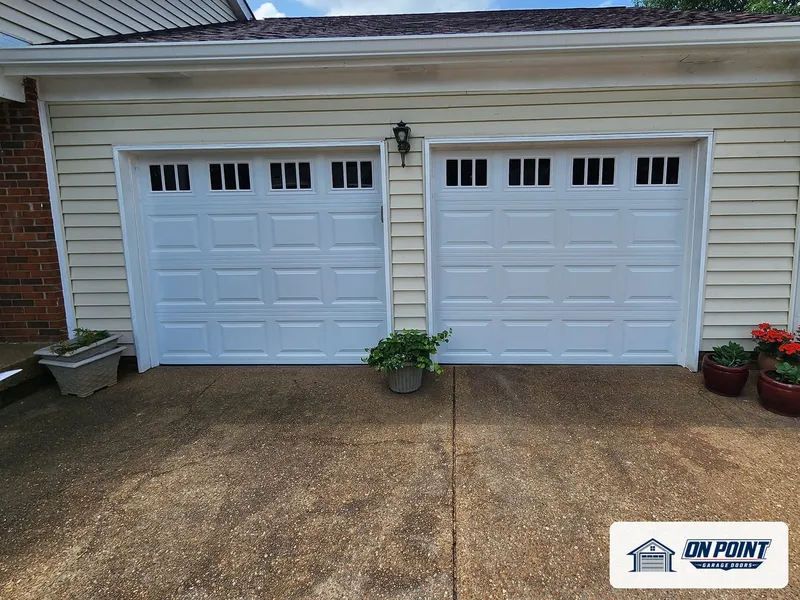
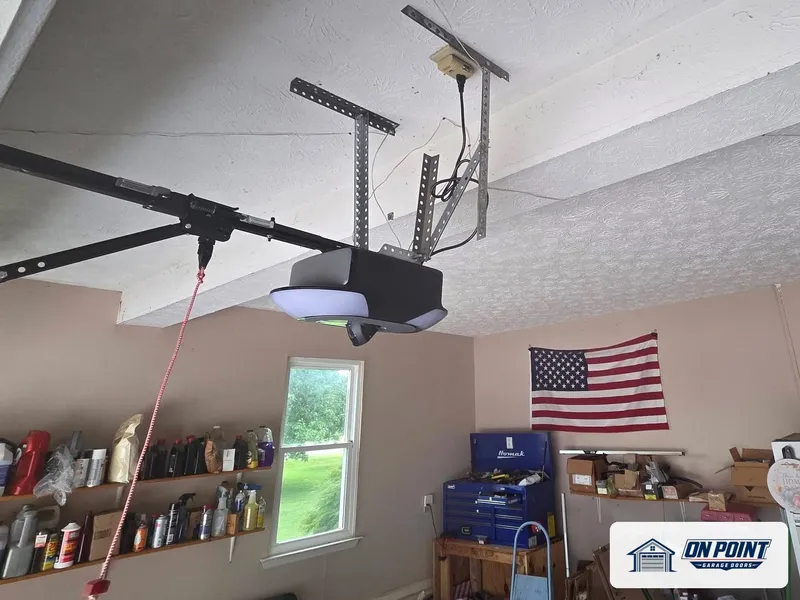
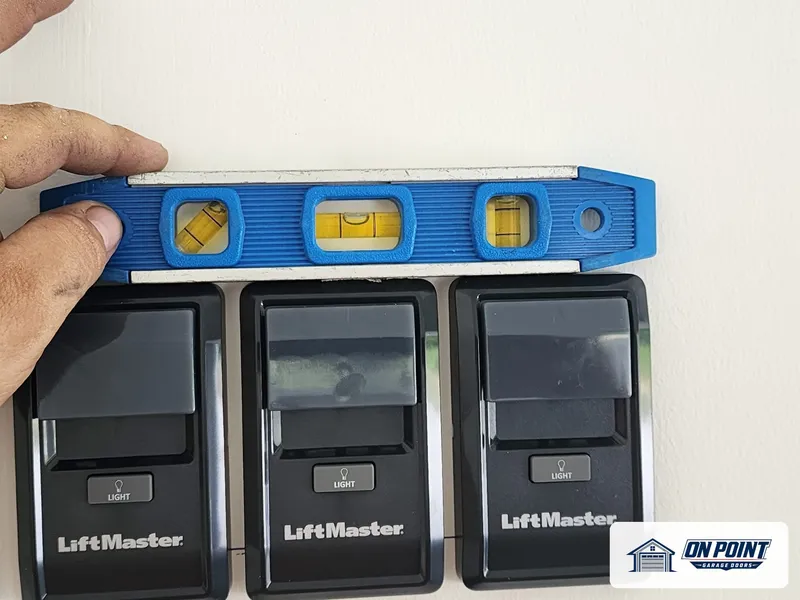
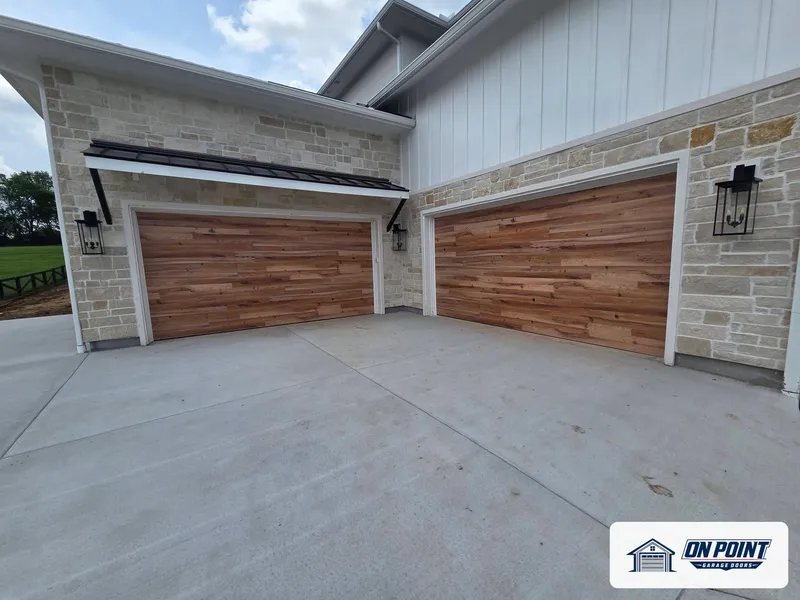
These photos are from our own jobs, with our logo on them.


Garage door repair in Fort Greene for the parking garages under apartment buildings, the rolling gates on the shops and restaurants along the avenues and the service doors behind theaters and offices. Every visit begins with a look at how the door runs and ends with a free written estimate.
The neighborhood wraps around a park that sits on high ground and is crowned by the tall column of the Prison Ship Martyrs' Monument. The park is one of the oldest in the borough, and the long rows of brownstones and brick houses on the streets around it date mostly from the middle of the nineteenth century.
Much of that housing is protected as a historic district. Front stoops, cornices and iron railings line the side streets, and curb cuts are few, so a private garage on a brownstone block is the exception. The garage doors here are mostly on bigger buildings: ramps into parking levels under apartment towers, service entries behind larger buildings and rolling gates on the storefronts.
Toward the downtown edge and around the cultural district near the Brooklyn Academy of Music, newer apartment towers stand beside older institutions, and many of them have parking garages behind a sectional door or a rolling grille. Those doors cycle all day as residents come and go, which is a very different load from a house door.
Along Fulton Street, DeKalb Avenue and the streets nearby, restaurants, cafes, groceries and shops close up each night behind roll-down gates. A gate that sticks at closing or will not lift in the morning keeps the doors shut, so these gates get checked for spring tension, slats and guides together.

A parking garage door under a residential tower and a storefront gate on a busy avenue both carry heavy daily use, but their springs, guides and motors are built differently, so the technician starts by working out exactly which system he is looking at.


Parking garage doors in apartment buildings. These doors open many times a day and run on commercial operators with their own limit settings, photo eyes and sometimes loop detectors in the ramp. A door that stops short, reverses for no clear reason or closes too hard is tested at the operator, the safety devices and the springs together.
Storefront roll-down gates. The slats coil into a barrel above the opening, and a spring inside the barrel does the lifting. When a gate drifts down, needs two people to raise or catches halfway, the usual causes are a weak spring, a bent slat or a guide that took a hit from a hand truck.
Motors on rolling gates. Many shops have moved from lifting the gate by hand to a motor mounted beside the barrel. A motor that hums without moving, or a gate that only goes up partway, gets its limits, brake and wiring checked before anyone suggests a new unit.
Service and loading doors. Theaters, schools, offices and restaurants take deliveries through doors at the back or side of the building. Heavy sectional and rolling steel doors there work their springs and cables hard, and a frayed cable or a loose track bolt is far easier to deal with early than after the door drops.
Doors hit by trucks and carts. Delivery trucks backing into tight entries, pallet jacks and cars turning down a parking ramp can clip a door, a track or a gate guide. If a section has buckled or a roller sits outside its track, keep the door closed and call before the next opening.

These streets are part of our area across Brooklyn, Queens and Long Island, for building owners, managers, shop owners and homeowners.
If you manage a building, tell us the kind of door, the operator if you know it and how many people rely on it, so the right parts go on the truck.
A parking garage door stuck open overnight, or a storefront gate that will not lock at closing, is treated as urgent. Lead with that when you call.
Winter. Cold stiffens springs and makes old rubber seals brittle, and road salt tracked down a parking ramp settles around the bottom of the door and the safety eyes. A tired spring tends to break on the coldest mornings.
Spring. Melted snow and salt leave a crust in the gate guides and on the lowest slats of storefront gates. This is a good time to have the guides, the bottom bar and the locks looked at before they start to seize.
Summer. Street fairs, park crowds and long evenings mean shops open later and gates cycle more. Heat also bakes the motors on rolling gates that sit in direct sun above the sidewalk.
Fall. Leaves from the park and the street trees blow into ramps and pile against the bottom of doors. Before winter, have the springs, the cables and the safety reverse checked while the weather is calm.
He looks over the whole door first: springs, cables, rollers or slats, the track or guides and the opener or motor. For a building door he also checks the safety eyes, the edge sensor and any loop in the ramp before saying what is wrong.
Findings are explained in everyday words and written on a free estimate, one line per item, with safety items first. A building manager can pass the estimate to the board or the owner before anything is approved.
Parts are matched to your door and operator. Common parts for sectional doors usually ride with him; a spring for a large rolling gate or a board for a commercial operator may need ordering, and you are told that up front with a plain idea of the wait.
After the repair, the door is run from every control it has. He tests the reverse against an object and with the photo-eye beam broken, and on a parking door he checks that it holds at the top while a car passes.
Old springs, slats and packaging go back on the truck, and the ramp, the sidewalk or the loading area is left clear.
Parking in front of a building or a shop is tight, and many entries face a busy avenue. Tell us where a truck can stand, whether the door can be closed off while the work is done and, for a shop, which part of the day the gate can be out of use.
You read the estimate first, and the work waits for your yes.
Doors that cycle all day wear out by the count of trips more than by age. The springs and moving parts reach the end of their life sooner, and that is where most trouble starts.
Springs. A building door can run through more trips in a month than a house door does in a year. Heavier high-cycle springs carry the same weight with less stress per turn, and they are worth raising when a busy door keeps breaking springs.
Cables. Large sectional doors rely on their lift cables at every opening. Strands fraying near the bottom bracket or a cable sitting loose on its drum are signs to stop using the door until both cables are renewed.
Safety devices. Photo eyes, edge sensors and ramp loops keep a heavy door from closing on a car or a person. Salt, dirt and bumps knock them out of line, and they are tested on every visit.
Guides and slats. On rolling gates the guides take every knock from carts and trucks, and a bent guide pinches the slats until the gate jams. Bent slats are swapped rather than hammered flat.
Operators and gate motors. Commercial operators are checked for their limits, brake and safety inputs. When one is past saving, you hear the options for a replacement that suits the size of the door and how often it runs.
When you call, tell us whether it is a parking garage door, a storefront gate or a service door, and what it is doing. A photo of the motor label helps if you can get one.
Free estimates for building managers, co-op and condo boards, shop owners and homeowners around the park and the avenues.
Whether a change to the street face of a building in a historic district needs approval is a question for the city's Landmarks Preservation Commission, so ask them before anything visible is changed. Fixing the springs, cables or opener behind an existing door is a different matter, and the technician can tell you which parts of the job touch the facade.
The building manager or the board usually books it, since the door belongs to the building. Common causes are a worn spring, a limit setting that has drifted, a dirty or bumped photo eye or a ramp loop that is acting up. The technician tests each of those and writes up what he finds for the manager.
Usually, yes. Extra remotes can be set up on the existing receiver if they match its type. Some older operators use a receiver that newer remotes no longer work with, and in that case a new receiver is the simpler answer. He checks the operator and receiver before anything is ordered.
It can be. A gate that will not stay up usually has a spring inside the barrel that has lost tension, and a gate that drops can strike someone walking under it. Keep it closed or fully supported until it has been checked. He tests the spring, the slats and the guides and tells you what is needed.
In many cases it can. A motor is mounted beside the barrel and drives the gate up and down, but the spring still has to balance the gate first, or the motor wears out quickly. He checks the spring, the gate and the space around the barrel, then explains which motor suits your gate.
Describe the door and we will set a visit that fits the building or the shop. The inspection and the estimate are free.
Call us at (929) 429-2429.
Tell us which door or gate it is and what it is doing; the written estimate is free.