Takes 30 seconds. We call you back to set a time.
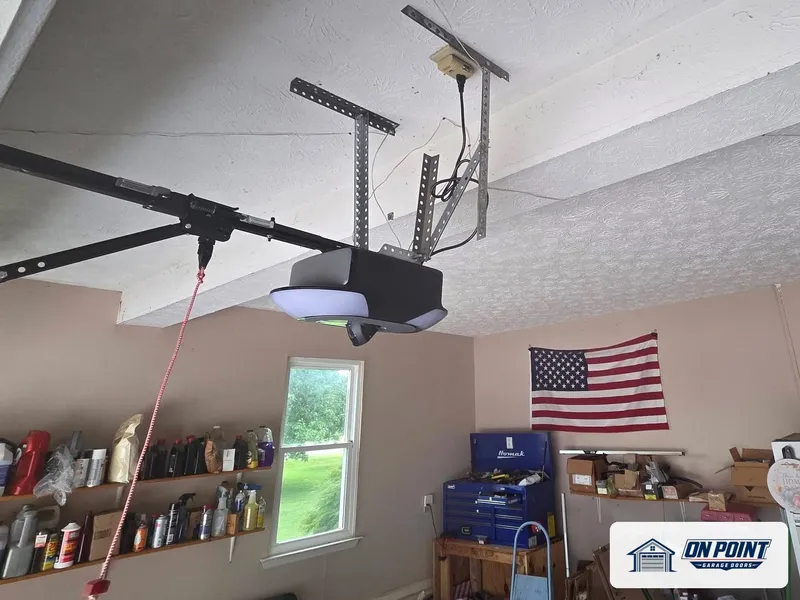
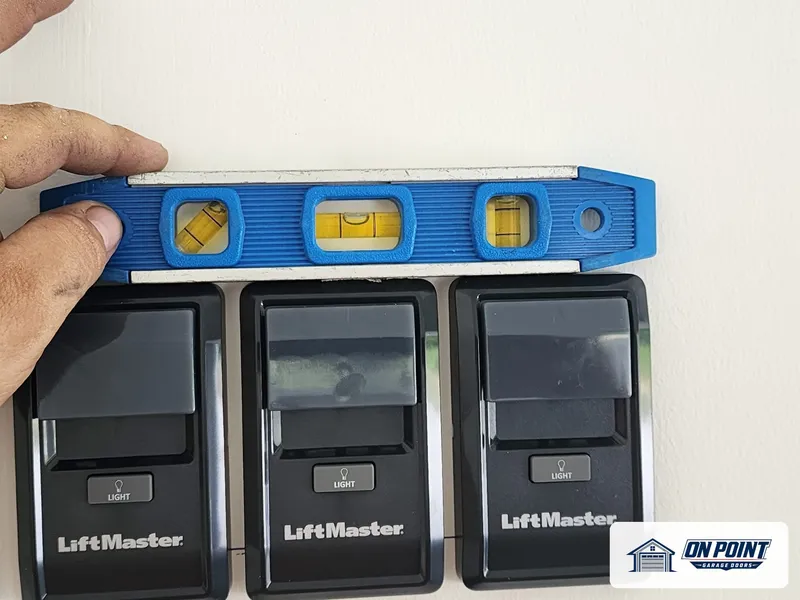
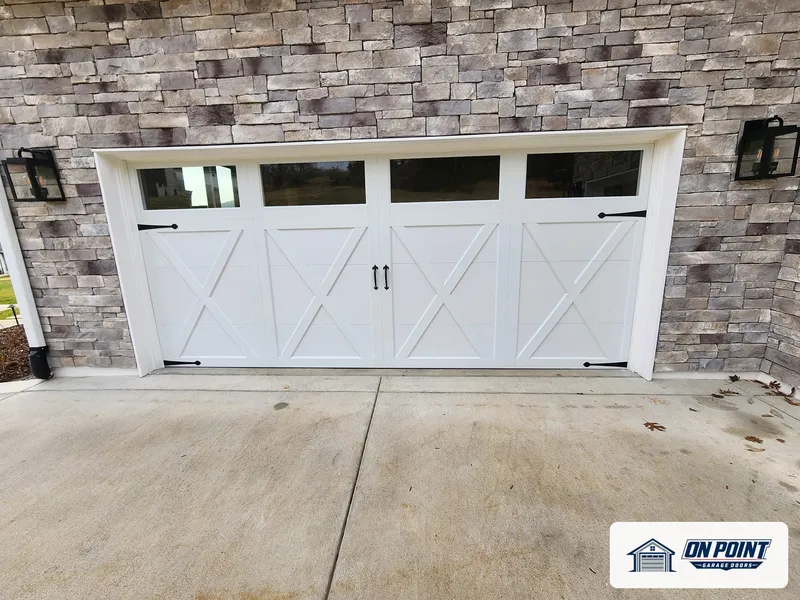
These photos are from our own jobs, with our logo on them.


Garage door repair in Georgetown, the neighborhood of attached and semi-attached brick houses near Bergen Beach and Mill Basin, where many homes have a garage built right into the front. The look at your door and the estimate are both free.
This corner of southeast Brooklyn was among the last parts of the borough to fill in with houses. Instead of the older frame and brownstone stock found farther north, the streets are lined with attached and semi-attached brick homes, many of them two-family, built in matching rows with a garage door at the front of each house.
A built-in garage on a row like this has a short driveway that runs from the curb straight to the door, often with the living space directly above. That puts the opener, the spring shaft and the door's noise right under a bedroom or a living room, and it puts the door within a few steps of street traffic.
Because the rows went up together, houses side by side often started out with the same kind of door. After decades of separate repairs, one house may have a modern insulated door while the next still runs on older hardware, so the technician checks whether the springs and cables actually suit the door that is there now.
Jamaica Bay is only a short way off, and the damp air from the water reaches these garages. Rust tends to show first at the bottom of the door: the lowest rollers, the bottom brackets and the cable ends, where water also collects after a heavy rain.

A built-in garage under a bedroom and a garage used as a workshop or a storage room ask different things of a door, so the technician looks at how yours is used before he says anything about parts.


Built-in single garages. The opening is usually snug, and a modern car leaves little room on either side. Jamb trim, the end hinges and the bottom of each track take the knocks. A track that has been bumped can let a roller slip out later, so it is checked before the door runs again.
Garages under living space. Rumbling rollers, a slapping chain or an opener bolted straight to the ceiling joists can carry noise into the room upstairs. Quieter rollers, a belt drive and properly isolated mounts each help, and he finds which one is causing the noise before proposing a change.
Where the garage opens into the house, a door stuck open leaves the home unsecured, and a door stuck shut traps the car. Either one is worth mentioning when you call.
Two-family houses with shared use. When an upstairs and a downstairs household both use the garage, the door runs more often than a single family's would, and the springs, rollers and opener wear sooner. A higher-cycle spring can be worth discussing when the door hardly rests.
Doors that took a hit. A short driveway leaves little margin, and a car that does not stop in time can push in the bottom section or bend a track. Leave a struck door where it is until the cables and track have been checked.

Southeast Brooklyn, out toward the bay, is part of the area we serve, together with the rest of the borough, Queens and Long Island.
Mention that the garage is built into an attached house and whether there is a room above it, so the technician has an idea of the setup before he arrives.
If the garage is the way into the house and it will not close, or a car is trapped inside, tell us first so the call can go to the front of the line.
Winter. Cold wind off the bay finds a worn spring, and snow piled at the end of a short driveway sits right against the bottom seal. A door frozen to the apron should be left until it lets go, not forced with the opener.
Spring. Heavy rain can collect at the foot of the driveway, against the door. The bottom section, the seal and the lowest hardware are worth checking once the wet weather passes.
Summer. Sun on a door that faces south or west heats the garage and the opener inside it. Older plastic gears and circuit boards tend to fail in hot spells, and humid air off the water speeds up rust on bare steel.
Fall. Hurricane season runs into the cooler months, and a door facing the street takes the brunt of a strong wind. Struts on the top section, track brackets and the lock are worth a look before a storm is forecast.
He watches the door run once from inside the garage, listening for where the noise starts, then disconnects the opener and checks the balance at several heights. That separates a door problem from an opener problem.
Everything he finds is pointed out on the door itself and written on a free estimate in plain language. Safety items are at the top, and anything that can wait is marked so.
Springs are sized to the weight of the door as it is today, which matters if the door was ever swapped for a heavier insulated one. Common parts are on the truck; an uncommon section or panel may need to be ordered, and you know that before anything is booked.
Once the repair is done he shows the door holding still at mid-height, then tests the reverse with an object in the doorway and with the photo-eye beam blocked.
Old parts and boxes leave with him, and the driveway is left clear.
Driveways on attached rows are short and street parking can be tight. Let us know where the truck can stand without blocking you or the house next door, and whether a car has to come out of the garage before the work.
The estimate always comes before the work, and the decision is yours.
On rows of matching houses the same parts tend to wear in the same order: the ones that move or carry weight on every trip go first, and those that only sit in place last much longer.
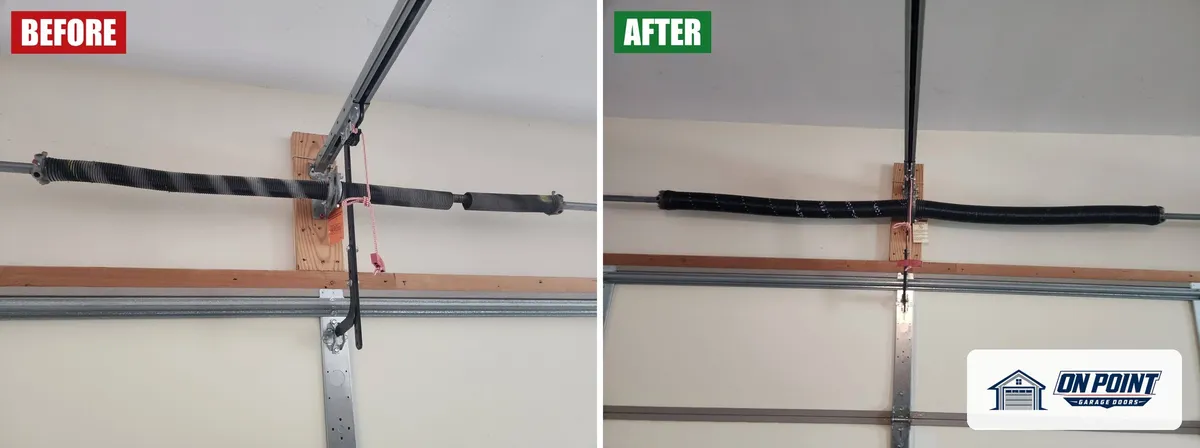
Springs. The torsion spring above the opening lifts the door every time it moves. When it breaks, often with a loud bang, the door turns into dead weight and the opener should not be used to lift it.
Cables. Damp air near the bay works on the bottom ends of the lift cables, and broken strands at the loop are an early warning. Both cables are changed as a set.
Safety eyes. In a snug garage, bikes, bins and storage boxes sit right next to the sensors. A bumped sensor is a common reason a door refuses to close, and he mounts the brackets firmly to keep them aimed.
Tracks. A track bumped by a car or loose at its brackets can let the door bind or come off. Creased track is replaced instead of being hammered back.
Openers. With living space above, a quiet opener matters more than usual. He tests the force, travel and safety settings, and if a unit is beyond repair he talks through belt drive and wall-mount options that suit the space.
When you call, mention the kind of house, whether a room sits above the garage and what the door is doing. That helps him bring the right parts.
Free estimates for homeowners and two-family landlords across southeast Brooklyn and beyond.
Vibration from the opener and rollers travels through the ceiling joists into the room overhead. Flat steel rollers, a chain drive or a rail bolted directly to the framing all add to it. The technician finds the main source, and a belt drive or better mounting often quiets it noticeably.
Sometimes. If the original door model is still made, a single section can be ordered to match. Older or discontinued doors may not have parts available anymore, and then a full new door may be the only way to make it look right. He checks the label and measures before anything is ordered.
A tight bottom seal, a driveway that drains away from the door and galvanized or coated hardware all help. Rust on the bottom brackets and cable ends is worth watching, because those parts hold the door's weight. The technician can tell you which parts are only stained and which are weakened.
Quite possibly. An insulated door weighs more than a plain steel one, and if the old springs were kept, they may not be strong enough to balance it. The door then feels heavy and the opener strains. He weighs the door and sizes new springs to match.
Tell us when you book. He can usually find a spot on the street nearby and carry parts and tools to the door. If your car has to come out first, or the next driveway must stay clear, mention it so the visit is planned around that.
A few lines about the row, the driveway and the door are enough for us to plan a visit around the people at home. Nothing is owed for the inspection or the written estimate.
Call us at (929) 429-2429.
Whether it groans, sticks or will not move, tell us what the door does and the written estimate is free.