Takes 30 seconds. We call you back to set a time.
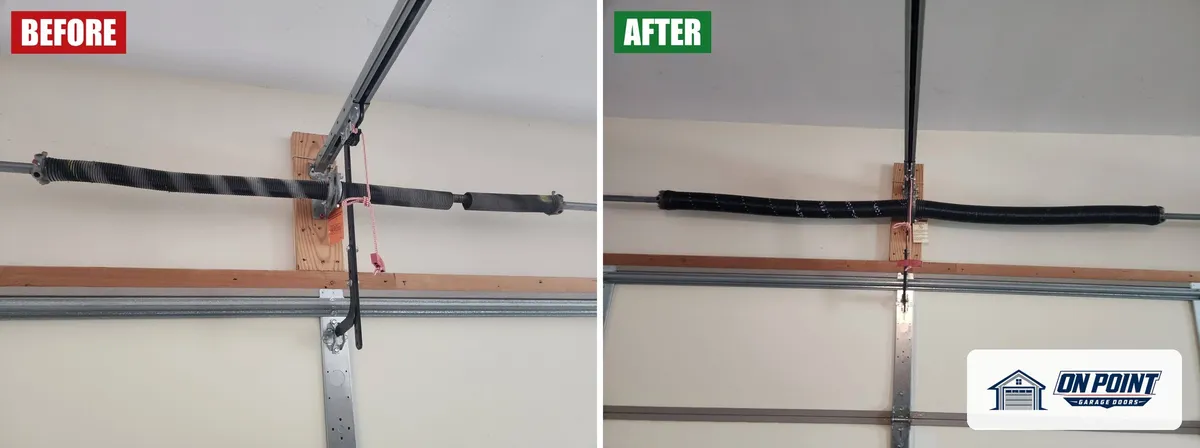
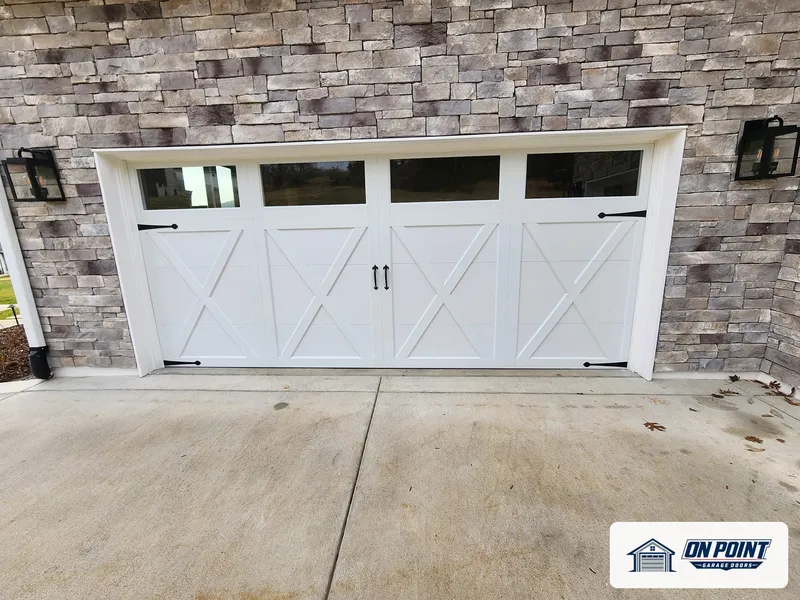
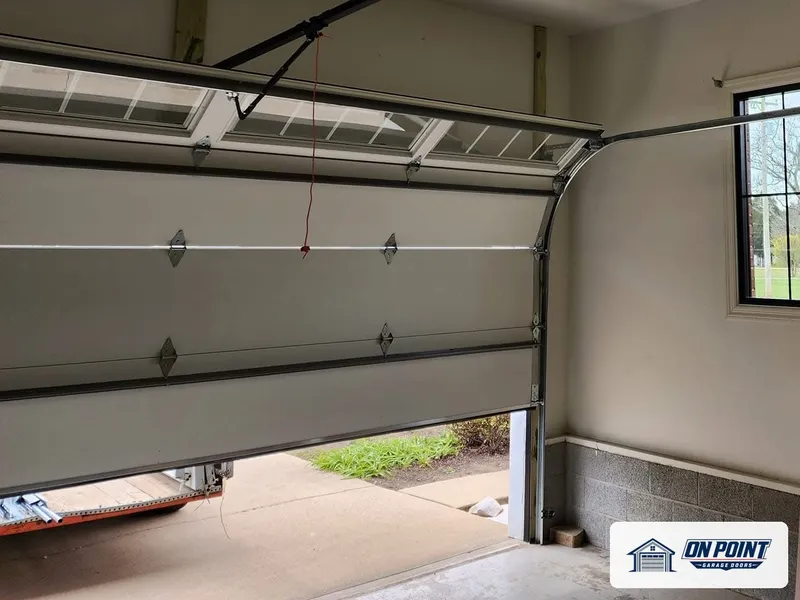
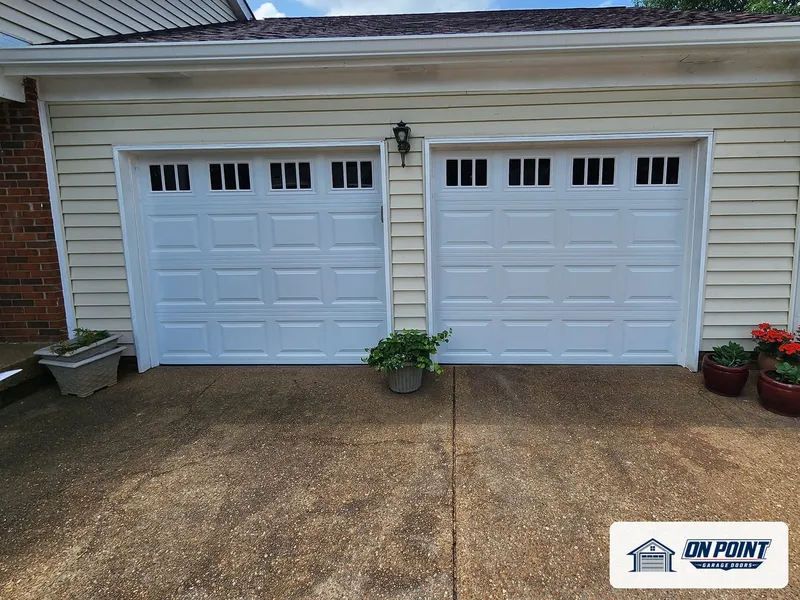
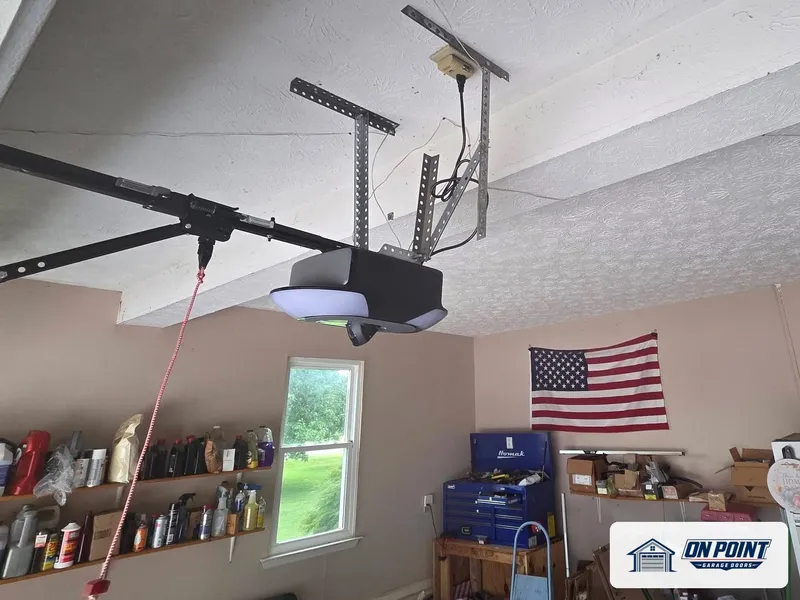
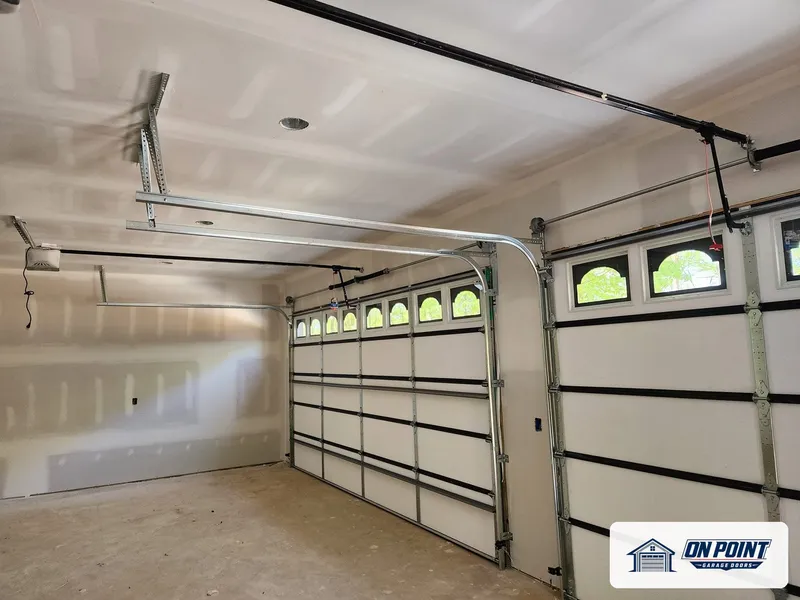
These photos are from our own jobs, with our logo on them.


Garage door repair in East Rockaway for the garages on its quiet residential streets, the houses near the channels on the bay side and the shops along the main roads. A free written estimate comes before any work.
This compact village sits on the south shore of Nassau, with Lynbrook to the north, Oceanside to the east and Bay Park along its southern edge. Atlantic Avenue carries most of the traffic through it, and the station on the Long Beach Branch keeps the village tied to the rest of the island.
The housing is mostly single-family: colonials and capes on the streets away from the water, ranches and older bungalows closer to it, and a good number of houses that were lifted or rebuilt after the storm. A garage here might be attached, set under a raised house or standing apart at the end of the driveway.
Sandy pushed the bay across many of these streets and left ground floors and garages soaked in salt water. The treatment plant in Bay Park next door was knocked out by the same surge. Doors that came through it often hide rust in the bottom rail, the lowest rollers and the cable ends.
Even in calm years the water is never far. Damp salt air settles on hardware night after night, so springs and cables near the floor tend to corrode faster here than on the same door a few miles inland.

A steel door under a lifted house and a wooden door on an inland colonial age at very different rates, so the technician reads the metal before he talks about parts.


Garages under raised houses. When a house was lifted, the parking or storage area often ended up at ground level below it. Doors on that level do better with corrosion-resistant hardware, an opener mounted as high as the headroom allows and a bottom section that can take getting wet now and then.
Flood vents in garage walls or doors are left working. If a repair or a pile of storage has blocked one, he points it out so it can be cleared.
Older waterfront garages. Low frames near the bulkheads can soften at the jambs, and track brackets lose their grip in damp wood. A door that drags or drops on one side gets its fastenings and framing examined before rollers or cables are ordered.
Shop and storefront doors. Businesses on the main roads run roll-down gates and small sectional doors that see heavy daily use. Sand and grit from the road settle in the guides, and the lowest slats rust where wet sidewalk splashes back, so those are checked along with the motor and the spring.
Doors hit by cars, boats or wind. A boat trailer reversed a little too far, a car on a tight driveway or a strong gust off the bay can bend a section or shift a track. If the cables look slack or a roller has slipped out, leave the door where it is until it has been seen.
This side of the south shore is part of our Long Island area, together with Brooklyn and Queens, for houses, rentals and businesses.
Let us know whether the garage is under the house, attached or detached, and whether it has ever flooded, so the right hardware is on the truck.
If high water is on the way and the door will not shut, or the only car is trapped behind a dead spring, open the call with that and it is handled as urgent.
Winter. Cold snaps after a wet spell glue the bottom rubber to the concrete. An opener told to lift a door stuck that way can shear its gear or kink the arm, so leave the door alone until it has thawed and come loose.
Spring. The first warm weeks show what the winter did: brown streaks below the hinges, flaking on the bottom bracket and a cable loop that has lost its shine. Those low parts are the ones to have looked at before boating season starts.
Summer. Kayaks, fishing gear, bikes and beach carts go in and out all weekend, and one of them usually ends up against a photo eye. Humid heat also swells wooden doors and softens the weather seal.
Fall. Storm season and shorter days arrive together. A door that faces open water benefits from a look at its bracing, its track mounts and the opener backup before any big system is named on the news, since some parts take a while to come in.
The first stop is the lowest foot of the door. He checks the bottom bracket, the end of each lift cable, the bottom rollers and the base of each track, since tidal damp settles there. Only then does he climb to the shaft, the springs and the opener head.
Scale you could scrape off and steel that has thinned under load are not the same problem, and he names them separately. On the free estimate, the parts that affect safe running sit on one list and the cosmetic ones on another.
Hardware made for wet places is worth discussing here: springs with a protective coating, galvanized lift cable, sealed-bearing rollers and stainless fasteners where they fit. If a part has to be ordered, for an older wooden door or a storefront gate, that is said before anything is booked.
Once the work is done he raises the door partway and lets go to show it hangs level, sets an object in the opening to prove the reverse works and waves a hand through the beam while it closes.
Scraps of rusted steel and old cable ends are gathered from the slab and the driveway, so nothing sharp is left for bare feet.

Some streets near the water are narrow, and a boat or trailer may be parked in the driveway. Mention it when you book, and say whether a car needs to come out of the garage first, so the visit can be planned around the space you have.
Read the estimate at your own pace; you can approve one line now and save the others for another visit.
By the bay, damp air picks the order of failure. Parts that flex under load give out sooner than heavy parts that just hang there, which makes the weak spots fairly easy to predict.
Springs. Rust pits act like notches in the coil, and each trip of the door works on them. A heavily scaled torsion spring can let go early and suddenly, and the whole weight of the door then lands on the motor.
Cables. Grit and moisture at floor level rot a cable from the core outward. A few snapped wires near the bracket mean the rest are close behind, so the pair is renewed and the drum grooves are examined.
Safety eyes. A film of salt on a lens, a rusted bracket or a connector gone green can keep a door from closing. Wiring gets tested along with the aim, since damp works into the splices.
Tracks. The bottom few feet of track sit closest to the wet floor and can thin out while the upper run stays sound. A roller can slip out at a weakened spot, so a damaged lower length gets swapped rather than bent back.
Openers. Salt air is hard on logic boards, and a unit that once stood in floodwater may act up without warning. A sound motor gets the failed part replaced; a tired one gets an honest look at a ceiling or wall-mount unit set high on the wall.
On the phone, say what the door is doing, how near the water the garage sits and if it has ever taken in water. That tells him what to bring.
Free estimates for houses, rentals and shops in this corner of the south shore and the villages around it.
Up high. Keep the motor and its board above any level water has reached before. Headroom and the beams under the house decide whether a ceiling unit or a wall-mount unit next to the shaft fits better. He looks at the outlet too, because a plug near the slab is the first thing a rising tide finds.
A thin orange film can form within a season by the water, mostly on uncoated springs. What matters is whether the coils have started to pit or shed flakes. Coated springs hold off longer, and a garage that gets a chance to dry out is easier on all the steel. He can say how far along yours are.
Usually not. Tell us when you book, and if the trailer blocks the front of the garage, let us know whether it can be moved. He parks so the street stays clear, carries parts up the driveway and keeps tools clear of the boat. A door that was clipped by the trailer gets its track and section checked as well.
It should not. Vents are there to let water pass so the walls are not pushed in, and he leaves them working. If a new seal, a stored item or an earlier repair has covered one, he points it out. Anything about whether a vent meets local rules is a question for the village building department.
Bracing on each section, the brackets that hold the tracks to the jambs, the end hinges and the lock bar. A thin older door with no bracing is the most likely to buckle when wind leans on it. Get it inspected on a quiet day, and keep clear of any door that is bowing while a storm blows.
Tell us about the door, the driveway and where a truck can stand, and a visit is set up. Looking at the door and writing the estimate are free.
Call us at (929) 429-2429.
Tell us what the weather or the water has done to the door; the written estimate is free.