Takes 30 seconds. We call you back to set a time.
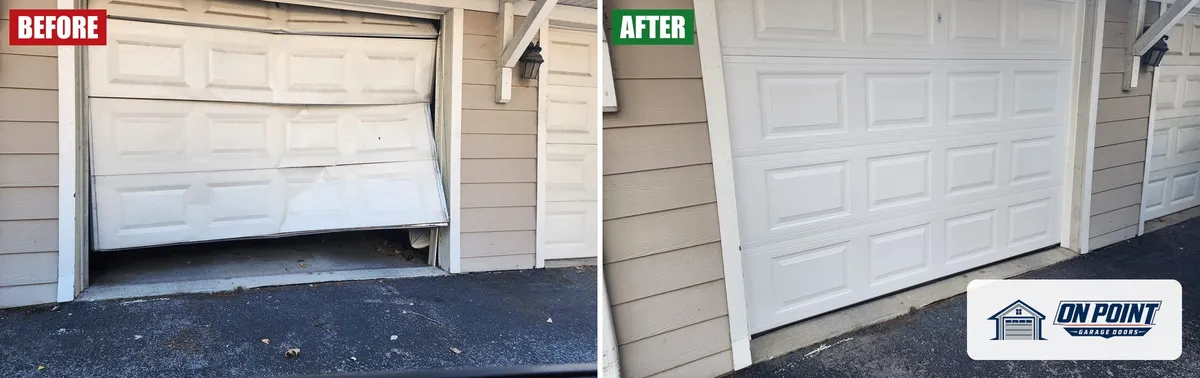
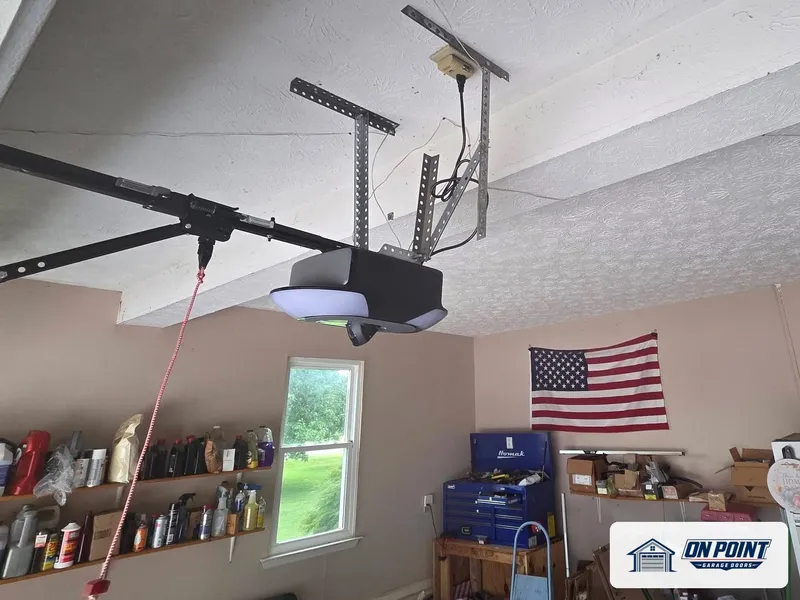
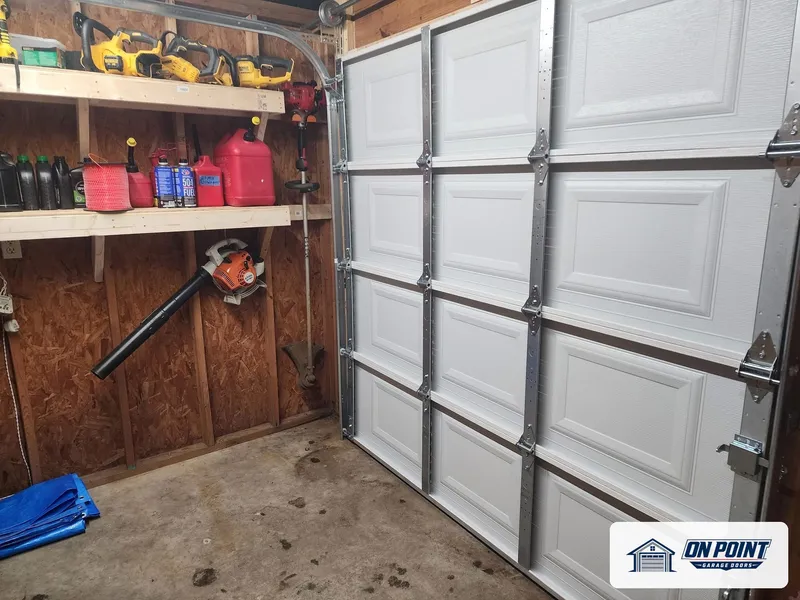
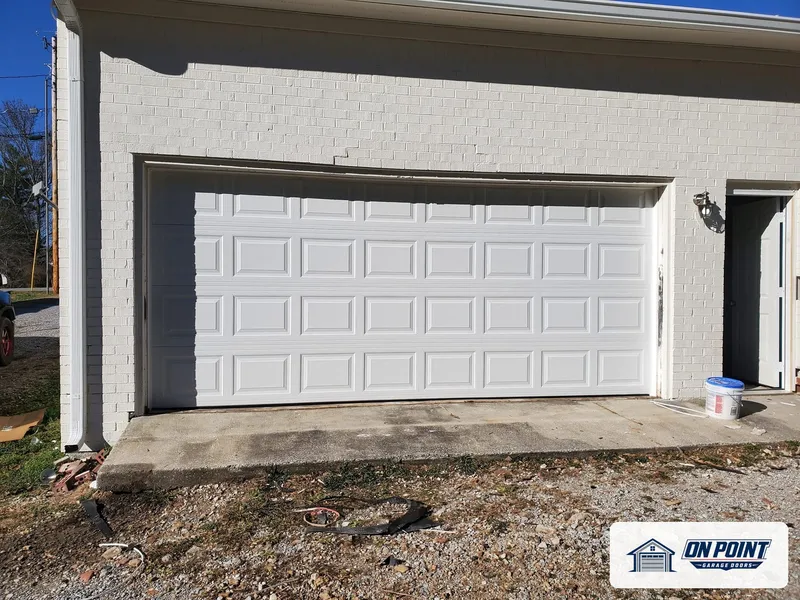
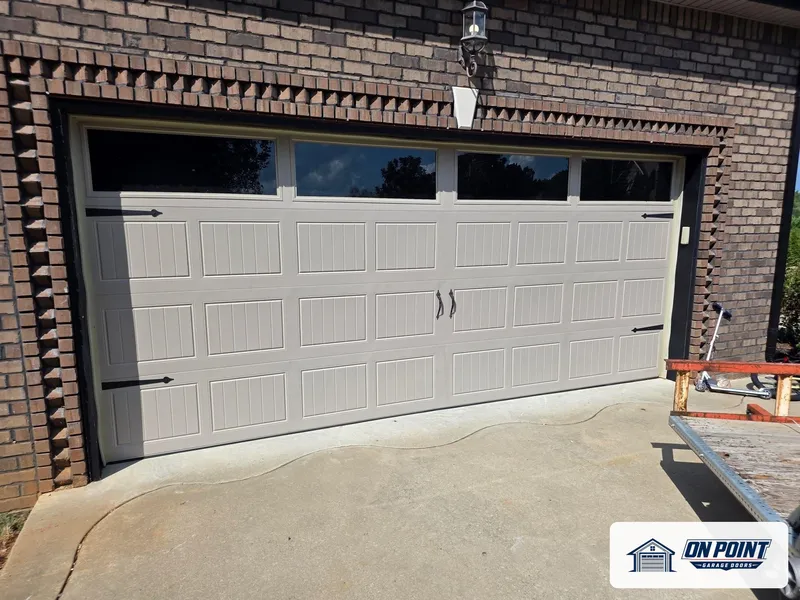
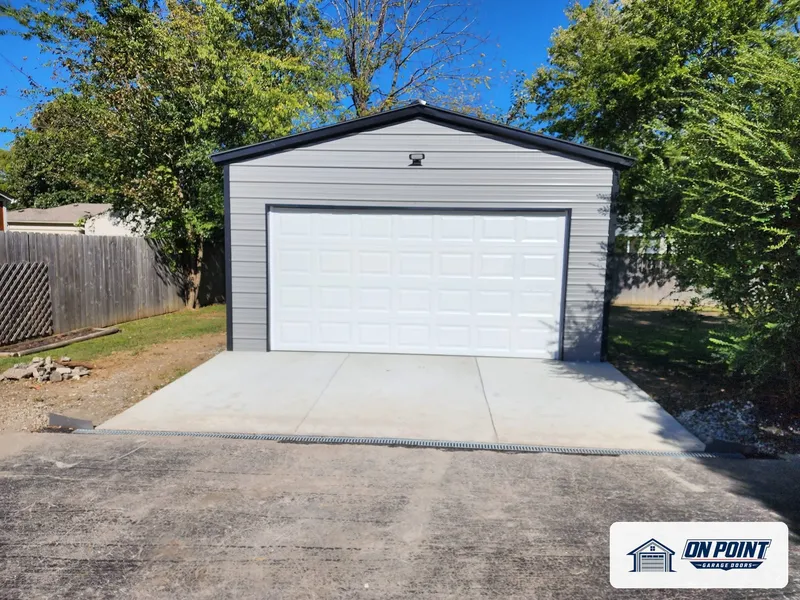
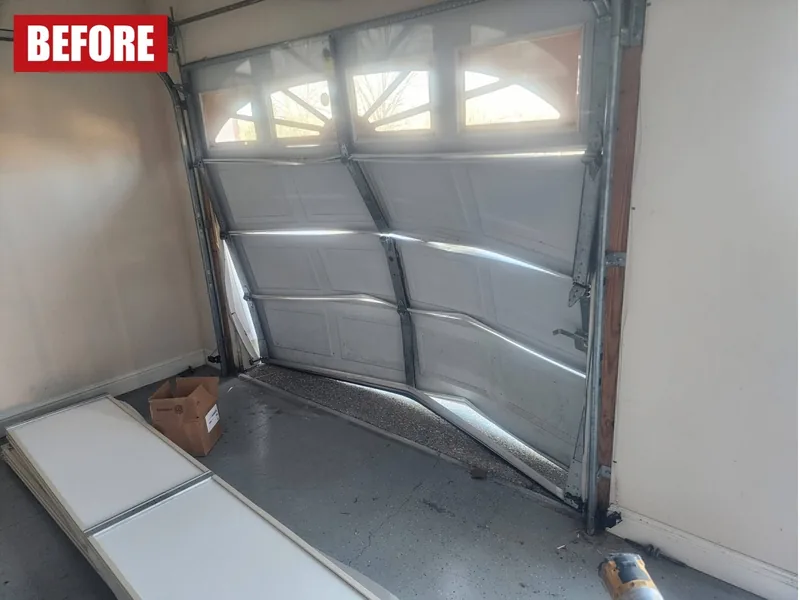
These photos are from our own jobs, with our logo on them.


Garage door repair for the colonials, Tudors and capes on the tidy village streets, the homes close to the station and the racetrack, and the shops along the main avenue. The door is looked over and a free estimate is written before anything is done.
Owners here tend to keep their houses in excellent shape, and a dented or faded garage door stands out on a well-kept street.
Many choose a new door to match freshly painted trim and new windows.
Carriage-style doors with dark strap hinges and handles suit the half-timbered Tudors, while plain raised-panel steel doors in white or almond match most of the colonials and capes.
Detached garages behind some of the older homes have tight openings and framing that has shifted over the decades.
The opening is squared and repaired before a new door is hung.
Race days and big events at the track bring heavy traffic and parked cars to nearby streets.
Visits are planned to avoid those days when possible.
Village rules and the neighbors' care for their houses mean owners want work done neatly and the street left tidy.
Many people walk to the station before it is light, and a garage door that will not open on a weekday morning throws the whole day off for the family that still has to drive the kids.
Early appointments are available for urgent calls.

Colonial, Tudor, cape or a shop on the avenue, every door is run and checked before any figure goes on paper.
Many owners compare color samples against freshly painted trim before choosing, so the new door matches exactly.


Detached garages. Framing that has shifted over the decades, sagging headers, rotted jambs at the bottom and doors that rub at one corner when they close.
Square, sound framing first, then the door.
When an old door suddenly feels heavier than it used to, the springs are tested first, because a worn spring is the usual reason and it is a far smaller job than a new opener.
Attached garages. Snapped springs, frayed cables, and chain openers that rattle the kitchen or the bedroom over the garage.
A quiet belt drive, nylon rollers and firm hanger straps take most of the noise out of the house.
New doors. Raised-panel and carriage designs in colors that match the trim.
Samples are compared against the house in daylight.
Avenue shops. Rolling gates, locks and motors.
Gates lifted by hand can be given a motor.
An insulated door keeps an attached garage from chilling the kitchen beside it.
If a car touched the door while backing out, keep it closed and the opener off until the sections and the track have been looked at.
A narrow detached garage makes it easy to graze a jamb with a mirror or a bumper, so the track on that side and its brackets are checked on the same visit.

The village blocks sit on our regular Nassau route right at the Queens line, and the same crews work across Queens and Brooklyn.
Details you share about the house reach the technician ahead of the visit.
A car shut in the garage before the morning train is worth telling us about when you call, since it changes where the visit lands in the day.
Mention whether the garage is attached or out back, how old the door is and what it did, and the right parts load onto the truck before he leaves.
Winter. A hard frost is when an aging spring finally lets go.
A wooden door can freeze to the slab on bitter mornings; give it time before using the opener.
Spring. Pollen and blossom from the street trees gather in the tracks.
Summer. Sun on south-facing doors fades the finish and dries the seals.
Fall. Leaves from the big street trees pack into the tracks and along the bottom rubber, and a tune-up before the cold arrives catches a tired spring while it is still a planned job.
He runs the door a few full trips on the opener, then disconnects it to feel how the springs carry the weight, and only then goes over the frame, cables, rollers, track and the opener itself.
On a detached garage he also looks at the foot of each jamb, where decades of rain, snow and fallen leaves soften the wood and let the track brackets work free.
What is worn is shown to you and explained plainly, with a free estimate listing every part, so you can decide what needs doing now and what can wait.
Springs are chosen to suit what the door really weighs.
The parts most of these doors need are carried with him.
Before leaving he lowers the door onto an object to show the opener stopping and backing up.
Old parts and any replaced door go with him.
He runs the door with you watching until it opens, closes and seals at the slab without a sound you would notice.
Visits can avoid race days and event traffic.
He phones as he turns onto your street, so someone can move the car out of the driveway first.
Nothing proceeds without your go-ahead.
When a smaller repair will keep an older door going for years, he says so plainly rather than talking about a new door.
Well-kept houses still wear out their springs and rollers.
When a spring snaps the door is dead weight; leave it closed, keep everyone clear of it and call us.
Rust or gaps in the coils mean a spring is close to failing.
Both lift cables fray where they hook into the bottom corners of the door, so they are renewed as a pair and the door rises level.
Grooved drums are replaced with them.
Photo eyes are aligned and fastened firmly so they never drift.
Detached-garage track that pulled away from soft wood is reset into sound framing.
The bottom of rusted track is renewed.
Openers are put through their paces before any part is swapped.
New openers come with phone control and battery backup if you want them.
Tell us whether the garage is attached to the house or stands out back, and whether the door is wood or steel; that decides which parts ride along.
Every estimate is free.
Usually it can. The older detached garages on these streets were built for smaller cars, so the opening is measured exactly, the framing is checked for square, and any soft wood at the bottom of the jambs is dealt with first. Low-headroom track or a door made to the opening size lets a new door work where a standard one would not fit.
Samples are held up against the house in daylight at the estimate, because a color that looks right in a catalog often reads different beside fresh paint and old brick. Steel doors come in a range of factory colors, and wood-look finishes and carriage designs are shown too, so the door suits the trim and the rest of the street.
Yes. Tell us when you book, and the visit is set on a quieter day so the technician can park close to the driveway and carry in the springs and track he needs. If the door has failed on an event day and the car is shut inside, say so and we work out the best way to reach the garage.
Often it can. Old wood doors weigh far more than steel ones, so the springs are matched to the real weight and the hinges, rollers and cables are checked for wear. Rot at the bottom rail or a split panel is shown to you honestly, and if the door is past saving, a new insulated door with a carriage look keeps the style.
Start with what makes the sound. On attached colonials the opener rail is usually screwed to the kitchen or bedroom ceiling, so its gears and chain are heard everywhere. A belt-drive unit, softer nylon rollers and a rail hung on rubber mounts bring it down a lot. If the house loses power in storms, a battery backup can go in during the same visit.
Describe what the door does when you run it and choose a time that suits the house; the estimate is free either way.
Call us at (929) 429-2429.
Tell us about the door and the garage, and a free estimate comes back whatever you decide.