Takes 30 seconds. We call you back to set a time.
These photos are from our own jobs, with our logo on them.


Garage door repair in East Meadow for the ranches, capes and expanded homes with attached and detached garages around the park and the hospital. Free estimate first.
Many homes here started as modest postwar ranches and capes and have since been expanded up and out, often leaving the original garage alone.
That means a modern house can still have a decades-old door running on tired springs.
Rebuilt homes often have a new front entrance but an untouched garage, so the door is the oldest thing on the property.
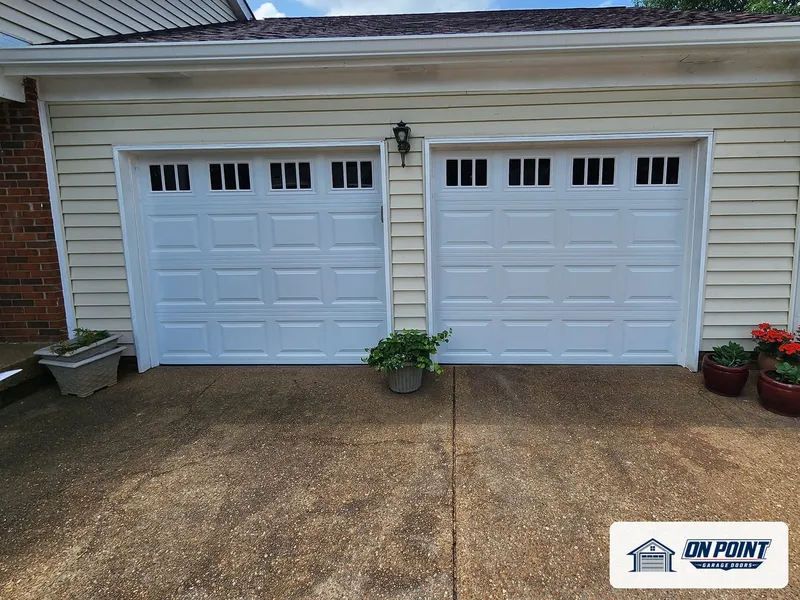
Some owners enclosed half of a two-car garage for living space, leaving a single door on what was once a wider opening.
The framing around a narrowed opening is checked so the door seals properly.
Families near the hospital include many shift workers, and a door that will not open at five in the morning is a real problem.
A call about a car stuck before work can be booked early in the day.
Homes on the streets around the county park see heavy weekend traffic for games and events, and a garage that will not open is a real nuisance then.
The oaks and maples around the big park drop leaves into the tracks and pile them against the floor seal once the weather turns.
Driveways are short, so a door that stops short is easy to clip with a bumper.
Expanded capes sometimes moved the kitchen entrance into the garage, so the door has become the family's main way in.

Original or upgraded, every garage door here is inspected before it is estimated.


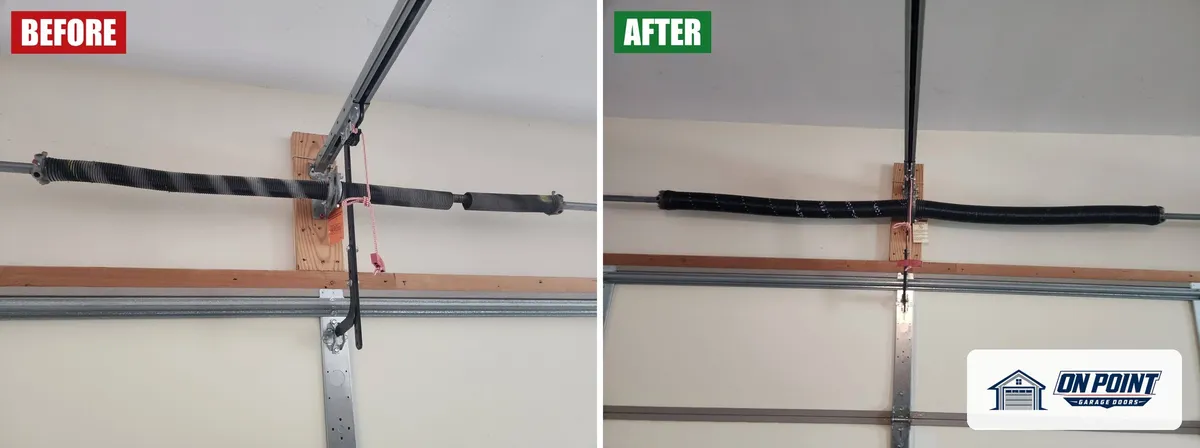
Broken springs. A sharp crack and a door stuck on the floor means a spring has gone; keep it shut and call us.
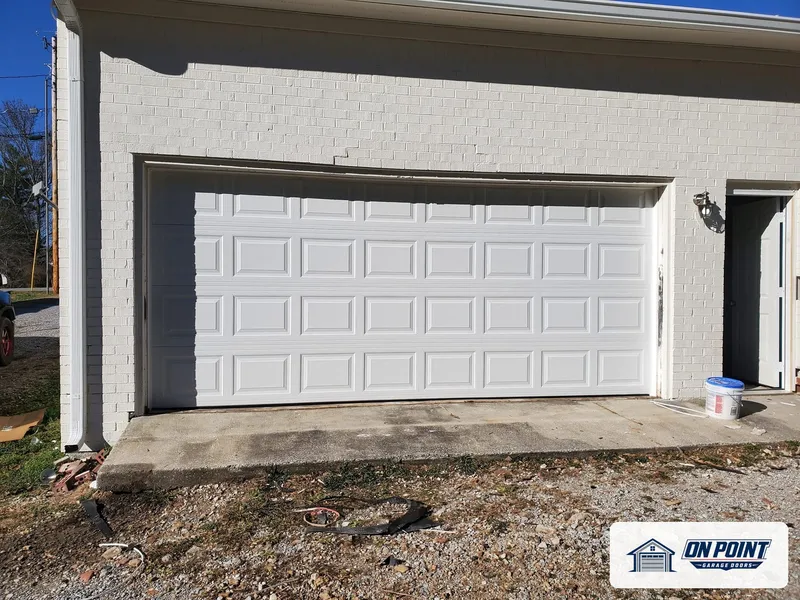
Original springs on unexpanded garages are often decades past their working life.
If the opener groans on the way up, the springs are tested first, because a weak spring is the usual cause.
Narrowed openings. Where half the garage became a room, the remaining door and its frame are checked for square.
A door that binds at one corner usually means the frame has shifted.
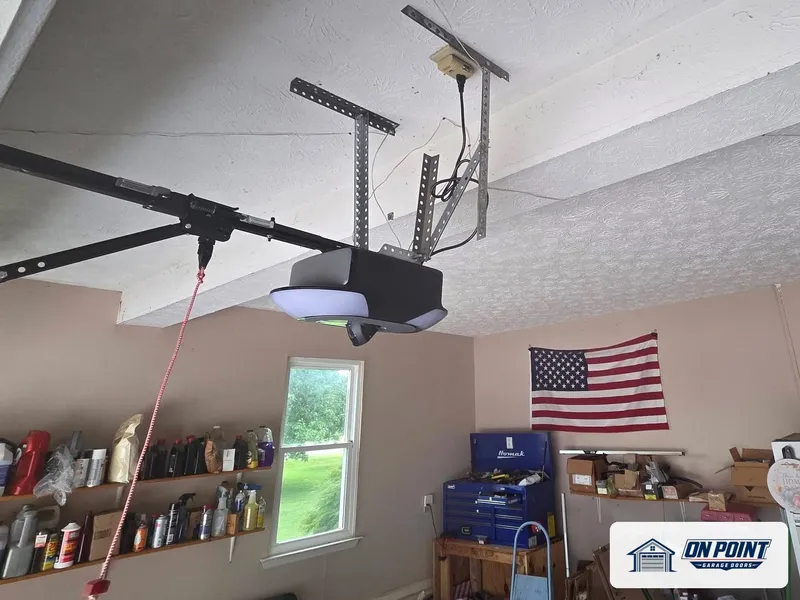
Openers. Old chain drives are swapped for quiet belt drives, especially under new upstairs bedrooms.
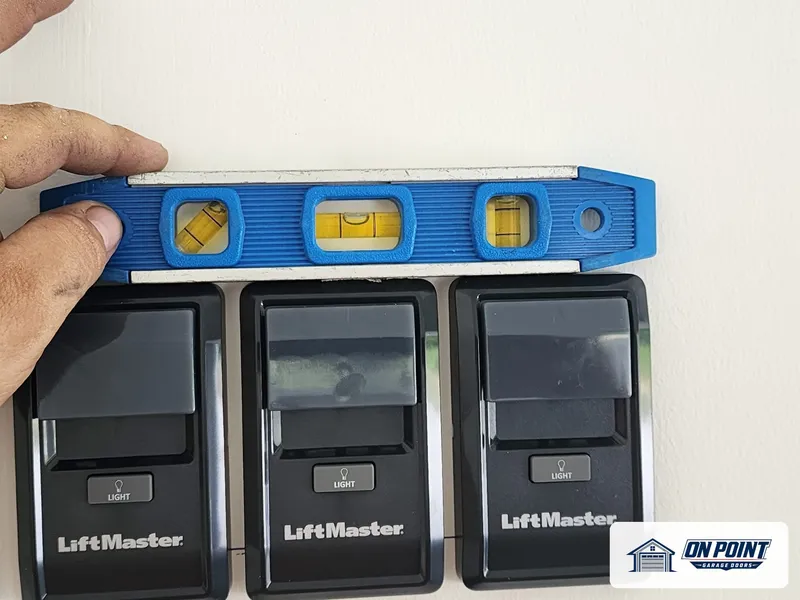
Every remote, keypad and car button in the house is paired again once the work is finished.
Rollers and hinges. Worn rollers rattle the whole door; sealed nylon rollers last longer.
A top hinge that has cracked is changed before it lets the top panel fold.
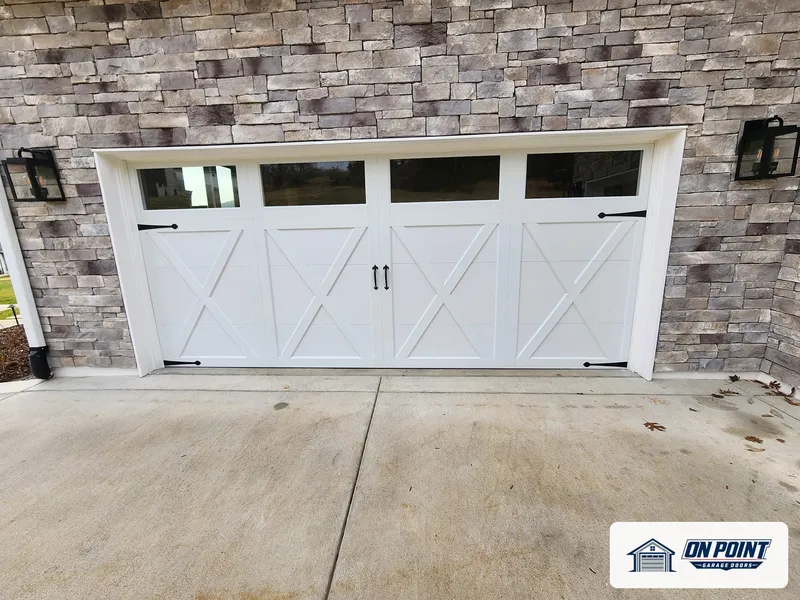
Insulated replacement doors help when the room above or beside the garage was added later and runs cold.
If a car has bumped the door, leave it as it is until the technician has seen it.
A car that clips the door frame on a short driveway can also bend the track, so both are checked together.

The blocks around the park and the turnpike are on our regular Nassau route, along with Queens and Brooklyn.
Whatever you mention when you reach us is passed to the technician before he sets out.
A car trapped inside before an early shift is handled as urgent.
Winter. Old springs on original garages give out on the first hard freeze.
Winter is also when an opener tries to lift a door frozen to the slab and strips its gear; give the seal time to let go.
Spring. Thaw water collects at short driveways and rusts the lowest brackets.
Summer. Strong afternoon sun dries and cracks the weather strip on doors that face west.
Fall. Leaves off the big trees by the park settle in the tracks and seals; a checkup before winter clears them out.
First he watches a full trip and checks the frame, then works through springs, drums, cables, rollers, tracks and the opener.
You hear what went wrong in everyday words, along with a free estimate broken out part by part.
Parts are sized to what your door weighs now, including original doors from when the house was built.
The springs and cables most doors on these streets take are stocked in his truck.
Before he leaves, the opener is made to reverse off an object laid on the floor.
Worn parts go out with him, and the driveway is left the way he found it.
You watch the door run a full cycle before he leaves.
Early appointments are possible for shift workers.
A call comes before arrival.
The decision is always yours.
On original postwar garages, the parts that carry the door are often the very first ones installed.
A broken spring leaves the door's full weight unsupported, so never try to lift it by hand.
Coils with daylight between them mean the spring is close to snapping.
Cables fray up at the drum and rust down at the floor, and both sides are done in one visit.
A worn drum is replaced with the cables.
Recycling bins and leaf bags on short driveways knock the floor sensors out of line.
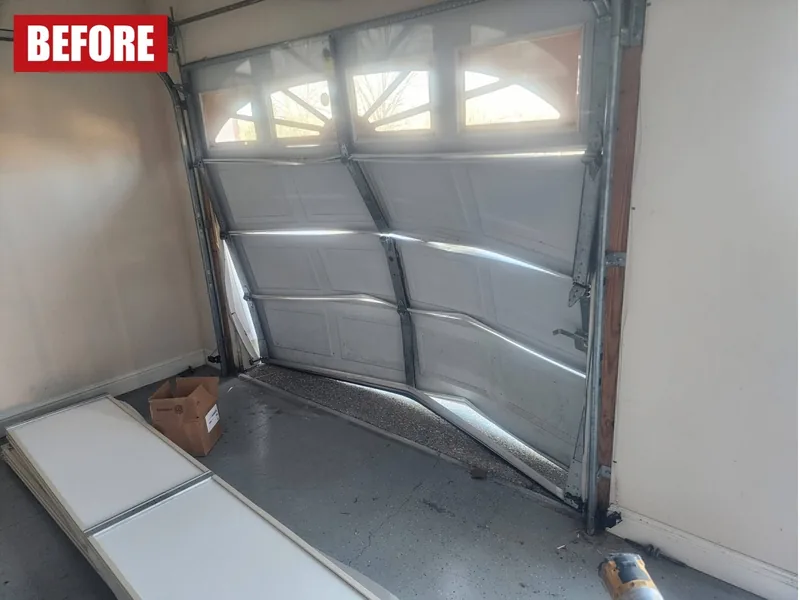
A track bumped by a car makes the door bind; it is straightened before the door runs.
Lower track that has rusted through is cut away and new track goes in.
The opener's board and gears are checked first, so only the part that failed gets replaced.
When an opener has reached its end, the quieter belt models and the ones you can run from a phone are explained.
Tell us whether the garage is original or rebuilt, and what the door is doing.
Every estimate is free.
Tell us what the door is doing, pick a time that suits the family, and the estimate is free.
Call us at (929) 429-2429.
Describe how the door behaves, and a free estimate follows whatever you decide.