Serving Brooklyn, Queens and Long Island(929) 429-2429Open six days a weekFree estimateGuaranteed work
On Point Garage Doors
Open 24 hours Sun-Thu, Fri until 5 pm Free estimate Springs, openers, cables We come to you
Emergency?Call nowBook free estimate
Row houses, rear lanes and avenue storefronts

East Flatbush Garage Door Repair

Free estimateSame-day serviceCommon parts on board
  • Free estimate
  • Same-day service
  • Common parts on board
Emergency garage door repair★★★★★ 5.0 on Google · 42 reviews

Book your free estimate

Takes 30 seconds. We call you back to set a time.

Or just call (929) 429-2429 and talk it through.

Home › East Flatbush Garage Door Repair

Real jobs. Real photos.

These photos are from our own jobs, with our logo on them.

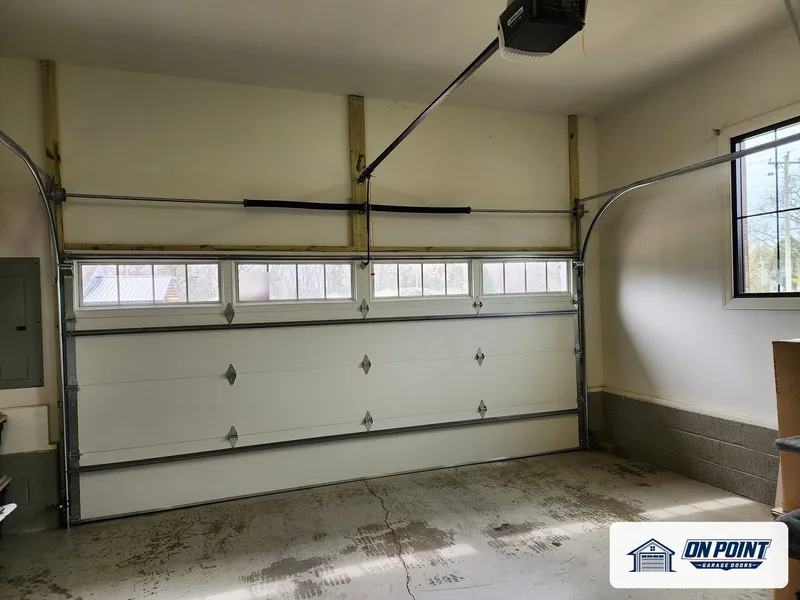
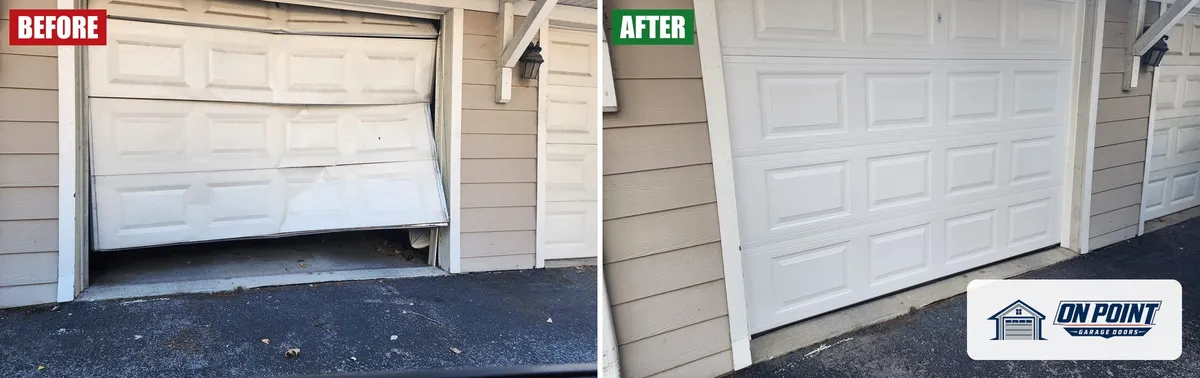
Bent door, replaced: before and after photo from one of our jobs
Bent door, replaced
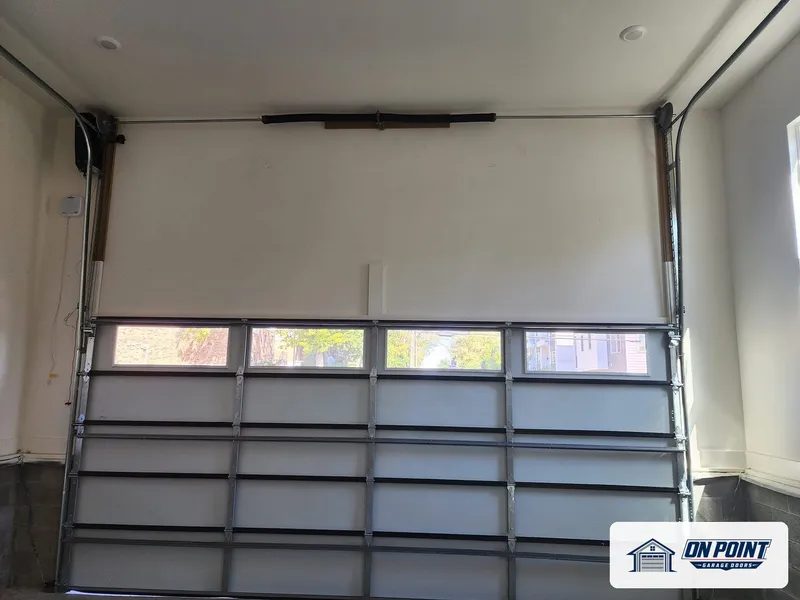
New door and opener, photo from one of our jobs
New door and opener
New door with a glass row, photo from one of our jobs
New door with a glass row

Garage door repair in East Flatbush for the brick row houses, semi-detached homes and rear garages on the side streets, and for the rolling gates on the shops along the busy avenues. Every visit starts with a look at the door and a free estimate.

Blocks of brick, built close together

Much of this part of Brooklyn was filled in between the world wars, with long rows of attached and semi-detached brick houses, many of them built for two families. Apartment buildings stand on the corners and along the wider roads, and churches of many denominations sit every few blocks.

Garages here come in a few familiar forms. Some sit at the back of the lot and are reached by a narrow driveway shared with the house next door. Others form a row of small garages along a common lane behind the houses, and some homes have a garage tucked below the front steps with a short, steep drive down to it.

Doors on these older garages have usually been changed more than once, and the hardware behind them may come from different decades. A spring sized for a light door can end up lifting a heavier insulated one, and a track bolted into tired masonry can work itself free. The technician checks that the parts actually suit the door before he recommends anything.

The avenues carry a different kind of door. Along Church Avenue and Utica Avenue, bakeries, roti shops, salons and grocers close up behind rolling steel gates every evening, and those gates go up and down far more often than any family garage door.

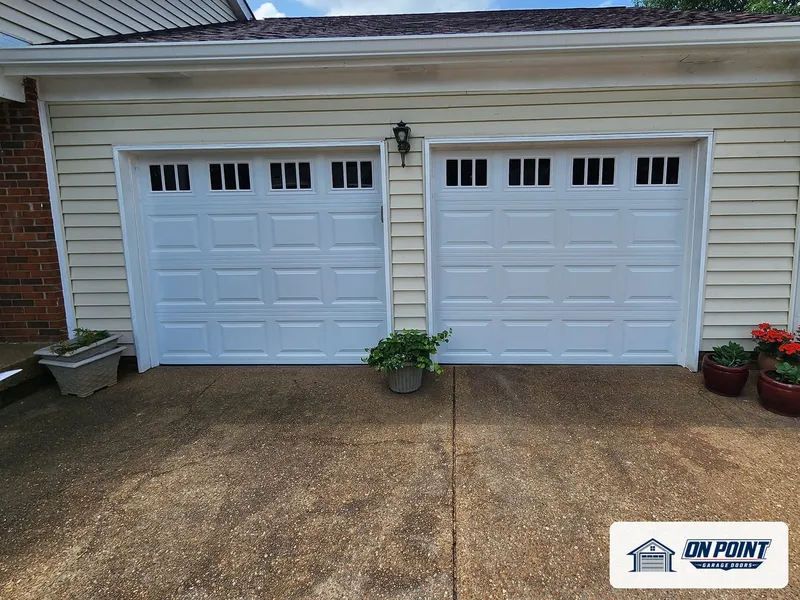
Two new garage doors with windows, installed by On Point Garage Doors

Doors for row-house garages, shared lanes and shop fronts

A backyard garage on a shared drive and a rolling gate on a busy avenue have little in common beyond their springs, so the technician looks at how each one is used before he talks about the fix.

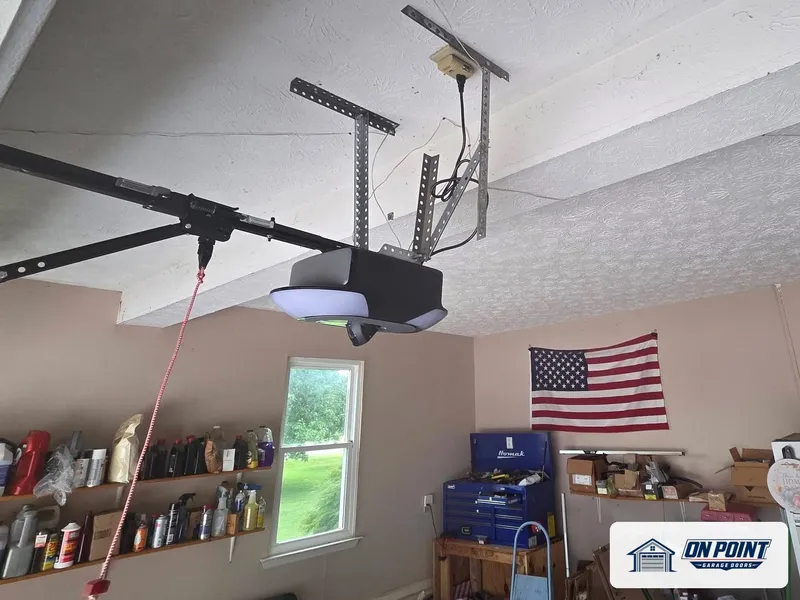
Garage door opener installed on the garage ceiling by On Point Garage Doors
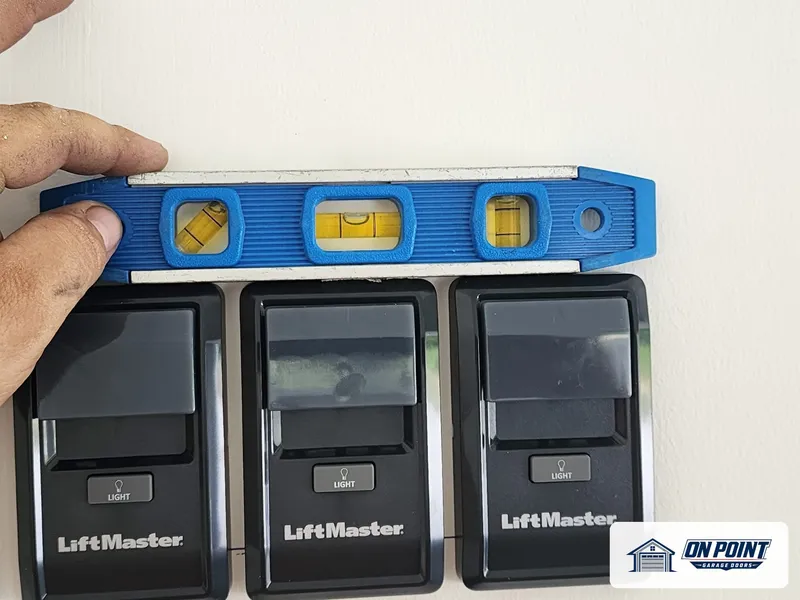
New LiftMaster remotes programmed by On Point Garage Doors
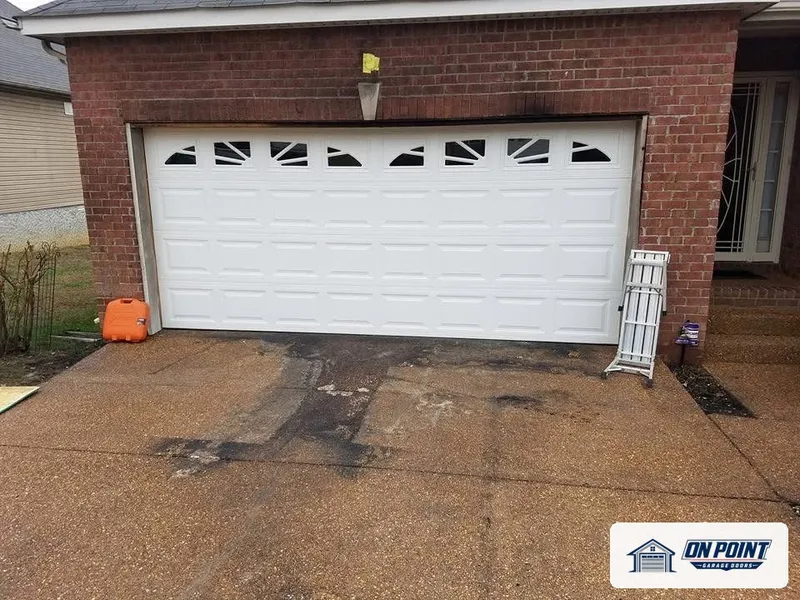
White double garage door with arched windows on a brick garage

Problems by type of door

Rear garages on shared driveways. The drive between two houses is often just wide enough for one car, so mirrors and bumpers find the jambs and the bottom of the track. A track that has taken a knock can let a roller ride out of its channel later, so the door is looked at before it is cycled again.

Garages in a common lane. Where several garages open onto the same lane behind a row, each door may belong to a different owner and be in a different state. He works only on the door you show him, keeps the lane open for the other cars and points out if a sagging wall or header is pushing on your door.

Older one-piece doors that swing out at the bottom on side springs, instead of rolling up in sections, still turn up on backyard garages. Their springs and pivot brackets wear, and parts can be hard to find, so he tells you plainly whether a fix is sensible or a sectional door would serve better.

Rolling gates on shops. A gate that opens at dawn and comes down after dark works its spring and its guides every single day. Grit and winter salt from the sidewalk build up in the guides, bottom slats get dented by hand trucks, and a gate that sticks halfway leaves a shop either unable to open or unable to lock. Motorized gates also get their operator and limit settings checked.

Doors that took a hit. Delivery trucks double-parked on the avenues, tight turns into narrow driveways and cars reversing out of a garage below the steps can all bend a section, a track or a gate guide. Leave a struck door where it is until it has been looked at.

Brooklyn, Queens and the Island

We cover this side of Brooklyn along with the rest of the borough, Queens and Long Island, for homes and for businesses.

Tell us whether the garage is behind the house, in a shared lane or under the front steps, and whether the driveway is shared, so the technician knows how to reach it before he sets out.

A shop gate that will not come down at closing, or a car stuck behind a garage door that will not open, should be the first thing you mention so the call can be treated as urgent.

Four seasons on brick blocks

Winter. Snow plowed off the avenues piles up at the mouths of driveways and against shop gates, and the wet underneath freezes the bottom seal to the ground. Forcing a frozen door with the opener can strip a gear, so let it free up first.

Spring. Rain runs down the shared drives toward the rear garages, and low spots at the threshold hold water against the bottom of the door. Rust and swelling start there, so it is a good season to have the lowest section and the seal looked over.

Summer. Long, hot days bake backyard garages with flat roofs, and older opener boards and plastic gears do not like the heat. Shop gates run from early morning to late evening, and the sidewalks in front of them stay busy the whole time.

Fall. Leaves from the street trees collect in lanes and drive corners and pack into the bottom of the tracks. Before the cold sets in is a sensible time to have the springs, cables and the safety reverse tested.

What happens when the technician arrives

He walks back to the garage or up to the gate and runs the door once while watching it. Then, with the opener disconnected, he checks the balance at a few heights, which shows whether the springs or the motor is the real problem.

What he finds is explained in plain words on your own door, then written on a free estimate, one item per line. Safety items come first; anything that can wait is marked that way, and nothing is started until you agree.

Springs are matched to the weight of the door he actually finds, not to whatever was on the shaft before. Common rollers, cables, hinges and opener parts usually travel with him, while a part for an older swing-out door or a heavy shop gate may have to be ordered, and you are told so before anything is booked.

When the work is done, the door is stopped at several heights to show that it stays put, then the opener is made to reverse on an object and on a broken photo-eye beam.

Old springs, cables and packaging leave with him, and the lane or driveway is left clear for the next car.

Why a local technician matters

Shared driveways mean the other household's car may be parked in the way, and street parking near the avenues is tight. Tell us about both when you book. He can arrange where to leave the truck, carry parts up the drive and keep the lane passable while he works.

The estimate comes first, and you can take part of the work now and leave the rest for later.

Where doors give out

Older garages and busy shop gates wear out in different ways. A family door ages with the weather, a gate wears by the number of times it runs, and both start failing at the parts carrying the most load.

Springs. A torsion spring over a garage door or the spring inside a gate barrel is twisted every time the door moves. When one breaks, the door becomes too heavy to lift safely, and on a gate the barrel may spin loose, so neither should be forced.

Cables. On garage doors the lift cables fray first at the bottom, where they sit in damp grit by the threshold. A frayed or slack cable means the door should stay put, and both cables are changed together.

Safety eyes. In a narrow garage, bikes, bins and tools end up right beside the sensors, and one bump knocks them off aim. He sets the brackets on solid framing so the beam stays lined up.

Tracks and guides. A track screwed into old wood or crumbling mortar can pull away, and a gate guide dented at the bottom catches the slats. Bent lengths are replaced rather than hammered straight once the steel has creased.

Openers and gate motors. Older garage openers lose gears and boards, and gate motors wear their brakes and limits. If a unit is past saving, he goes over replacement options suited to the door and how often it runs.

Booking

When you call, say whether it is a house garage or a shop gate, how you reach it and what it is doing: stuck up, stuck down, noisy or off its track.

Free estimates for homeowners, landlords and shopkeepers across this side of Brooklyn and beyond.

Questions from the shared driveways and back lanes

Our garage is at the end of a driveway we share with the house next door. Will the truck block them in?

It does not have to. Mention the shared drive when you book and, if you can, let the other household know. The technician parks where it causes the least trouble, carries parts and sections down the drive and keeps the way clear whenever their car has to get out.

Our backyard garage has an old one-piece door that swings out at the bottom. Can it still be repaired?

Often, yes. The side springs and pivot brackets on those doors wear out and can sometimes be replaced, though parts for older models are not always made anymore. He checks the frame and hardware and tells you honestly whether a repair makes sense or a sectional door would be the better long-term choice.

The rolling gate on our shop gets stuck halfway up. What usually causes that?

A dented bottom slat, grit packed into the guides, a guide bent by a hand truck or a spring that has lost tension are the usual suspects. A motorized gate can also stop short when its limit settings drift. Do not force it further; the technician finds the cause and writes it on the estimate.

Our garage sits below the front steps with a steep driveway down to it. Does that change anything?

It can. Rain and melting snow run down a steep drive toward the door, so the bottom seal, the lowest section and the track ends get wet more often, and a drain at the foot of the drive that clogs makes it worse. He checks those spots closely and can suggest a sturdier seal.

Several garages in our back lane belong to different owners. Can you work on just ours?

Yes. He only works on the door you ask about, and he will tell you if the next owner's leaning wall or a shared roof is pressing on your opening. If other owners in the lane want their doors looked at too, each one gets a separate estimate.

Get your door working

Tell us about the door and the driveway or sidewalk in front of it, and we will set a visit that fits. The look and the written estimate are free.

Call us at (929) 429-2429.

Back-lane garage or avenue gate, the estimate is free

A short note on what the door is doing is enough to start, and the estimate is free.

Or just call (929) 429-2429 and talk it through.

More repairs