Takes 30 seconds. We call you back to set a time.
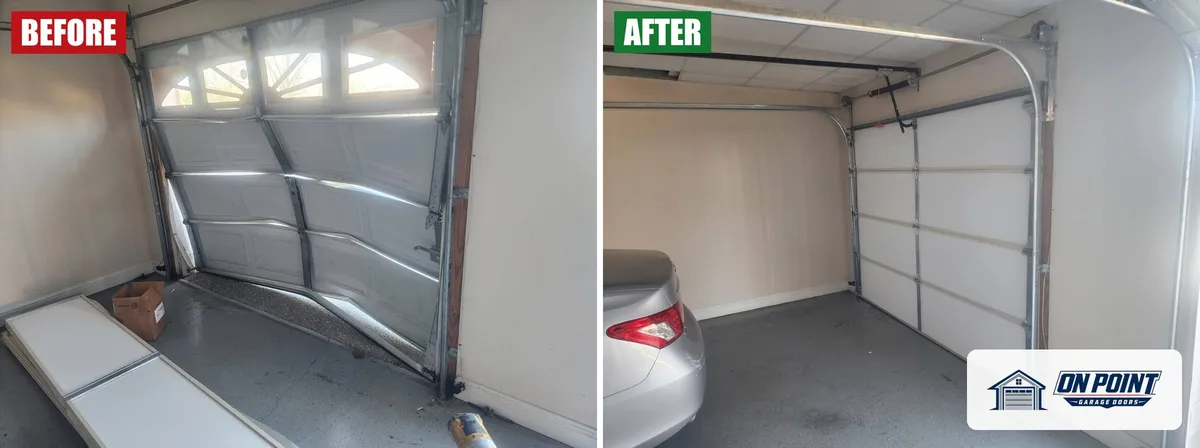
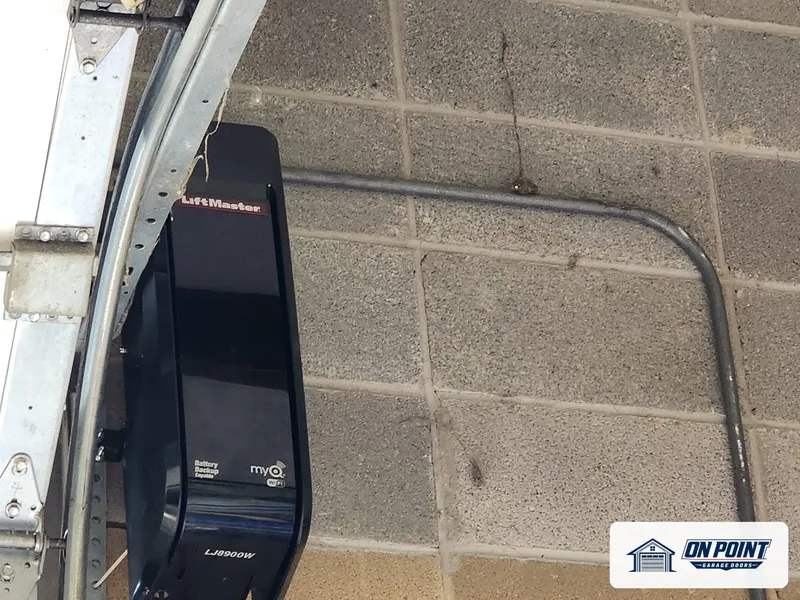
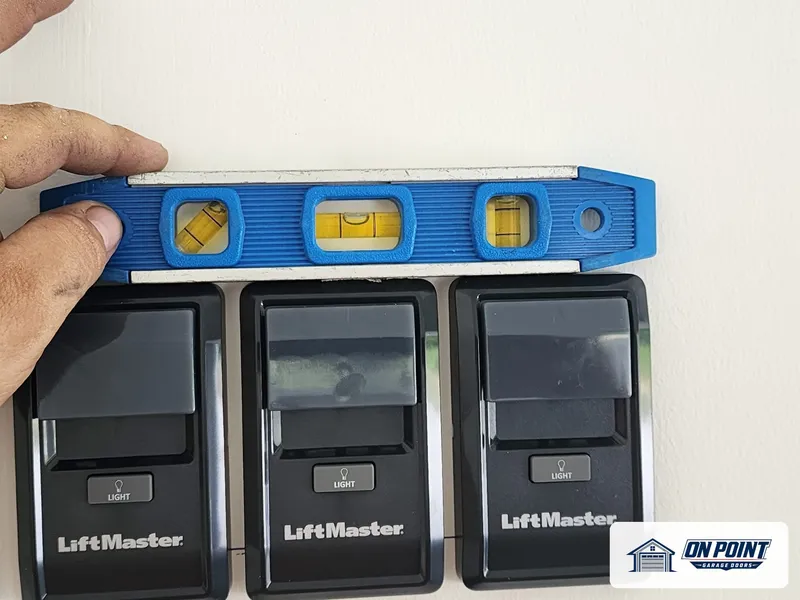
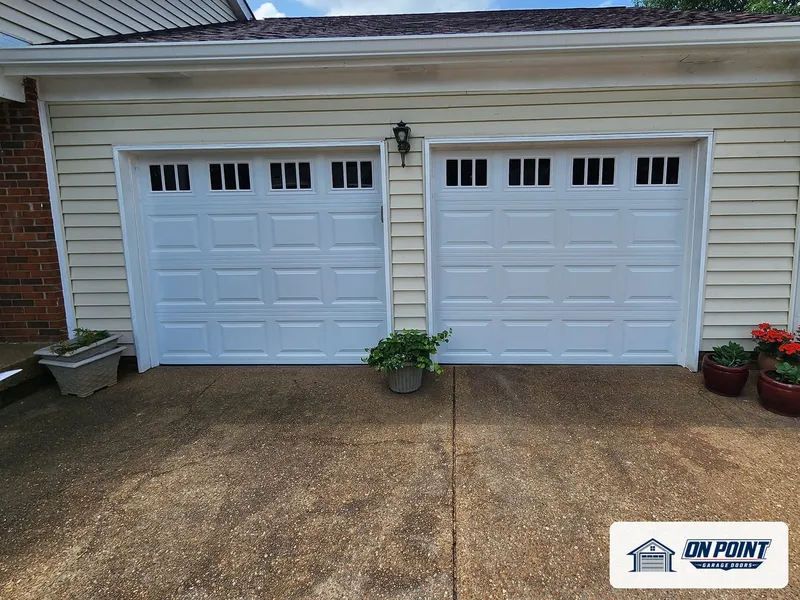
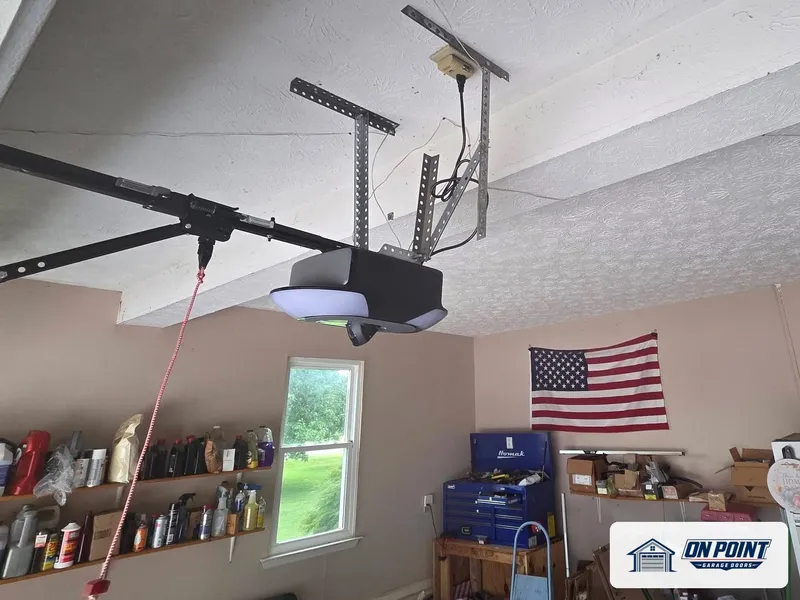
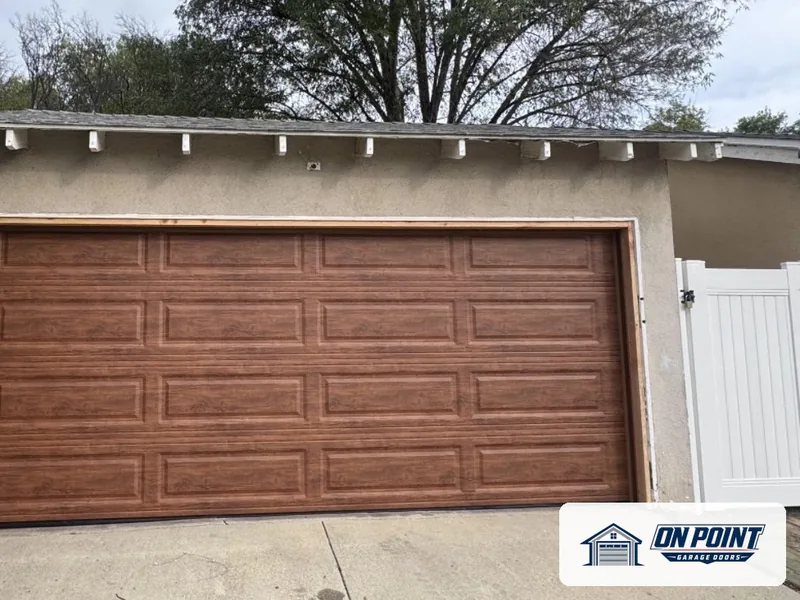
These photos are from our own jobs, with our logo on them.


Garage door repair in Cypress Hills for the garages tucked under newer two-families, the older doors at the end of side drives and the roll-down gates on the shops below the elevated tracks. The technician sees the door work before he talks about parts, and the written estimate is free.
This corner sits at the far eastern edge of Brooklyn, right where the borough meets Queens, with East New York to the south. Fulton Street and then Jamaica Avenue carry the elevated J line across it, and on the north side the streets climb toward Highland Park and the old cemeteries that line the top of the ridge.
The housing is a mix of attached brick rows, wood-frame houses with siding, semi-detached two-families and a good number of newer brick buildings put up on infill lots. On those newer buildings the garage is usually set right into the ground floor, with the living space stacked above it and a short concrete apron running out to the curb.
The hill matters more than people expect. On the blocks that rise toward the park, a driveway can pitch steeply toward the garage, so rain and melting snow run straight at the bottom seal. A door on one of those slopes often shows wear at its lowest section long before the top panels age.
Down on the avenue, the trains rumble overhead all day. Grit and dust settle into the guides of the shop gates, and the steady vibration can work hardware a little at a time, so the gates beneath the tracks get checked for worn slats and fasteners as well as for spring trouble.

A garage under a pair of apartments, an old wooden door behind a frame house and a rolling gate under the el all fail in their own ways, so the first job is always to watch the door run and see how it is hung.


Built-in garages under living space. On the newer two- and three-family buildings the garage sits below bedrooms or a kitchen, so every rattle and every hard stop carries into the rooms upstairs. Worn rollers, a dry opener rail and a chain drive with slack in it are common sources, and a quieter belt drive is worth raising when the opener itself is tired.
Detached garages behind frame houses. Some older lots still keep a small garage at the back, reached by a narrow drive squeezed between houses. Those doors are often wood, often heavy and often older than anyone in the house remembers, and their frames shift as the years go by, so a door that binds gets its jambs and track mounts checked along with the rollers.
Shared and tight driveways. Where two attached houses split one drive, the garage door opens just a few steps from a neighbor's car. Mirrors and bumpers clip the jamb trim and the end hinges, and a door that has been bumped can start to hang crooked or close with a gap on one side.
Storefront gates on the avenue. Groceries, bakeries, salons and auto shops along the commercial strip open and close their gates every morning and night. A gate that has grown hard to raise usually has a tired spring in its barrel, a bent slat or a guide knocked out of line, and the motor or hoist is tested along with them.
Doors that took a knock. Delivery trucks double-parked on a narrow block, a car backed down a steep drive a little too fast, or a cart left in the path of a closing door can bend a section or push a track off line. If a roller has slipped out or a cable hangs loose, leave the door alone until it has been seen.

This end of Brooklyn is part of our home ground, along with the rest of the borough, Queens and Long Island, for houses, rentals and small shops.
When you call, say whether the garage is built into a newer building, set behind a frame house or part of a storefront, and the technician knows what to load before he heads your way.
A shop gate that will not come down at closing, or a car stuck behind a door that will not open, is handled as urgent. Tell us that first when you call.
Winter. Snow and ice on a steep drive slide down to the door and freeze the seal to the slab. Running the opener against a door that is frozen in place can strip its gear or bend the arm, so it is better to stop and let it thaw.
Spring. Leaves, seeds and grit from the big trees up by the park wash down the slopes and pack into the bottom of the tracks and around the safety eyes. The low hardware is worth a look once the weather turns mild.
Summer. Heat builds up inside a garage set under a building, and older plastic opener gears and receiver boards do not like it. Wooden doors swell in the humidity and can start rubbing the frame on one side.
Fall. Before the first hard freeze, the springs, both cables and the safety reverse should be tested on a calm afternoon rather than discovered broken on an icy morning before work.
He starts by running the door with the opener and listening from inside, then disconnects it and lifts the door partway to see whether it stays put. A door that will not hold its place points to the springs; a door that holds but makes the motor labor points elsewhere.
Whatever he finds is shown on the door itself and written up on the free estimate in plain words. Items that affect safe running go at the top, and things like noise or looks go further down, so you can choose what to do now and what can wait.
Springs are sized to the weight and height of your door, not simply copied from what was on the shaft. Rollers, cables, hinges and common opener parts usually ride with him; a panel for an older wooden door or a part for a commercial gate may have to be ordered, and you hear that before anything is booked.
Once the work is done, you try the door from the wall button and a remote. He then shows that it reverses against an object in the doorway and refuses to close while the photo-eye beam is blocked.
Old springs, rollers and packaging go out with him, and anything moved off the shelves or out of the drive is put back where it was.
Parking on these blocks is tight and many drives are shared. Tell us whether a car has to come out of the garage first and where the truck can stand without blocking a neighbor, and for a shop, which part of the day the gate can be out of use.
Nothing is taken off the door until you have read the estimate and agreed to it.
Steep drives, built-in garages and gates that run under a busy elevated line each wear a door in a different place. Knowing which parts take the load makes most failures easy to see coming.
Springs. Each trip flexes the steel, and a door that serves as the main way in and out of a building runs far more trips than one used on weekends. A spring near the end of its life often gives out on the first cold morning.
Cables. On a door at the foot of a sloped drive, the bottom loops sit in whatever water collects at the threshold. Broken strands near the bracket are the warning, and both cables are changed together with the drums inspected.
Safety eyes. Bins, strollers and bikes get parked right beside the sensors in a small garage. A bracket that wobbles is moved onto solid framing, so the next bump does not leave the door refusing to close.
Tracks and guides. Track bolts in older framing can work out over time, and a rolling gate guide clipped by a delivery cart can pinch the slats. A bent length is swapped rather than forced straight.
Openers and gate motors. A unit in a garage below bedrooms is judged on noise as well as strength, and a gate motor under the tracks on how it stands up to grit and shaking. When an old opener can no longer be kept going, a quiet belt drive or a unit on the wall beside the shaft is the usual next step.
On the call, tell us what kind of door it is, whether it is stuck open, stuck closed or just loud, and whether the garage sits under the house or out back. A photo helps but is not needed.
Free estimates for homeowners, landlords, tenants with the owner's go-ahead and shop owners across this end of the borough.
Only in part. A new bottom seal and a threshold strip can stop a lot of water, but on a drive that pitches toward the garage the grade is doing most of the work. The technician checks the seal, the bottom rail and the slab, and tells you plainly if the real answer is a drain in the driveway.
Worn steel rollers, a slack chain and an opener bolted straight to the joists above are the usual sources. Nylon rollers with sealed bearings, a belt-drive opener and rubber isolators at the mounting points each take some of the noise out. He listens to the door run and says which change will help most in your garage.
Partly, perhaps. Dust from overhead settles in the guides, and constant vibration can work fasteners loose. Most often, though, the spring inside the barrel has lost tension or a slat has bent and drags. He checks the spring, the slats, the guides and the motor or hoist, and tells you which one is holding the gate back.
Often it is. Small detached garages settle over the years, and the tracks follow the frame. Resetting the tracks on sound wood, changing worn rollers and correcting the balance can bring a sticking door back. If the jambs have rotted or the door itself is coming apart, he shows you before anything is suggested.
It does not have to. Tell us about the shared drive when you book, and the visit is planned so the truck does not block the other garage. Most work happens inside the opening. If the door has to stay closed while parts are changed, he says so up front so both households can plan around it.
Describe the door and choose a window when someone can let the technician in. The inspection and the written estimate are free, and the decision stays with you.
Call us at (929) 429-2429.
A line or two about what the door is doing is enough to start; the estimate is free.