Takes 30 seconds. We call you back to set a time.
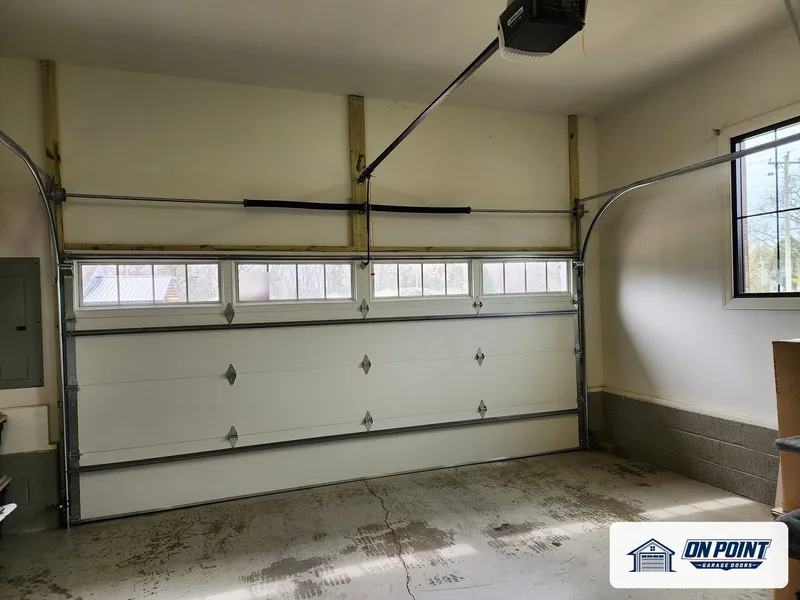
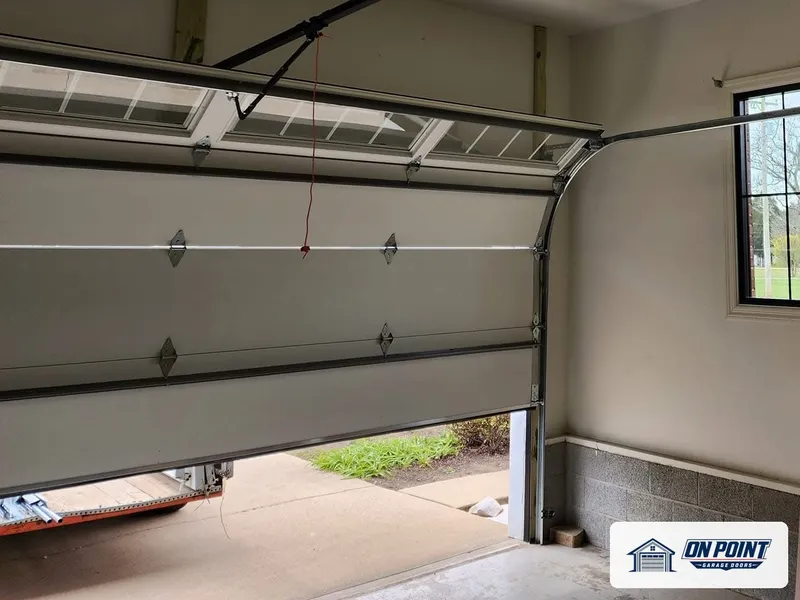
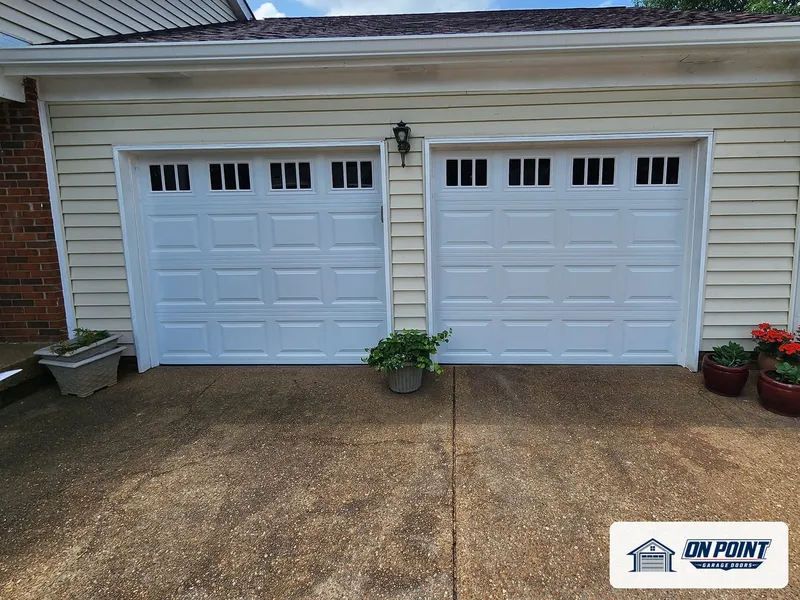
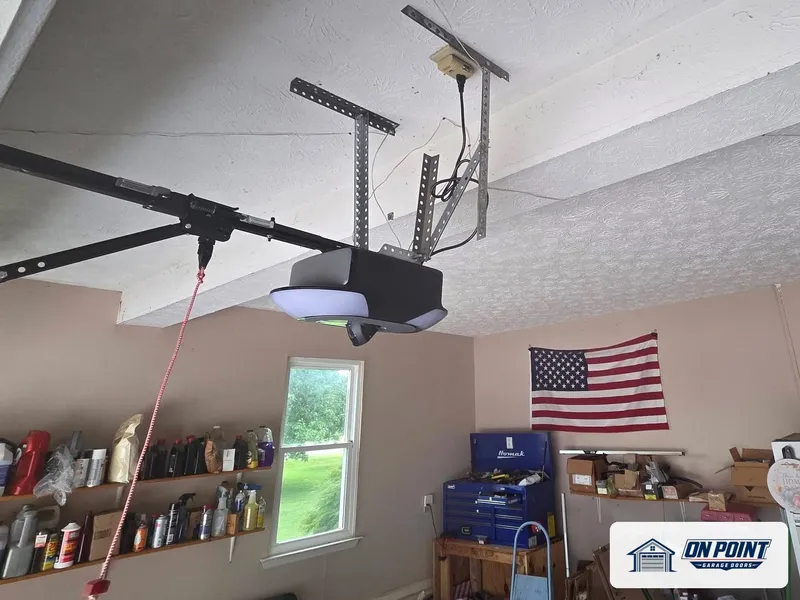
These photos are from our own jobs, with our logo on them.


Garage door repair in Clinton Hill for the old carriage houses on the side streets, the garages on renovated row houses and the roll-up doors on the workshops toward the Navy Yard. The technician looks the door over first, and the written estimate is free.
In the late nineteenth century, wealthy families built large houses along Clinton Avenue, and several of the grandest were put up by the Pratt family, whose institute still holds a leafy campus on the north side of the neighborhood. Many of those mansions survive today as homes, school buildings and apartments, inside a designated historic district.
The horses and carriages for those houses were kept on the quieter streets behind them, and Waverly Avenue in particular is still lined with brick carriage houses and former stables. Many have been turned into homes, studios and workshops, and the wide arched openings where carriages once rolled in now often hold a garage door.
Those openings are a challenge. They are frequently taller or wider than a standard door, the brick around them is not always square, and the ceiling inside may be low where a loft or a living floor was built above. A door for one of them often needs special track, a carefully placed opener and springs sized for a heavy custom door.
Farther north, toward Flushing Avenue and the Navy Yard, the blocks turn more industrial, with low brick buildings, auto shops and workshops behind steel roll-up and sectional doors. Large mid-century apartment complexes first built for Navy Yard families stand nearby, along with shops on Myrtle Avenue that close behind rolling gates.

A tall wooden door in an old stable opening and a steel roll-up on a workshop near the Navy Yard share almost nothing in their hardware, so the technician starts by sizing up the opening, the door and the way it moves.


Carriage house doors. Some old stables still have tall wooden doors that swing out on heavy hinges; others have had an overhead door added inside the old arch. Swing doors sag at the hinges and drag on the pavement, and overhead doors in an odd-shaped opening can bind where the track meets an uneven wall.
Low headroom under lofts. Where a living floor was added over the garage, there may be little room between the top of the opening and the ceiling. Low-headroom track, a wall-mount opener beside the door and a careful look at where the springs can sit all come into the conversation.
Heavy custom doors. Renovations often bring a solid wood or wood-clad door made to match the brick and the old arch. Those doors weigh far more than a stock steel door, and if the springs were not sized to the real weight, the opener strains and the door feels like dead weight when lifted.
Workshop and light industrial doors. Shops and studios toward the Navy Yard use steel roll-ups and wide sectional doors many times a day, often with hand trucks and dollies rolling through. Springs, cables, guides and operators all get checked, since a door that fails mid-shift stops the work inside.
Doors that open onto the sidewalk. A carriage house door usually opens right at the property line, with people walking past a step away. Bent sections, track damage and a reverse that no longer works are all safety matters on these doors, and a damaged one should stay closed until it has been checked.
These blocks are part of our area across Brooklyn, Queens and Long Island, for homeowners, studios and workshops alike.
Tell us whether it is a carriage house, a garage on a renovated row house or a workshop door, and roughly how tall and wide the opening is, so the right parts come along.
A carriage house door that will not close onto the sidewalk, or a workshop door that cannot be locked, is handled as urgent; say so when you call.
Winter. Old brick openings hold the cold, and wooden doors shrink and gap at the edges. Springs on a heavy custom door work hardest in the cold, and a worn one often gives out on a frosty morning.
Spring. Wet weather swells wooden carriage doors, and swing doors that sagged over the winter start to drag. It is a good time to have the hinges, the bottom edge and the weather seal looked at.
Summer. Doors on the industrial blocks run open for much of the day for airflow, so springs and cables collect extra trips. Sun on a dark wooden door can also dry and crack the finish along the bottom.
Fall. Leaves from the big street trees along the old mansion blocks collect at the threshold and in the tracks. Before the cold sets in, have the balance, the cables and the safety reverse tested.
He measures the opening and the headroom, checks how the door is hung and runs it once, then disconnects the opener and lifts the door partway to see whether it is balanced. On swing doors he checks the hinges, the posts and how much the leaves have dropped.
Each finding is shown on the door and explained in plain words, then written on a free estimate with safety items at the top and comfort items lower down.
Springs are sized from the measured weight of the door, which matters on heavy custom wood. Common parts ride with him; special track, a door to fit an odd opening or parts for an older operator may need ordering, and you hear that first.
When the work is done, you run the door from the wall control and a remote. He sets a box in the arch to prove the reverse and steps through the beam as it closes, which counts for a lot on a door that opens onto the sidewalk.
Old springs, hinges, scraps and packaging leave with him, and the garage and the sidewalk in front are left clear.
Many carriage houses and workshops open straight onto a narrow street with no driveway. Tell us where a truck can stand, whether the door can stay closed while parts are changed and, for a workshop, which part of the day the door can be out of use.
A door that still has life in it is called that, even when a new door would be the bigger job.
Odd-sized openings, heavy wood and busy workshop doors each wear a door in their own way. Knowing where the load sits makes most failures easy to see coming.
Springs. A heavy wood door needs strong springs, and a spring sized for a lighter door wears out fast or never balances it properly. When one breaks, both are usually changed and sized to the real weight.
Cables. On a tall door the cables run a long way and carry a lot of weight. Fraying near the bottom bracket or a cable slipping on its drum means the door should stay put until both are renewed.
Safety eyes. On a door that opens onto the sidewalk, the photo eyes and the reverse matter more than ever. Brackets bumped by bikes and bins are remounted on solid framing.
Tracks and hinges. Track mounted to an uneven brick wall can twist over time, and the heavy hinges on swing doors wear and drop. Bent track is swapped, and worn hinges are changed rather than bent back.
Openers and operators. A heavy door needs an opener sized for it, and low headroom may call for a wall-mount unit. Commercial operators on workshop doors are checked for limits and safety inputs as well.
On the call, tell us what kind of door it is, whether it swings or rolls up overhead, and what it is doing. A photo of the opening helps us bring the right parts.
Free estimates for carriage house owners, row house owners, studios and workshops in this part of the borough.
Usually they can. Swing doors drag when their hinges wear or the posts they hang from shift. Rehanging the leaves on stronger hinges, adding a brace and trimming the bottom edge can bring them back. If the wood itself has rotted, the technician shows you where before any new door is mentioned.
Low-headroom track lets the door turn closer to the ceiling, and a wall-mount opener sits beside the door on the end of the spring shaft instead of hanging overhead. Together they free up space. He measures the headroom and the side room and tells you which setup fits your opening.
Make sure the photo eyes and the safety reverse work every time, and keep the door in good balance so it never drops. A light that comes on when the door moves helps as well. He tests the reverse against an object and through the beam on every visit, and points out anything that could put a passerby at risk.
Custom wood doors are often much heavier than the springs chosen for them. An opener is meant to guide a balanced door, not lift dead weight. He checks the balance, weighs the door if needed and sizes new springs to the real weight, then looks at whether the opener is strong enough for the door.
Keep it closed until it is checked. A bent guide pinches the curtain and can damage more slats if the door keeps running. He looks at the guides, the slats and the spring in the barrel, changes what is bent and tests the door before it goes back into use.
Describe the door and the opening and pick a window when someone can be there. The inspection and the estimate are free.
Call us at (929) 429-2429.
Tell us about the door and the opening; the written estimate is free.